
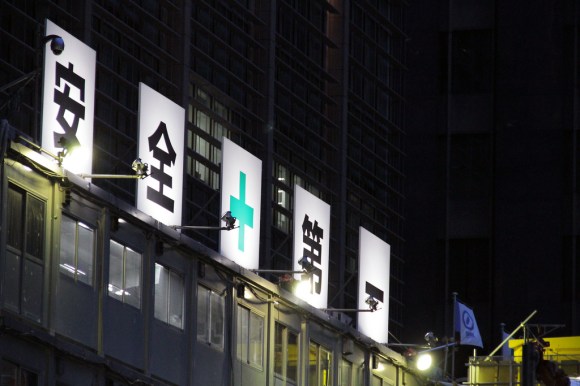
We’ve all heard about how safe Japan is. But unless you live here, you may not understand why Japan is considered so safe. The uninitiated may presume that safety is enforced through a rigid society that doesn’t allow freedom of expression, that Japanese people are too worried about losing face to commit a crime, or that the government comes down unnecessarily hard on people who step out of line. In reality, none of these rings true.
But we can’t deny that there’s one thing that Japan does better than anyone else. Join us after the jump for some insights and our own observations.
The one thing Japan does better than anyone else is that it puts a strong focus on crime prevention. In addition, safety of its citizens is paramount. Here is a list of some factors that we believe help Japan be free from danger.
1. ATMs
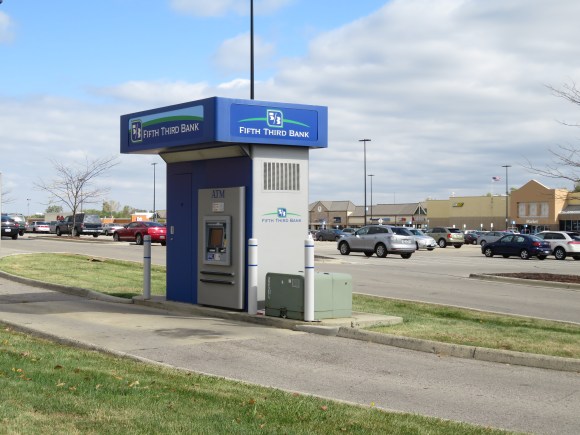
While this drive-up ATM in the U.S. may be convenient, it’s also a crime magnet, especially after dark.
 RocketNews24
ATMs in Japan are located inside buildings or banks, which provide secure environments to withdraw cash. They may be slightly less convenient than ‘hole-in-the-wall’ style ATMs you’ll find outside banks in other countries, but Japan’s cash machines are much more secure and offer a greater degree of privacy.
2. Convenience Stores
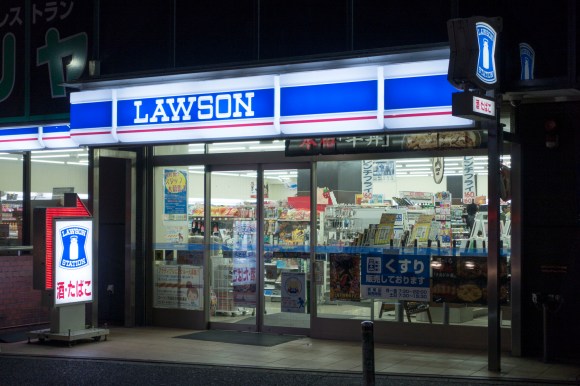
In Japan, you’ll never find one person working alone at any convenience store, gasoline station or anywhere that could be easily robbed—even if there’s only one person at the counter, you can pretty much guarantee that there’s another member of staff in the adjoining office or somewhere in the store. On one hand, it costs more to employ that extra person, but on the other, it puts the safety of employees first and makes the store safer for customers too.
3. Parking Lot Attendants
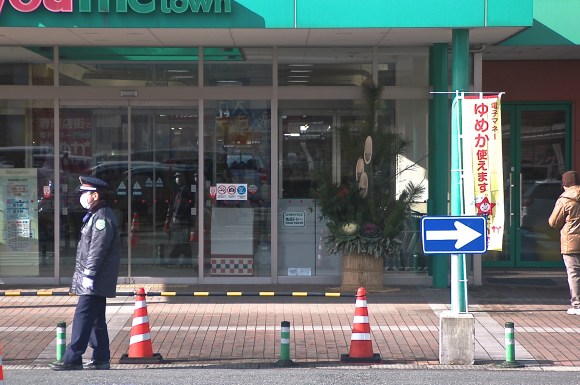
You’ll see parking lot attendants in Japan where you wouldn’t expect to see, or especially need, one. Drivers don’t give them much notice either. But the mere presence of an attendant deters criminals from breaking into cars or mugging people in the parking lot.
4. Security Guards
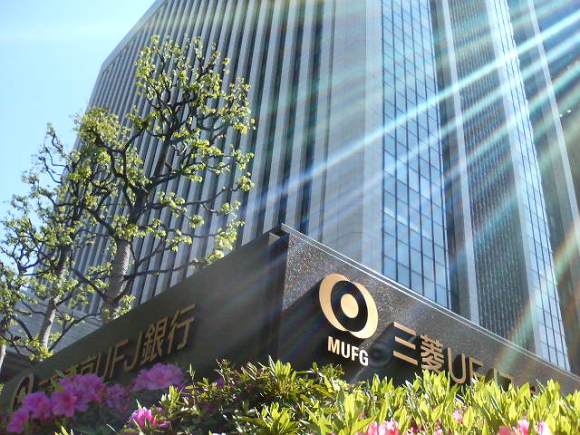
Banks employ part-time, often retired, people to help out in the lobby of banks. This person may greet customers and help vet their needs as they come in or they may also help customers use the myriad functions of bank ATMs. They’re also alert to potential suspicious activity and provide one more barrier to the stash of cash behind the teller window.
5. Firearms are not readily available

In Japan, they don’t feel it is an individual’s right to carry a firearm, and everyone is okay with that.
6. Low Tolerance for Drugs
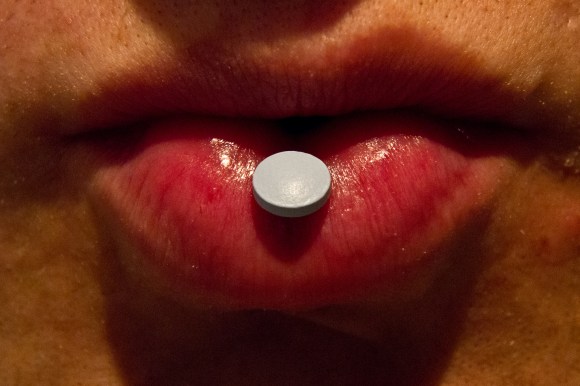
Paris Hilton, the Rolling Stones and Paul McCartney have all been famously been denied entry into Japan due to previous drug convictions (and no one here has a problem with this either). Japanese entertainers, expected to be role models, apologize to their fans on national television if they are caught using drugs. These ramifications reinforce that, while people are free to make their own lifestyle choices, the country does not support poor decision-making, and even drugs like marijuana—now decriminalized in a number of countries—are still considered taboo by most in Japan.
7. Zero tolerance for drinking and driving
▼ Taxis are a thriving trade in Japan.
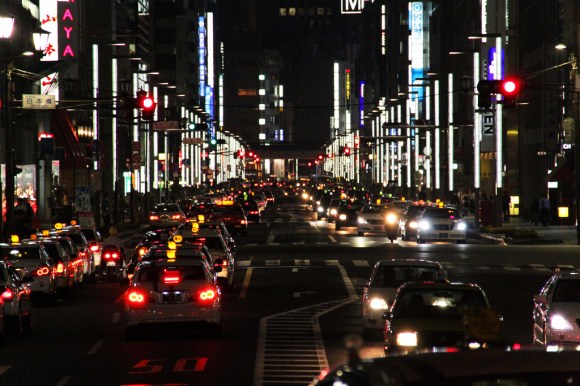
In Japan, it’s not left to the individual to decide whether they can drive safely while under the influence of alcohol. Zero tolerance means no alcohol when driving, period. Want to go for a drink after work but came by car? Then call for a daikou, a specialized taxi service that brings an extra driver to drive your car home while you hop in their taxi.
8. Koban
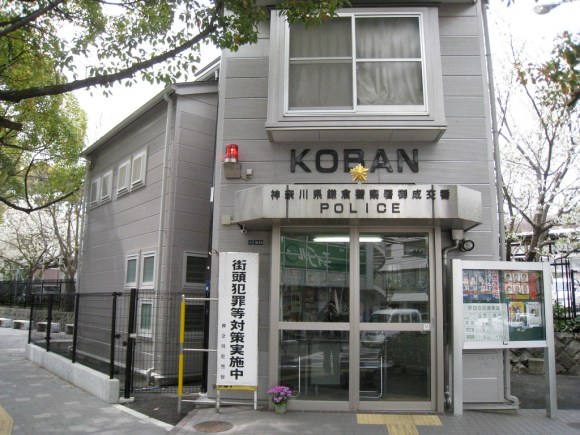
Small police stations, often no more than a single room with a desk and a couple of chairs, called koban are strategically placed throughout cities and neighborhoods so you can always find a safe haven, report something suspicious or just ask for directions if you’re lost. Their ubiquitous presence also encourages people to turn in lost property, including cash.
9. Zoning
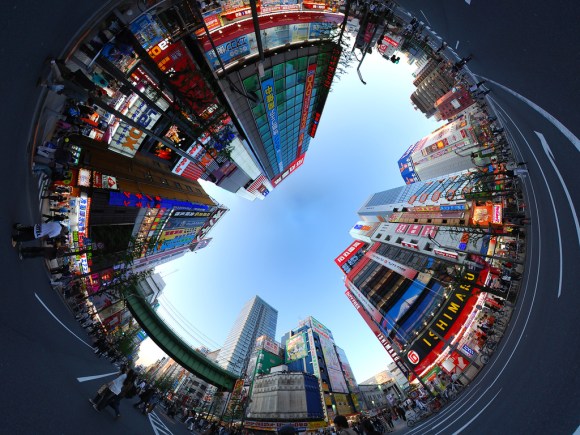
Because Japan’s zoning laws are more inclusive than exclusive, one zone can have multiple uses. Convenience stores may be allowed to exist next to single-family homes in a neighborhood, for example. While the presence of businesses in a neighborhood may produce a certain degree of noise, the presence of so many observers around discourages criminal activity around both the houses and businesses.
10. Limited Immigration Policy
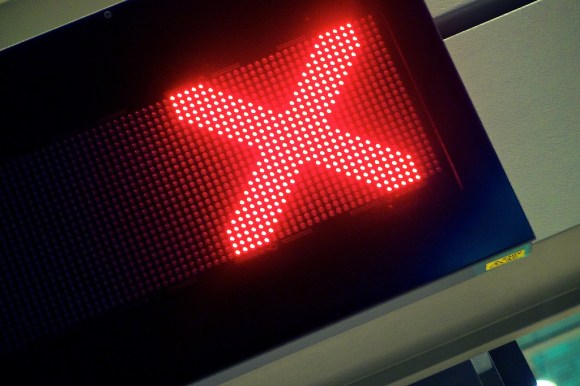
While we can criticize Japan for not being more open to immigration, we can’t deny that it is one measure used to ensure the country maintains a common belief system and shared sense of values. Basically, by not being open to other cultures and value systems, they’re able to preserve their own.
Top image: “Safety First” Flickr (Toshihiro Ohimatsu)
 10 things that make Japan female-friendly【Women in Japan Series】
 How safe is Japan? New interactive map reveals reports of crime around the country
 14 things never to do on a bicycle in Japan with new traffic laws
 10 things Japan gets horribly wrong
 Amazon Japan makes payment policy change that could be a problem for foreigners in Japan
 Mt. Fuji decorated with a 500,000-flower pink carpet is Japan’s ultimate spring view
 30 Pikachus want to share a Tokyo hotel room with you that has separate Grass, Water, Fire spaces
 Studio Ghibli celebrates the magic of movie theaters with short video, Hayao Miyazaki illustration
 Lawson convenience store at popular tourist site is one of the most unusual in Japan
 Drink vending machines disappearing in Japan as number drops to lowest in 30 years
 Japan now has a special desk for people who work at home with a pet cat[Photos]
 Japanese politician arrested on charges of accepting bribes to reduce number of monkeys in park
 You can assemble a well-balanced team of Pokémon, them eat them, thanks to Japanese cake chain
 Which Gundam is the favorite for fans in different countries? Gundam election announces results
 Off-the-beaten-tourist-track observatory tower in Tokyo has great views of the city…for free!
 Japan reportedly adding Japanese language skill requirement to most common foreigner work visa
 Pokémon and Ikea Japan cross over into each other’s worlds with collaboration events
 Starbucks Japan closing only Shinkansen platform branch for popularity-triggered renovations
 Two food hacks take Japan’s convenience store fried chicken to amazing new sandwich heights
 7-Eleven Japan’s new baked-in-store sweet treat is only available in three parts of the country
 Man bites woman at cherry blossom park in Japan, dies shortly after
 Peanuts and Coke becomes a viral hit in Japan, but is it a trend worth joining?
 Famous Tokyo cherry blossom spot installs view-blocking screens to fight overcrowding[Video]
 Uniqlo announces new T-shirts for One Piece, Naruto and more for manga publisher’s 100th birthday
 Train station platform ramen store closes its doors on half a century of history in Tokyo
 Starbucks Japan releases new My Fruit³ Frappuccino at only 34 stores around the country
 Krispy Kreme releases Super Mario doughnuts in Japan for a limited time
 Japanese onsen egg maker from 100-yen store Daiso needs to be on your shopping list
 Studio Ghibli releases Catbus pullback keychain that runs like the anime character
 Survey asks foreign tourists what bothered them in Japan, more than half gave same answer
 Japan’s human washing machines will go on sale to general public, demos to be held in Tokyo
 Starbucks Japan releases new drinkware and goods for Valentine’s Day
 We deeply regret going into this tunnel on our walk in the mountains of Japan
 Starbucks Japan releases new sakura goods and drinkware for cherry blossom season 2026
 Studio Ghibli releases Kodama forest spirits from Princess Mononoke to light up your home
 Japan’s newest Shinkansen has no seats…or passengers [Video]
 Major Japanese hotel chain says reservations via overseas booking sites may not be valid
 Put sesame oil in your coffee? Japanese maker says it’s the best way to start your day【Taste test】
 No more using real katana for tourism activities, Japan’s National Police Agency says
 From shady trash collectors to “compensated dating” – 5 crimes peculiar to Japan
 Japanese car rentals including stickers that read: “A foreigner is driving”
 W.T.F. Japan: Top 5 “shikata ga nai” (“it can’t be helped”) situations in Japan【Weird Top Five】
 People in Japan can now earn 10,000-yen bounties for scamming scammers
 Culture clash: 10 insider tips for visiting Japan
 10 things Japan gets awesomely right
 Why is Japan such an unpopular tourist destination?
 10 things we love about living in Asia
 What makes people want to move to Japan?
 David Bowie’s Lazarus makes its debut in Japan, bringing his love for the country full circle
 Getting a driver’s license in Japan the hard way: The End
 RocketNews24’s top 10 Japan Events of 2016: Did your favorite make the list?