
Drinking with the boss is only the second-biggest complaint in survey.
In Japan, being part of a company often involves much more than a nine-to-five shift, and that’s not just because of the ever-present possibility of being asked to work overtime. Japanese businesses’ espoused admiration of camaraderie, teamwork, and mutual understanding mean that employees are expected (even if not explicitly required) to socialize with their coworkers, of all ranks, in a variety of ways.
But while this is a deep-seated business tradition in Japan, it doesn’t mean everyone likes it. Many younger professionals, in particular, resent having professional obligations bleed over into their private time, as shown in a survey by women’s interest Internet portal Shukan Josei Prime. Researchers polled a total of 200 working women, 100 in their 20s and 100 in their 30s, asking them to choose their most dreaded work-related quasi-social event from a list of possibilities.
Let’s take a look at the top five responses:
5. End-of-year parties/other annual drinking parties (7 percent of respondents)
In Japan, it’s common to hold what’s called a bonenkai in late December. Bonenkai literally translates to “forget the year party,” ostensibly because you’re supposed to stop worrying about things that went wrong in the last 12 months and turn your eyes to the future. That’s sort of hard to do, though, if you’re stuck in an unpleasant present in which you’re drinking with coworkers you don’t really like.
4. Coworker’s wedding ceremony/reception/after-party (8 percent)
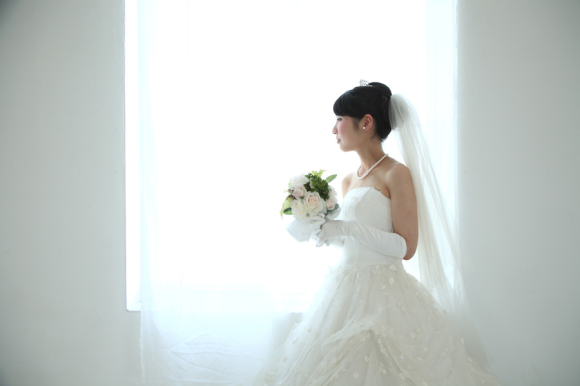
Getting invited to a coworker’s wedding in Japan isn’t just a drain on your time, but on your finances too. Japanese etiquette dictates that the proper gift to the newlyweds is cash, to the tune of 30,000 yen (US$270) per guest, and if you get roped into going to the after-party (Japanese wedding receptions are often only about two hours long) at some other fancy venue, you can count on shelling out for another pricey meal or drinks.
Also, Japanese receptions usually don’t have dancing, walk-up bars, or many of the other mingling-conducive elements of wedding celebrations in the west, so there’s pretty good chance of spending the whole thing stuck at your table seated next to your other coworkers who you just spent the week sitting next to at work.
3. Golf, barbecues, or other day-off recreation events (10.5 percent)
Expensive as it may be, going to a coworker’s wedding means that you can at least sit down, relax, and be served some gourmet food after you pay those three crisp 10,000-yen bills. Sports or outdoor gatherings, which require you to actively participate in activities whether you enjoy them or not, were even less popular among the respondents, with the added drawback of eating into what should be a day off.
2. Weekday after-work drinking sessions that include the boss (17.5 percent)

While ranking second overall, this was actually the top area of complaint by women in their 20s (and still the second-most common response from women in their 30s). It’s not hard to see why these boozing sessions are unpopular. The conversation often ends up turning to work, and no matter how sloshed or incomprehensible the boss might be after several beers, man respondents still feel obligated to pay attention to his drunken dissertations. And even if everyone is making perfect sense, there’s still the fact that you’re getting liquored up on a weeknight. “It makes it really hard to get through the next day at work,” said one 38-year-old who’d prefer not to have “nurse a hangover” on her office task list.
1. Company trips (18 percent)
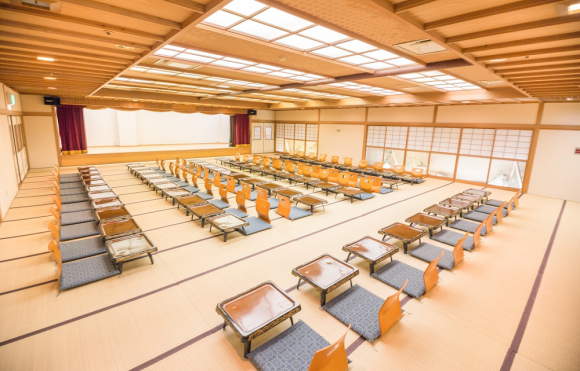
While not as prevalent a practice as it was during Japan’s bubble economy, some companies still occasionally foot the bill to take all the employees out of town and put them up in a hotel in a leisure destination. Meals, too, are generally included as part of the package.
That might seem like an extremely luxurious perk, but there are a number od downsides built into a company trip. First, it’s obviously going to take place on a weekend or holiday, since otherwise everyone involved would need to be working. And while transportation costs are generally covered, you’ll be going by bus or train, meaning that you’re traveling to and from the destination with your coworkers, before spending the day sightseeing and dining as a group, with heavy drinking likely following dinner. Oh, and odds are you’ll be sharing a room with at least one of them, or several if you’re staying in a Japanese-style inn with futon sleeping mats laid out for perhaps a half-dozen people in the same room.
So after spending five days at work together, you’re going to spend pretty much every single moment of the trip with those same coworkers. If it’s a one-day trip that starts on Saturday, you’ll come home Sunday night, go to sleep, then go to the office in the morning for another five days of work, giving yourself 12 days in a row in extremely close proximity, which for some respondents is far too many.
Source: Shukan Josei Prime via @Nifty News via Jin
Top image: Pakutaso
Insert images: Gahag, Pakutaso (2, 3)