When your feet are killing you, rest in peace at the cemetery!
Particularly for people coming to Japan from other countries, one common gripe is the severe lack of outdoor seating such as benches. However, there is one place where such seating is surprisingly ample —Nagasaki cemeteries!
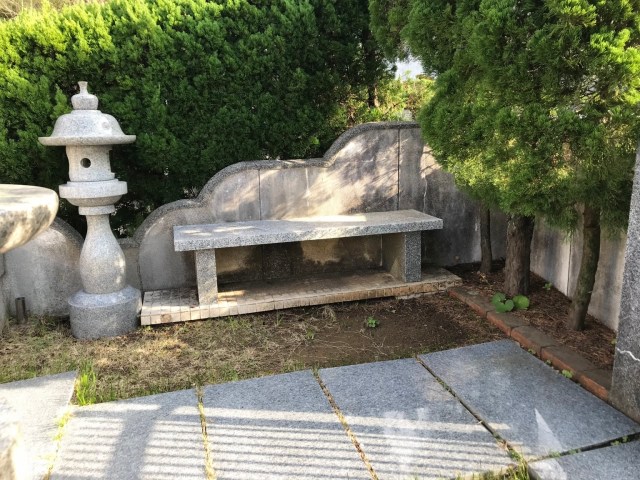
Taking a stroll through any graveyard in Nagasaki Prefecture, you’re likely to find a lot of benches, stools, and tables scattered among the monuments marking family graves.
However, before those of you in other parts of Japan start packing a picnic basket and polishing a talisman, bear in mind that this is a feature unique to Nagasaki only.
Nagasaki is a historically unique part of Japan. While the country remained closed off for centuries under the rule of the Tokugawa shogunate (1639-1854), Nagasaki was an exception in which trade between foreign countries was tolerated. As a result it was exposed to cultural influences not seen elsewhere.
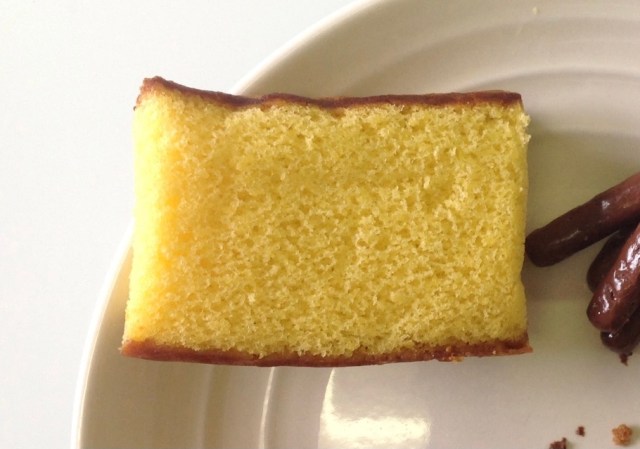
▼ Japanese castella cake, which was imported from Europe, originated in Nagasaki.
One Nagasaki custom that likely came from China, was the act of setting off fireworks in cemeteries. This combined with the Japanese holiday season of Obon in August, when the spirits of deceased ancestors are said to return to the realm of the living. It was fortunate for Nagasaki people who didn’t need to worry about waking the dead with their festive explosives, because they were already up.
▼ Nagasaki in general has an above-average affinity for fireworks
Obon customs vary from region to region in Japan but for the most part, families gather at graves, wash them, pray, and give offerings such as a One Cup of sake. In Nagasaki, however, families also shoot off some bottle rockets and have a meal while among the dead, so it’s very practical to have some seating there as well.
It’s such a common habit in the southern prefecture that you’ll probably find most graveyards are located on hillsides for the ideal firework-shooting views.
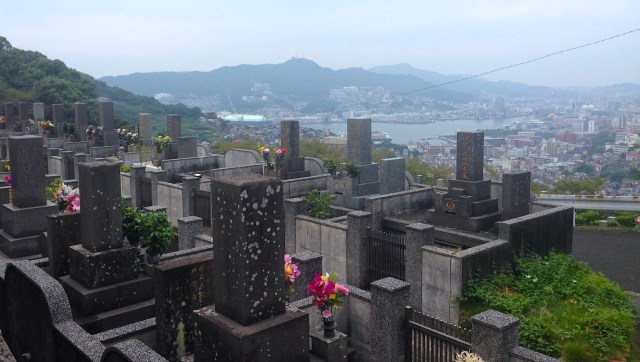
Our Japanese-language writer Mariko Ohanabatake, who hails from Nagasaki, was surprised to find that her annual custom was unheard of elsewhere in Japan, even in her neighboring prefectures. Since visiting graves are solely family affairs that involve returning to hometowns, people rarely see the customs of other areas, keeping them relatively insulated to their respective regions.
That’s not the only thing unique to Nagasaki cemeteries either. Unlike other parts of Japan, graves here are usually engraved with gold lettering.
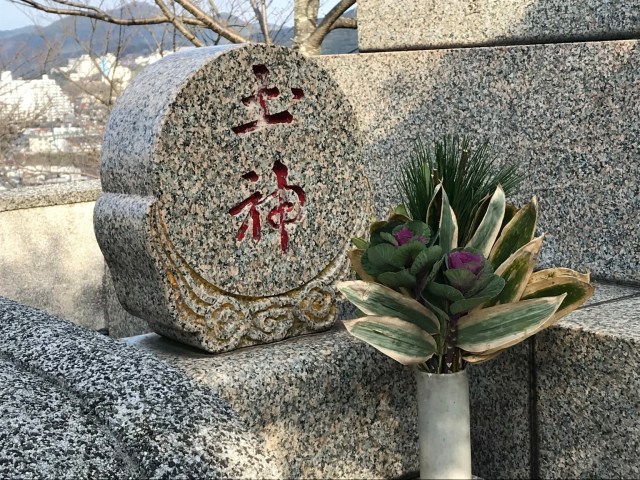
Nagasaki family graves also tend to have smaller monuments honoring the “earth god” next to the main monument. Both of these features are believed to have come from Chinese culture as well.
You’re likely to find unique touches to Obon anywhere you go in Japan, but in general, if you want to see a slightly different side of Japanese culture, there’s a whole lot to discover in Nagasaki.
Photos: ©SoraNews24
● Want to hear about SoraNews24’s latest articles as soon as they’re published? Follow us on Facebook and Twitter!
[ Read in Japanese ]




The unusual and surprising ways people in Nagasaki celebrate Obon, the festival of spirits
How Japanese people deal with death at Nagasaki’s Shoro Nagashi ceremony
Fireworks, seaweed, and sake-The unique regional aspects of visiting a grave in Japan
Five things you need to know about Obon–one of Japan’s biggest holidays 【Videos & more】
7 odd behaviors in Japan as seen by Chinese tourists
Nine amazing off-the-beaten-path cherry blossom spots in Japan for yaezakura and shidarezakura
Mister Donut wows matcha lovers in Japan with new Dora Matcha doughnuts
Stunning central Japan wisteria festival is like a purple fantasy straight out of a Ghibli movie
Starbucks Japan releases new My Fruit³ Frappuccino at only 34 stores around the country
Tokyo government organizes food truck event to clear out delinquent/homeless teen gathering area
How much is Amazon Japan’s lowest-rated currency calculator worth in yen?
10 awesome Tokyo cherry blossom festivals and experiences for this year’s sakura season
Studio Ghibli adds new anime tumblers to its cool streetwear brand in Japan
Giant rubber duck arrives in Osaka!
Beyond sakura: How to tell a cherry blossom from a plum or peach flower
Train station platform ramen store closes its doors on half a century of history in Tokyo
Japanese onsen egg maker from 100-yen store Daiso needs to be on your shopping list
Cherry blossoms begin blooming in Japan with record-early starts for sakura season
Studio Ghibli adds new Mother’s Day gift sets to its anime collection in Japan
The next time you’re feeling stressed out, you could relax on a Pokémon Psyduck chair from Japan
Virtual idol Hatsune Miku redesigned with look that adds new elements and brings back old ones
When will the cherry blossoms reach full bloom in Japan this year?[Forecast]

7-Eleven Japan’s giant fried chicken skewer would be too big to eat, so it’s really for cuddling
Starbucks Japan unveils new sakura cherry blossom collection for hanami season 2026
Studio Ghibli releases Catbus pullback keychain that runs like the anime character
Nine great places to see spring flowers in Japan, as chosen by travelers (with almost no sakura)
The 10 most annoying things foreign tourists do on Japanese trains, according to locals
Starbucks Japan releases first-ever Hinamatsuri Girls’ Day Frappuccino
Survey asks foreign tourists what bothered them in Japan, more than half gave same answer
Japan’s human washing machines will go on sale to general public, demos to be held in Tokyo
Starbucks Japan releases new drinkware and goods for Valentine’s Day
We deeply regret going into this tunnel on our walk in the mountains of Japan
Studio Ghibli releases Kodama forest spirits from Princess Mononoke to light up your home
Starbucks Japan releases new sakura goods and drinkware for cherry blossom season 2026
Japan’s newest Shinkansen has no seats…or passengers [Video]
Major Japanese hotel chain says reservations via overseas booking sites may not be valid
Put sesame oil in your coffee? Japanese maker says it’s the best way to start your day【Taste test】
No more using real katana for tourism activities, Japan’s National Police Agency says