Honouring the dead in a moving way that aids the grieving process.
It can be devastating to lose a loved one but in Japan that loss isn’t totally permanent as it’s believed the spirits of one’s ancestors return to visit their family every year during obon, a holiday period that usually takes place around 13-16 August. At this time, families get together to welcome their ancestors home with fire and lights before sending them back to the otherworld at the end of the holidays.
The send-off often takes place by the water, where lantern-lit boats dedicated to locals who died in the past year are pushed out in rivers, lakes and seas. In other places, the boats are symbolically set adrift after being “sailed” around town, and one of the most famous sites where this takes place is Nagasaki, which is known for its “Shoro Nagashi” or “Spirit Boat Procession“.
Our Nagasaki-born reporter Mariko Ohanabatake has witnessed the procession a number of times, but with this being the first obon since her mother’s passing, she was able to see it from a different perspective as her family were directly taking part. Not everyone gets to participate in the event, which draws thousands of tourists from around the country, so Mariko decided to take this opportunity to share what she saw and learned during the ceremony.
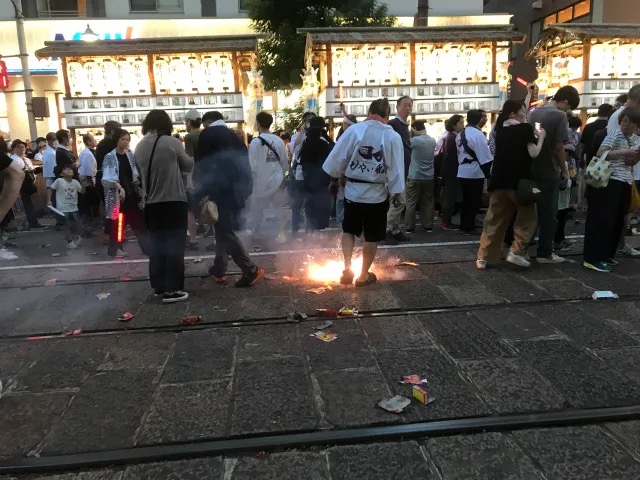
▼ The first thing she learned is things are extremely noisy, as people light fireworks, set off firecrackers, and chant “dooi, dooi” as they pull large “spirit boats” around the streets from dusk on 15 August.
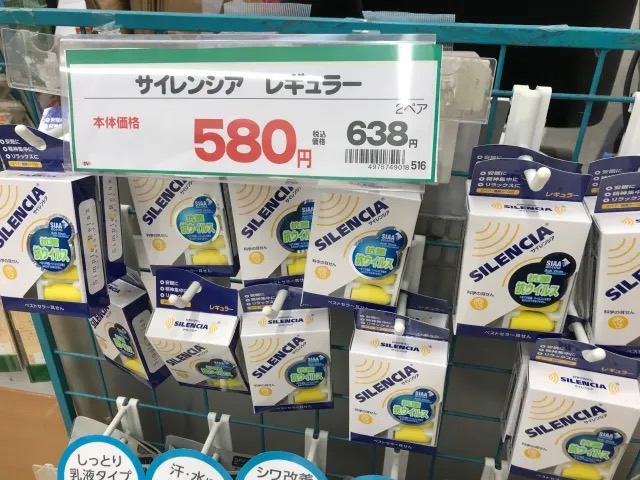
It’s so noisy that a lot of participants use earplugs, and convenience stores and supermarkets in the area are fully prepared with large stocks of them.
With firecrackers going off all over the place, it’s best to wear socks and sneakers rather than sandals to avoid burns. You definitely won’t want to be checking your feet all night, as the spirit boats deserve all the attention, with special features that are unique to this event.
▼ The spirit boats are said to take the souls of the deceased to the Western Pure Land.
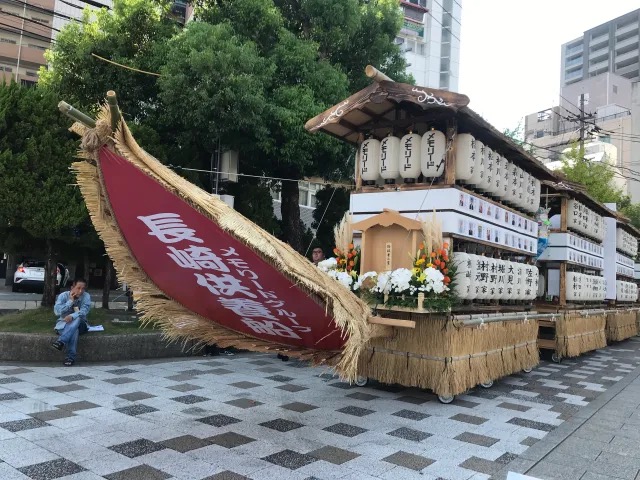
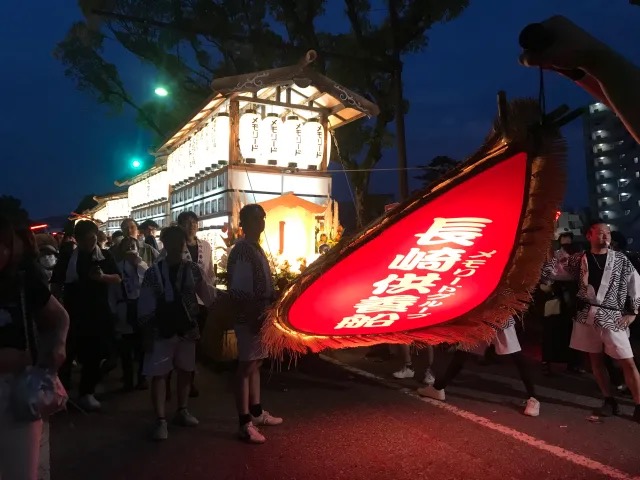
The boats are decorated with flowers and lanterns, and photos of the recently deceased appear on the front or sides. At the very front is a bow that bears the name of the deceased or a group that represents them, such as a neighbourhood association or funeral parlour.
▼ Inside are packages called “komo”, which contain offerings such as flowers and fruit for the deceased.
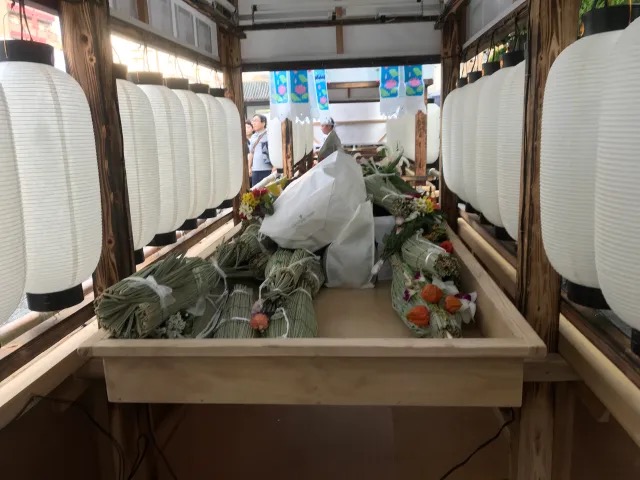
When the procession is underway, one person leads the boat with a lit diamond-shaped lantern while another hits a gong that lets out a bell-like sound.
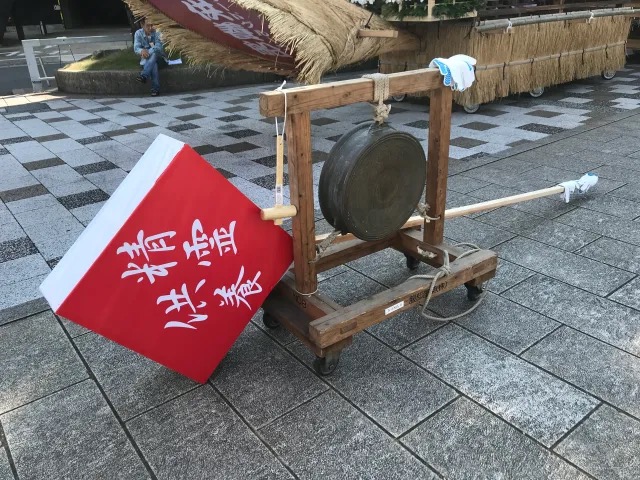
While a lot of the boats are large and on wheels, small hand-held spirit boats are also present, with some families using them to honour dead pets.
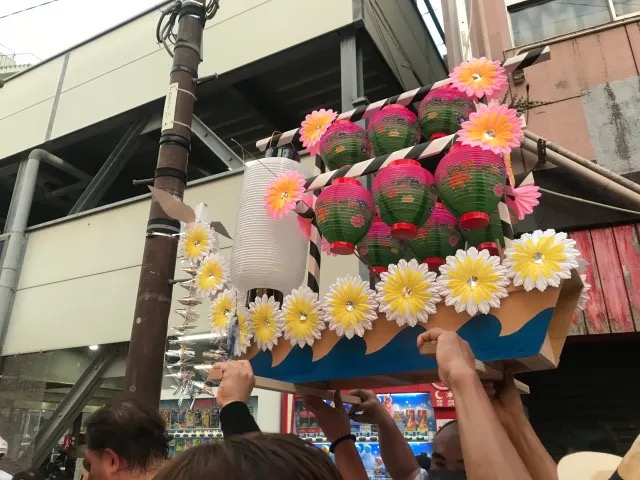
There’s a surprising amount of freedom in the design of the boats, with families able to create their own, but the one common factor is they all feature motifs and objects that were loved by the deceased.
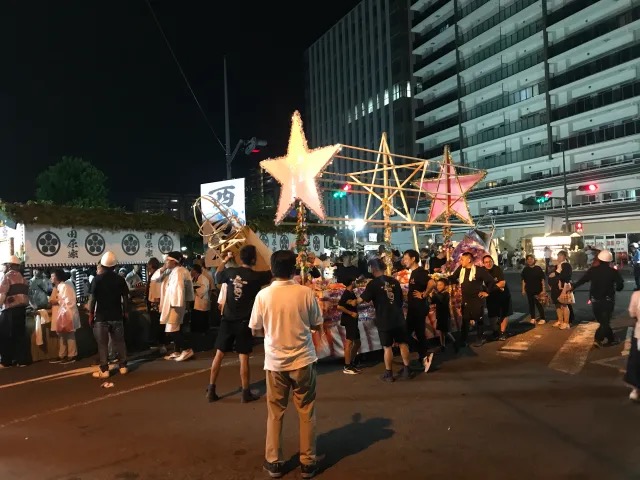
▼ This family chose to combine the old Buddhist tradition of Obon with Christianity.
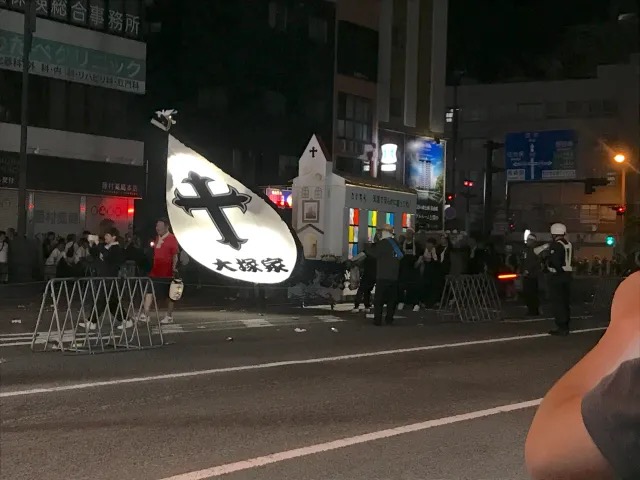
▼ This family dedicated an entire boat to one individual.
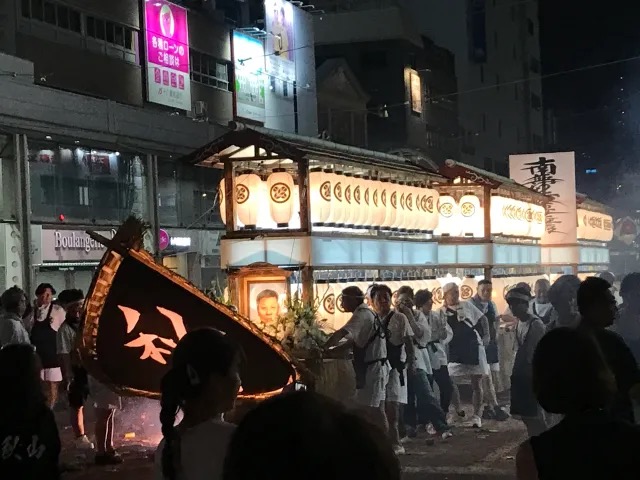
▼ The spirit of Mariko’s mother, however, was on board the funeral home’s boat.
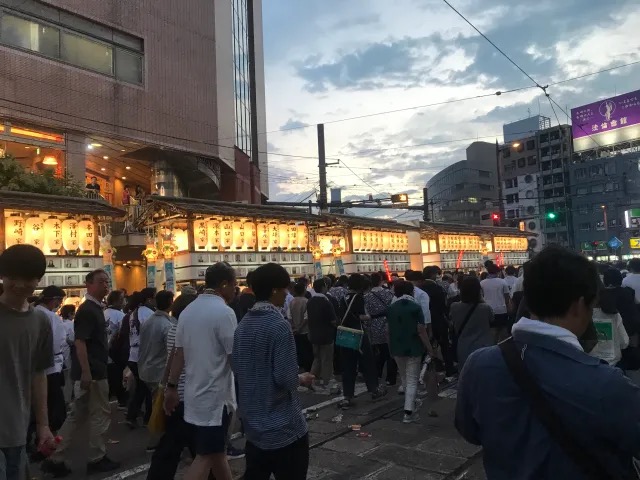
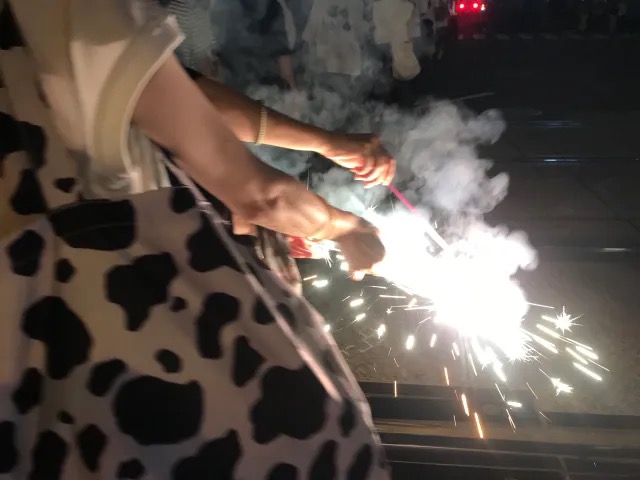
As the boats glide about town, firecrackers are constantly lit to ward off evil spirits, as part of a custom that hails from China.
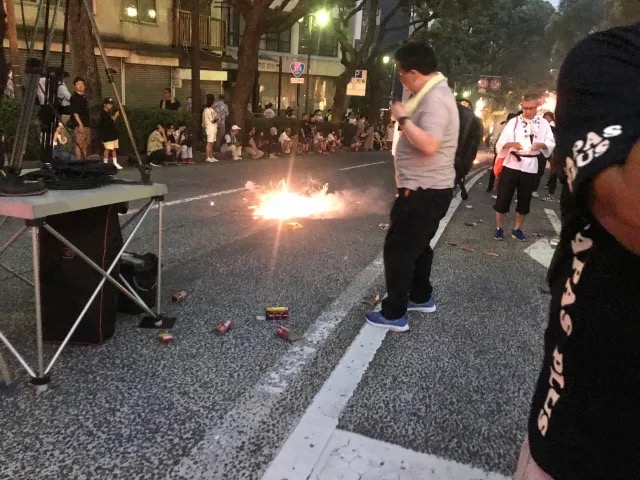
The intersections in front of the Hamanomachi Arcade and Kenchozaka are said to be a highlight, with so many firecrackers set off here that the road is littered with spent boxes.
▼ It’s so noisy and intense that firecrackers once ignited a spirit boat.
While the event may have a festival-like atmosphere and seem like a celebration to onlookers, it’s noticeably different for those taking part, as there’s none of the usual happy revelry on display.
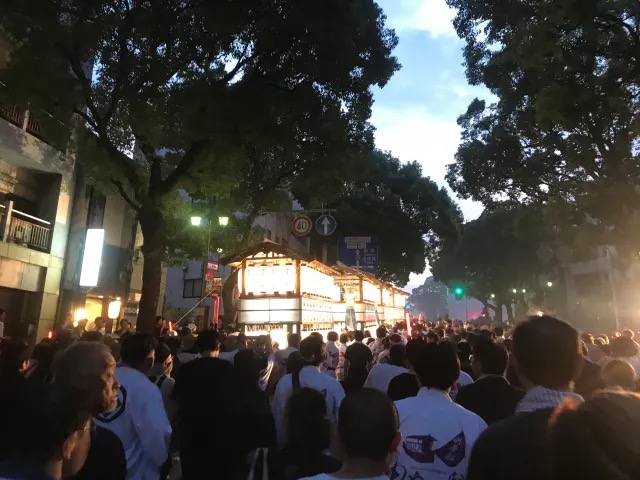
Sure, people in the parade might have smiles on their faces, but inside, they all have heavy hearts. It’s a bittersweet event that’s both a grand send-off for the newly departed and a way for those left behind in the real world to receive closure.
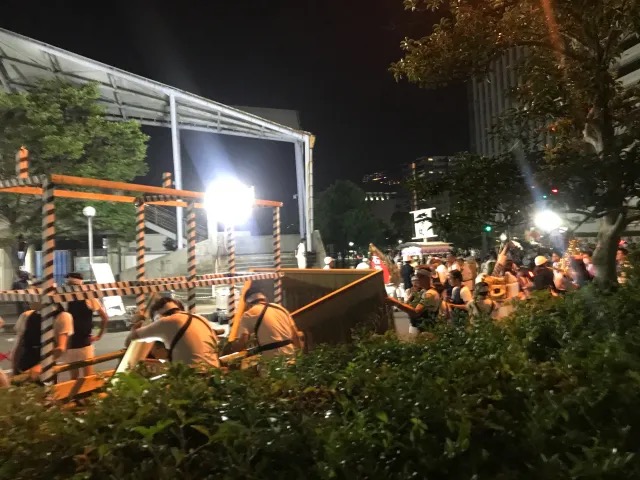
The final destination for the floats is “Nagashiba” (“Drift Spot”). While this would normally be a spot where boats are pushed out to sea, in these modern times the boats are dismantled here by workers instead.
When Mariko saw the lanterns and decorations being removed from her mother’s spirit boat, she felt like the time had truly come to say goodbye. The noise and commotion from earlier now seemed far away, and she felt a wave of sadness wash over her as tears welled up in her eyes.
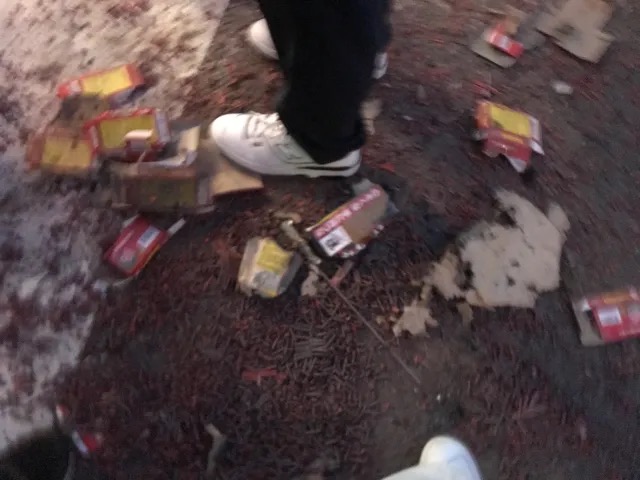
▼ As she walked home after the event, she returned along the parade route and passed by the firecrackers, which had turned the ground red.

The firecrackers had made their mark on the ground, but Mariko knew they would be cleared by morning and life would return to normal in the city once again. It was a metaphor for how quickly things can change and how she, too, would have to go on tomorrow. It also brought to mind words she’d heard from someone who once appeared in a documentary about Nagasaki’s Shoro Nagashi.
“People in Nagasaki can say goodbye to the deceased twice, at the funeral and at the Spirit Boat Procession.”
While she hadn’t realised the depth of that statement when she first heard it, now, after participating in the festival, she realised this was exactly the case. Instead of being sad, she felt a sense of comfort in being able to say goodbye to her mother twice, and the grand public send-off surrounded by others experiencing the same type of loss brought her a sense of peace.
People around the world mark death in many different ways, but we can learn a lot from a tradition like Nagasaki’s Spirit Boat Procession and the Japanese custom of Obon. It’s nice to think that our loved ones never really leave us, and when they return to the world of the living once a year, there’s great comfort in going home to greet them. Mariko looks forward to doing exactly that next summer, when she’ll return to Nagasaki for Obon, and she’ll be sure to bring fireworks.
Photos ©SoraNews24
● Want to hear about SoraNews24’s latest articles as soon as they’re published? Follow us on Facebook and Twitter!
[ Read in Japanese ]