

“Would you like some rice with green tea and pickles?”
In recent years we’ve been seeing a rise in timed escape rooms, haunted houses, and other walk-through entertainment experiences that combine pressure and puzzles for tension-filled entertainment. An upcoming event in Japan, though, will feature something arguably even more mysterious than secret agent codes and more terrifying than any creatures from beyond the grave: Kyoto manners.
Specifically, it’s Kyoto’s ikezu culture that’s the theme of Kono Saki Ikezu na Kyoto Machiya, which carries the in-English subtitle of “Just Daily Kyoto’s Conversation.” Ikezu means “mean” or “unkind,” but within the context of Kyoto communication it refers to a significant gap between the words a person is saying and the message they’re actually trying to give you.
The most infamous example of ikezu is the phrase “Would you care for some bubuzuke (rice with green tea and pickles)?”, which you might hear when visiting a person’s home in Kyoto. On the surface this may seem like a hospitable offer to try the local cuisine, but since bubuzuke is traditionally served at the end of the meal, “Would you care for some bubuzuke?” is actually used to indicate that someone is overstaying their welcome without directly commanding them “Go home, now.” And that’s just the tip of the ikezu-berg, as there are also hidden meanings behind such seemingly innocuous platitudes as “You have a nice watch,” “I envy you for your large circle of friends,” and “You play the piano well.”
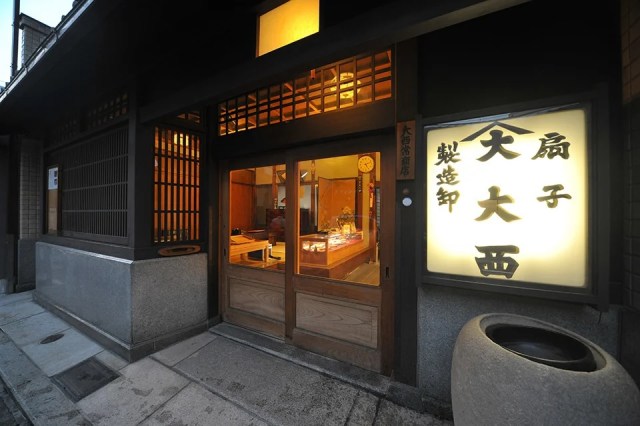
If that sounds anxiety inducingly confusing, rest assured that even people from other parts of Japan can have trouble deciphering ikezu communication, which prompted media and event company Nai, design company Chahang, and Kyoto folding fan shop Onishi Tsune Shoten to collaborate on Kono Saki Ikezu na Kyoto Machiya, held in Onishi Tsune Shoten’s store in Kyoto’s Shimogyo Ward (pictured above). Participants, playing in groups of up to four people, will face a series of ikezu challenges, in which Onishi Tsune Shoten’s owner Rie Onishi, playing the role of the Ikezu Inn Proprietress, will offer conversational prompts such as “Oh, thank you for sharing such a wonderful story!”
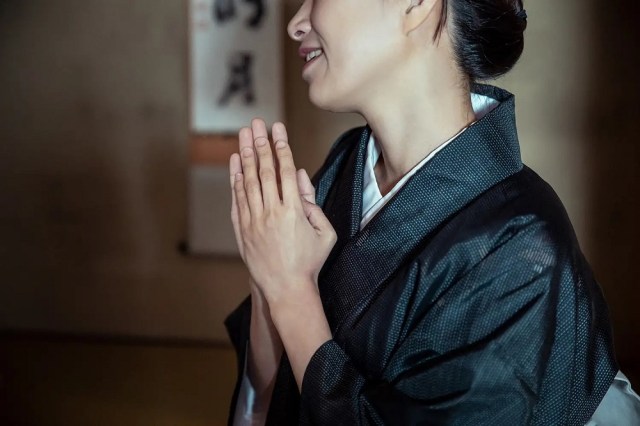
Wanting to be on your best behavior, you might reply with a courteously direct “Thank you.” Or maybe, taking into account Japan’s cultural value of modesty, you deflect the complement by saying something such as “Oh, no, not at all.” Either one of these reactions, though, is likely to get you and your team a swift “Would you care for some bubuzuke?” in response.
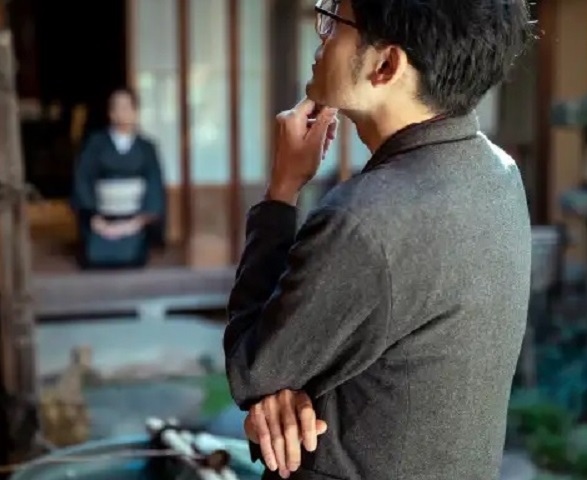
That’s because you’re supposed to understand that, after being translated from the original ikezu, “Thank you for the wonderful story” actually means “Your story was very long,” so you should clam up.
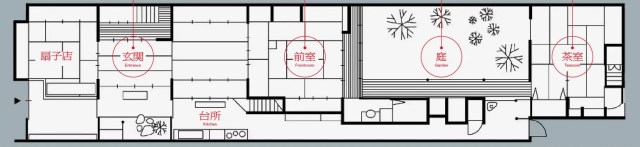
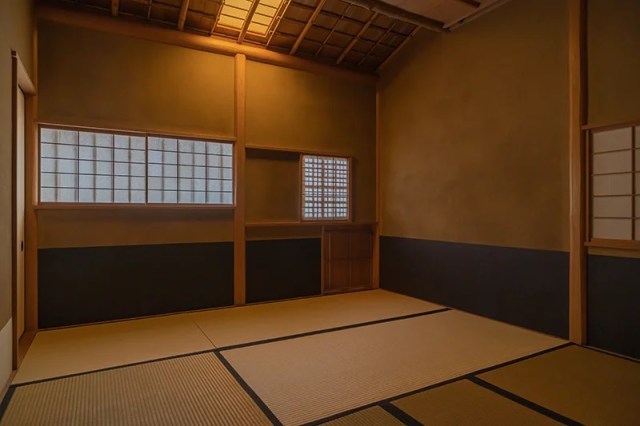
Successfully clearing an ikezu challenge grants you passage to a deeper part of the building, which is a beautiful 150-year-old Kyoto machiya (townhouse). On the other hand, should you be offered bubuzuke five times, or take more than an hour tying to solve the verbal puzzles, it’s game over. Oh, and the organizers have prepared no fewer than 26 ikezu puzzle scenarios, so that different groups will face different ones, so it’s not like you can just copy a winning team’s answers.
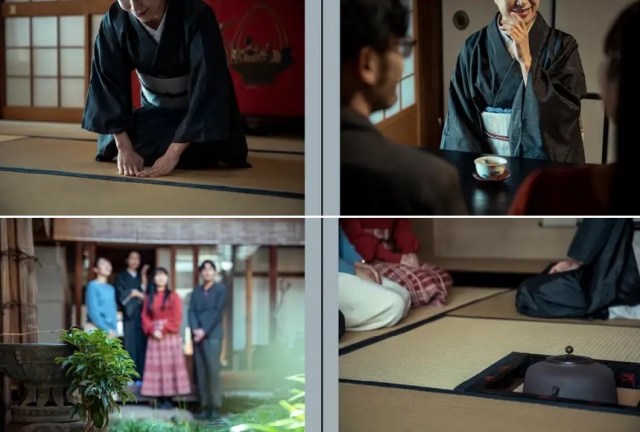
While bubuzuke will not, under any circumstances, actually be served, the participation fee does officially include a bowl of matcha green tea and some wagashi traditional Japanese confectionaries. It’s unclear, though, if you have to progress to the deepest part of the house, the tearoom, in order to enjoy the treats.
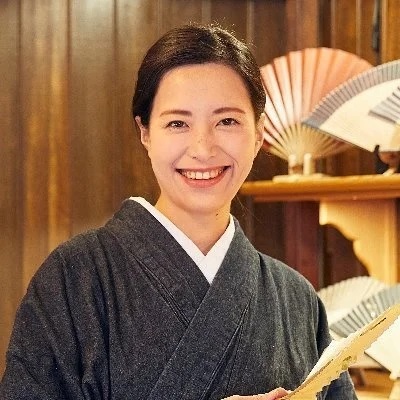
If Rie Onishi, pictured above, looks familiar, you might be remembering her from the last ikezu cultural ambassador activity she was involved in, the ikezu souvenir stickers we looked at last year.
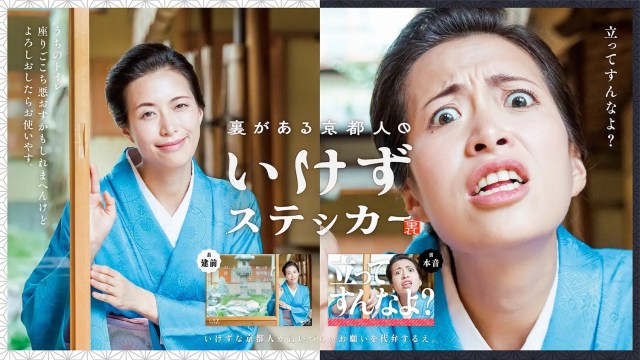
Onishi herself takes a tongue-in-cheek approach to ikezu, playing up the inner anger to comedic levels with her facial expressions while also seeing ikezu’s potential as a source of good relations between neighbors by cultivating an awareness that people might be uncomfortable or displeased even if they haven’t explicitly said so.
Kono Saki Ikezu na Kyoto Machiya is scheduled to take place on January 25 and 26, with tickets priced at 5,500 yen (US$37) and can be reserved online here.
Event information
Kono Saki Ikezu na Kyoto Machiya / この先いけずな京町家
Venue: Onishi Tsune Shoten / 大西常商店
Address: Kyoto-fu, Kyoto-shi, Shimogyo-ku, Hontoro-cho 23
京都府京都市下京区本燈籠町23
Venue website
Event website
Source, images: PR Times
● Want to hear about SoraNews24’s latest articles as soon as they’re published? Follow us on Facebook and Twitter!
 Kyoto’s “ikezu” culture of backhanded compliments explained in hilarious souvenir sticker series
 Kyoto code cracked? Japanese bartender translates Kyotoites’ compliments into hidden insults
 The Kyoto way: Sidewalk sign with a window is actually a manners warning
 Uniqlo announces new T-shirts for One Piece, Naruto and more for manga publisher’s 100th birthday
 Krispy Kreme releases Super Mario doughnuts in Japan for a limited time
 Ghibli Museum building becomes a cuddly cushion
 Deer are appearing in Osaka City, may have wandered there from Nara[Video]
 Japan’s ministry of economy reminds us to “use sound judgment” before buying toilet paper
 7-Eleven Japan releases a crazy new viral sandwich: Chocolate Sprinkles and Whipped Cream
 Ramen restaurant in top Tokyo tourist neighborhood skips price gouging, but how does it taste?
 How many doughnuts can you pack in a Mister Donut all-you-can-pack deal?
 Japan now has a “for foreign tourists only” Mt. Fuji sightseeing train[Video]
 Yokai are descending upon Tokyo this spring in the latest immersive art experience
 Starbucks Japan releases new My Fruit³ Frappuccino at only 34 stores around the country
 Tokyo government organizes food truck event to clear out delinquent/homeless teen gathering area
 Nine amazing off-the-beaten-path cherry blossom spots in Japan for yaezakura and shidarezakura
 Stunning central Japan wisteria festival is like a purple fantasy straight out of a Ghibli movie
 Studio Ghibli releases the My Neighbour Totoro tea caddy, with a magical self-closing lid
 Japanese onsen egg maker from 100-yen store Daiso needs to be on your shopping list
 Create a tiny Ghibli anime world on your bookshelf with new miniature papercraft art kits
 Starbucks Japan unveils new sakura cherry blossom collection for hanami season 2026
 Train station platform ramen store closes its doors on half a century of history in Tokyo
 Studio Ghibli releases Catbus pullback keychain that runs like the anime character
 Nine great places to see spring flowers in Japan, as chosen by travelers (with almost no sakura)
 Starbucks Japan releases first-ever Hinamatsuri Girls’ Day Frappuccino
 Cherry blossoms begin blooming in Japan with record-early starts for sakura season
 Studio Ghibli adds new Mother’s Day gift sets to its anime collection in Japan
 Virtual idol Hatsune Miku redesigned with look that adds new elements and brings back old ones
 Survey asks foreign tourists what bothered them in Japan, more than half gave same answer
 Japan’s human washing machines will go on sale to general public, demos to be held in Tokyo
 Starbucks Japan releases new drinkware and goods for Valentine’s Day
 We deeply regret going into this tunnel on our walk in the mountains of Japan
 Studio Ghibli releases Kodama forest spirits from Princess Mononoke to light up your home
 Starbucks Japan releases new sakura goods and drinkware for cherry blossom season 2026
 Japan’s newest Shinkansen has no seats…or passengers [Video]
 Major Japanese hotel chain says reservations via overseas booking sites may not be valid
 Put sesame oil in your coffee? Japanese maker says it’s the best way to start your day【Taste test】
 No more using real katana for tourism activities, Japan’s National Police Agency says