
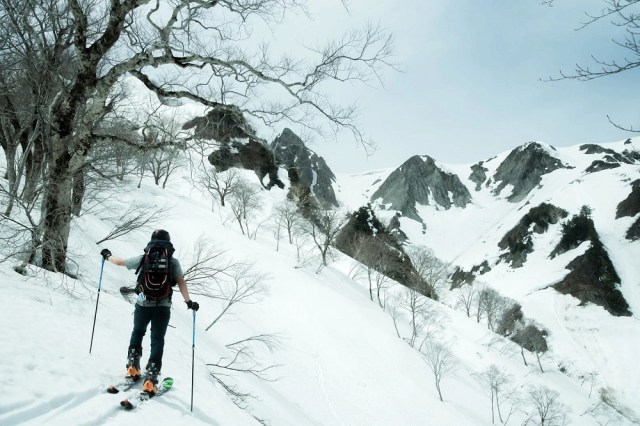
Japan is pissed off about the off-piste skiing.
Hokkaido, Japan’s northernmost, coldest, and snowiest prefecture, boasts world-class skiing and snowboarding venues. That’s not just an expression, either, as Hokkaido really does draw snowsport enthusiasts from around the world, especially with the current Japan travel boom among international tourists, and the weak yen helping to fuel it, showing no signs of changing anytime soon.
Unfortunately, it’s not just Hokkaido’s managed ski slopes that are proving popular with inbound visitors. Many of them have given into the temptation to ski outside of designated boundaries, but with their curiosity outstripping their skills, have then gotten lost, injured, stranded, or otherwise in need of help to get home, with more than 80 percent of the skiers/snowboarders requiring rescue in Hokkaido this season being foreigners.
▼ A video of the Hokkaido Prefectural Police conducting a helicopter rescue of a lost college student from overseas.
Between the end of last November and February 2, a total of 58 backcountry/off-piste skiers/snowboarders have needed to be rescued, with 48 of them, 82.8 percent of the total, being foreign nationals, according to the Hokkaido Prefectural Police.
This statistic hasn’t been sitting well with the Japanese public, for multiple reasons. First, it comes after a string of high-profile instances last year in which foreign hikers needed to be rescued from Mt. Fuji (with one man needing emergency help twice in the same week) during the period when the trails are officially closed to hikers. There’s also a perception that restaurants, hotels, and other facilities in and around ski areas have ratcheted up their prices as they cater to foreign tourists who’re flush with cash, leaving locals who don’t have a favorable currency exchange rate to leverage out in the proverbial, and meteorological, cold. Seeing taxpayer money used to rescue people who ignored the rule would be bad enough, but when the people being rescued are also seen as contributing to rapidly rising consumer prices, it’s a double dose of frustration.
What exactly are the economics of running an off-course rescue operation? It depends. The police and fire department are, fundamentally, civil services for which there’s no itemized cost. You don’t have to pay a fee to have the police look for someone who stole your wallet, for example, and the fire department doesn’t send you a bill if a fire breaks out in your apartment building and they have to put it out. Because of that, off-piste skiers aren’t ordinarily charged if the police or fire department are mobilized; they get helped to get out of a place they weren’t supposed to be for free.
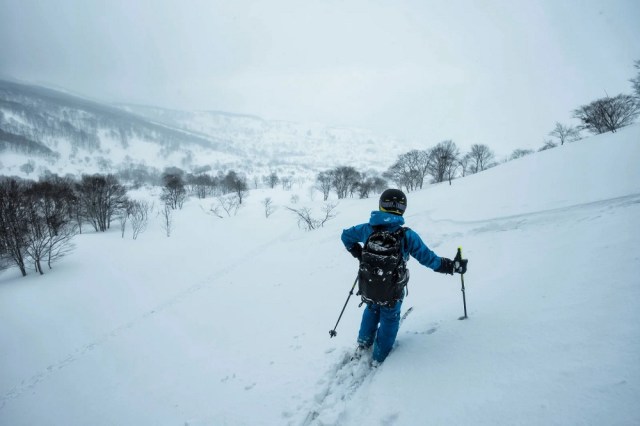
However, it’s not always the police and fire department who’re running the rescue operation. In some cases, such as at a ski resort that leases land within a national park for business operations, the resort may employ a civilian ski patrol to look for lost skiers, and their services aren’t always going to be cheap. At one resort in the Hokkaido town of Furano, rescue charges include 20,000 yen (approximately US$130) per man hour and an additional 50,000 yen per hour that a snowmobile is required. A recent late-night rescue, which took three hours to complete, ended with a bill for the lost skier of more than one million yen (US$6,450). Some cities also have a hybrid system, in which the local authorities coordinate with civilian rescue organizations, and in those cases too, the non-governmental organizations will need to be paid.
But again, if it’s just the police and fire department performing the rescue, those costs generally have to be covered by the local government, creating budgetary pressure to cut funding for other services or to increase local residents’ taxes. So it’s no shock to see that online commenters in Japan are pretty pissed-off about the off-piste foreign skiers.
“Total waste of tax money. They should charge the person who needed rescuing.”
“The money that everyone worked so hard to earn is being used to save inconsiderate foreigners.”
“There should be an extra tax for foreigners.”
“They should require anyone skiing in the area to have insurance, and fine them if they get lost and it turns out they don’t.”
“Charge foreigners who need rescuing 100 million yen, and detain them until they pay the amount in full.”
“I see foreigners on social media skiing off-course in Japan like it’s a matter of course, and then when they get confronted about it they just laugh and say ‘Sorry, I can’t understand what you’re saying.’”
“It’s one thing to not charge Japanese people who are paying into the tax system for years and years for rescues, but foreigners should have to pay for their costs.”
“Send the bill to their country’s embassy.”
It’s worth reiterating that the reactions above were specifically to instances of foreigners skiing off-course. The idea that skiing always comes with certain inherent risks, and that people might need emergency help, isn’t what’s got people riled up. They’re upset about the deliberate choice to ignore rules put in place to mitigate those risks, and the resulting taxpayer costs at a time when much of Japan’s local population is having to tighten their belts as prices rise much more quickly than wages.
Following last year’s Mt. Fuji rescues, there have been increasing calls to have flagrant violators of safety precautions foot the bill for their own rescues, and if trends continue, it won’t be a shock if municipalities in Hokkaido start considering ways to do so as well, especially as ill-mannered tourists continue to disrupt local living standards.
Source: Tele Asa News, YouTube/ANNnewsCH
Top image: Pakutaso
Insert image: Pakutaso
● Want to hear about SoraNews24’s latest articles as soon as they’re published? Follow us on Facebook and Twitter!
 Foreigner and skiing pals get lost in Japan, call cops for help, ignore them when they call back
 British couple in shorts, T-shirt call for rescue from Japanese mountain, say it’s too cold for them to move
 Two Americans decide to hike Mt. Fuji before trails open, both need rescues on back-to-back days
 Angry Japanese mayor wants off-season Mt. Fuji hikers to pay costs of their rescue operations
 Ramen restaurant in top Tokyo tourist neighborhood skips price gouging, but how does it taste?
 Uniqlo announces new T-shirts for One Piece, Naruto and more for manga publisher’s 100th birthday
 Japan’s ministry of economy reminds us to “use sound judgment” before buying toilet paper
 How many doughnuts can you pack in a Mister Donut all-you-can-pack deal?
 Japanese fast food chain serves up burgers with Camembert “buns”
 Ghibli Museum building becomes a cuddly cushion
 “Online streamer” tops dream job poll for young Japanese kids, older kids not so interested
 Japan now has a “for foreign tourists only” Mt. Fuji sightseeing train[Video]
 Krispy Kreme releases Super Mario doughnuts in Japan for a limited time
 Umamusume food and drinks dash into real world at Family Mart convenience stores[Taste test]
 Japanese onsen egg maker from 100-yen store Daiso needs to be on your shopping list
 Starbucks Japan releases new My Fruit³ Frappuccino at only 34 stores around the country
 Tokyo government organizes food truck event to clear out delinquent/homeless teen gathering area
 Cherry blossoms begin blooming in Japan with record-early starts for sakura season
 Nine amazing off-the-beaten-path cherry blossom spots in Japan for yaezakura and shidarezakura
 Stunning central Japan wisteria festival is like a purple fantasy straight out of a Ghibli movie
 Create a tiny Ghibli anime world on your bookshelf with new miniature papercraft art kits
 Studio Ghibli releases the My Neighbour Totoro tea caddy, with a magical self-closing lid
 When will the cherry blossoms reach full bloom in Japan this year?[Forecast]
 Starbucks Japan unveils new sakura cherry blossom collection for hanami season 2026
 Train station platform ramen store closes its doors on half a century of history in Tokyo
 Studio Ghibli releases Catbus pullback keychain that runs like the anime character
 Nine great places to see spring flowers in Japan, as chosen by travelers (with almost no sakura)
 Starbucks Japan releases first-ever Hinamatsuri Girls’ Day Frappuccino
 Studio Ghibli adds new Mother’s Day gift sets to its anime collection in Japan
 Virtual idol Hatsune Miku redesigned with look that adds new elements and brings back old ones
 Survey asks foreign tourists what bothered them in Japan, more than half gave same answer
 Japan’s human washing machines will go on sale to general public, demos to be held in Tokyo
 Starbucks Japan releases new drinkware and goods for Valentine’s Day
 We deeply regret going into this tunnel on our walk in the mountains of Japan
 Studio Ghibli releases Kodama forest spirits from Princess Mononoke to light up your home
 Starbucks Japan releases new sakura goods and drinkware for cherry blossom season 2026
 Japan’s newest Shinkansen has no seats…or passengers [Video]
 Major Japanese hotel chain says reservations via overseas booking sites may not be valid
 Put sesame oil in your coffee? Japanese maker says it’s the best way to start your day【Taste test】
 No more using real katana for tourism activities, Japan’s National Police Agency says