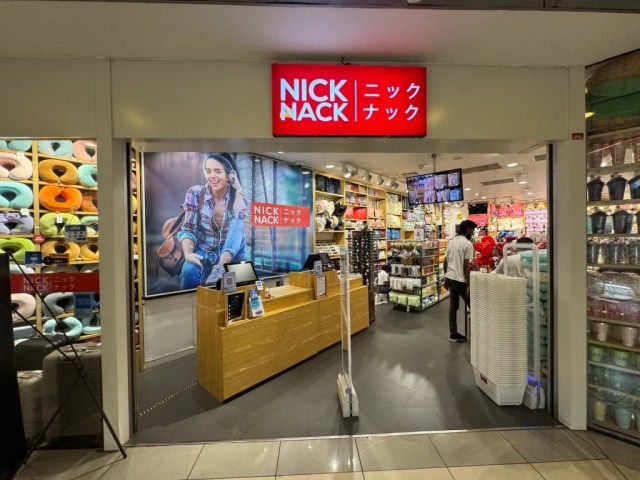
Nicknack is the culmination of layers upon layers of branding quasi-copying, and also home to some very unusual Pikachus.
Our travel-loving Japanese-language reporter Ikuna Kamezawa recently took a trip to Sri Lanka, and while out and about in the capital city of Colombo, she thought she spotted a familiar-looking sign in a shopping mall. The color scheme, font, and mixture of Latin alphabet letters and Japanese katakana script design instantly had her thinking of Uniqlo, Japan’s favorite casual clothing brand.
▼ A Uniqlo sign in Japan
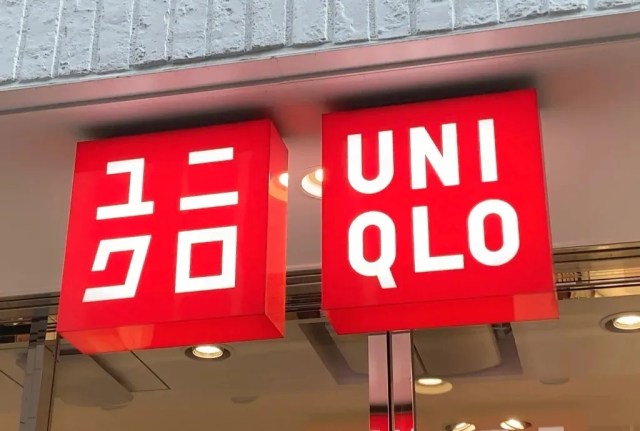
But while there were a lot of design similarities, the actual text itself was different, and the store Ikuna spotted is called Nicknack.
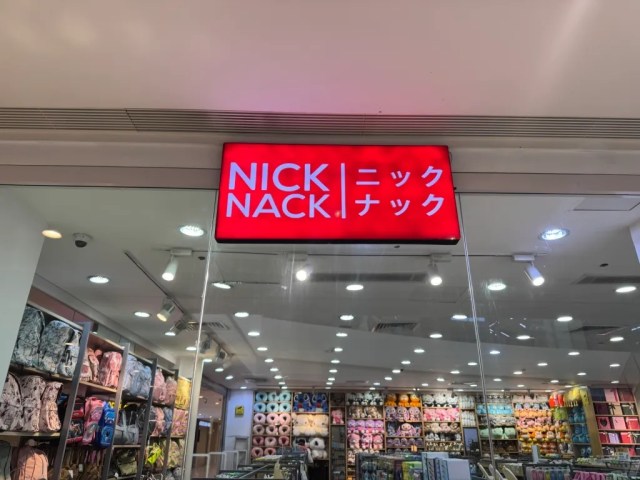
The intent seemed pretty clear. By piggybacking on Uniqlo’s now internationally recognized standards of good quality and value, and sprinkling in some Japanese script to appeal to the worldwide booming interest in Japanese stuff, Nicknack could draw in some extra customers, right? Except, maybe Nicknack isn’t trying to pull of a copycatting ploy…or at least they’re not trying to be a direct Uniqlo knockoff. After spotting another Nicknack branch elsewhere in Sri Lanka, Ikuna decided to step inside…
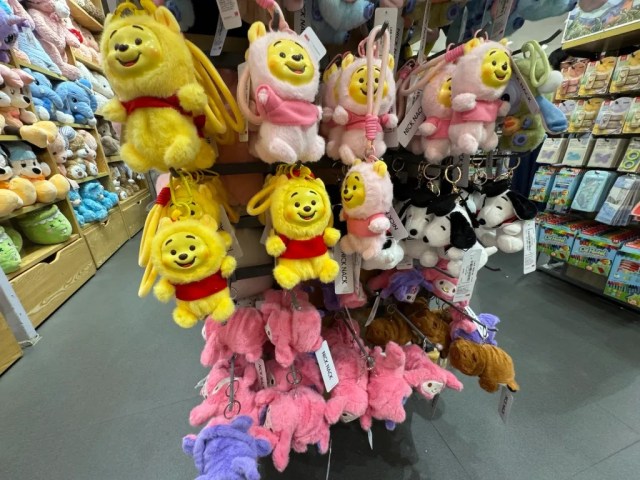
…and learned that Nicknack is actually trying to be a knockoff Miniso.
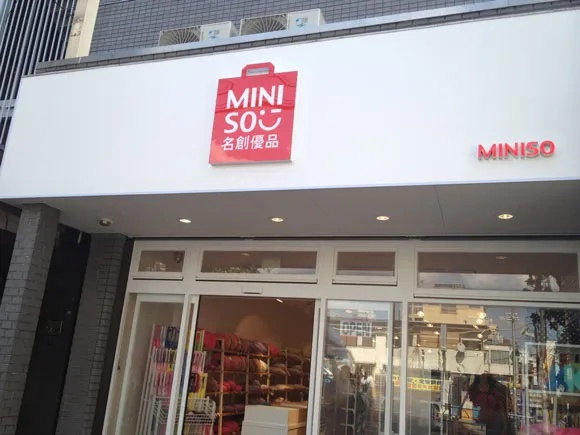
Miniso, also known as Meiso, is a Chinese nicknack and housewares chain founded in 2013, well after Uniqlo was an internationally established brand. In fact, Miniso is a triple helping of vague branding copying, as its “-so” is meant to evoke memories of Japanese 100 yen store Daiso, and its name in Chinese characters, 名創優品, meaning “famed excellent products,” has a lot of linguistic overlap with the in-kanji rendering of Japan’s Mujirushi Ryohin, a.k.a. Muji, which is written in kanji as 無印良品 (“no-brand-marking good products”).
Uniqlo doesn’t have any branches in Sri Lanka, but Miniso does, and Nicknack’s product lineup isn’t trying to mimic Uniqlo’s fast fashion, but instead Miniso’s selection of vaguely Japanese-feeling lifestyle goods and collectibles. This essentially makes Nicknack a copy of a copy, which probably isn’t too pleasing for Miniso’s management, but hey, they started this whole thing, so they don’t have much basis to complain.
▼ Nicknack
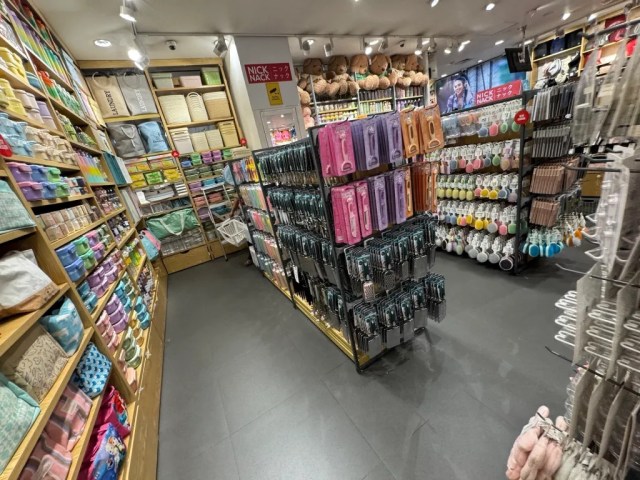
▼ Miniso
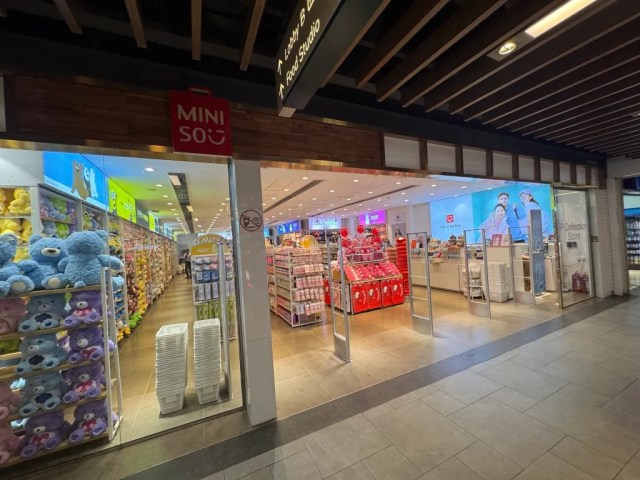
Like Miniso, Nicknack has lots of cute, colorful, and youthfully stylish items, such as cosmetics and character merch. Looking through the shelves, Ikuna found lots of “Sanrio” and “anime” items. Why the quotation marks? Because she’s pretty sure none of it is officially licensed.
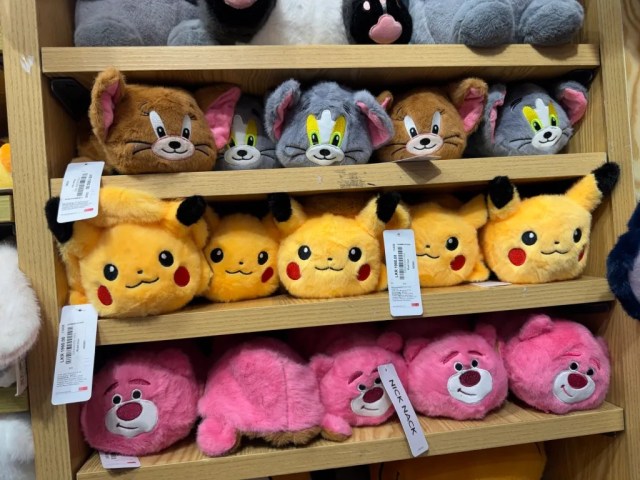
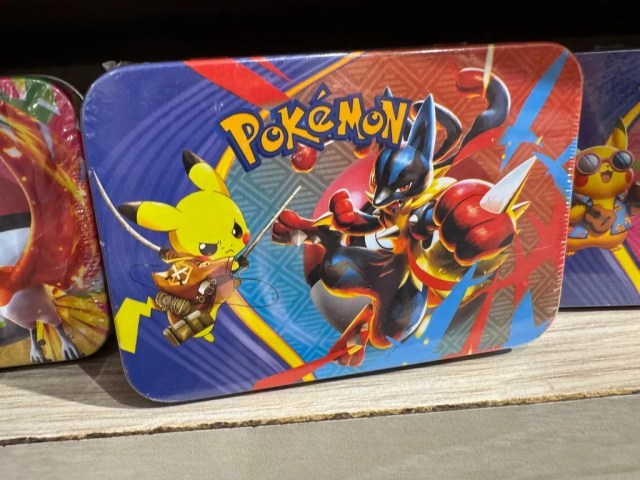
For example, Ikuna prides herself on being pretty knowledgeable about the various Pokémon species, from her experience watching the anime and playing the games. And yet, before setting foot inside Nicknack, she can’t ever recall seeing this ready-to-kill-with-swords Attack on Titan Pikachu…
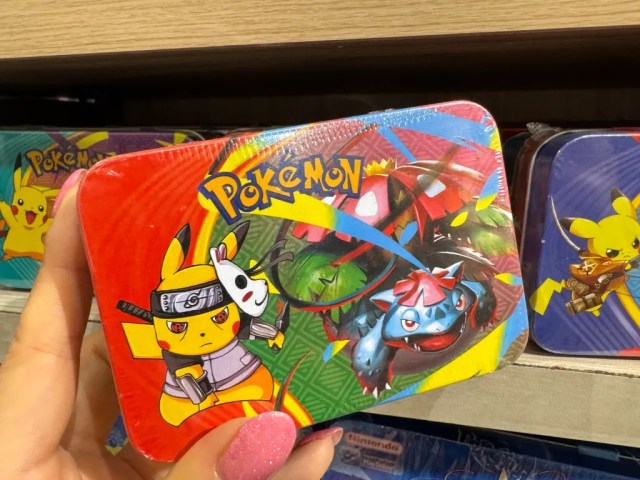
…or this Pikachu sporting the Sharingan eyes of Naruto’s Sasuke.
And while there was a female pro wrestler Pikachu who debuted in the Pokkén Tournament video game, she didn’t have the disturbingly detailed musculature of the one Ikuna encountered at Nicknack.
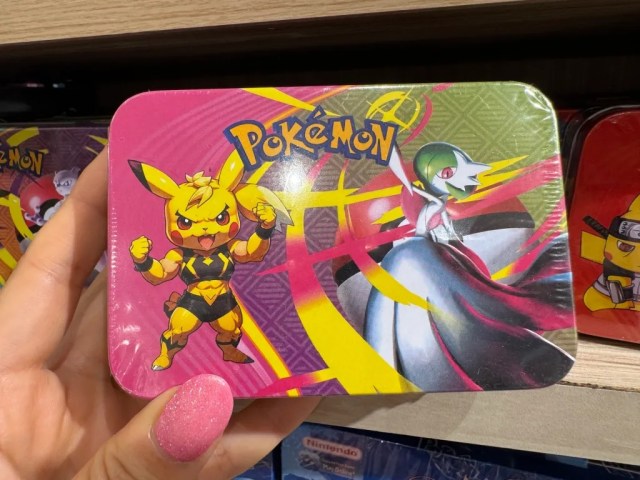
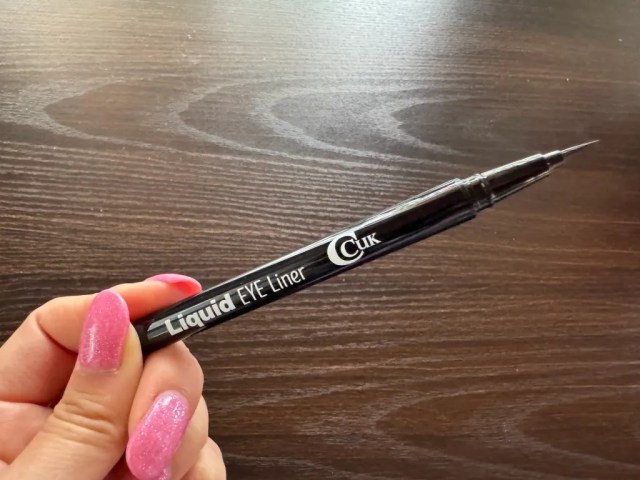
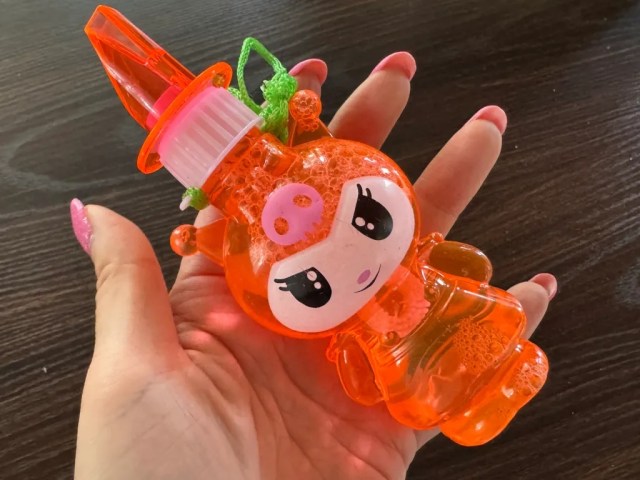
All of these illustrations appeared on mysterious sealed metal canisters which Nicknack was selling for 1,590 rupees, which converts to around 765 yen (US$4.80). That’s not exactly bargain-level pricing, but Ikuna was curious to see what was inside, so she picked one up, and still had enough space left over in her investigative budget to also get a tube of eyeliner (1,450 rupees) and a bubble blower (250 rupees) that borrows very heavily from Sanrio’s Kuromi in its design, but with enough changes to look weird.
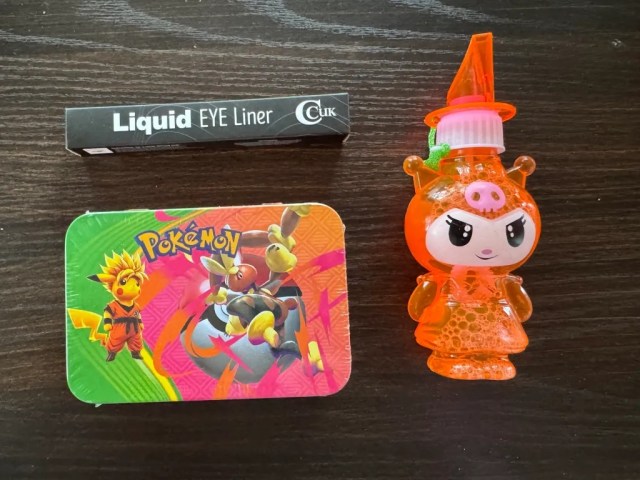
Starting her testing with the eyeliner, Ikuna was rather impressed, as it was easy to apply and looked nice. She’s not sure yet about how long it’ll keep in its container, but so far she has no complaints.
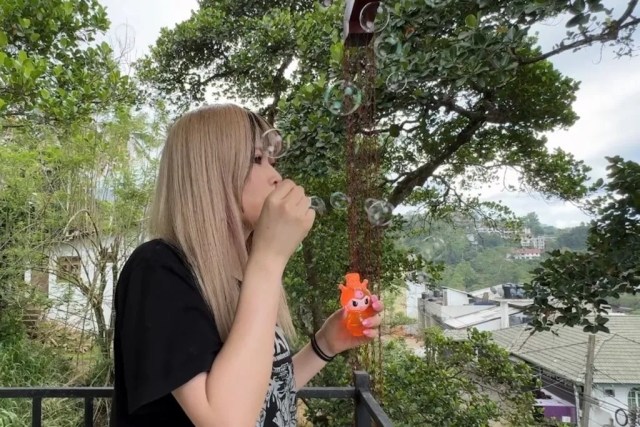
Things went well with “Kuromi” too. Granted, “bubble blower blows bubbles” is a pretty low hurdle to clear, but there were no defects or difficulties that prevented Ikuna from throwing a one-woman bubble party on her hotel balcony.
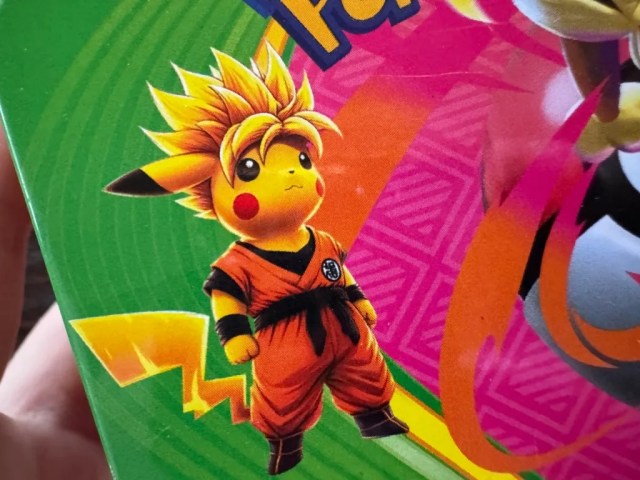
And now for the Pokémon cannister. Although she was tempted by the three unusual Pikachus shown above, in the end Ikuna just couldn’t say no to this Super Saiyajin Pikachu aping the style of Dragon Ball’s Goku.
▼ Can he use a super-effective kamehameha?
So what was inside the tin?
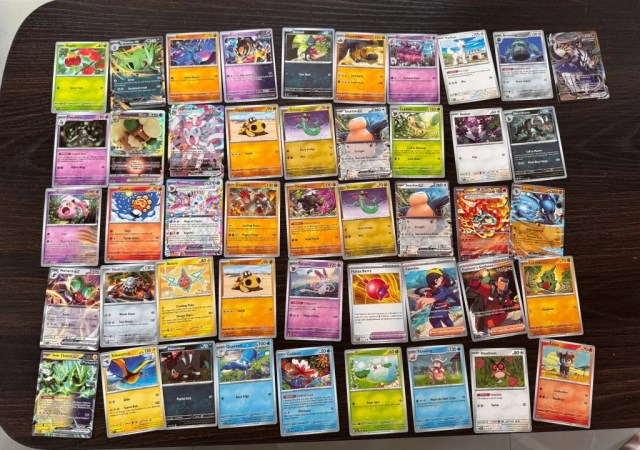
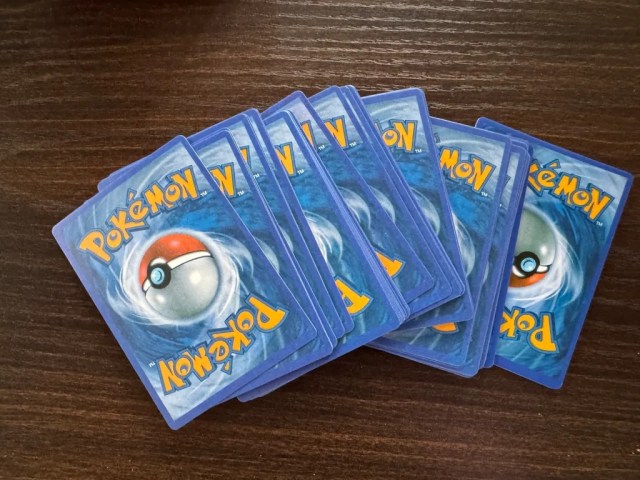
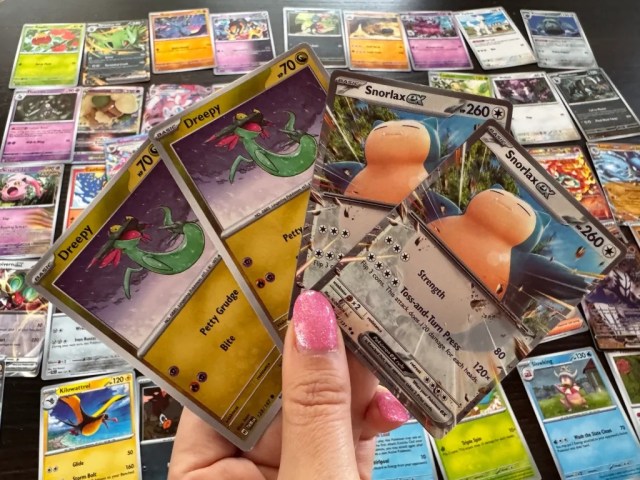
Pokémon cards! 46 Pokémon cards, to be precise…or, again, maybe we should call them “Pokémon” cards.
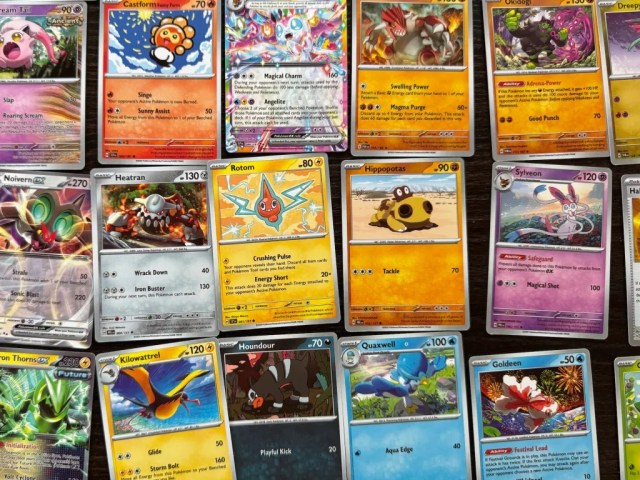
As we mentioned above, Ikuna considers herself a pretty big Pokémon fan, but she’s got little first-hand experience with the card game branch of the franchise.
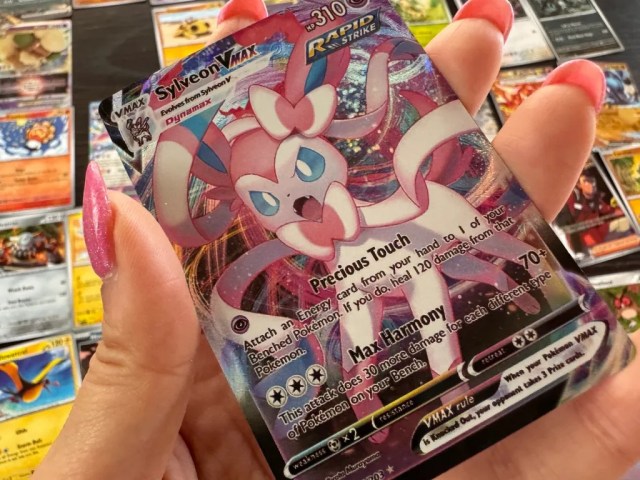
Because of that she doesn’t have the trained eye to tell if these are legitimate cards or bootlegs. We’re going to go out on a limb, though, and guess that they’re not official.
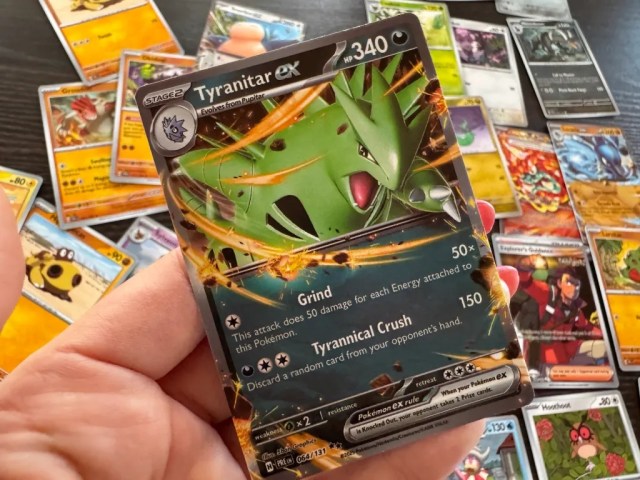
Are they convincing enough forgeries that someone could use them in a game without their opponent noticing anything fishy? Ikuna can’t say, nor can she judge whether or not these are particularly rare or good cards in terms of gameplay strength, though the shiny finish on some of them at least made them feel special.
Still, we’d recommend against bringing these to any official Pokémon Card Game competitions.
Photos ©SoraNews24
● Want to hear about SoraNews24’s latest articles as soon as they’re published? Follow us on Facebook and Twitter!
[ Read in Japanese ]