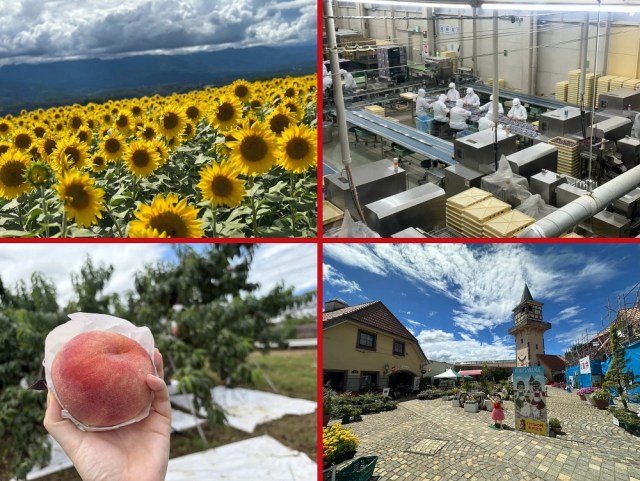
This bus tour wasn’t exactly what we’d expected, but it turned out to be something we wanted.
“Shinjuku-Departure Sunflowers & Peach-picking & All-You-Can-Pack Kikyo Shingen Mochi & Heidi Village.”
With a name that thorough, our Japanese-language reporter Asami Oshima figured she knew exactly what was going to be in store for her on this bus tour that departs from the Shinjuku neighborhood in downtown Tokyo and takes travelers on a day-trip to Yamanashi Prefecture. And yet, there still turned out to be some surprises waiting for her.
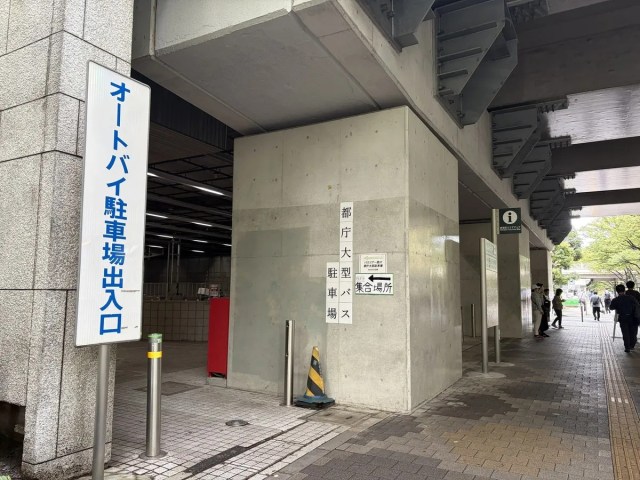
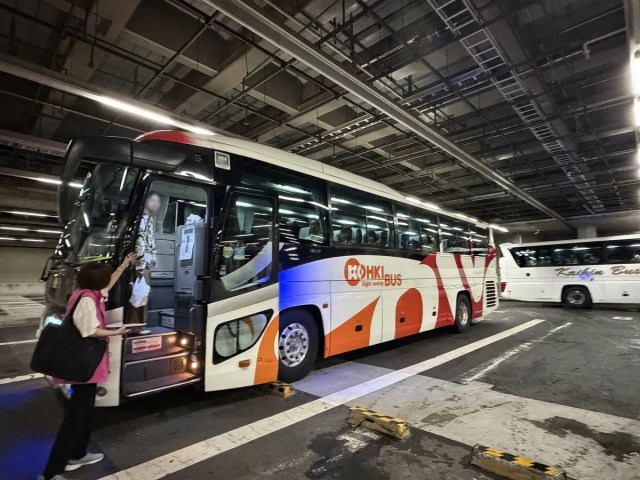
Asami’s trip started from the Tocho Large Bus Parking Lot, located near the Tokyo Metropolitan Government Building (Tocho), to the west of Shinjuku Station. There were about 50 people taking part in the tour this day, and though the scheduled departure time was 7:40 a.m., the group was punctual enough that everyone was present and checked in early, so they got moving at 7:35.
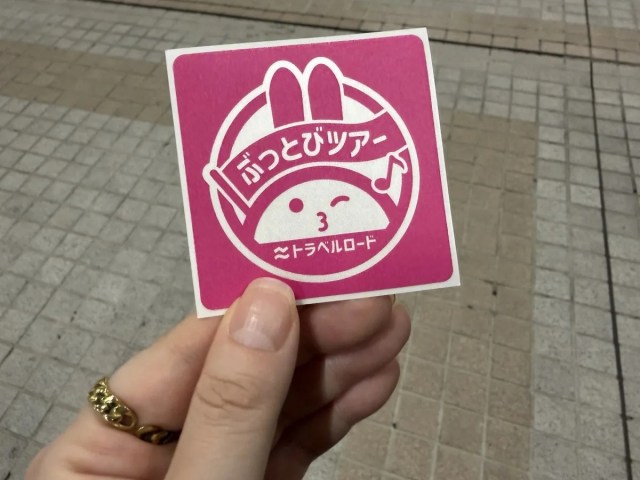
▼ The sticker from tour operator Travel Road’s Buttobi Tours (“Hopping Tours”), identifying Asami as a member of the day’s group.
It’s about a 90-minute drive from Tokyo to the peach farm that was the first stop on the itinerary. After an hour on the road, they stopped at the Dangozaka Service Area highway rest stop in Uenohara, Yamanashi, so that anyone who needed to could use the bathroom or stretch their legs.
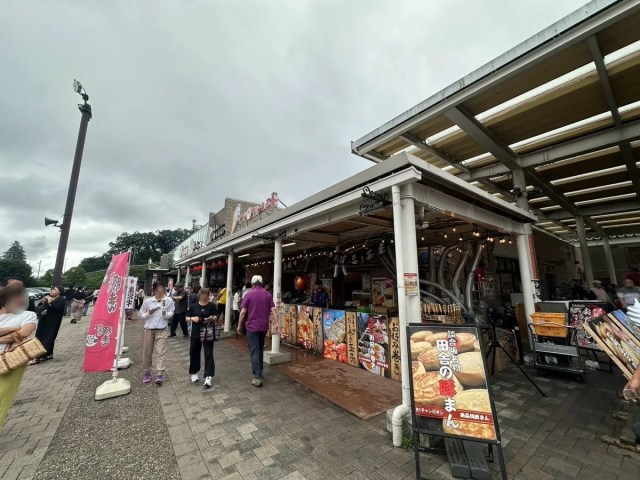
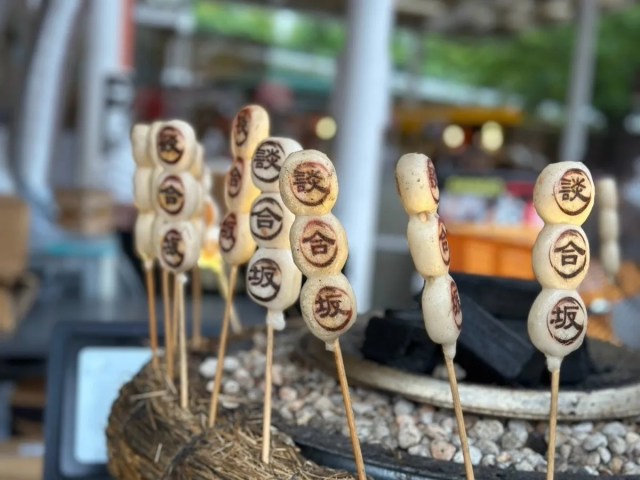
Like most rest stops of at least average size in Japan, the Dangozaka Service Area has a lot of tempting food options. Walking around, Asami was strongly tempted by the skewered mochi dumplings and wagyu on offer, but she resisted the urge to start stuffing her face, since she knew there was going to be plenty of food to come later in the day.
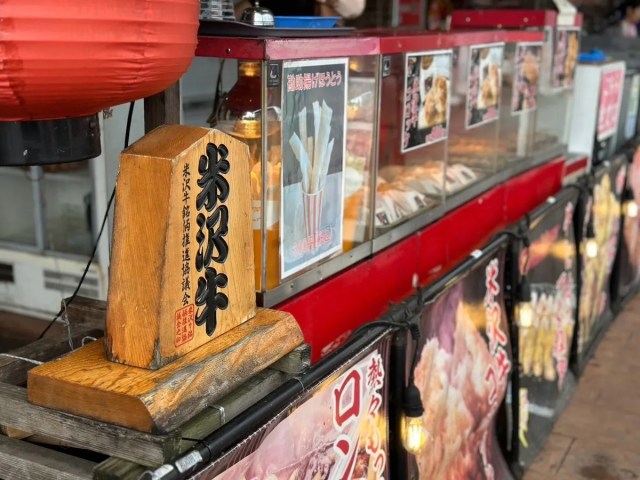
After the 20-minutes break, the bus rolled out again, and at 9:35, they arrived at Watanabe Farm in the town of Fuefuki.
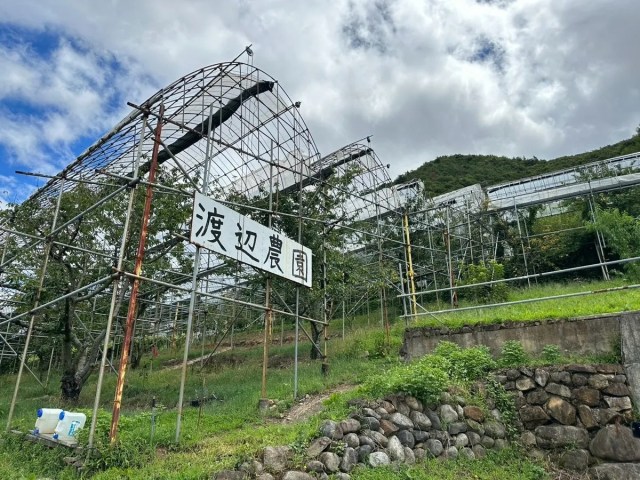
▼ From Tokyo to Watanabe Farm
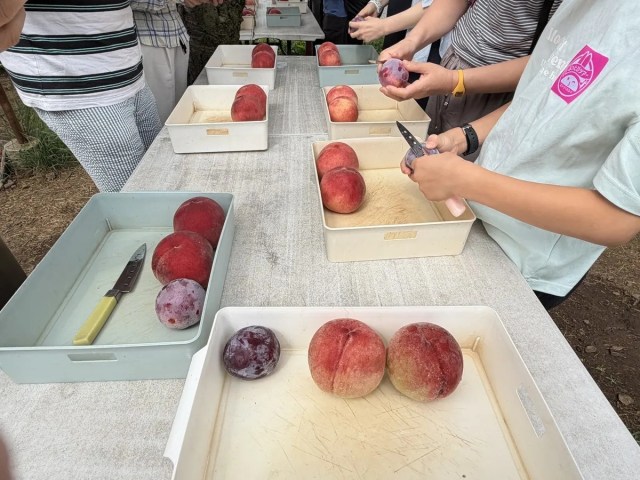
This is where the group was supposed to pick peaches, which Yamanashi is famous for, and also be able to eat as many as they wanted within a set amount of time. After getting off the bus, Asami assumed that they were going to be led into the orchard, but instead the group was guided to an array of outdoor tables that already had crates of peaches, and plums too, on them.
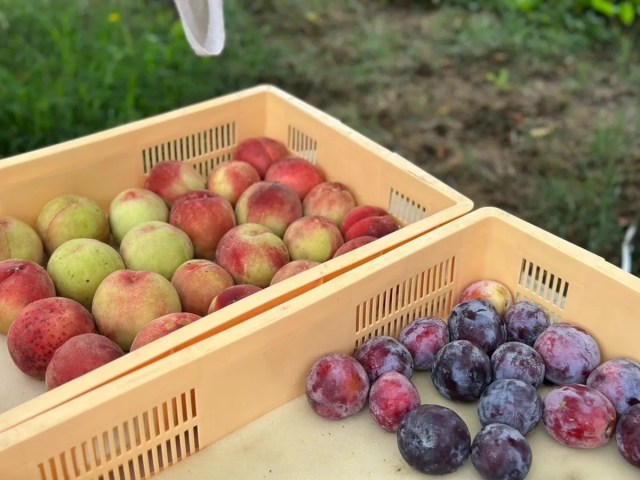
It turned out that the fruit for the all-you-can-eat session had already been picked ahead of time for the group, so instead of grabbing them off the trees, you selected them from the crates, then peeled and sliced them for yourself.
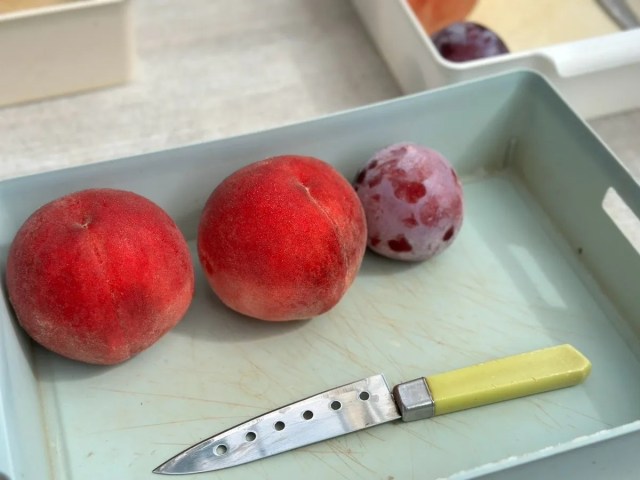
This isn’t the way fruit-picking activities are usually done in Japan, but everything did taste good, and no time spent picking meant more time for eating. It did feel a little surreal, though, to be part of such a large group of people single-mindedly and diligently peeling and munching on fruit for 30 minutes.
Once the half-hour was up, though, there was time for some actual fruit picking. Everyone got back on the bus and rode five minutes to the orchard, where they were allowed to pick one peach each.
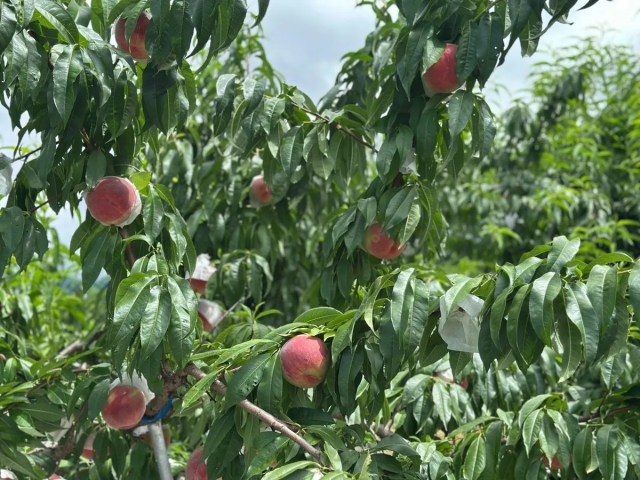
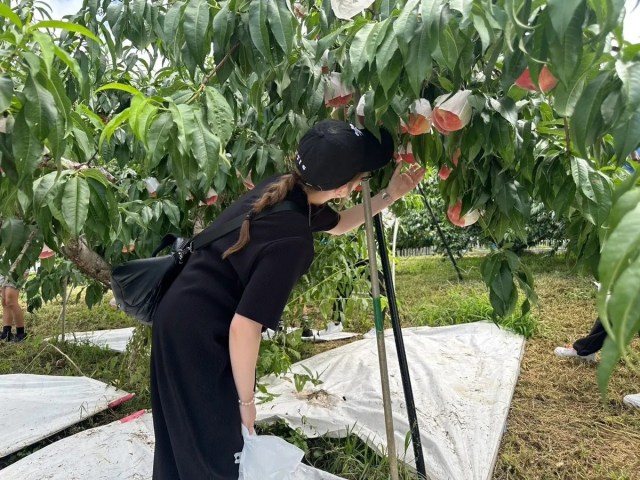
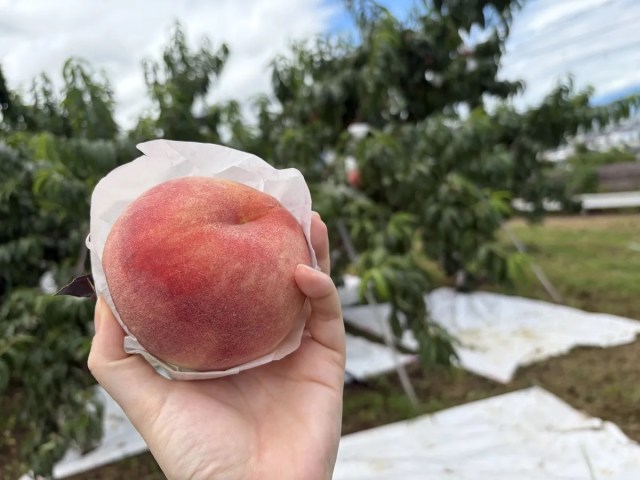
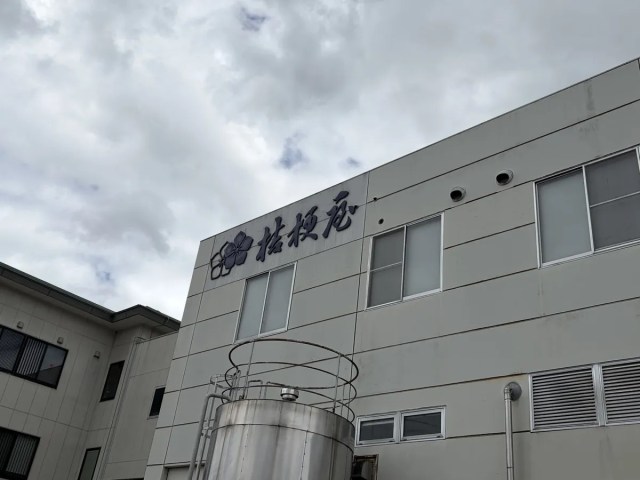
Their next stop was also located in Fuefuki, the Kikyo Shingen Mochi Theme Park.
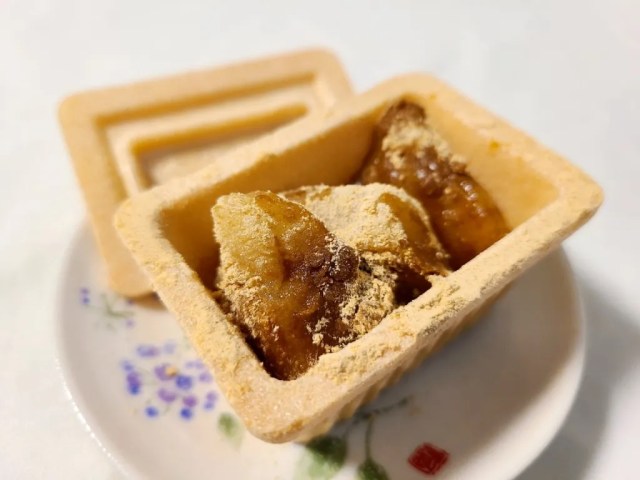
Shingen Mochi is Yamanashi’s representative confectionary, a sort of jiggly mochi dusted with a large amount of kinako (roasted soybean powder) and drizzled with a sweet, sticky brown sugar sauce.
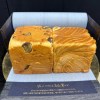
▼ The standard Shingen Mochi comes in a plastic container, but there’s also a special version with an edible wafer shell.
Here, again, the terminology is kind of confusing, since the Kikyo Shingen Mochi Theme Park isn’t what most people would call a theme park. Instead, it’s a Shingen Mochi factory that offers tours that show how the sweets are made.
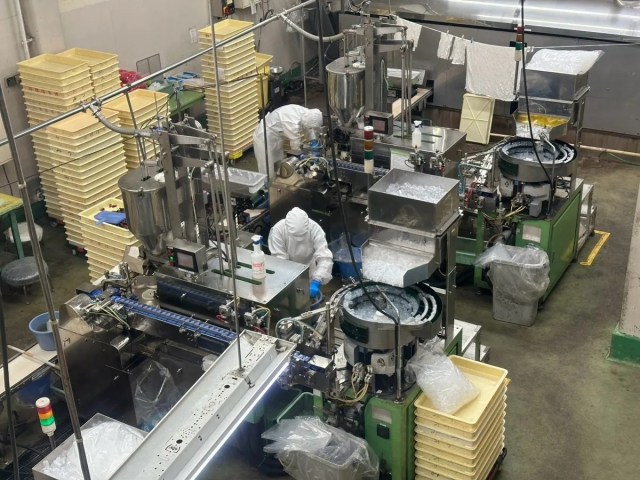
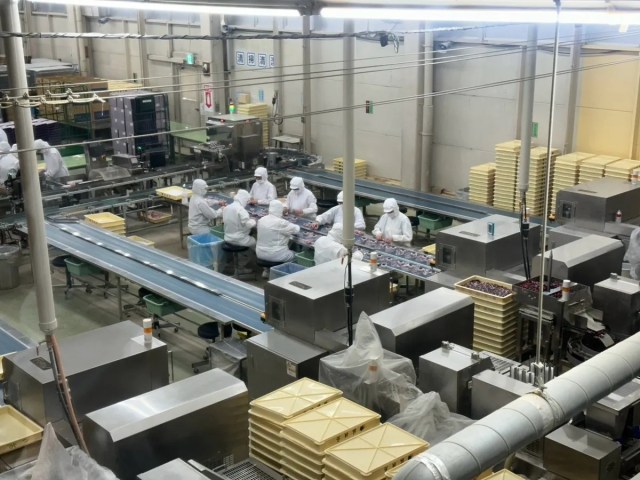
Guests can also try their hand at packing Shingen Mochi into a bag, and can keep as many as they can fit in as long as the top can still be tied shut.
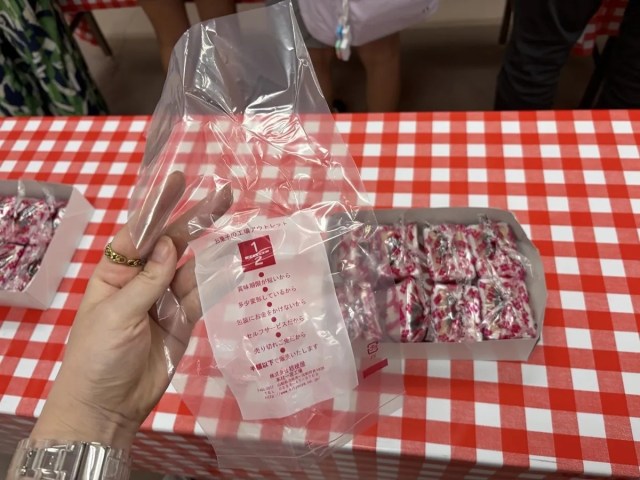
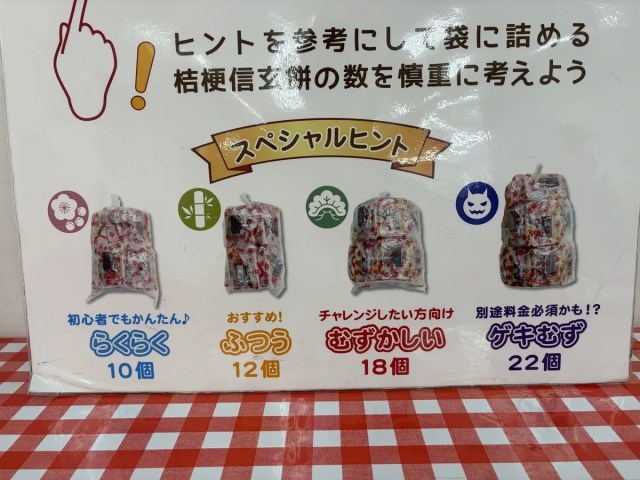
Everyone starts off with eight Shingen Mochi packs to put in their bag, and some truly tactilely talented visitors have been able to stuff 22 inside, as shown in the example placard.
However, while ordinarily purchased Shingen Mochi will keep for a little longer, the staff informed the tour participants that the sweets they could pack into their bags had a best-by date of the following day. Hearing this, Asami felt a little bummed that she wouldn’t be able to build up a war chest of desserts to snack on at her leisure over the coming week.
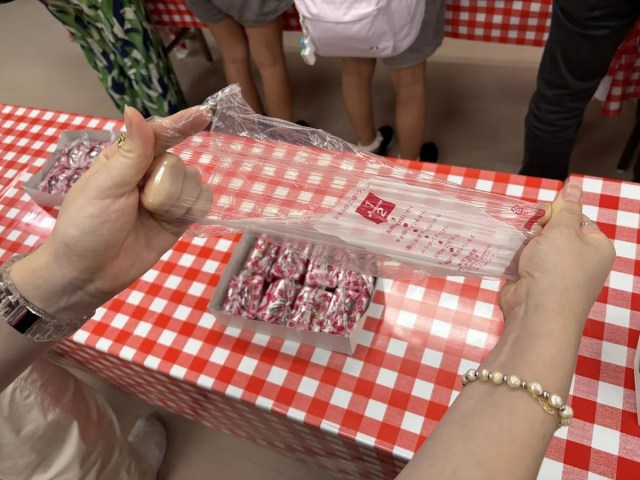
And yet, as she followed the advice provided by their guide and began stretching the bag with her hands to get it to loosen up and hold more mochi, she felt herself getting a little giddy at the prospect of seeing how many she could claim.
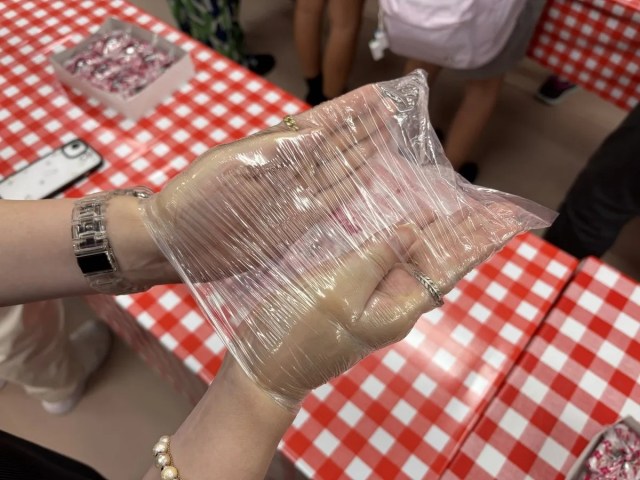
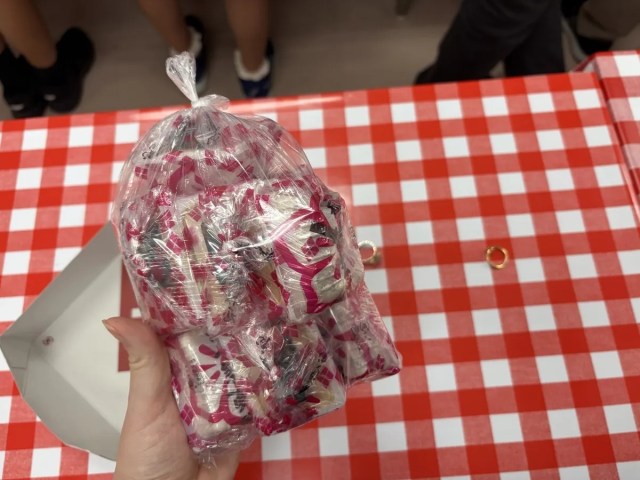
In the end, she managed to fit 10 inside, plenty for her to enjoy for herself and still have enough to pass off to friends or coworkers the next day as souvenirs.
After leaving the mochi factory, it was about a half-hour ride to Heidi Village.
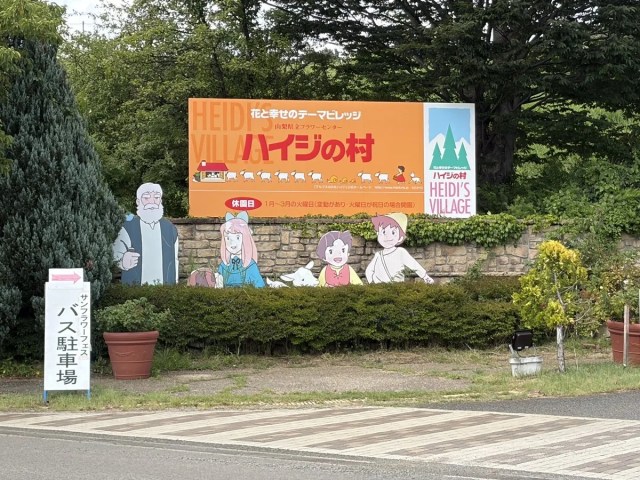
This actually is sort of like a theme park, though a quaint, countryside one with shops and restaurants instead of parades and roller coasters. The Heidi novel was adapted into a year-long anime TV series in 1974, with soon-to-be-famous industry giants like Studio Ghibli co-founders Hayao Miyazaki and Isao Takahata, plus Mobile Suit Gundam creator Yoshiyuki Tomino, contributing to the production, and the character has remained a beloved pop cultural icon ever since.
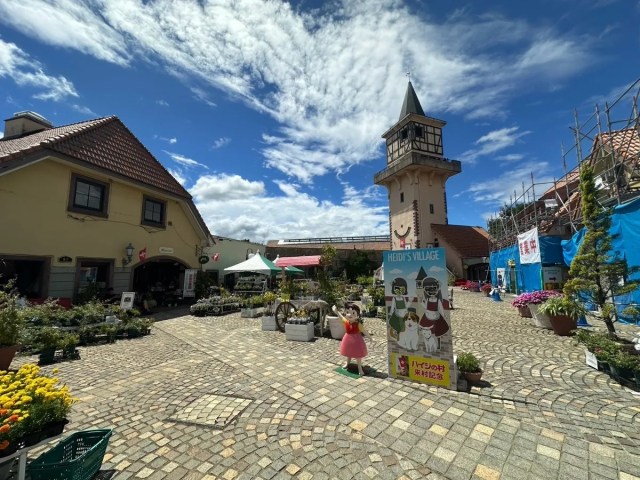
However, Heidi, both the book and the anime, take place in the Swiss Alps. There’s no connection between the story and Yamanashi, and the placement of the park seems to be a result of Yamanashi being a fairly mountainous prefecture.
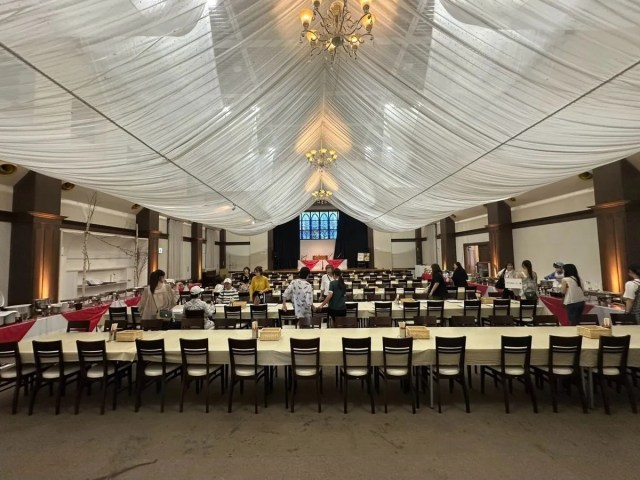
Similarly, the lunch buffet that Asami and her fellow travelers were here for wasn’t necessarily an edible snapshot of traditional Swiss cuisine. There was pot-au-feu, which is actually French in origin…
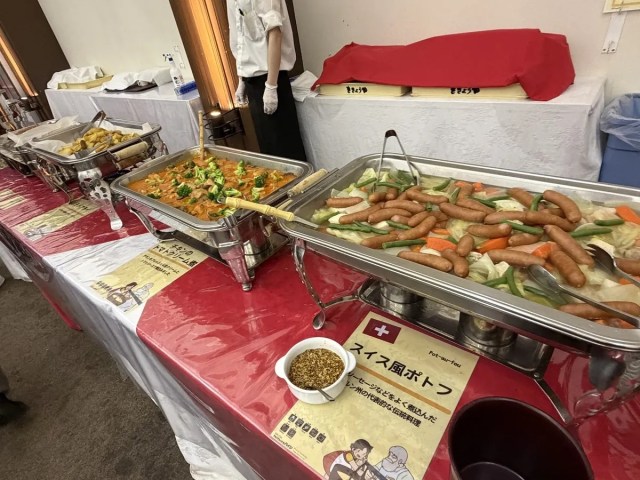
…and the fluffy rice omelet and karaage fried chicken are mainstays of modern Japanese cooking.
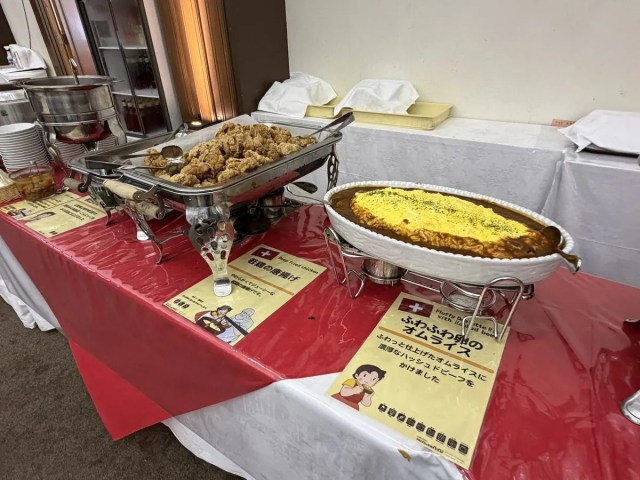
With the dishes themselves not being particularly exotic or unique, Asami, who generally hasn’t had good experiences in terms of buffet quality, mentally came to the preliminary conclusion that this wasn’t going to be a very tasty meal. After taking her first actual bite, though, she promptly ate her words, as everything turned out to be incredibly delicious, with her favorite of the bunch being the juicy, flavorful karaage (which, again, has no connection to Heidi).
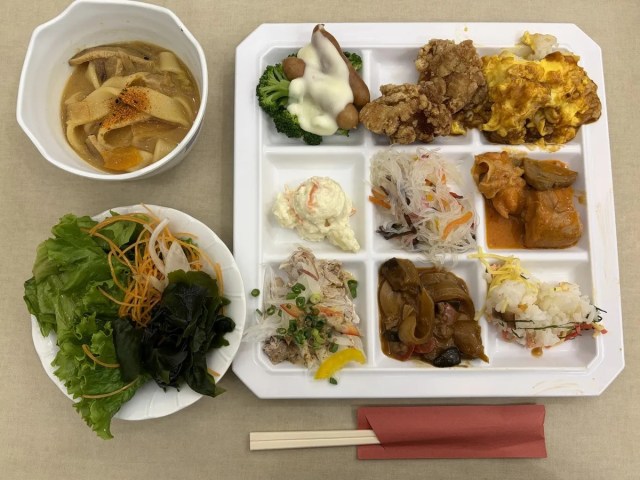
Lunch finished at 2 o’clock, after which the group was free to explore the area at their own pace. Asami took a little time to look at some of the Heidi exhibits.
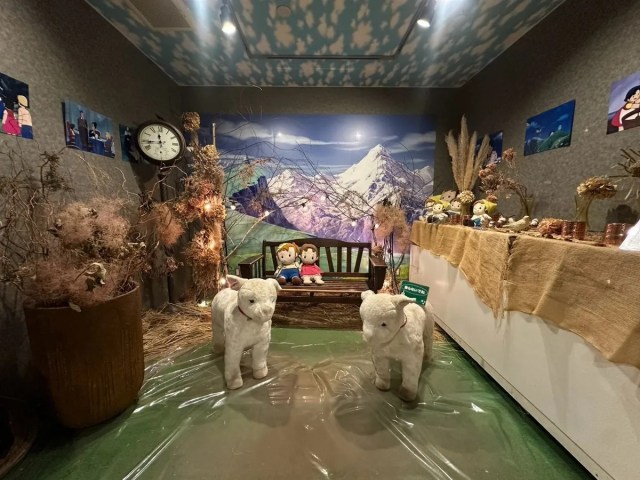
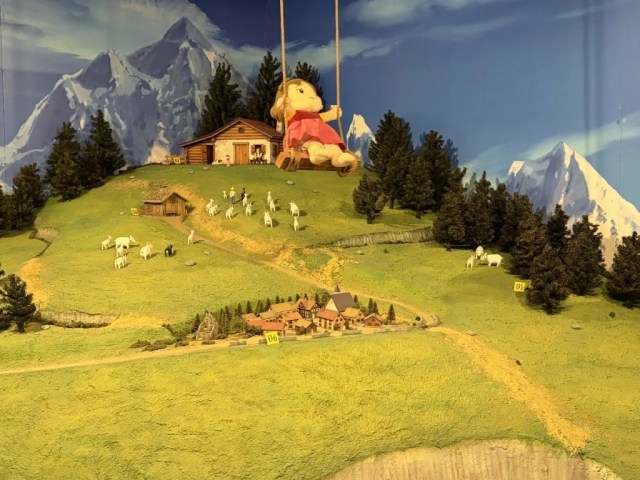
But before long she walked on over to…
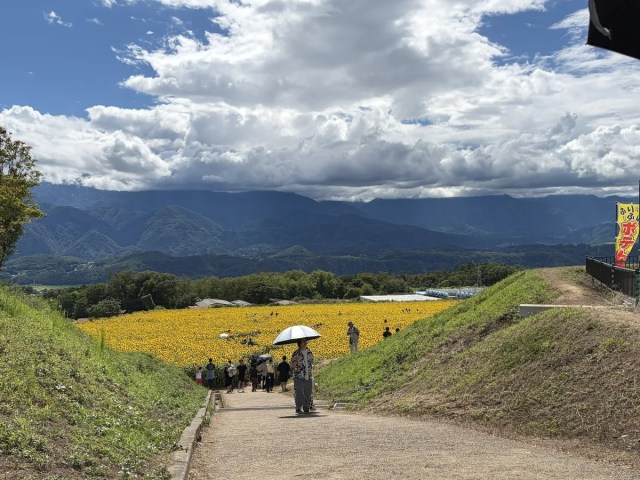
…Heidi Village’s gigantic sunflower field!
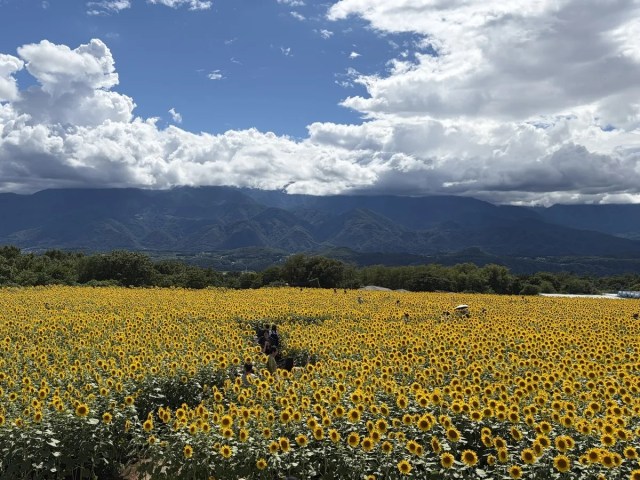
With a semicircle of clouds shading part of the landscape but still a large enough patch of blue sky for sunlight to come streaming down from, Asami was able to get some great photos with the flowers’ colors really popping.
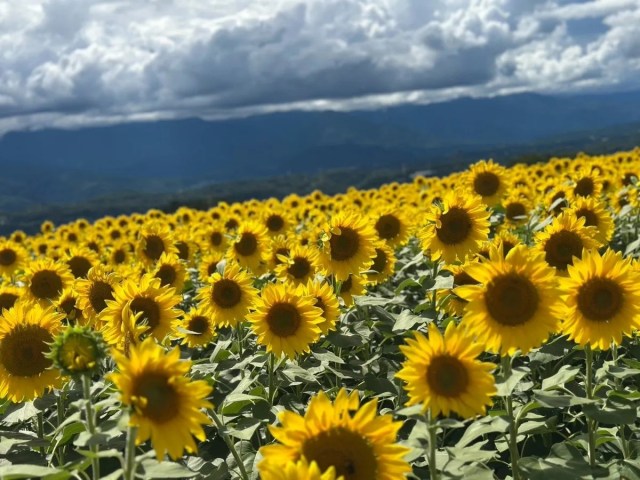
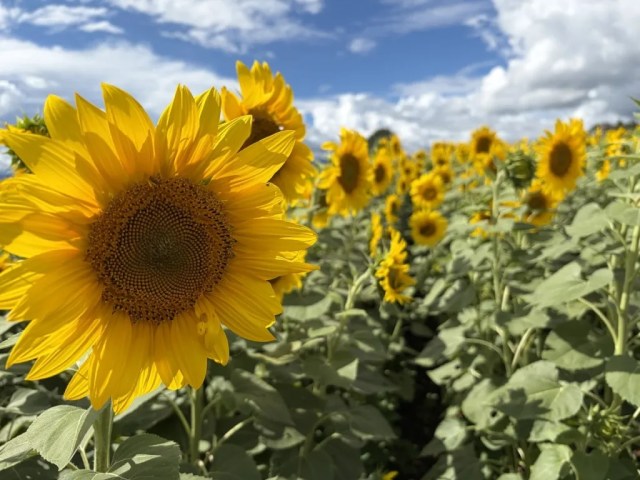
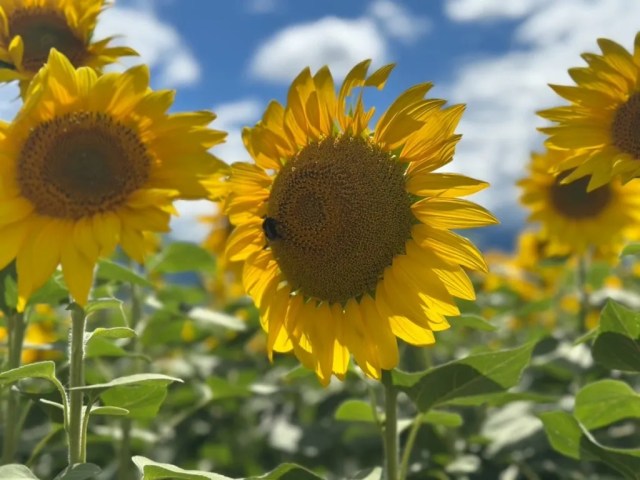
At 3 p.m., it was time to board the bus for the ride back to Tokyo, and at 5:50, Asami was back in Shinjuku.
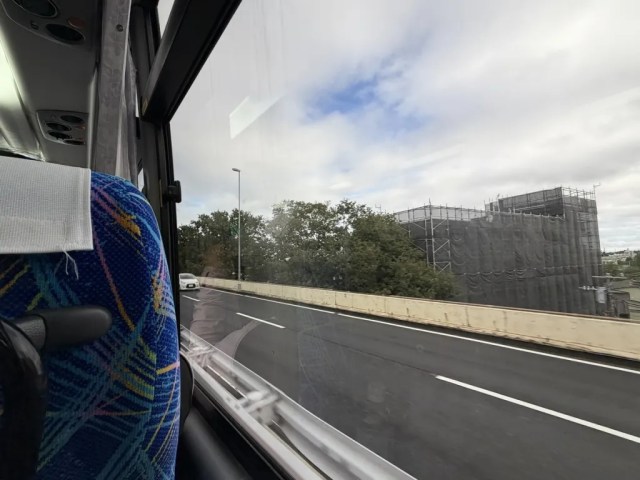
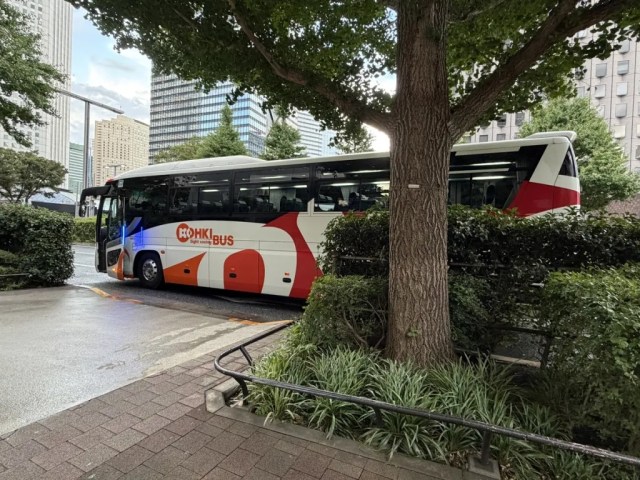
All in all, it had been an unusual string of things not being exactly what Asami had expected. That doesn’t mean that she was overall disappointed, just that, despite her impression of bus tours as being a very predictable way of sightseeing, there turned out to be a lot of surprises, and the eclectic mix of experiences turned out to be a very enjoyable way to spend the day.
It wasn’t bad pricewise, either. Exact prices vary by date, but Asami’s tour cost her 8,290 yen (US$52). Considering that that included all of her transportation costs, the lunch buffet, the fruit brunch, and the Shingen Mochi desserts to take home, it felt like a good deal to her, and Asami thinks there are probably going to be more bus tours in her future.
Related: Travel Road day-trip bus tour website, Watanabe Farm, Kikyo Shingen Mochi Theme Park, Heidi Village
Photos ©SoraNews24
● Want to hear about SoraNews24’s latest articles as soon as they’re published? Follow us on Facebook and Twitter!
[ Read in Japanese ]