

On August 11, Record China published an article based on essays written by Chinese students after their first visit to Japan. The piece, titled “How Japanese People Interpret Laws,” mainly focused on the students’ impressions of Japanese roadway rules and regulations and how strictly they are followed.”
Those readers who have had the chance to experience Japanese motorways might not have found the streets very safe at all. Narrow roads often mean narrow escapes from clogged intersections as pedestrians weave in-between eco-delivery bicyclists and taxi cabs. But compared to the hustle and bustle of mainland China, where the rules of the road mean every man for himself, Japan may very well seem an extremely tame, if not complacent, environment.
Though the walking speed of Tokyoite salarymen during their morning rush came as a bit of a surprise, the Chinese school children were even more shocked to see how Japanese people followed traffic laws so faithfully. Even when there were no cars present, pedestrians remained in their proper place at the edge of the sidewalk and waited for their light to turn green.
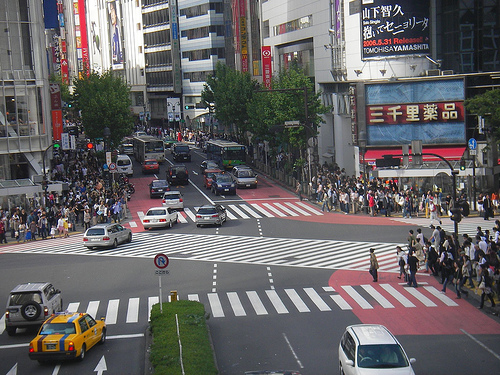
But why do they wait their turn to cross when there is no present danger? While living and working in Japan, it’s a common sight to see young Japanese children heavily policed when crossing the road, whether by parents or teachers. In fact, it’s cute to see the little ones listen to their teachers’ advice and raise their hands when crossing any street so as to be more noticeable to drivers. But though traffic safety is indeed taught at a very early age in Japan, the same principles are taught to young Chinese children, as well. And yet, as they grow older, people in China ignore the crosswalk directions and go whenever and wherever they can find a space.
It’s not the traffic laws themselves, but rather the attitude toward and consciousness of rules in Japan that differs so distinctly from China. The Record China report explained that Japanese people think of laws as things that are guided and enforced by the people, more so than even the government. They take it upon themselves to ensure that the rule of law is followed and take personal offense when someone violates that self-imposed responsibility. This sense of society, while impressive and truly inspiring in some ways, can also lead to tremendous pressure on the individual.
There’s a stereotype that Japanese people are incredibly humble and overly-apologetic. Sadly, there are definite, documented cases where this is true. During an incident a while back, a young Japanese traveler was kidnapped by terrorists in Iraq and killed. In the video that the terrorists recorded, the kidnapped boy apologized for “causing trouble.” Despite the horrific circumstances, the boy’s family was even publicly censured in Japan for their failure to take proper precautions and follow the laws set in place for their protection. In effect, the victims were pressured into apologizing for the incident due to the rigid sense of communal righteousness.
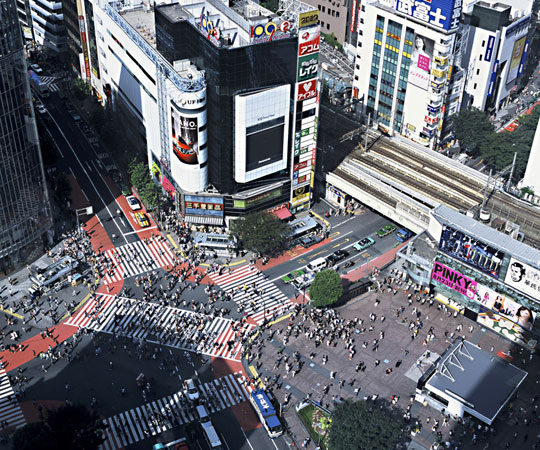
Nowadays, Japan firmly believes that citizens who do not uphold the law of the land are tantamount to criminals themselves, according to the Chinese news source. Though the commentary might sound a bit harsh, it does bring up a valid point about Japanese society. Even as a foreigner living overseas, there are times when you can feel the watchful gaze of the people checking to see if you’re doing things in the correct and proper way. This tremendous social and mental pressure instilled within the Japanese populace and extended throughout all the people who live within its island borders, keeps people in line and on the sidewalk.
Source: Yahoo!News Japan
Top image: LizzAubrey
Inset images: theworldisnotflat, Tokyo Five
 14 things never to do on a bicycle in Japan with new traffic laws
 Japan Gets Tough on Cyclists Violating Traffic Laws. Jail Sentence for Heavy Offenders?
 “Conbini warp” an increasing traffic problem for businesses and authorities across Japan
 Police to ticket cyclists riding on sidewalks, which amounts to almost all cyclists in Japan
 Japanese survey finds only 23 percent of vehicles stop for pedestrians at crosswalks
 Japanese trains in Sapporo might be better than those in Tokyo, thanks to one special feature
 Lawson convenience store at popular tourist site is one of the most unusual in Japan
 Downtown Tokyo’s meaty monster Kaibutsu ramen will challenge your stomach, thrill your taste buds
 Drink vending machines disappearing in Japan as number drops to lowest in 30 years
 30 Pikachus want to share a Tokyo hotel room with you that has separate Grass, Water, Fire spaces
 Studio Ghibli celebrates the magic of movie theaters with short video, Hayao Miyazaki illustration
 Why is Yoshinoya called Yoshinoya?
 Squat toilets’ popularity fading as parents call for them to be abolished in Japanese schools
 Travel to a Japanese convenience store at an active volcano
 Taste-testing Japan’s three biggest convenience stores store-brand cup ramen【Taste test】
 Japan reportedly adding Japanese language skill requirement to most common foreigner work visa
 Mt. Fuji decorated with a 500,000-flower pink carpet is Japan’s ultimate spring view
 Pokémon and Ikea Japan cross over into each other’s worlds with collaboration events
 Starbucks Japan closing only Shinkansen platform branch for popularity-triggered renovations
 You can assemble a well-balanced team of Pokémon, them eat them, thanks to Japanese cake chain
 Man bites woman at cherry blossom park in Japan, dies shortly after
 7-Eleven Japan’s new baked-in-store sweet treat is only available in three parts of the country
 Peanuts and Coke becomes a viral hit in Japan, but is it a trend worth joining?
 Japan now has a special desk for people who work at home with a pet cat[Photos]
 Famous Tokyo cherry blossom spot installs view-blocking screens to fight overcrowding[Video]
 Uniqlo announces new T-shirts for One Piece, Naruto and more for manga publisher’s 100th birthday
 Train station platform ramen store closes its doors on half a century of history in Tokyo
 Starbucks Japan releases new My Fruit³ Frappuccino at only 34 stores around the country
 Krispy Kreme releases Super Mario doughnuts in Japan for a limited time
 Japanese onsen egg maker from 100-yen store Daiso needs to be on your shopping list
 Survey asks foreign tourists what bothered them in Japan, more than half gave same answer
 Japan’s human washing machines will go on sale to general public, demos to be held in Tokyo
 Starbucks Japan releases new drinkware and goods for Valentine’s Day
 We deeply regret going into this tunnel on our walk in the mountains of Japan
 Starbucks Japan releases new sakura goods and drinkware for cherry blossom season 2026
 Studio Ghibli releases Kodama forest spirits from Princess Mononoke to light up your home
 Japan’s newest Shinkansen has no seats…or passengers [Video]
 Major Japanese hotel chain says reservations via overseas booking sites may not be valid
 Put sesame oil in your coffee? Japanese maker says it’s the best way to start your day【Taste test】
 No more using real katana for tourism activities, Japan’s National Police Agency says
 Osaka police to start patrolling on motorized kick scooters
 Should you drive through a red traffic light like this in Japan? Confusing road rule explained
 Woman charged for driving suitcase without a license in Osaka
 Chinese drivers flocking to Japan for quick and easy route to international licenses
 Why are the roads so wide in Hokkaido? Simple question has a simple answer
 Chinese government tells citizens to not travel to Japan during Chinese New Year
 Foreign driver’s license conversion test passes plummet from over 90% to 33% in Japan
 Okayama ninja video credited with drastically improving traffic manners
 People wowed by Japanese road signs that change automatically in seconds 【Videos】
 Only 30 percent of Japanese drivers stop for pedestrians at crosswalks, survey says
 Confused Japanese consumers want an answer: Where is “P.R.C.”?
 What’s it like to be a working mother in China? We asked a Chinese mom
 Japanese car rentals including stickers that read: “A foreigner is driving”
 Chinese social media urges people to cut up surgical masks before disposing of them, but why?