With its massive urban sprawl and busy streets, Tokyo doesn’t exactly seem like the kind of place you would find farmland, but Tokyoites are waking up to the fact that growing your food closer to home means more food security and less pollution from transport. The problem is finding the space in the city and cultivating–if you will excuse the pun–the expertise. But where there is a will, there is a way, and some Japanese have found truly ingenious ways to bring farming to the big city.
Pasona O2 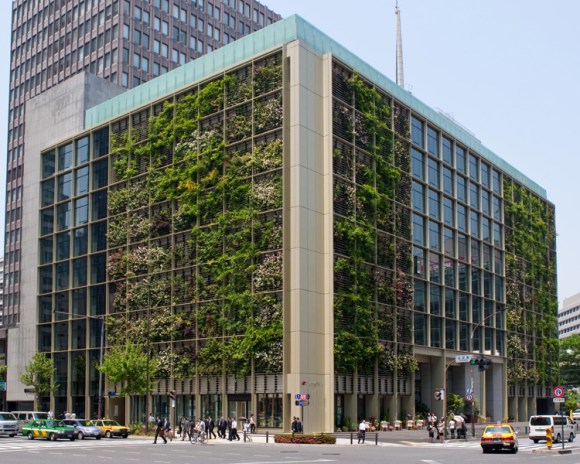
Pasona is a major staffing and recruitment company in Japan and their headquarters in the business district of Otemachi is a clear representation of their green ethos. The building is literally sprouting leaves.
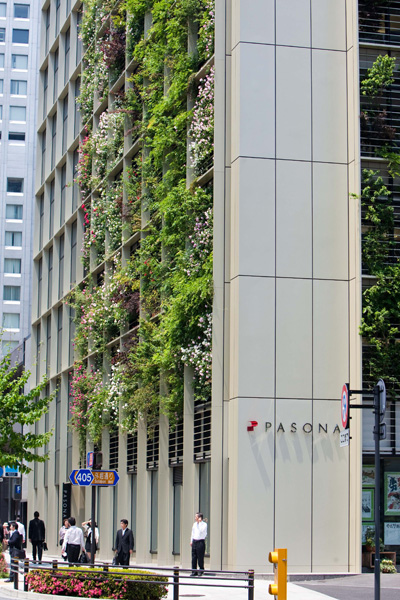
Formerly a bank, the building was extensively renovated by Pasona and designers Kono Designs to create a double skinned green facade, offices, an auditorium, cafeterias, a rooftop garden and urban farming facilities integrated into almost every aspect of the building.
The project aims to bring the farm to the office, as well as to educate their employees and the local public about agriculture. Here’s an excerpt from the Kono Designs website:
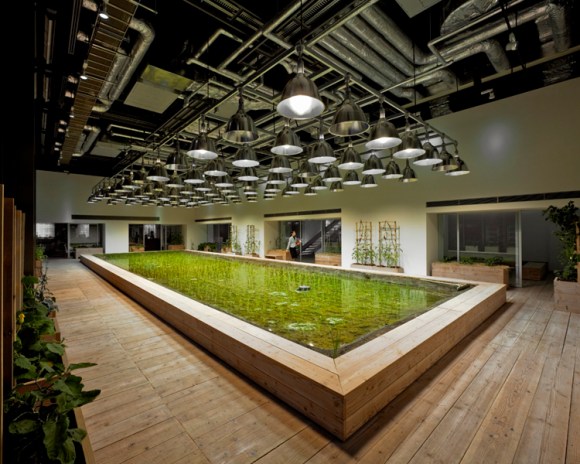
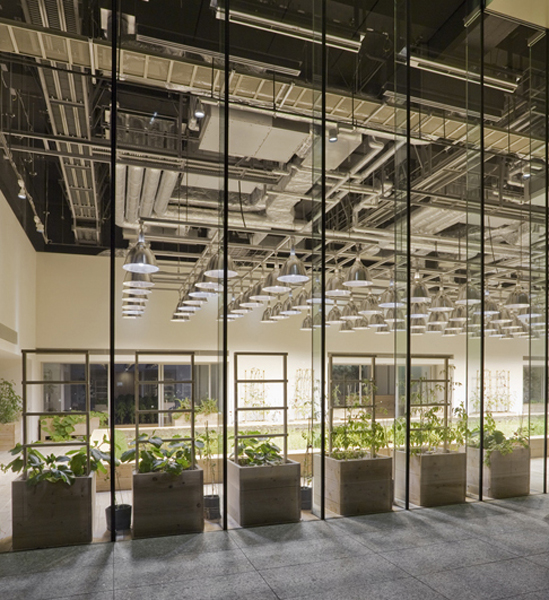
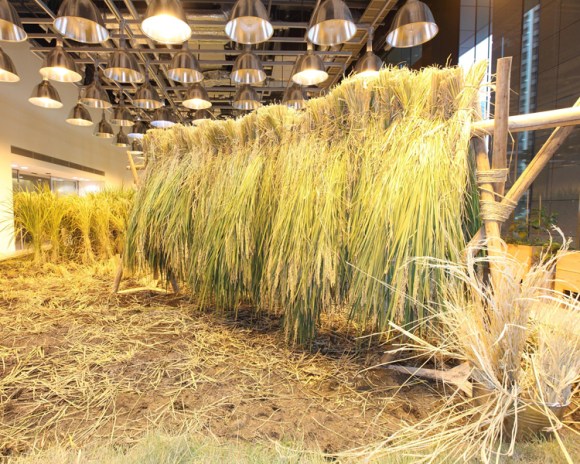
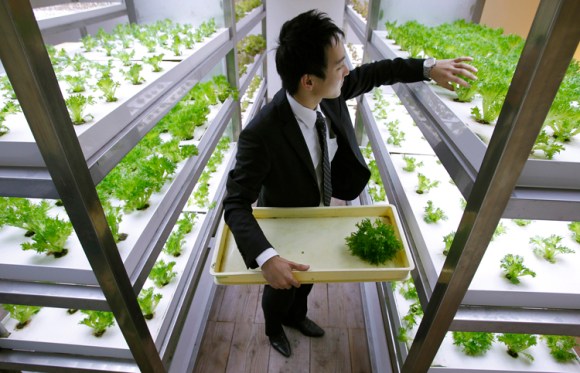
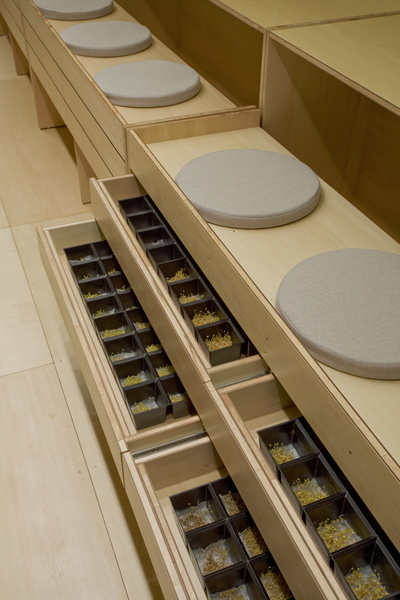
Using both hydroponic and soil based farming, crops and office workers share a common space. For example, tomato vines are suspended above conference tables, lemon and passion fruit trees are used as partitions for meeting spaces, salad leaves are grown inside seminar rooms and bean sprouts are grown under benches. The main lobby also features a rice paddy and a broccoli field. These crops are equipped with HEFL, fluorescent and LED lamps and an automatic irrigation system. An intelligent climate control monitors humidity, temperature and breeze to balance human comfort during office hours and optimize crop growth during after hours. This maximizes crop yield and annual harvests. Seasonal flowers and orange trees are planted on the balconies between the double skinned facade, partially relying on natural exterior climate to showcase changing of leaves and colors to the exterior facade. All plants are maintained and harvested by Pasona employees with the help of an agricultural specialist.
All of the food grown at Pasona O2 is consumed in the company cafeteria, something that has proved wildly popular with the employees. In fact, the greenery has been said to increase workers’ productivity and improve mental health as well. And the communal work of caring for the 200 different plant species has increased social interaction and created a strong sense of community.
▼ The lobby
▼ Rice being harvested in the lobby
▼ A Pasona worker looking forward to a salad at lunch…
▼ Cafeteria seating
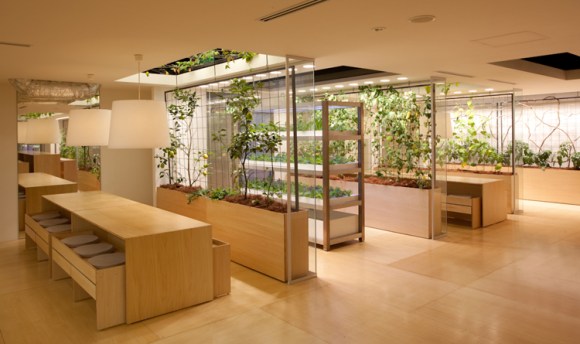
▼ There’s sprouts in them there seats!
▼ Check out this great video about the building to see the rooftop garden and some of those hanging tomato meeting rooms.
Urban Farming in Tokyo from imageMILL on Vimeo.
Images: Kono Designs
Roppongi Nouen
Roppongi has long had a slightly seedy reputation as a place for foreigners to get drunk and boogie all night, but that’s not the only thing it has to offer. There are also lots of international restaurants, high-end shopping, and now a kind of home away from home for country folk at Roppongi Nouen.
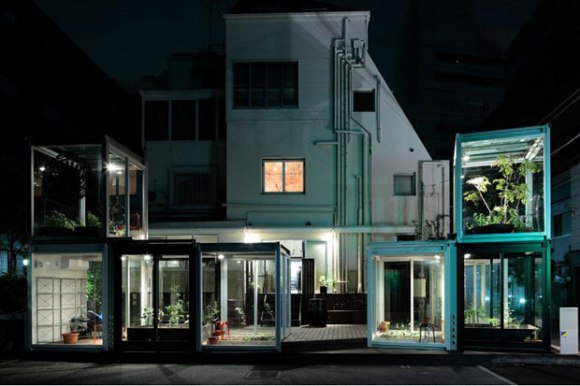
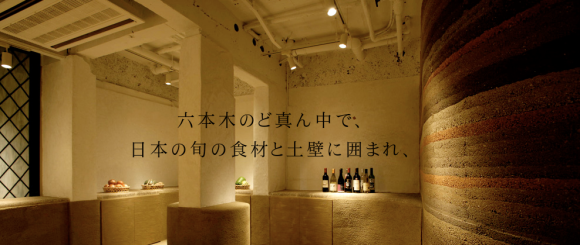
Nouen means “farm” in Japanese, but the first thing you’ll think of when you see this place is probably “display window”. The property is fronted by eight big glass containers, each of which is leased out to a producer so they can showcase how their fruits or veggies are grown.
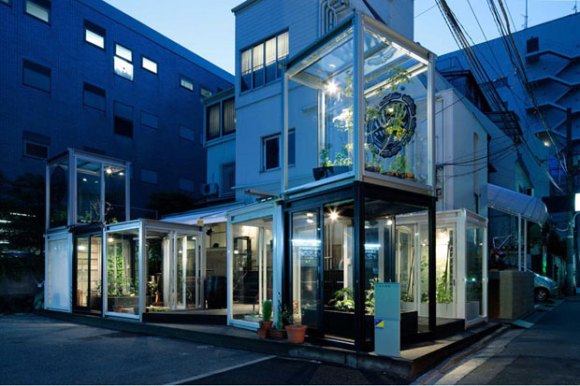
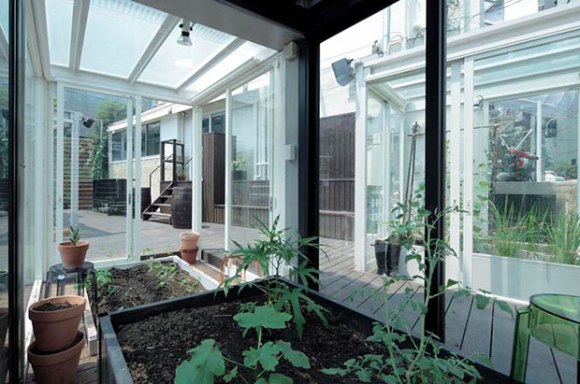
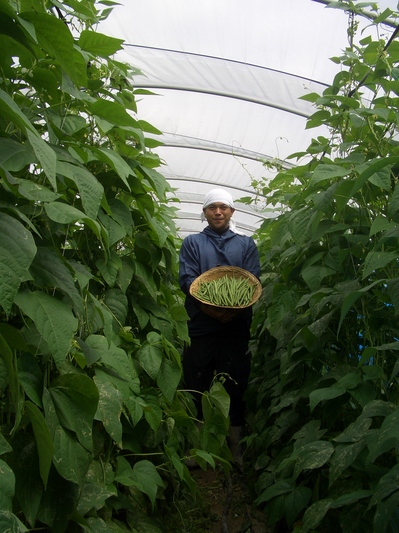
Roppongi Nouen is owned by the children of actual farmers, so they’ve made it a mission to bring agriculture closer to city life and remind people how important the job is. In addition to the glass boxes, the property includes a hip experimental restaurant where you can sample dishes made with the produce grown on site, as well as meat and produce from the owners’ family farms. Photos introduce the farmers and the fields where the food was raised, encouraging customers to think more about where their food is coming from.
▼ Seems very chic!
▼ A farmer shows off his lovely green beans
Images: Shift East and Roppongi Nouen
City Farm
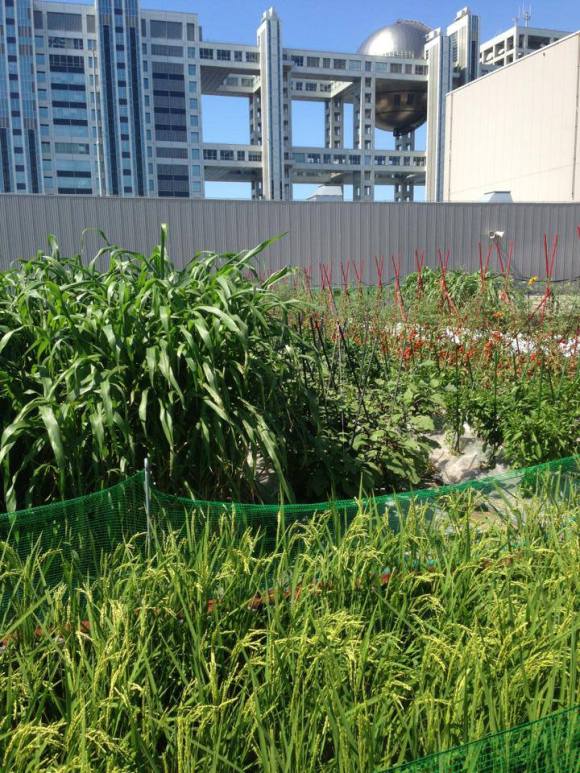
So, a rooftop farm is a fairly basic idea in urban agriculture, but City Farm in Odaiba has a couple of unique things going for it. One is that it is located on top of a massive shopping mall, DiverCity Tokyo Plaza. For a monthly fee, you can rent a little farm patch of your own in the middle of one of the most crowded shopping and entertainment areas in Tokyo.
City Farm also takes a very Japanese approach to what they grow. They offer customers assistance in growing fruits and vegetables that are staples in the Japanese diet, like kabocha squash and soy beans. And rice, of course! This makes City Farm quite different from the rooftop gardens you might be familiar with because rice has very particular needs for irrigation and drainage. Growing it on top of a building is almost like transplanting a creek up there. But getting all that water up there isn’t just about growing Nippon’s favorite food, it also contributes to natural cooling effects of plant evapotranspiration, helping to combat rising temperatures in Tokyo.
▼ Getting some rice seedlings started with the help of some visiting ducklings
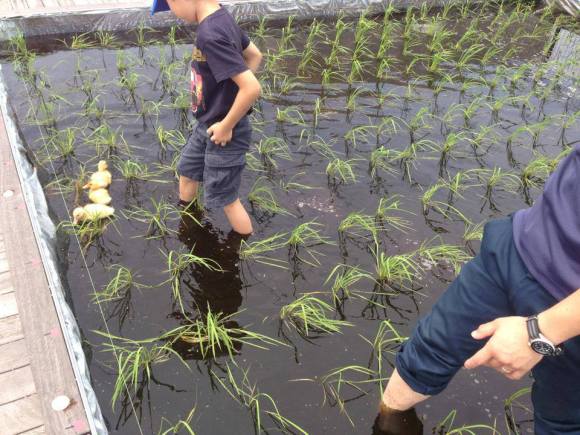
▼ A very Japanese aesthetic at work here…
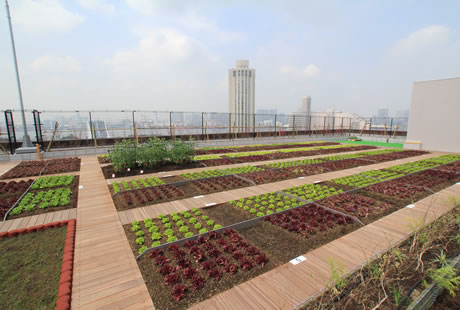
If you are interested, an individual plot will set you back 8,400 yen (about US$85) a month plus a one-time registration fee of 4,200 yen.
Images: City Farm
Ginza Honeybee Project
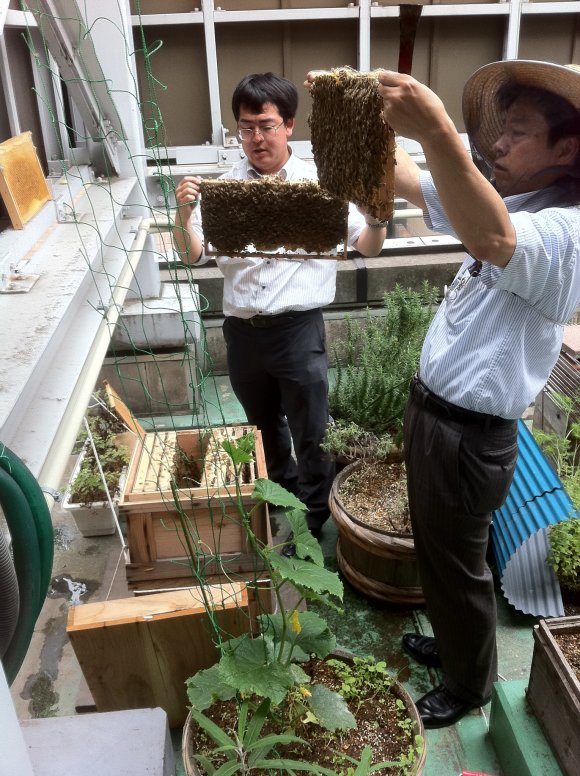
Of course, agriculture isn’t limited to the green and growy things. There are also bees!
▼ A bee
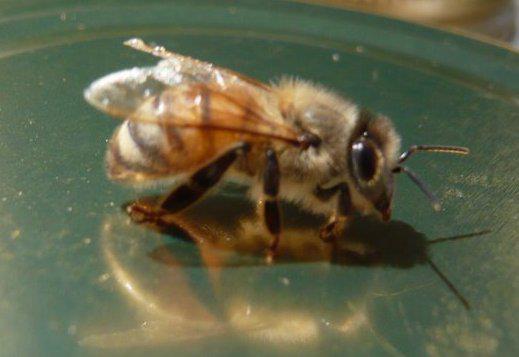
Not only do bees play an important part in pollinating all kinds of crops, they also make delicious, delicious honey. On top of a building in the ritzy Ginza shopping district, the Ginza Honeybee Project is raising hives of bees to do both.
The nonprofit, whose members run the gamut from patisserie chefs to lawyers to theater producers, hit upon bee raising as a way to simultaneously contribute to the economic and ecological life of their neighborhood. The group grows all kinds of plants in their rooftop garden for the bees to pollinate, though with a range of about 4 kilometers in any direction, the bees are surely helping out plants all over town.
▼ On this day, a worker from a maid cafe stopped by to help. Just another day in Tokyo.
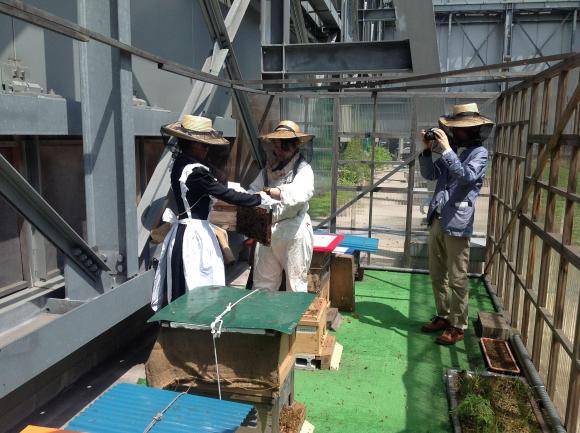
The honey that the bees produce and the fruit from their garden is harvested by the group’s volunteers and sold to local restaurants and shops, including the famous Matsuya Department Store.
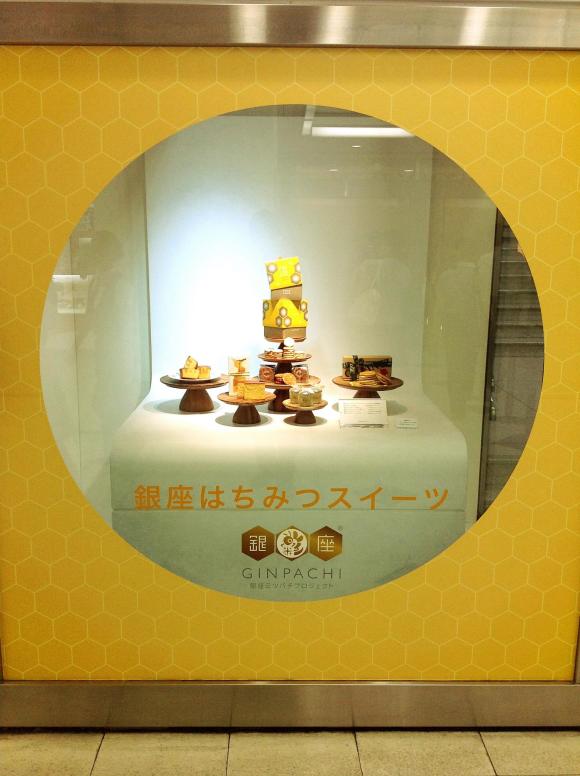
▼ Sweets made with the group’s honey on display at Matsuya.
Images: Ginza Honeybee Project
Green Potatoes Program
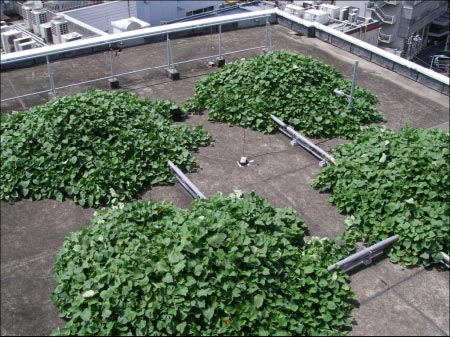
With all the benefits green roof and gardens convey, the initial cost and necessary know-how can be a high barrier of entry for many companies. A specially designed and installed green roof can cost between US$15 and $20 a square foot, not counting waterproofing costs. Even if you opt for just potted plants or small growing beds, you still need someone with a bit of experience to take care of them, as my years of killing off successive balcony plants should attest.
Telecommunications giant NTT has been working on an interesting initiative to make greening easier and less hassle. Their solution: sweet potatoes.
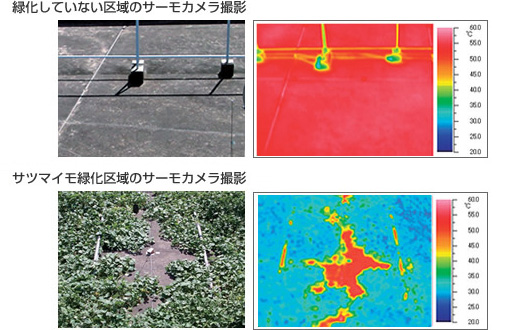
It turns out being on the top of a tall building can be a very harsh environment for many plants due to lack of shade and strong winds, but sweet potatoes can thrive in it and spread very quickly. Their large leaves also provide lots of ground cover and are highly efficient at transpiration, bringing temperatures way down on the surface. NTT marked as much as a 27 degree Celsius (80 degree Fahrenheit) difference between covered and uncovered sections at their headquarters.
▼ Now imagine this is your head on a hot July day.
One of NTT’s subsidiary companies produces the automated hydroponic Green Potato system that allows the potatoes to grow with relatively little oversight, and since the system doesn’t require soil, it’s much lighter than traditional set ups.
And not only do you get to enjoy lower heating and cooling costs in your building, you get to eat delicious sweet potatoes in the autumn. Yum!
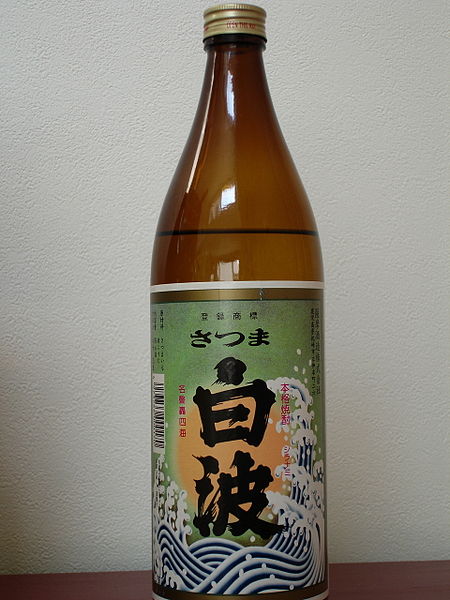
▼ Have we mentioned shochu can be made with sweet potatoes?
Images: Treehugger, NTT Facilities, Wikipedia