
For many visitors to Japan, their image of the city of Narita begins and ends with Narita International Airport. As such, most people plan their itineraries with the goal of spending as little time in the town as possible, unless they’re the type of odd sorts who just can’t get enough of waiting in airline check-in or customs lines.
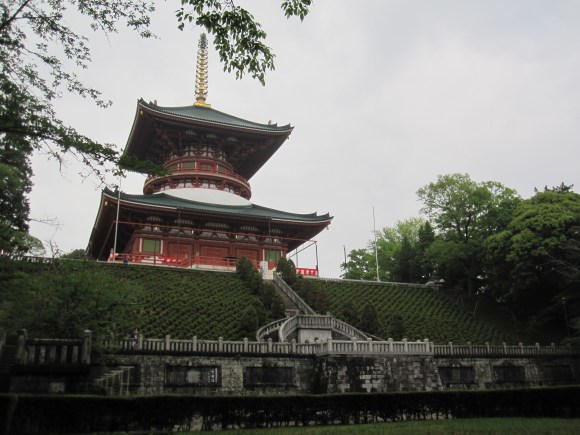
In their rush to get into Tokyo or back home as soon as possible, though, they’re missing out on one of eastern Japan’s most visually impressive temples, Naritasan Shinshoji and its attached gardens.
Downtown Tokyo does have two cultural landmarks of its own in Asakusa’s Sensoji Temple and Harajuku’s Meiji Shrine. Sensoji is often packed by the constant flow of tour groups that visit year-round, however. Meiji Shrine isn’t as crowded, but its location, just a few minutes’ walk from the consumerist shopping meccas of Takeshitadori and Omotesando, can be jarring for those hoping for a more solemnly sacred atmosphere.
Chiba Prefecture’s Naritasan gives up nothing in size compared to Sensoji and Meiji Shrine, and stands in much more tranquil surroundings. We should point out that Naritasan does receive large numbers of visitors who come for festivities held on New Year’s Day, plus a few other religiously significant dates throughout the year. Still, when we stopped by one afternoon during Golden Week, one of Japan’s busiest vacation periods, the crowds were sparse, and after passing through the main courtyard, we often found ourselves completely alone on the garden paths.
The exact travel time varies depending on which station you set out from, but in general Naritasan is about an hour-and-a-half train ride from downtown Tokyo, which makes it an easily doable day trip for those looking to get out of the capital for a while. It’s also only a 15-minute ride from Narita Airport, which means that not only can you swing by on the same day you’re scheduled to fly into or out of Japan, you could even squeeze in a visit during a long layover at Narita Airport.
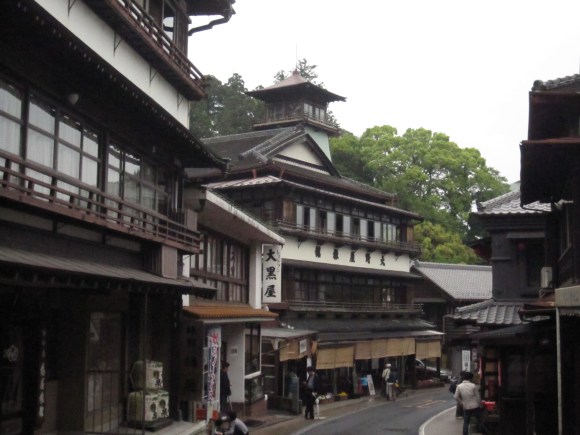
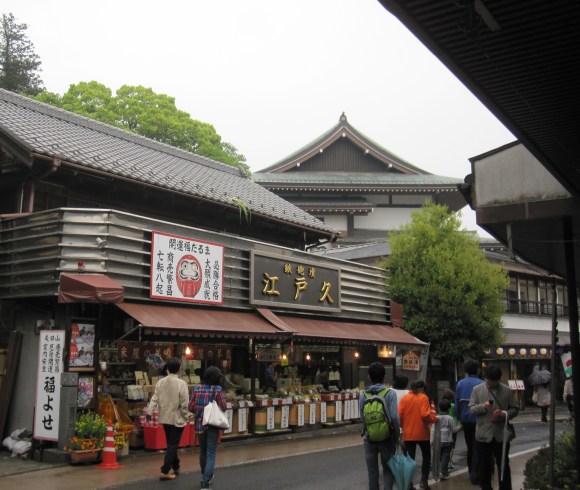
Narita Station on the JR Narita Line and Keisei Narita Station on the Keisei Main Line are equidistant from Naritasan. If you come in at the former, head out the east exit of the station, walk past the bus rotary to the first signal you see, and turn left. For visitors arriving at Keisei Narita Station, leave by the west exit, walk to the end of the bus rotary, and turn right (you’ll see Narita Station on your left as you pass by it).
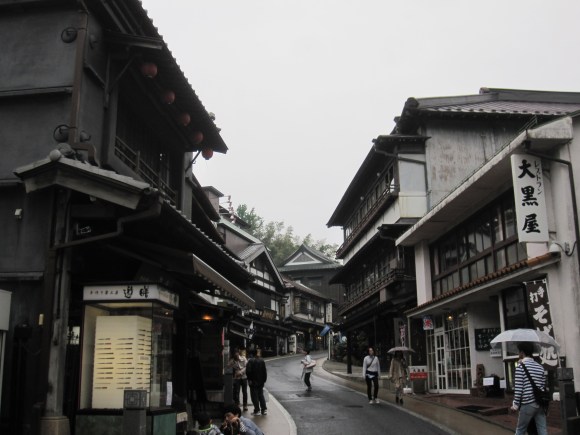
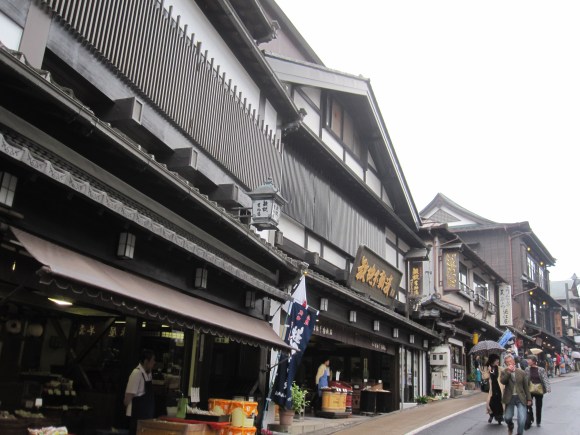
Both routes will lead you into the approach to the temple, a street lined with restaurants, cafes, and shops that winds its way towards the main gate. At night, several of the bars fill up with flight crews spending the night before flying out of Narita the next day.
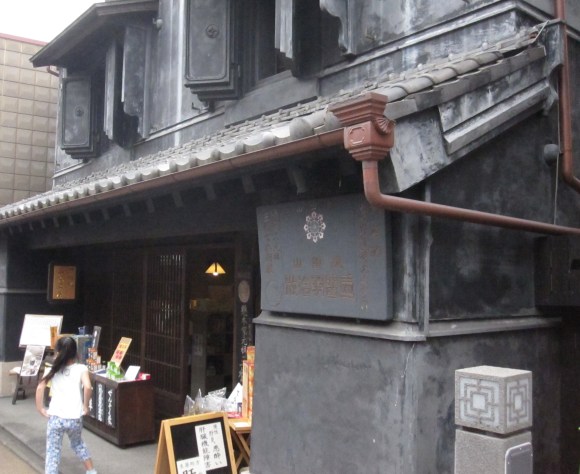
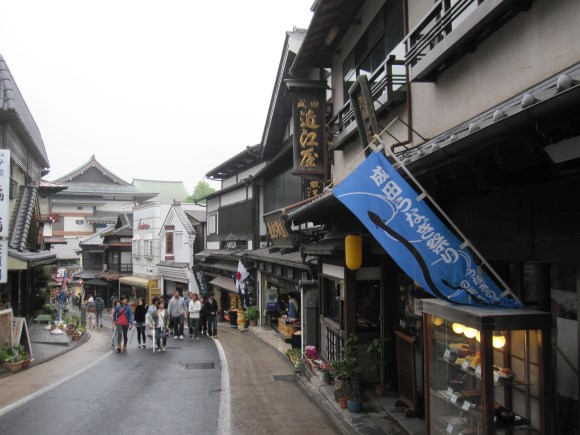
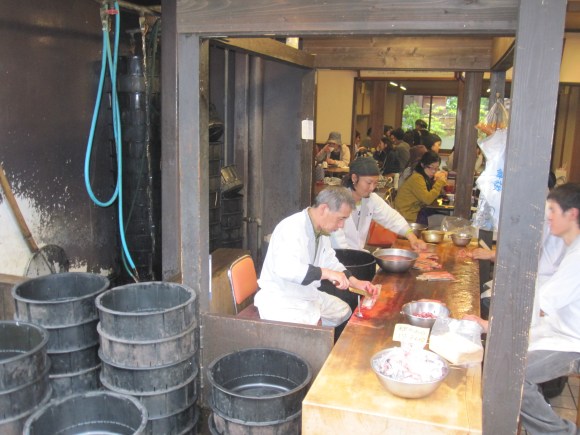
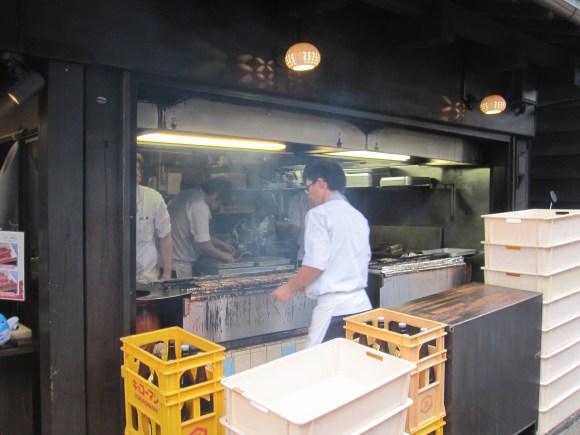
In the afternoon, though, the most popular spots are the restaurants serving up the local specialty of grilled freshwater eel. If that’s a bit too exotic for your tastes, don’t worry, you can also find tamer fare such as soba noodles and tempura.
The stroll from either station to Naritasan takes 10 to 20 minutes, depending on how quickly you walk and whether or not you step into one of the sake shops for a sampling of the local brews. Once you reach the bottom of the slope, you’ll see the main gate to the left.
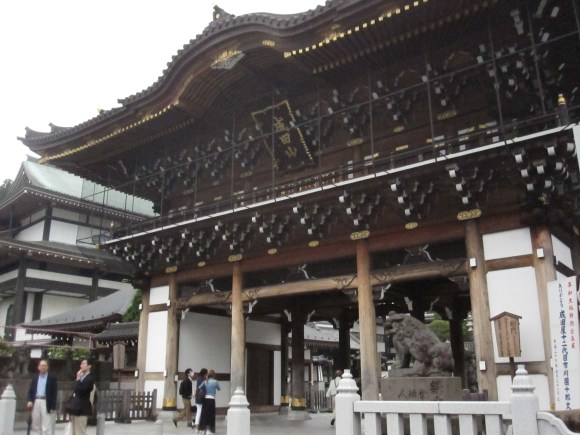
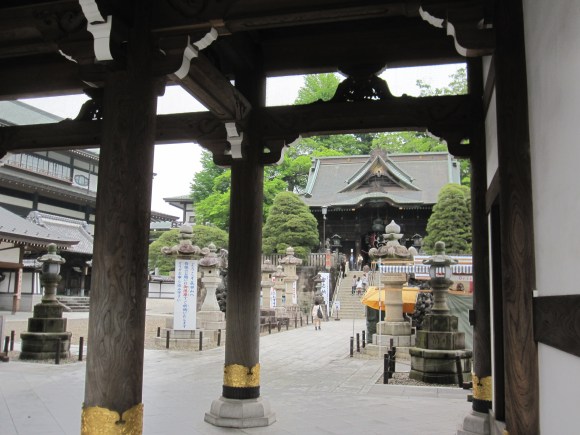
The temple was founded in 940 by the priest Kancho Daisojo, who was part of a detachment sent from the then-capital of Kyoto sent to put down a rebellion in east Japan. Kancho carried with him an image of the Buddhist deity Fudo Myoo, which, after the suppression of the uprising, mysteriously became too heavy to be transported back to Kyoto. Instead, the image remained in east Japan, and was enshrined on the spot where Narita Shinshoji (“New Victory Temple”) was constructed.
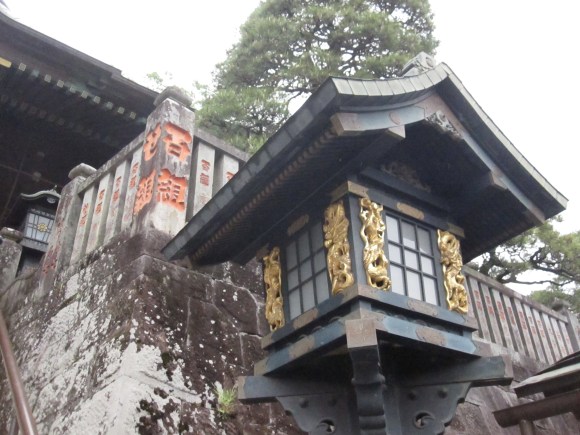
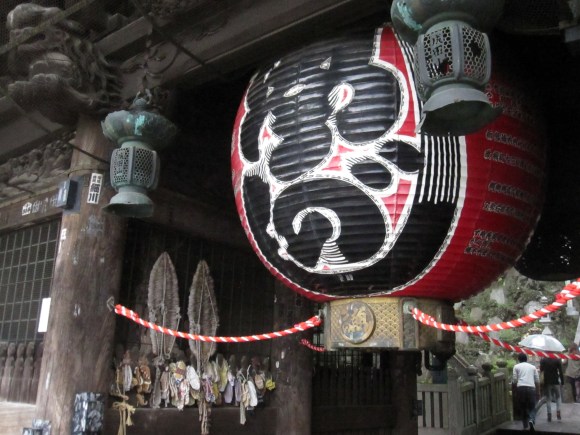
None of the complex’s currently standing buildings can match the 1,000-plus year history of the institution itself, but Naritasan does boast a handful of structures that were built in the early 18th century.
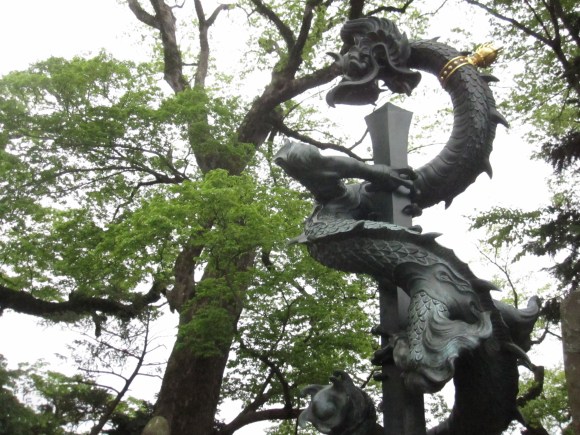
After passing through the gate, visitors arrive at a bridge that crosses a small pond surrounded by stonework. Look carefully and you’ll spot a sword of the type Fudo Myoo is often depicted wielding, the first of many times the theme appears in the temple’s imagery.
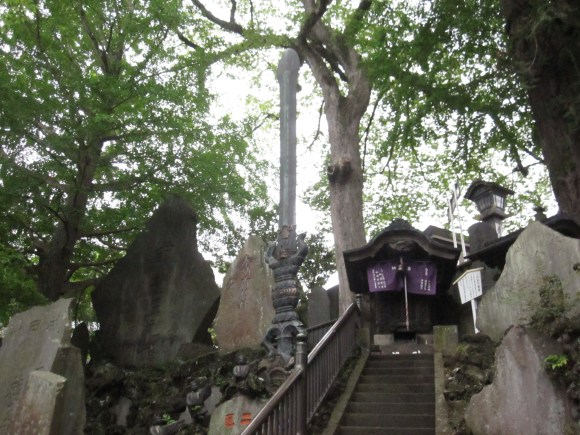
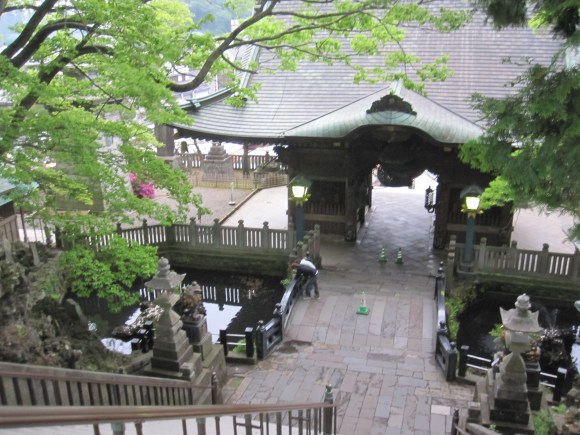
At the top of a steep flight of stairs is the central courtyard. Straight ahead sits the main hall, to the right is a three-story pagoda, and to the left is where visitors can purchase amulets, some of which are emblazoned with the kanji character for “victory.”
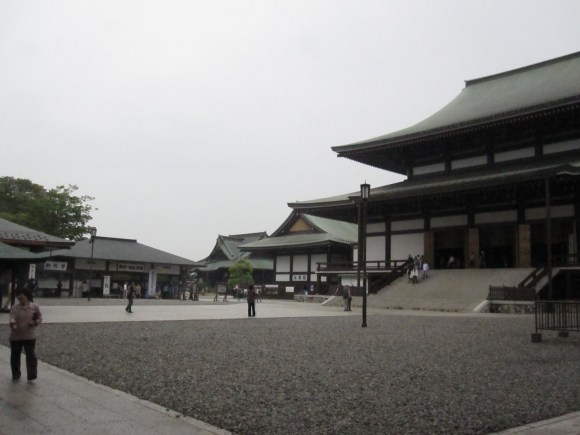
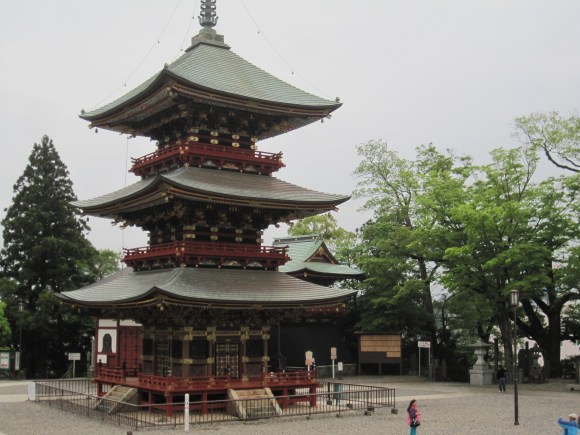
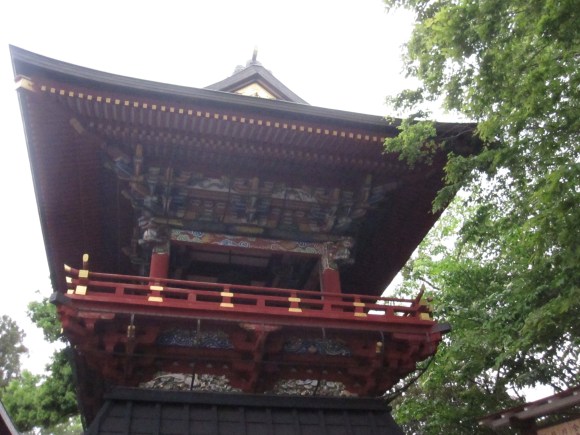
This is as far as most visitors to Naritasan come, tossing a few coins into the collection box and saying a quick prayer before heading back out the way they came. In doing so, sadly, they miss out on the majority of the complex’s serene beauty, which is mostly found behind the courtyard. Facing the main temple, a path branches off to the right. Following it will lead you past another hall, and then to the entrance to Naritsan Park.
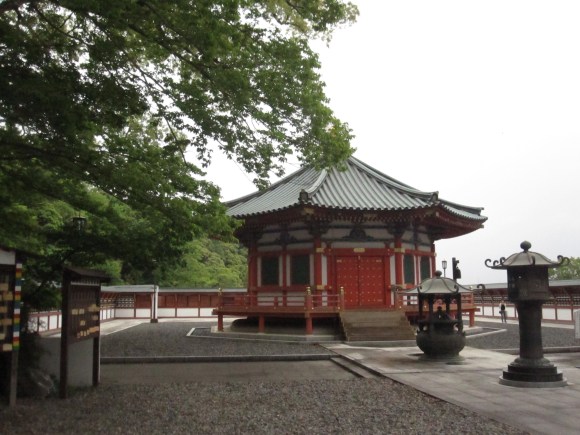
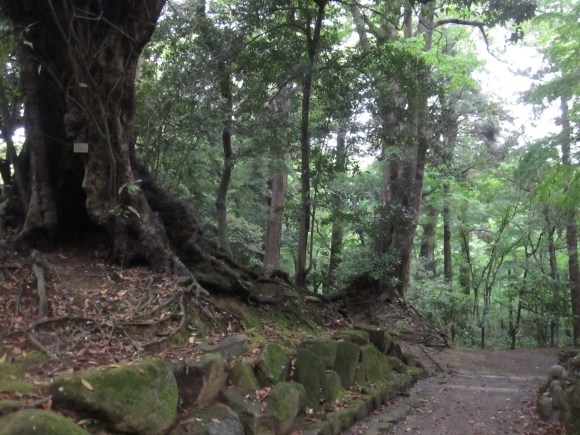
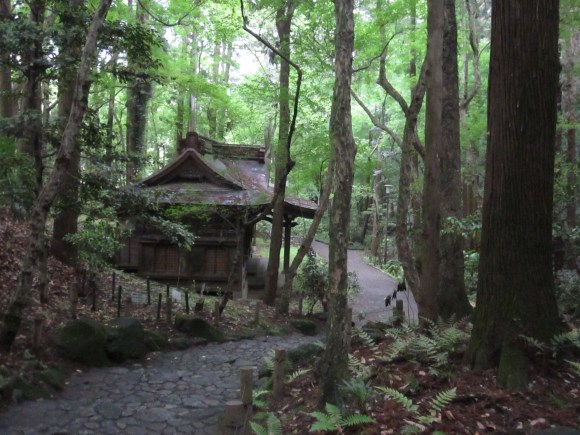
Before long, the sounds of the town fade away, the foliage closes in, and the path turns from concrete to soil and pebbles. There’s no set route to follow here, as multiple courses crisscross and weave their ways around the trees and past monuments.
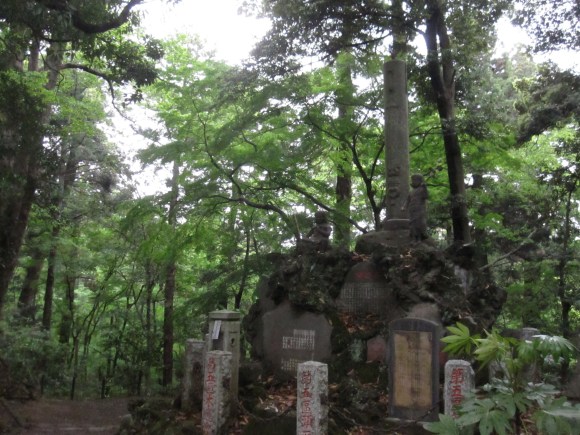
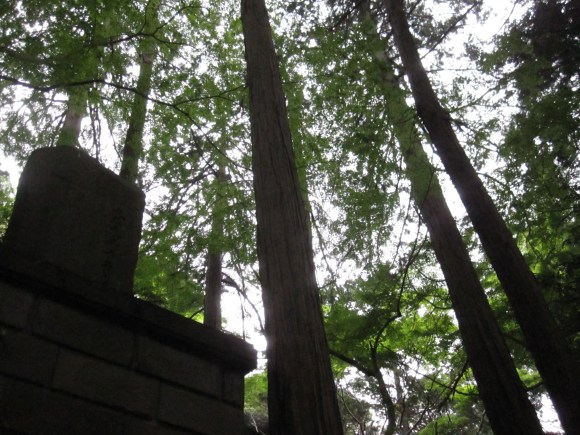
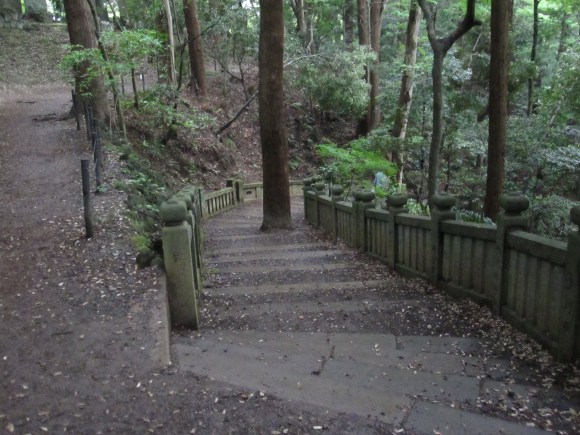
When you’ve had your fill of wandering, pick any path that leads downhill and deeper into the interior. There’s nothing so treacherous that requires hiking boots, although a pair of sneakers, or at least something you don’t mind getting a little dusty or muddy, would be preferable to a pair of designer shoes bought at Roppongi Hills.
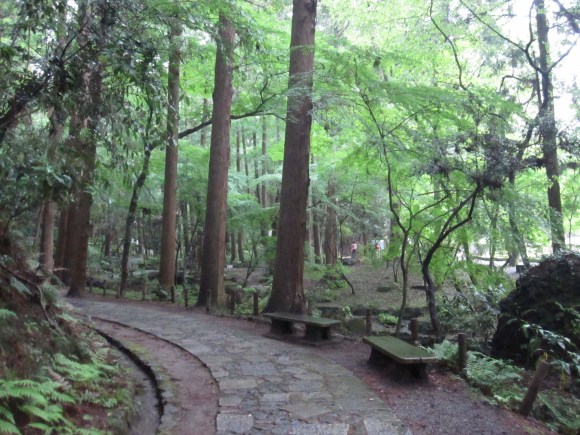
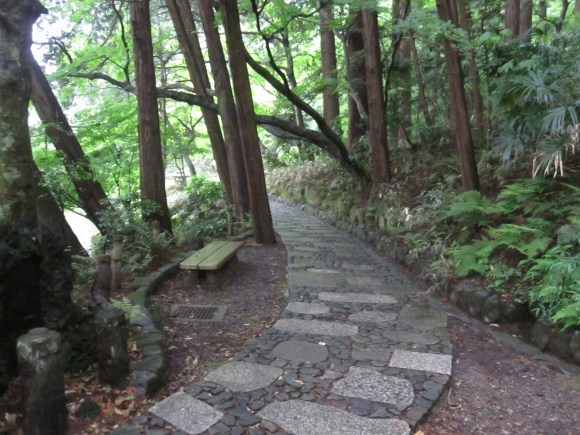
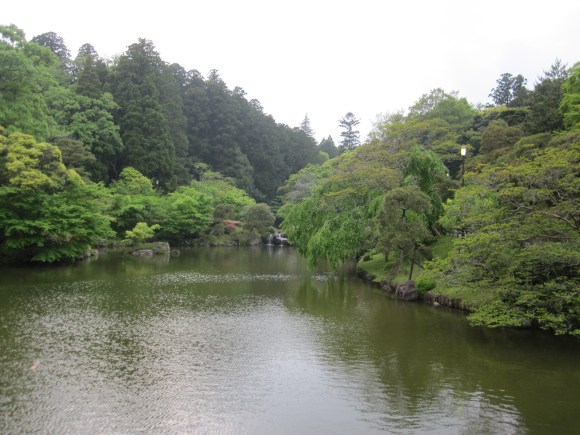
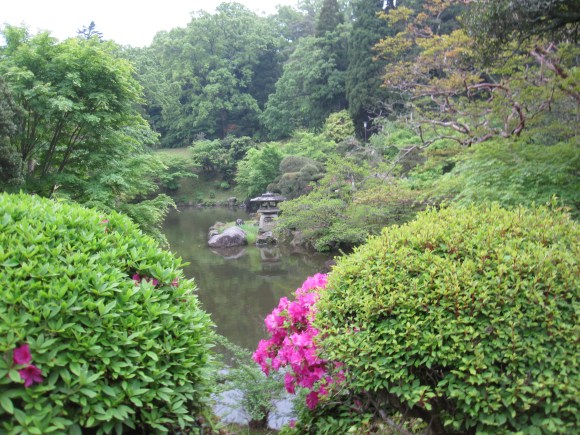
Depending on which path you end up on, you might notice the sound of gurgling water, as at the bottom of the hill is a series of interconnected ponds surrounded by azalea bushes, as well as groves of maple and plum trees.
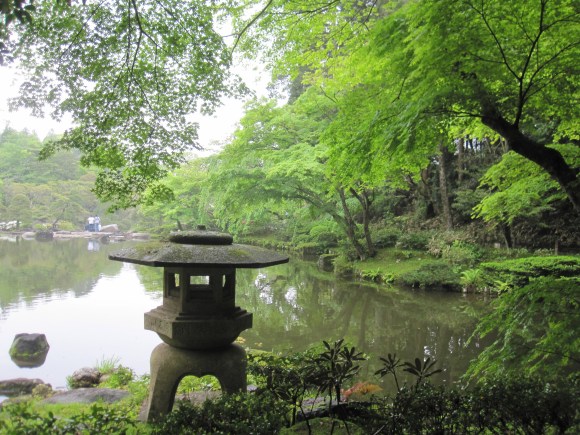
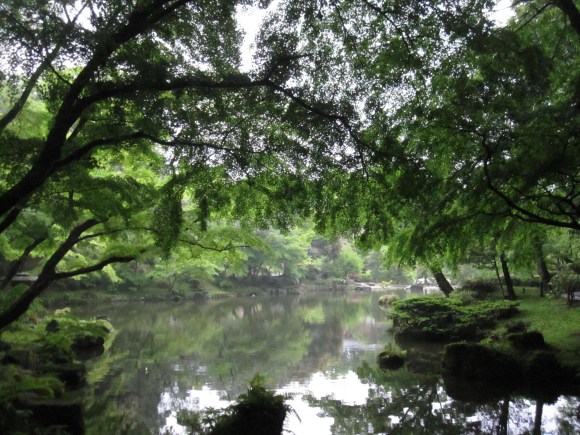
From here, heading to the right leads to a pavilion built out over the water. There’s also a nearby stand that sells food that you can feed to the many koi that make the pond their home.
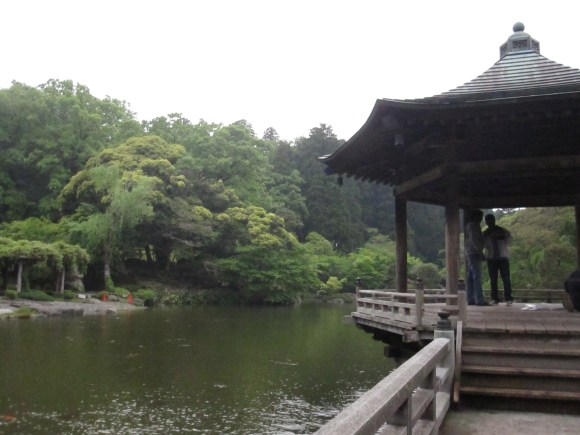
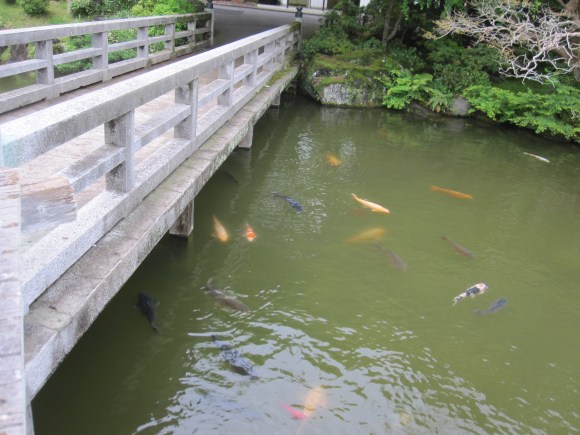
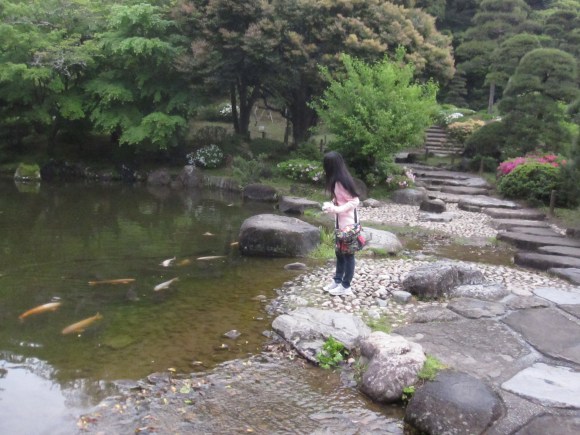
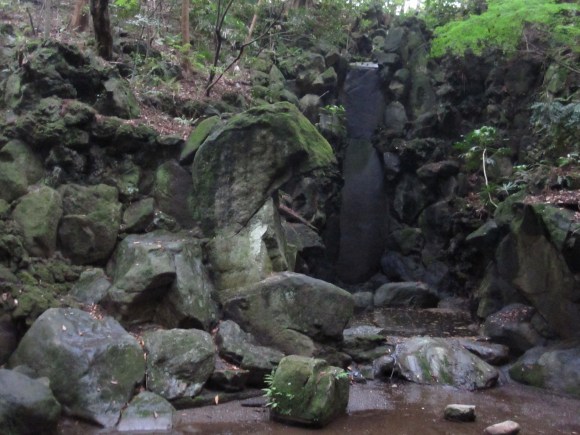
On the other hand, the path that moves around the pond to the left will take you past another temple building, and eventually to the spring where the water that feeds the ponds trickles out of the earth.
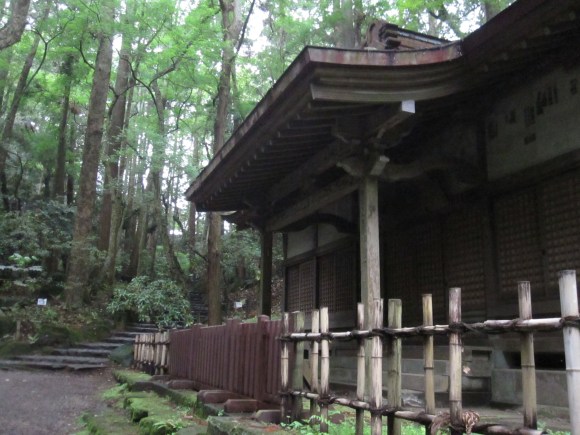
The far side of the ponds can be reached by either walking around the whole body of water or crossing one of the stone bridges that subdivides it. Once across, there’s a calligraphy museum, which closes at 4 o’clock and had already shut its doors by the time we rolled by.
Waiting at the very back of the grounds is Naritasan’s most dynamic site: the 58-meter (190-foot) Great Peace Pagoda.
At just 30 years old, it doesn’t have the historical significance of some of Naritasan’s other structures. That doesn’t make it any less overwhelming to visitors gazing up at it from below, though, nor its spire any less dazzling when the late afternoon sun hits it on days when the cloud cover is cooperating.
▼ Unfortunately, this was as much cooperation as we got.
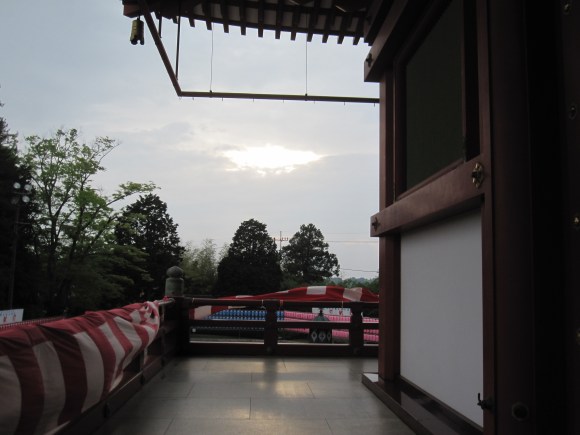
With daylight fading and the monks sounding the temple’s bells, we made our way back to the station and urban Japan, happy to know that whenever we need a little tranquility, Naritasan is just a train ride away.
Temple information
Naritasan Shinshoji /成田山新勝寺
Address: Chiba-ken, Narita-shi, Narita 1
千葉県成田市成田1番地
Website
Photos: RocketNews24