
Here at RocketNews24, we spend a lot of time talking about language–particularly Japanese and English in Japan. It’s no secret that English is a difficult language to learn, and not just for folks from Japan. Part of the reason for the difficulty arises from the numerous variations English has–from American to Australian to Singaporean. But one country in particular that stands out is the Philippines, which the BBC recently called “the world’s budget English teacher.” While it’s not exactly the most complimentary title, it certainly is true that the country takes English as one of its official languages (along with Filipino, which is basically a standardized form of Tagalog). Of course, in a country with around 170 living languages, it should be expected that Philippine English is quite a bit different from English in the US or the UK.
But just how different is it?
Since the majority of English-speakers in the Philippines use the language as their second language, there’s a lot of “code-switching,” where speakers alternate between two or more languages. If you’re not exactly sure what that means, just think of a party in Tokyo where people flow back and forth between Japanese and English and you’ll have a good idea. Code switching isn’t unique to the Philippines, but we’d guess that it has led to Philippine English developing plenty of unique aspects. In fact, one Filipino website has compiled a list of ten English words that only Filipinos use! But after looking this list, we feel obligated to raise a tiny eyebrow of skepticism.
As a native of the midwestern United States, I have to say that I was more surprised by how familiar some of these words and phrases were. Maybe Philippine English isn’t quite as different as we thought! Take a look at the list and see if any of them sound familiar…
1. Bad shot
Wikipedia (Cpl. Megan L. Stiner)
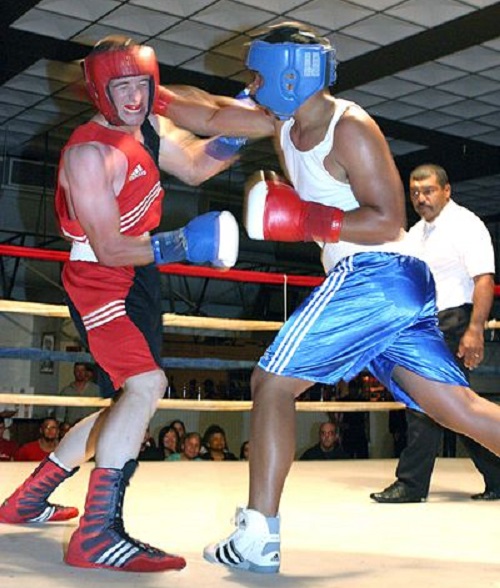
Okay, this first one was a new one for me. “Bad shot” sounds like a crappy Instagram photo, but it’s actually used in the Philippines to “express frustration,” like getting stuck in traffic on your way to an interview. Okay, fair enough, I can see how that makes sense…
Update: Quite a few readers pointed out that “bad shot” is usually used when you’ve annoyed someone or have someone displeased with you. Apparently most people in the Philippines use the phrase “bad trip” instead to refer to a bad situation.
2. Chancing
Wikipedia (Heri Gerbault)
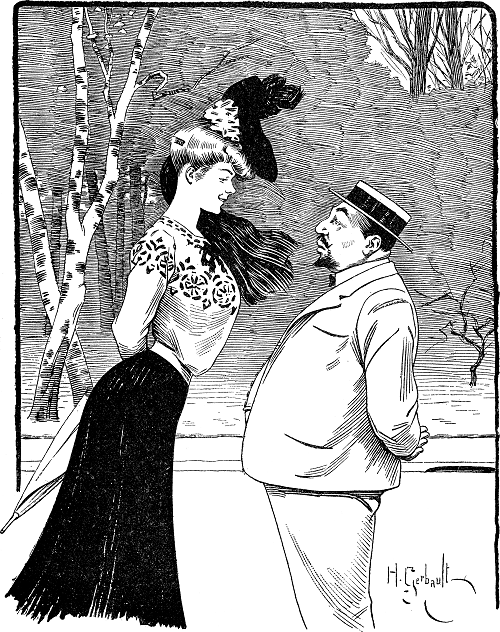
To be honest, when I first saw this one, I was convinced it was either something to do with drugs, mountain climbing, or doing drugs while mountain climbing. I was almost completely–but not entirely–wrong. In the Philippines, “chancing” means to make “sexual advances” on someone–usually someone who’s probably not going to be interested. Again, I can see the logic of the word, but it does seem a bit on the nose…
3. Frigidaire
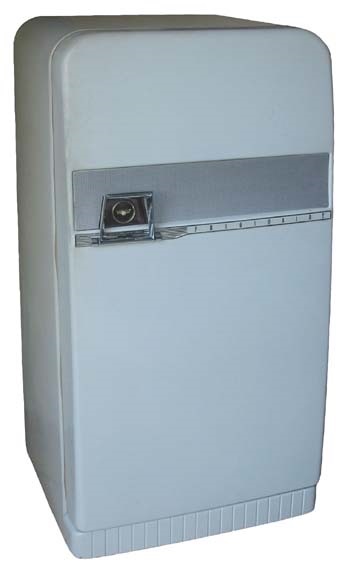
Wikipedia (Pierre Gencey)
Wait, frigidaire? Okay, to be honest, it might just be me, but this seems extremely out-of-place on the list. First, “frigidaire” means “refrigerator” in the Philippines–just like it does in the US. After all, the word comes from the name of the refrigerator manufacturer headquartered in Charlotte, North Carolina. I suspect that very few people under the age of 50 use the word anymore, but it’s definitely not something only Filipinos use!
4. Comfort room
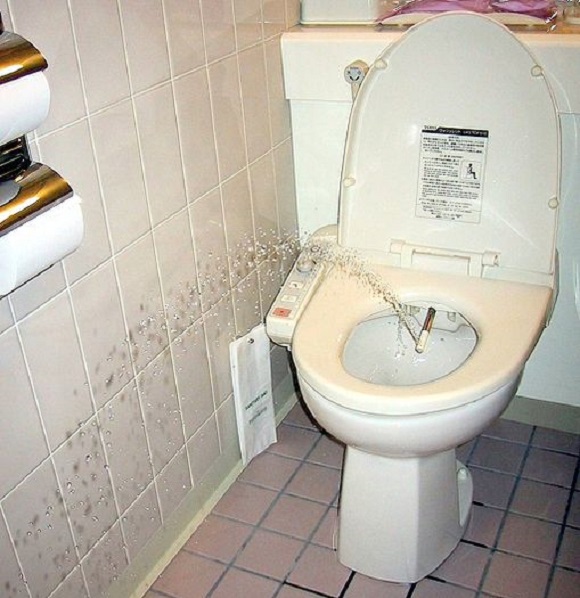
Wikipedia (Chris 73)
Okay, this one totally got me. I seriously expected it to be a school nurse’s office, but it turns out that a “comfort room” in the Philippines is just a bathroom. Kind of anti-climatic, but now I’m wondering what people are doing on the toilet that’s so comforting!
5. Live-in
Wikipedia (4028mdk09)
Alright, I’m really on the fence about this one. In the US, at least, “live-in” is used as an adjective to describe someone who lives together with someone else. Live-in nanny, live-in boyfriend, live-in butler, or whatever you’re most familiar with. But in the Philippines, the adjective has apparently become a noun on its own and simply refers to an unmarried couple who lives together…in sin. (GASP!)
6. Ice drop
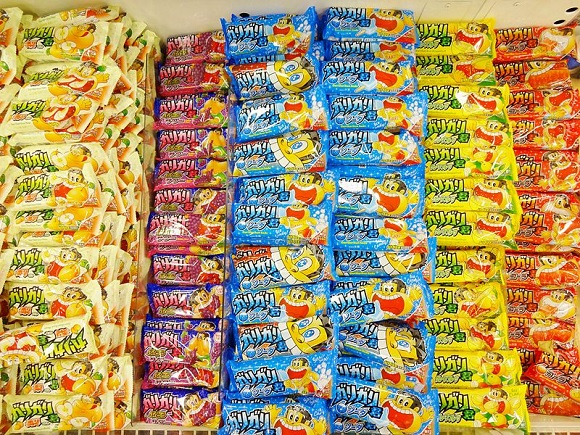
Wikipedia (Dick Johnson)
At first, I assumed this had to have something to do with Frozen, but it’s actually just the Filipino word for “popsicle.” Which, when you think about it, makes a lot more sense than popscile! I think this one we all need to adopt.
7. Mineral water
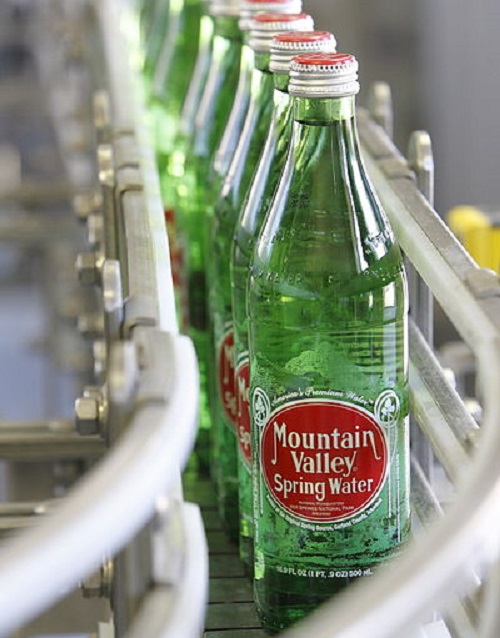
Wikipedia (mtnvalley)
Hunh? How is this a word only used by Filipinos? Maybe I’m totally out of the loop, but hasn’t “mineral water” long been used to refer to “distilled, bottled water”? The author of the original list also notes that the bottles are often sold on the street and are popular due to the quality of the tap water, so maybe they’re focusing on the water being sold on the street. Either way, I don’t think this is a purely Filipino usage…
8. Kodaki
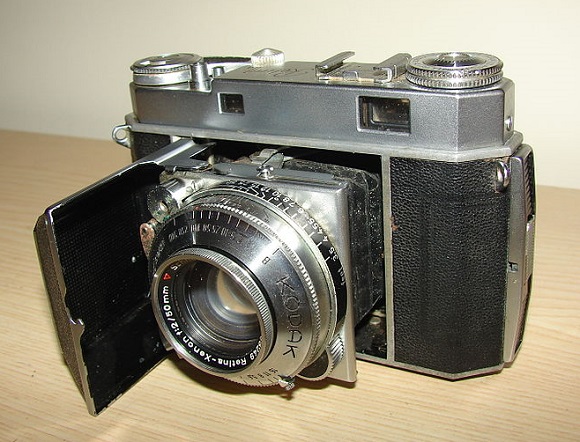
Wikipedia (Fibroman)
Nope, this isn’t a combination of kayaking and skiing, as I first thought. It actually means “to take a photo with a camera” in the Philippines. Which really makes you think about how amazing the world is that taking a picture with something besides a camera is so normal, someone actually needed a word for using a camera. But it does make a ton of sense–outside of special occasions, I never even touch my camera!
9. Vulcanizing shop
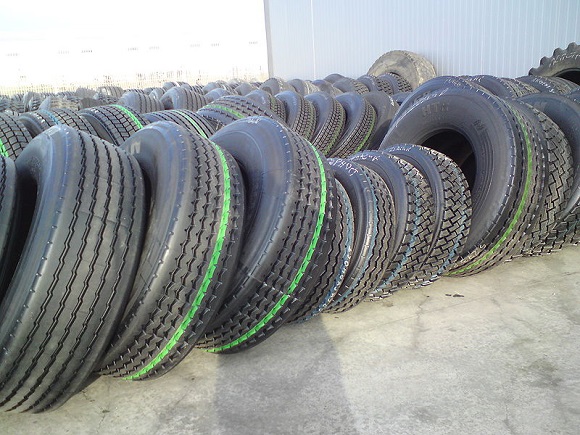
Wikipedia (Biso)
Before you get all excited, no, this has nothing to with Spock, Star Trek, or even the Roman god of fire–it’s the phrase for a “tire repair shop.” Which, holy crap, that is a bad-ass name for a place to get your tire fixed! We think this needs to be in the new Mad Max movie somewhere…
10. Pentel Pen
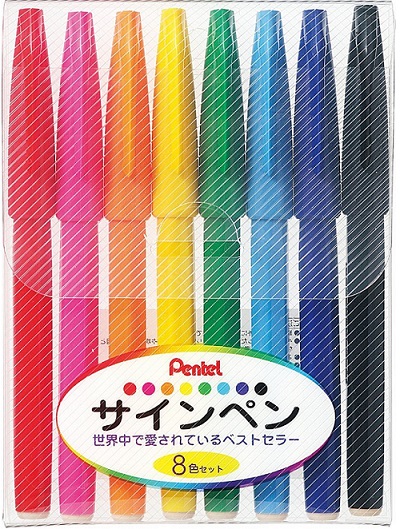
The final item on the list is particularly weird, since Pentel is actually a Japanese company! On the other hand, I can’t think of any time I’ve actually heard an English speaker use “Pentel pen” to generically refer to non-permanent markers. But, then again, I don’t spend much time in the arts and crafts room. I think I’ll have to leave this one open to our readers…how do you all refer to “non-permanent markers?”
So, what’s my conclusion? It certainly does seem that Philippine English has a lot of words and phrases that other English speakers might not recognize–but it’s not quite as unique as some might think. Still, now you know that a “bad shot” doesn’t necessarily have anything to do with kodaki–but it might be how your chancing ends. And if that happens, you can always skip off to the comfort room and suck on an ice drop until you feel better!
Source: Tenminutes.ph
Cover image: Wikipedia (mtoz)