The linguistic error was seen as insensitive in light of a horrific situation.
If you’re a foreigner learning Japanese, then you can expect some leeway when speaking the language. But if you’re the superintendent of Shibata City schools in Niigata Prefecture, then your Japanese had better be impeccable.
Unfortunately that wasn’t the case for Ryoichi Yamada. As superintendent, he was sent to visit the family of a thirteen-year-old male student who had killed himself in June of last year due to relentless bullying. What should have been a heart-wrenching meeting with plans to make changes for the future instead ended up boiling down to one poor choice of words on behalf of the superintendent.
At some point during the conversation with the boy’s father, the superintendent asked: “Omae mo hogoshakai ni kuru ka?” (お前も保護者会に来るか)
The literal English translation of this phrase would be something like: “Are you going to come to the PTA meetings too?” (“PTA meetings” here meaning something closer to parents meeting and discussing policy with school staff.) But a more faithful translation might be something like: “So whaddya think about coming to some PTA meetings, you old rascal?”
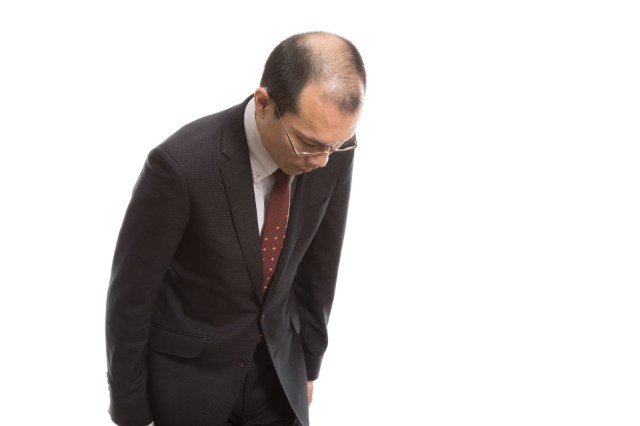
▼ That kind of casual speak is not
appropriate for this serious meeting.
For those who don’t know, Japanese has several different words for “you,” depending on who you’re speaking to. There’s the neutral anata, the diminutive kimi, the insulting kisama, and more. You can also just use the person’s name, or not use any pronoun at all, since it’s usually obvious when you’re staring straight at someone that you mean “you.”
Omae, the pronoun that the superintendent used, is a bit of a sharp word for “you,” used for men roughing around with each other, when you’re yelling at a thief, and other less-than-savory situations.
The reason that the superintendent used omae with the father is because he used to be the father’s teacher when he was in elementary school. You can kind of see where he was coming from, perhaps thinking that using the more informal word would bring them closer together. Or perhaps it was a simple slip of the mind.
▼ His use of omae made the news, as you can see here.
(It’s the big red word in brackets in the bottom right at the beginning.)
Either way, the father was not happy with the superintendent’s word choice. He said: “I couldn’t believe (he said it) at that time. It felt like he was making light (of the suicide).”
The superintendent later apologized for his inappropriate utterance, but it was too late. He submitted his resignation a few days later, and will be stepping down from his position next week. The father of the boy has said that even if the superintendent changes, he still wants to work toward actually taking steps toward eliminating school bullying.
Here’s how Japanese Twitter reacted to the situation:
“What is wrong with his head?”
“How does someone like him become a superintendent?”
“Even if he was his old teacher, it doesn’t matter. You should never use omae with someone you’re apologizing to.”
“Using omae with rowdy kids is whatever, but that’s completely different than people you’re working with.”
“I’ve never respected anyone who uses omae to refer to other people.”
At the end of the day, words matter. Whether it’s the pronoun you use to refer to someone, or whether you’re telling them you love them or love them. But what matters even more are actions, and let’s hope that this is the start of something changing for the better in this school system.
Source: Yahoo! News Japan via Hachima Kiko
Top image: Pakutaso


Seven mistakes foreigners make when speaking Japanese—and how to fix them
Buzzword Awards: Top 10 buzzwords used by Japanese high school girls in 2016
How should a guy say “I” in Japanese? Japanese women give their opinions【Survey】
Do you use these “Philippine English” words and phrases?
The Japanese you learn at school vs the Japanese used in Japan【Video】
Hatsune Miku collaborates with Hokusai’s art in new Vocaloid ukiyo-e illustration series [Pics]
Japan now has human refrigerators inspired by Japanese vending machines
Studio Ghibli releases anime T-shirts that pay homage to one of Hayao Miyazaki’s most personal films
Starbucks Japan releases new Discovery Series collection celebrating local regions and traditions
Family Mart’s new Tokyo flagship convenience store doesn’t feel convenient, but is that a problem?
Teen girl in Japan refuses to be victim, personally escorts train pervert to police for arrest
Is Japan’s tourism boom slowing down? Foreign visitor numbers fall for first time in five years
Evangelion beautifully reimagined as iconic classical Japanese folding screen art series [Photos]
Cup Noodle unveils first-ever cold-water instant ramen in Japan
Mass murder plot stopped by friend of Akihabara mass murderer
Japanese government ID card and app to be required for certain Pokémon card purchases next month
Uniqlo looks back to the very start of Pokémon with new black-and-white pixel art T-shirts[Pics]
Studio Ghibli has a new anime out, and there’s only one place in the world where you can see it
Family Mart opens new “Famima” flagship store in Tokyo that’s like a tourist attraction
Japan announces sudden 400-percent increase in visa fees for foreigners entering the country
Japanese ninja certification exam attracts 131 candidates from Japan and abroad
Salomon releases Japan-exclusive Mt. Fuji hiking gear that doubles as an amazing souvenir
Japan triples departure tax, foreign tourists and locals now must pay more to leave country
Japan launches first overnight Shinkansen bullet train between Tokyo and Osaka this summer
Studio Ghibli store Donguri Republic announces opening of first-ever store in America
Japanese sweets shop sells an ohagi so exquisite it sells out by noon

Japan’s human washing machines will go on sale to general public, demos to be held in Tokyo

Starbucks Japan releases new drinkware and goods for Valentine’s Day
Starbucks Japan releases new sakura goods and drinkware for cherry blossom season 2026
Japan’s newest Shinkansen has no seats…or passengers [Video]
Put sesame oil in your coffee? Japanese maker says it’s the best way to start your day【Taste test】
Japan reportedly adding Japanese language skill requirement to most common foreigner work visa
Japanese schools banning nicknames, mandating use of -san divides opinions
Students confused over Japanese school banning ponytails for “conjuring lustful feelings”
How to enjoy Japanese idol music if you hate its sweetness: Pretend they’re not singing about YOU
Why do kids in Japan use those large leathery “randoseru” school bags?
Why Japanese doesn’t need swear words
Awesome Japanese elementary school teacher rewards kids who use independent learning on his tests
The simplest, most direct way to protect your umbrella from being stolen in Japan
Japanese Internet sad to see the word “chikan” becoming commonly used in English
Say sayonara to “sayonara” – 70% of Japanese people don’t use this word for goodbye anymore
Words they don’t teach you in Japanese class: How to say “straw man” in Japanese
To –san or not to –san? Should you use the Japanese honorific suffix when speaking English?
Japanese elementary school student teaches us all how to pronounce English like a native speaker
11 different ways to say “father” in Japanese
10 stories of Japanese high school girls and their puzzling, laughable behaviors
Tightening regulations lead to a new code word for schoolgirl-themed porn in Japan