
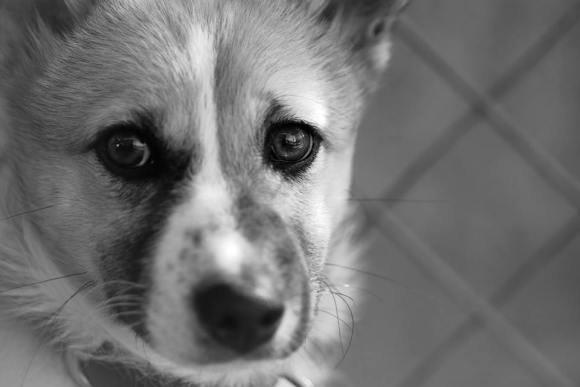
We’ve covered some stories in recent months about the distressing state of animal welfare in Japan and shocking cases of animal abuse, but I wanted to let our readers know that isn’t the whole story. Granted, in comparison with many other developed nations, Japan lags behind in this area, but that doesn’t mean it’s stuck in the Stone Age either. Over the last couple of decades, through the hard work of their human advocates, the situation for dogs and cats in Japan has been improving.
In the interest of acknowledging those efforts, recognizing where Japan is getting things right, and just generally bringing some good news to the table, we wanted to share with you some of the positive changes happening in Nihon.
▼Oh, hai!
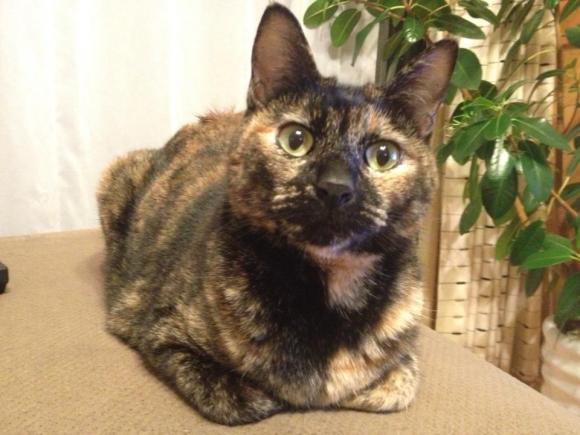
So first off, let me say that this piece mainly deals with the situation for dogs, cats and other companion animals. I’m aware that the situation for other animals, in particular those raised for consumption or on display at zoos and aquariums, is not so sunny.
The numbers
It’s no secret that Japan loves pets. In research recently published by Goldman Sachs, the number of pets in Japan was put at 21.3 million, far exceeding the number of children under 15 in the country. About 35% of households have a pet and many of them live lives of luxury as pampered members of the family, with Japanese spending about 3.8 trillion yen (about US$3.7 million) a year to keep them happy, according to a Fuji Keizai report.
According to the Pet Food Institute of Japan, 70% of dogs and 90% of cats now live indoors, another factor that has contributed to big increases in average lifespans for cats and dogs. In 1985, the average lifespan for a dog in Japan was 7.6 years. In 2012, it was 13.3 years. For cats, it’s 13.5, up from about 11.
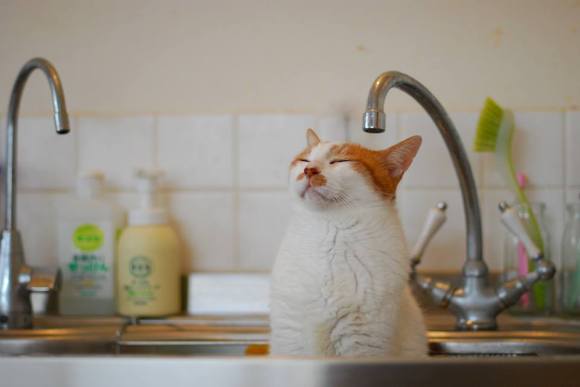
If you are a pet in Japan, clearly life is good, but what about the animals that haven’t found their forever home? The demand for cute puppies and kittens drives unscrupulous breeders and stores, the lack of education about animal care means more abandoned and euthanized pets later on, and the Japanese culture of the new means there is not much interest in adopting older animals.
But there are signs of progress here too.
Legal Beagles
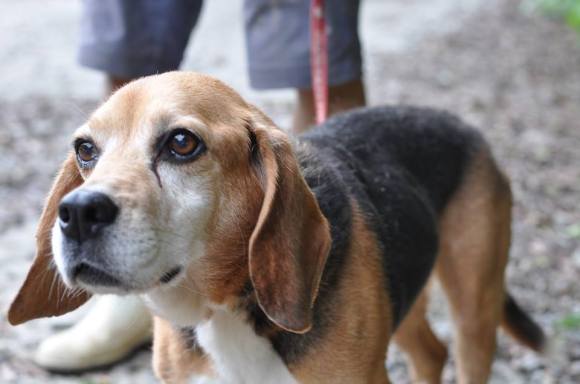
The most recent revision to the Japanese Animal Welfare Law in 2013 had two key provisions directed at improving conditions for animals for sale in Japan. The first stipulated that kittens and puppies not be removed from their mother and litter mates for 56 days after they are born, an extension from the 45 days previously stipulated. This change, however, will not be fully implemented until 2018. The other change mandates that animals not be put on display between the hours of 8pm and 8am, putting a stop to the practice of late-night and 24-hour pet shops.
Atsushi Hosokawa, a lawyer who volunteers with animal organizations, cautions that the changes don’t go far enough and are too focused on pets rather than animal welfare as a whole, but says, “If you consider all the facets of the changes (including ones we haven’t discussed, such as prohibiting the sale of animals online), I think it’s an important moment for the progress of animal welfare in Japan.”
Under control
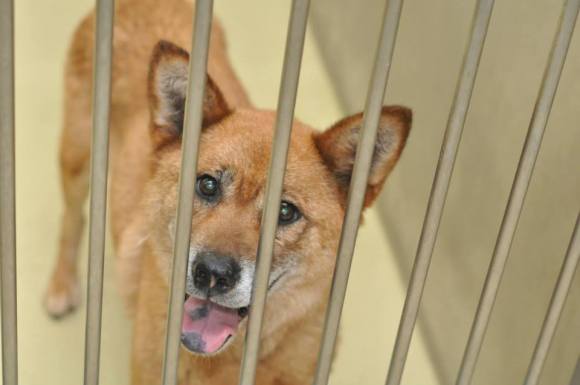
Changes at the hokensho, or animal control offices, are another example of progress.
Animals abandoned at the hokensho or picked up by animal control officers generally have a limited window of time to be claimed or adopted before they are put down. And if you imagining a humane end where the animal is given an injection of phenobarbital and falls asleep, think again. For budget reasons, most hokensho gas large groups of animals at a time with CO2, a process that suffocates the stressed animals over several minutes, with the larger ones almost always the last to die.
Every day about 500 animals are put down in this way, but believe it or not, that is actually an improvement. According to government figures, these numbers have been steadily declining. In 1974, hokensho across Japan put down a staggering 1,221,000 dogs and cats–that’s about 3,345 a day! Last year, the total number was just 162,000.
Some of this is due to efforts within individual hokensho. Kumamoto Prefecture, for example, implemented rehoming policies aimed at reaching zero kills after workers tired of ending so many innocent and healthy lives. They no longer simply accept animals surrendered by their owners, but counsel them on how to resolve problems and pressure them to seek solutions that won’t end the animal’s life. Incidentally, the changes to the animal welfare law mentioned before have also made it illegal for breeders to dump unwanted animals on the hokensho.
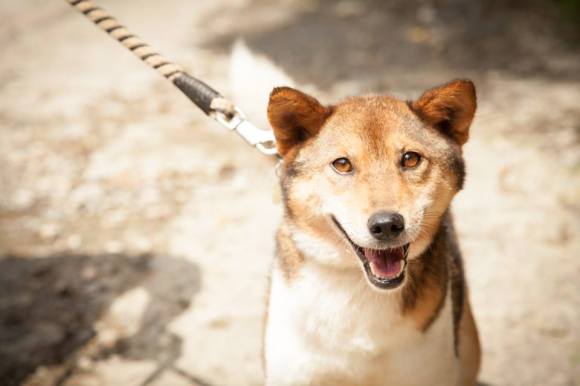
A large part of the drop is likely due to the efforts of private citizens. The number of privately run TNR (trap, neuter, release) programs has been rising across Japan in the last decade, for example.
In Tokyo’s Chiyoda Ward, home to the Imperial Palace, Akiko Katori and other local volunteers in the Chiyoda Nyantoka Naru Kai worked together with the animal control office to deal with their feral cat problem through a TNR program. Since March of 2010, the ward hasn’t had to put down a single cat.
“Feral cats are not an issue that can be dealt with at an administrative level. The cooperation of local people is essential,” Katori said in an interview with Spa! Magazine. “It would be great if we could find an owner for every cat, but it’s hard to find foster homes if it’s not a kitten. This program spays and neuters feral cats and then releases them as a ‘community cat’, to be looked after for its lifetime.”
On the heels of this success, many municipalities have also begun offering subsidies for private citizens who bring feral cats in to be sterilized as a means of keeping the population down and deterring other stray cats from entering the neighborhood. Although feral dogs are a problem in some rural areas of Japan, TNR is not an option due to rabies regulations.
Now you know
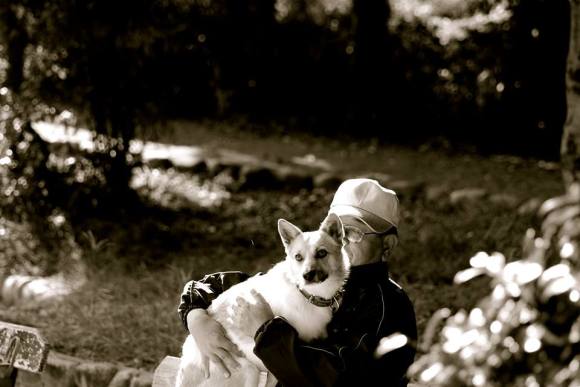
Attitudes about animals in Japan can be fairly retrograde by Western standards, with the idea that animals are just things, not beings with agency or feeling.
As veterinarian and animal advocate Shigeki Imamoto puts it, “The view that ‘dogs are dogs, cats are cats, and people are something else entirely’ has deep roots in Japanese society and the idea that owners have a responsibility to their pets has not yet spread throughout society.”
Complicating matters is a lack of awareness about what actually happens to animals when they end up at animal control and misconceptions about the suitability of adult animals for adoption.
To combat this, some NGOs and volunteers are focused on awareness-raising, such as photographer Sae Kodama, who makes posters to educate the public about the animals available for adoption at the hokensho and the responsibility people have to care for their pet its entire life.
▼Visitors take a look at some of Kodama’s photos.

In recent years, Kodama says Facebook and social media have made a huge impact on her efforts, exponentially increasing the number of people she is able to reach and the number of people who are able to reach her to collaborate or to get permission to use her photos and posters, a loop that empowers both sides.
“By chance, an elementary school teacher happened to see a poster I put up by a kindergarten,” she says, as an example. “The teacher used my posters to teach a lesson about the number of animals being killed. When I realize a life has been saved by the things I was able to communicate or that were communicated to me, it motivates me to continue with my efforts to raise awareness.”
Times, they are a-changin’
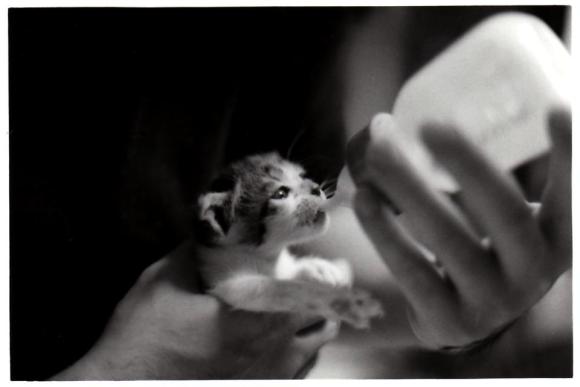
For all that remains to be done in Japan, things seem to be moving in the right direction. Fewer animals are being needlessly put down, more people and organizations are working in animal welfare, and most importantly, the public’s understanding of what it requires and means to keep a pet is changing. And that’s what progress looks like.
For those of you considering adopting an animal or volunteering your time or money, there are some great organizations in Japan including Animal Refuge Kansai, HEART Tokushima and Japan Cat Network. They do great work, so be sure to give them some love.
Top photo: Sae Kodama
Photos: RocketNews24, Sae Kodama, HEART Tokushima