
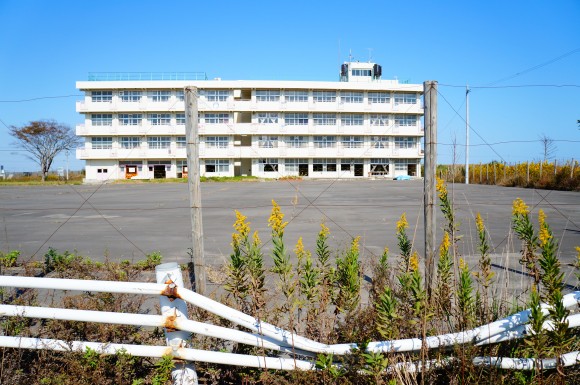
I recently visited several areas of the Miyagi coastline decimated by the 2011 Tohoku earthquake and tsunami. This is what I saw.
The 2011 Tohoku magnitude 9.0 earthquake, which struck off the coast of Miyagi prefecture at 14:46 p.m. on Friday, March 11, was the biggest earthquake to ever hit Japan. It shifted the world on its axis by estimates of between 10 centimetres and 25 centimetres ( (4 and 10 inches), and triggered a powerful tsunami across three prefectures which reached a height of 40.5m or 133ft. The tsunami, in turn, badly damaged the Fukushima Daiichi nuclear power plant, causing level 7 meltdowns at three of its reactors. 15,893 people died, 6,152 were injured, and 2,572 people remain missing.
While I was in Japan at the time, it was difficult to take in the magnitude of what was happening, particularly when the full scale of the tragedy was diminished to dry data figures. This year I finally got the chance to visit the Tohoku region for the first time with my family, and I was able to witness for myself what has been left, and what is being rebuilt, in the four years since the disaster.
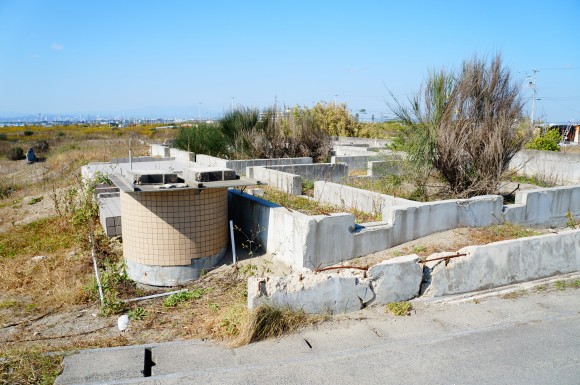
The first thing I realised during this visit is that due to the topography of Japan’s coastline, it is possible to drive through prospering towns that are still flourishing, and then five minutes later, drive through a barren wasteland with nothing but the concrete foundations of swept-away buildings left to prove that anyone ever lived there. Some towns are now construction sites, while some sit as empty fields, the husks of dead, blackened trees littering the landscape. And of course, there are the clusters of white headstones nestled together amidst the bare scrubland which mark the mass graves, dug by volunteers, where the dead were buried.

People in Japan are generally cremated in Buddhist ceremonies, but the sheer number of people killed exceeded the capacity of crematoriums and morgues, leaving the government and Japan Self-Defense Forces with no other option than to dig mass graves in which to inter the deceased
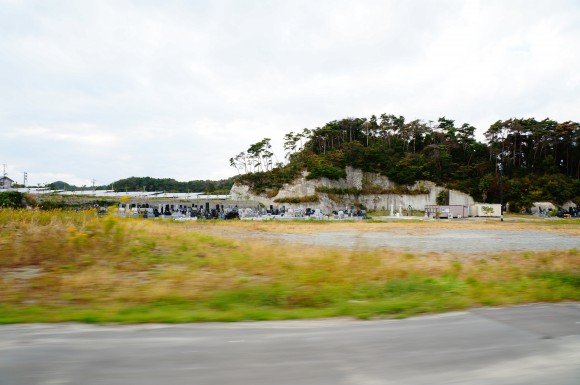
There are several reasons why I wanted to see these places for myself. Firstly, I believe it’s important to remember what happened, rather than turn our backs on unpleasant memories. Secondly, the people who have worked and lived on this land for generations are still there, working hard to rebuild. We cannot abandon them.
The Tohoku region is a genuinely lovely part of Japan, and is home to one of the Three Beautiful Views of Japan: the myriad tiny islands of Matsushima in Miyagi prefecture which pepper Matsushima Bay, and which protected the bay from the tsunami. I would recommend a visit to the Tohoku region to anyone who wishes to see the beauty of the nature of Japan. Tourism also can only help to support the economy and further the rebuilding efforts.
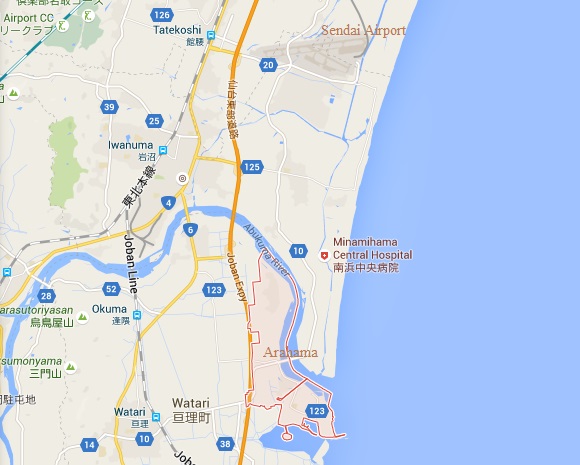
The first signs of destruction I saw were in the town of Arahama, a few minutes’ drive south of Sendai Airport (which was deluged when the tsunami struck yet is in operational order today). The town of Arahama did not fare so well. It is a collection of shrublands, dotted with concrete building foundations poking out of the long grasses. The only building still standing is the four-storey Arahama Elementary School. While badly damaged in the tsunami, it has not been torn down, and its shell remains as a memorial to the disaster.
The school is less than a minute’s walk from the sea wall, which was ineffective in holding back the tsunami. Along the Tohoku coastline, new, higher sea walls are currently being constructed. At Arahama, there is a sign detailing the construction process there. In the below picture, the yellow line represents the old sea wall, and the red line represents how much higher it is being raised.

This is all that’s left of Arahama – the concrete foundations of buildings.
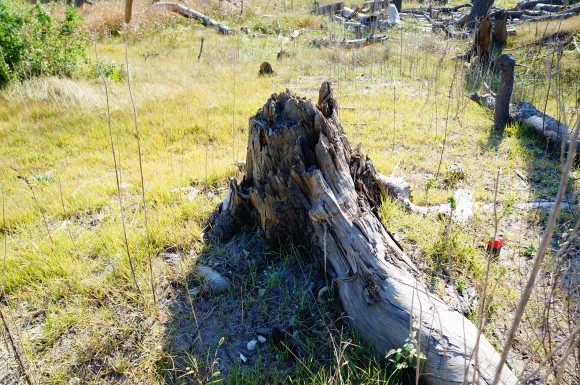
These trees were also victims of the tsunami.
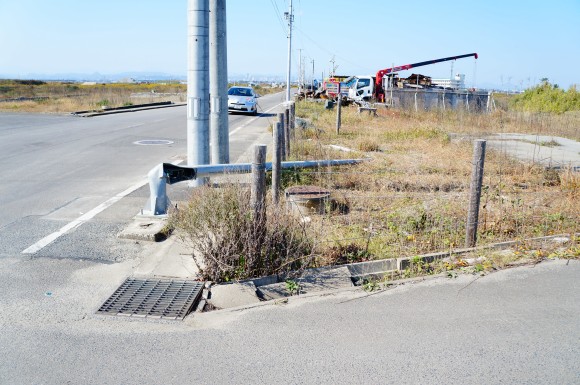
The force of the crushing water literally bent this electricity pole in half.
The landscape has been completely flattened.

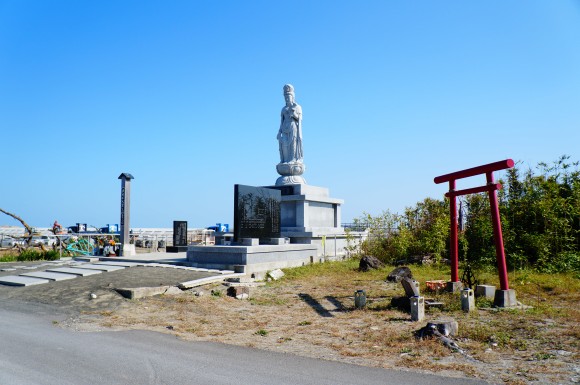
A shrine and memorial have been erected by the sea wall to honour those who lost their lives.

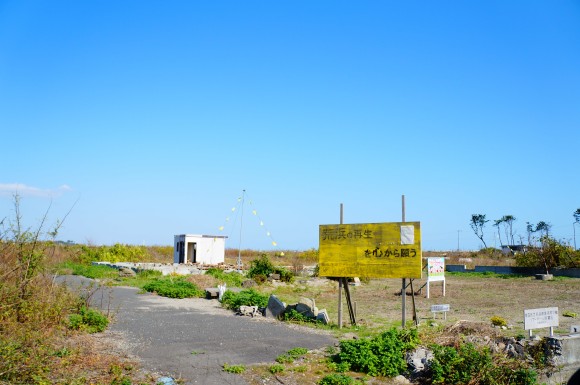
▼The yellow sign reads: “We pray for the resurrection of Arahama with all our hearts.”
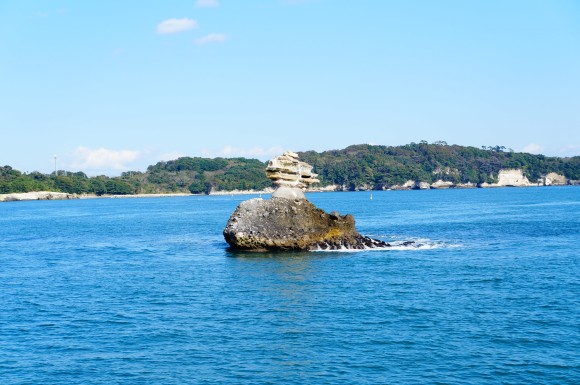
After our sobering visit to Arahama, we arrived at Matsushima Bay and enjoyed the beautiful autumn sunshine while walking along the long bridge to the closest of its tiny islands, Fukuura and cruising around the bay. Some parts of the rock formations on several of the islands were broken off by the tsunami, but it’s incredibly hard to tell that anything ever happened here. While strolling around, we felt a 4.0-magnitude earthquake, a common occurrence in Tohoku, which is still suffering aftershocks. It registered as a light trembling which was barely noticeable.
▼ One of the tiny islands of Matsushima, as seen from the tour boat which goes around the bay.
Driving north from Matsushima Bay, we encountered a desolate stretch of coastline with many clusters of white headstones glinting in the sun. Literally across the road from the failed sea wall, we also discovered an abandoned, four-storey building which appeared to have survived the tsunami.
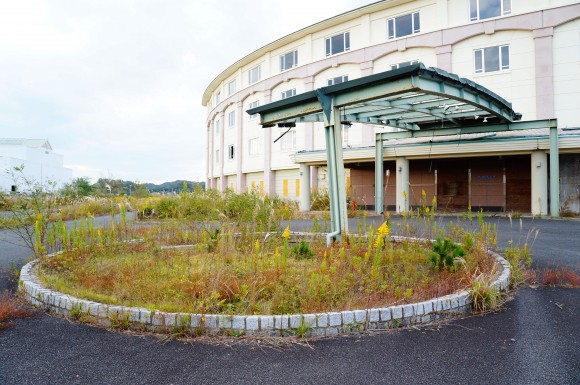
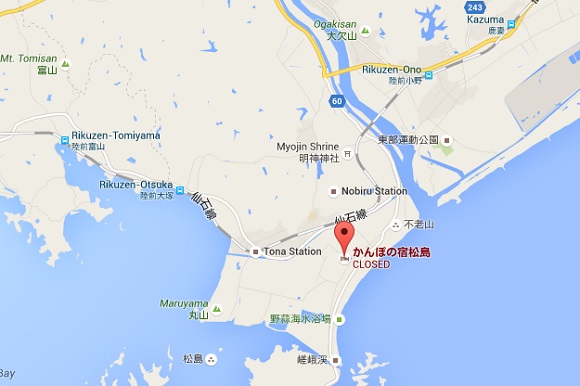
The building is a hot springs hotel, known as Kanpo no Yado Matsushima, one of the Kanpo no Yado hot spring chain hotels. The chain’s website now lists Kanpo no Yado Matsushima as “permanently closed”.
▼ Location of Kanpo no Yado Matsushima
The driveway seems a bit overgrown, but in general it doesn’t look too bad, until you look inside, which I was able to do because the front door was wide open.

▼ The lobby was full of debris.
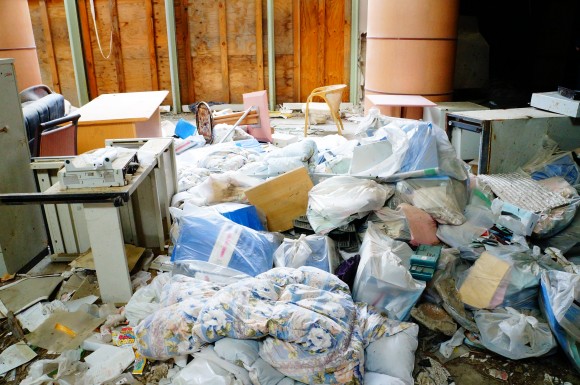
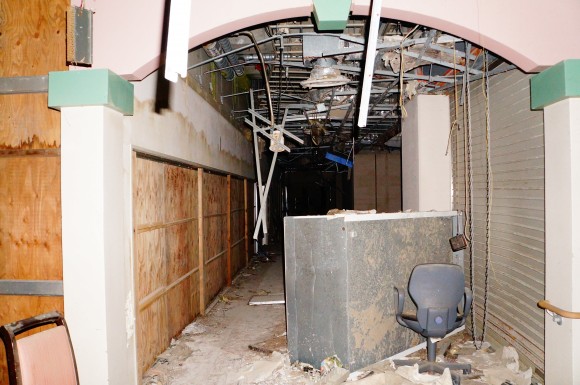
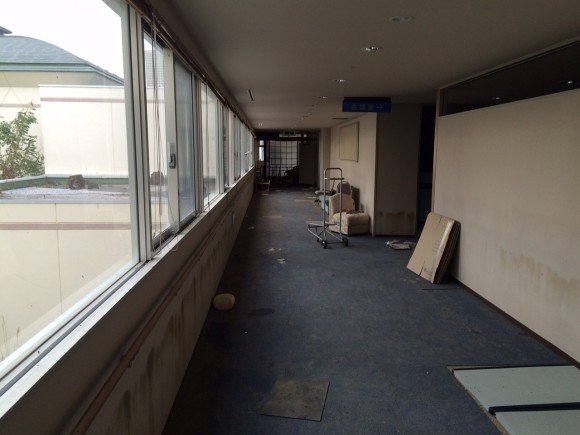
The inside of the hotel has been completely trashed, yet the upper floors are in much better shape. There is a visible tide mark on the second floor wall which marks how high the tsunami waters swelled. We can only hope that the guests were able to get to the higher floors in time.
▼ The tide mark from the tsunami is clearly visible in this second-floor hallway.
▼ The guest rooms on the higher floors are in decent shape still.
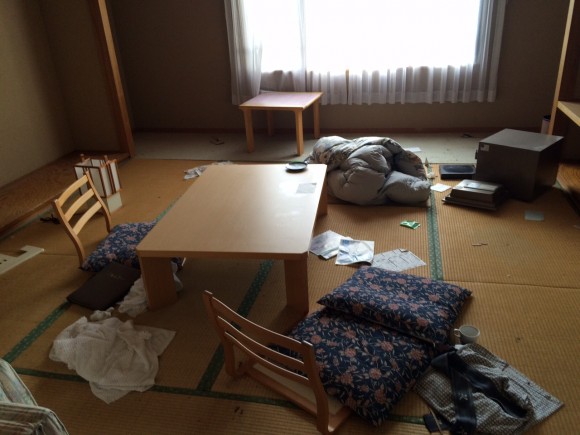
According to an article from 2014, the local government of Higashimatsushima, where the hotel is located, is currently seeking donations to raise funds to repair and refurbish it for use as an evacuation centre in the case of a future tsunami. The building, which was erected in 1975, is made of reinforced concrete which was strong enough to withstand one tsunami. With the proposed eventual reopening of the area’s public beaches, a reliable evacuation centre will be a necessity in the future.
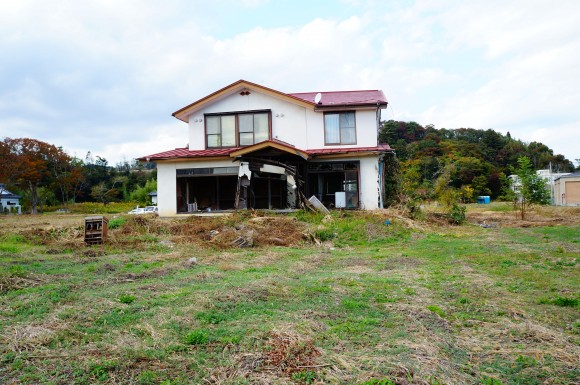
After Matsushima Bay, we continued our drive up the coast, and passed through another valley towards Ishinomaki Bay. On the way, we spotted a lone house that was still standing, its damage perfectly preserved.
An American teacher on the JET Program, Taylor Anderson, was among those killed in Ishinomaki. Ishinomaki Okawa Elementary School lost 70 of 108 students and nine of 13 teachers and staff. The teachers and children crossed a river bridge in order to reach higher ground and were swallowed by the tsunami travelling inland via the river.
▼ A damaged bridge in Ishinomaki
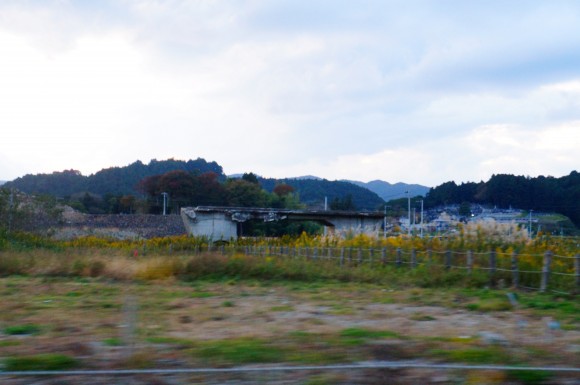
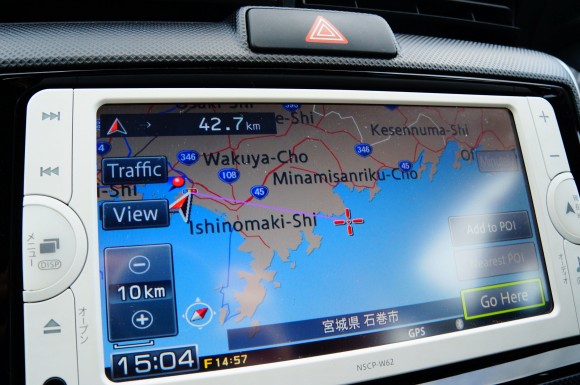
The last part of our journey was by far the saddest. We were heading to Minamisanriku, a town whose name kept popping up in every report about the tsunami’s devastation. I already knew that the small, coastal valley town was badly damaged in the disaster, but I completely underestimated how much. As we turned the corner of the winding valley path which looks down on the bay, I wasn’t initially sure what I was looking at. There is no town there at all. Minamisanriku is gone.
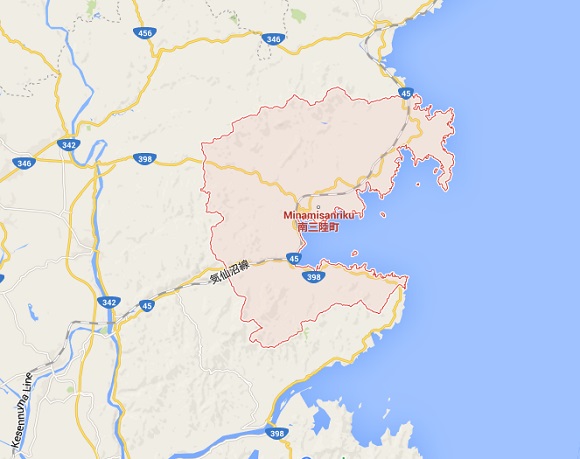
The area where the town used to be now looks more like a quarry. Construction vehicles are everywhere, and piles of finely ground-up debris form small hills which you can drive through down to the pier.
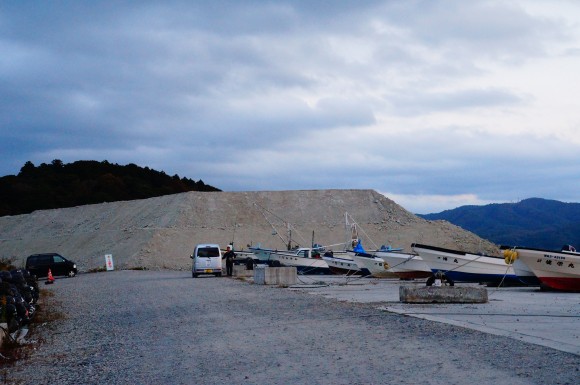
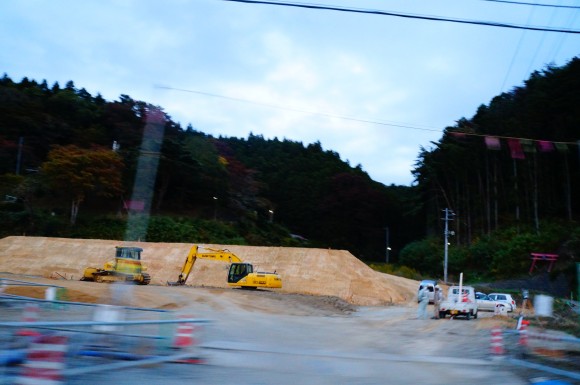
▼ More than half of the population of the town of Minamisanriku died.
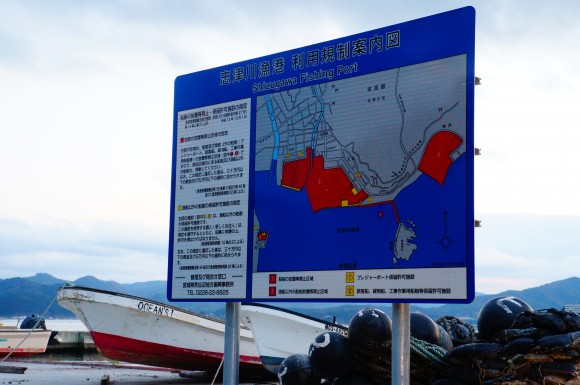
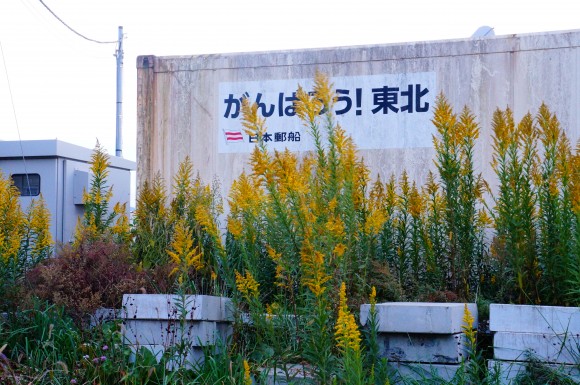
▼ A sign in Minamisanriku reads: “Hang in there, Tohoku”
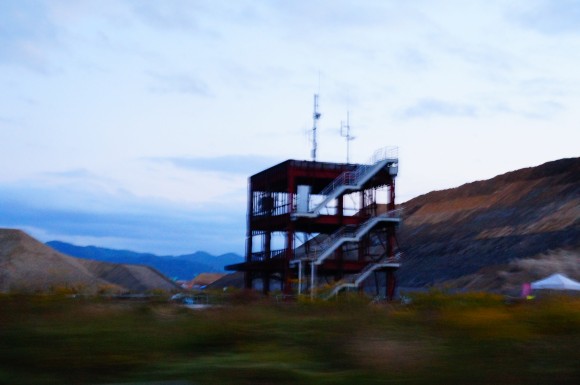
There are no houses, no trees, no vegetation, and no buildings, except for one – a red skeletal structure. It is all that remains of the town’s three-storey Crisis Management Centre. The roof of the building was completely submerged during the tsunami, and people were photographed clinging to the building’s rooftop antenna.
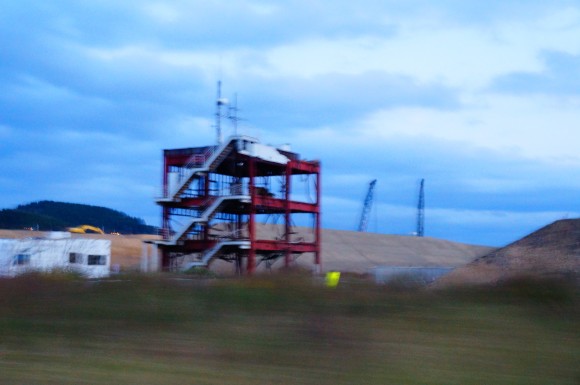
While much of the remains of Minamisanriku have been razed away to make fresh for the rebuilding efforts, the Crisis Management Centre building’s metal skeleton will remain standing as a memorial to those whose lives were lost.
All photos ©RocketNews24
Additional sources: Wikipedia, Ishinomaki Kahoku, Bo-sai
 Man reported missing after 2011 Tohoku earthquake found alive and well
 Pokémon GO preserves the memory of building lost in Japan’s 2011 tsunami by making it a PokéStop
 Moving video commemorates anniversary of the 2011 Tohoku earthquake and tsunami in Japan
 We visit a tsunami-ravaged region almost a decade after the Great East Japan Earthquake
 Pokémon GO helping tsunami-damaged communities in Japan recover with cool promotion going on now
 Japan reportedly adding Japanese language skill requirement to most common foreigner work visa
 Peanuts and Coke becomes a viral hit in Japan, but is it a trend worth joining?
 Man bites woman at cherry blossom park in Japan, dies shortly after
 Foreign man arrested for walking on Shinkansen tracks, claims he was on the run from yakuza
 New Japanese KitKats come in sakura flavour, with poetic symbolism for success
 New 7-Eleven sandwich goes viral in Japan, but is it everything it’s cracked up to be?
 Drift ice in Japan is a disappearing winter miracle you need to see now
 Tokyo street sweets: The must-snack treats of Nakano’s Refutei
 Japan Extreme Budget Travel! A trip from Tokyo to Izumo for just 30,000 yen [Part 2]
 You can assemble a well-balanced team of Pokémon, them eat them, thanks to Japanese cake chain
 Pokémon and Ikea Japan cross over into each other’s worlds with collaboration events
 Starbucks Japan closing only Shinkansen platform branch for popularity-triggered renovations
 Two food hacks take Japan’s convenience store fried chicken to amazing new sandwich heights
 Fading Tokyo – Searching for signs of the Showa era as local neighborhoods evolve[Photos]
 Pokémon lacquerware series expands for Year of the Horse with new handcrafted design[Video]
 Tokyo turns its phone booths into free Wi-Fi hotspots, and here’s how to use them
 Tokyo teahouse serves up a sakura matcha dessert you won’t find anywhere else
 Totoro Fund line of beautiful artwork and apparel lets you help the real-world Totoro Forest
 Japan now has a special desk for people who work at home with a pet cat[Photos]
 Famous Tokyo cherry blossom spot installs view-blocking screens to fight overcrowding[Video]
 Uniqlo announces new T-shirts for One Piece, Naruto and more for manga publisher’s 100th birthday
 Train station platform ramen store closes its doors on half a century of history in Tokyo
 Starbucks Japan releases new My Fruit³ Frappuccino at only 34 stores around the country
 Studio Ghibli releases Catbus pullback keychain that runs like the anime character
 Krispy Kreme releases Super Mario doughnuts in Japan for a limited time
 Japanese onsen egg maker from 100-yen store Daiso needs to be on your shopping list
 Survey asks foreign tourists what bothered them in Japan, more than half gave same answer
 Japan’s human washing machines will go on sale to general public, demos to be held in Tokyo
 Starbucks Japan releases new drinkware and goods for Valentine’s Day
 We deeply regret going into this tunnel on our walk in the mountains of Japan
 Studio Ghibli releases Kodama forest spirits from Princess Mononoke to light up your home
 Starbucks Japan releases new sakura goods and drinkware for cherry blossom season 2026
 Japan’s newest Shinkansen has no seats…or passengers [Video]
 Major Japanese hotel chain says reservations via overseas booking sites may not be valid
 Put sesame oil in your coffee? Japanese maker says it’s the best way to start your day【Taste test】
 No more using real katana for tourism activities, Japan’s National Police Agency says
 Miyagi restaurant refuses to accept customers’ money after tsunami warning evacuation
 Eva tie-wearing Japanese minister resigns after saying “it’s a good thing the tsunami hit Tohoku”
 Five years on, Google Maps updates images of areas affected by 2011 earthquake and tsunami
 Video highlights remarkable recoveries of towns destroyed by the 3.11 Tsunami seven years later
 Town destroyed by 2011 earthquake and tsunami creates anime based on stories of residents
 15 years after Tohoku tsunami, Japan’s free disaster phone message number is important to remember
 Great East Japan Earthquake memorial service broadcast in Shinjuku after years-long absence