
Try some of these out the next time you need to cool off.
Summer in Japan can be brutal. High temperatures combined with high humidity can make you not want to leave the confines of your air-conditioned apartment… for the next three months.
Luckily the Japanese people themselves have come up with some pretty ingenious (and sometimes hilarious) ways of staying cool in the summer. The techniques vary by region, and what may be perfectly normal in one prefecture may be off-the-wall crazy in another. The hotter a place tends to get in the summer, the crazier ideas its residents tend to use.
That’s why today we’re counting down the top five odd ways Japanese people beat the summer heat. Aside from the obvious — drinking mugicha (barley tea) and eating kakigōri (shaved ice) — what other ways might you see people in Japan avoiding the sun’s burning hugs?
So let’s get to it! Starting off with…
Honorable Mention: Covering up to the max
When I lived in Okinawa, one of the biggest culture shocks I had was seeing how much people covered up in the brutal, nearly-tropical summers. (And that’s saying something, considering some of the other culture shocks we’ve talked about before.)
I distinctly remember one time walking down the street and seeing someone walk toward me who looked like she was bundled up for a winter snowstorm. She had on a big floppy hat, sunglasses, scarf around her face, long-sleeved jacket, gloves, and long pants. It was one of the few times I felt like I might’ve been on another planet and not another country.
▼ And you better believe those gloves were
the kind that went all the way up to her shoulders.
While all this covering up may seem counterintuitive at first, it makes sense if you think about it. With such intense heat, it only takes a few minutes in the sun to get burned, and putting on sunblock can be sticky and uncomfortable, especially if you’re only going outside for a little while.
Of course this is only an honorable mention since the people covering up are only technically “staying cool” in the same way you’re technically “cooler” if you don’t have a sunburn than if you do. But add on the fact that pale white skin is seen as beautiful in Japanese society and you end up with people sometimes looking like this when they go outside in the summer:
▼ “Taking precautions against the sun
made me end up looking like a farmer.”
▼ “Going full-on sun protection this year. Last year too, I went to work like this every day. I look like an old woman or criminal, but I can deal with it.”
https://twitter.com/ayaputyo/status/863647741376839680#5. Body sheets
ハビナース さっとさわやか からだふき 60枚入 https://t.co/jngz5hNbqy pic.twitter.com/so1Hu9c95L
— 人気商品ナンバーワン!! (@ninki18) September 28, 2016
No matter how many precautions you take against the heat, eventually you’re going to sweat. And if you’re anything like me, that sweat doesn’t come in little droplets, but more like waterfalls of hot, liquid misery.
▼ Actual photo of me walking to work in the summer.
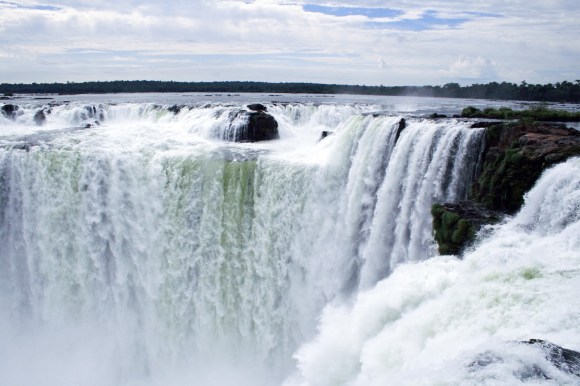
Every morning I arrived drenched after walking to work in Okinawa, and I would have to change into another set of fresh clothes. But even then, I couldn’t shake the uncomfortable hot feeling that would permeate the office all day as the sun tried to force itself through the windows and into our skin.
Thankfully one of my coworkers introduced me to “body sheets,” basically just moist wipes that you can rub on yourself when you’re feeling hot and sweaty to cool yourself down. I was skeptical at first, but pretty soon I was rubbing them on my arms, neck, face, and anywhere else I could reach, just like my coworkers.
▼ Actual photo of me using a refreshing body sheet.

While the wipes are great at cleaning sweat and giving you a brief respite, unfortunately their coolness doesn’t last very long. Just a few minutes after wiping, the heat starts to come back, and then you start craving another one. Before you know it you’ve spent all your summer salary on chasing after that sweet, sweet body sheets high.
▼ I may not have any more money…
but at least now I’ve freed up some pocket space for more body sheets!

#4. Parasols
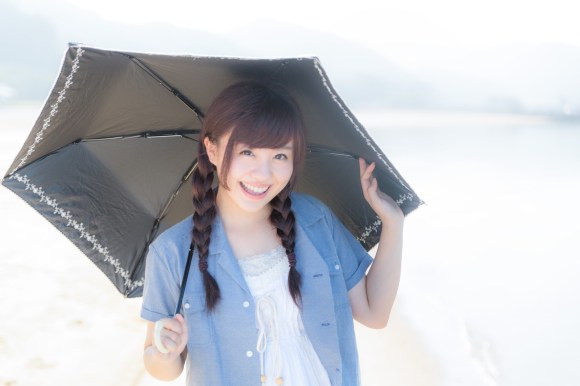
I don’t know what it’s like in other countries, but in the U.S. I’ve never seen anyone use an umbrella aside from when it’s raining. In Japan though, sun parasols are almost as common as rain umbrellas, and on days when it’s really hot out, you can see them everywhere.
▼ No rain here, unless you count raining sunbeams of death!
日傘さしてる人多すぎて雨かと疑うレベル pic.twitter.com/yzTAhaBAZR
— ゆーちゃん@プロ🚑 (@sekaowa_yuutyan) May 20, 2017
Usually it’s only women who use sun parasols, to keep their skin from being directly hit from the sun and getting tan (it’s a lot easier than doing the full cover up we saw before). But when I lived in Okinawa, and on days when the sun was especially intense, I had no scruples about breaking out the parasol to try and get any amount of relief from the oppressive sun rays.
▼ And as this guy shows, it’s perfectly possible to look
like a badass dude while holding a parasol.
男が日傘ってそんなジロジロ見る?? pic.twitter.com/gfSCBpuvAr
— マグまぐ (@gagaga0888) April 24, 2017
#3. Ice pillows
アイスノン最高!
— 鈴木キューリ (@kyu_suzuki) July 25, 2015
部屋の温度31度でも寝られる。
カバー付きのピローよりこちらのソフトの方が効きます。
それ以前に精神的肉体的に限界で疲れ果てて起きれないだけなのかも。 pic.twitter.com/ZHbuaweEj9
Ice pillows may sound like something you’d get at a Hokkaido ice hotel, but when summer comes around in Japan, you can pick them up at must drugstores. They’re perfect for people who either don’t have air conditioning in their home, or people too cheap to turn theirs on
▼ I can do it… I can sleep without the AC.
I just need another cup of shaved ice and body wipes….
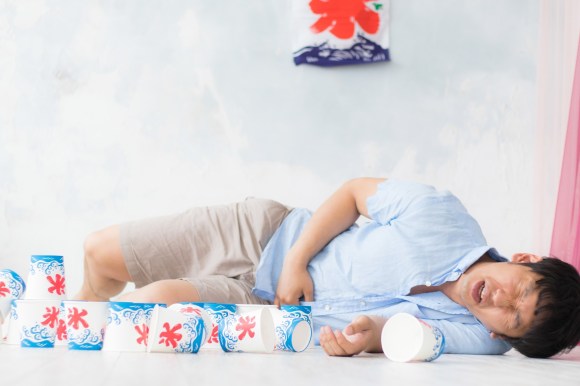
The ice pillow is basically exactly what it sounds like. It’s an ice pack that slides inside a pillow, keeping your head nice and cool as you try to get to sleep. Cold heads tend to produce more melatonin (the hormone that regulates sleep), so it might be something to try if you’re tossing and turning on those sweaty summer nights.
There are a variety of different ice pillows, but most of them follow the same pattern: an ice pack you drop into the freezer in the morning and pick up at night, and something slightly more soft and nice to insert it into to actually lay your head on.
▼ This ice pillow aficionado puts a towel around the ice pack’s soft container,
preferring a cool soothing feeling to an outright igloo.
俺の夏枕アイスノンピロー
— マッシー@ (:3_ヽ)_ (@masshi20) August 9, 2016
ソフトとハードな保冷剤で別れててゴツゴツしないし半日くらい持続する[布団]ε:) pic.twitter.com/CyZZHVYG87
#5. “Green curtains”
今日は曇ってて涼しいから、今のうちにグリーンカーテン設置!!
— ムネムネ (@20100625masa) June 18, 2017
これで毎日自宅警備してるマサムネも快適に過ごせるかな? pic.twitter.com/qzzelDAVov
In Japan, air conditioners get a pretty bad rap. Up until recently, most air conditioners used CFCs (ozone-depleting chlorofluorocarbons) as their cooling agents, though they’ve largely been replaced by HCFCs (hydrochlorofluorocarbons) which do 95 percent less damage to the ozone.
Despite that though, Japan is always looking for the most “eco-friendly” ways to stay cool in the summer, and it’s hard to be more eco-friendly than with a “green curtain” — an outside curtain made of natural plants, usually goya (“bitter melon”).
▼ Goya may be a bit of an acquired taste,
but the coolness it provides certainly isn’t!
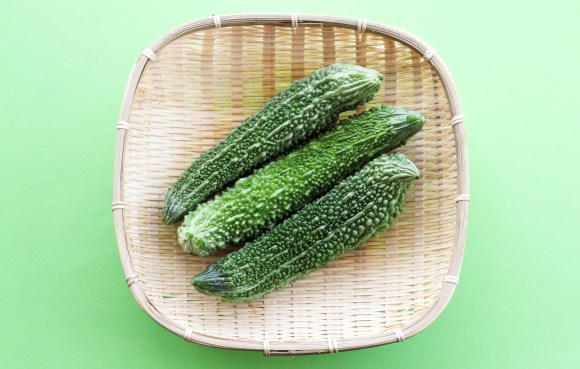
Goya are chosen over other plants because their vines and leaves grow quickly, fairly thickly, and most importantly, naturally climb as they grow, latching on to the green-curtain lattice and staying there.
Once fully grown, a green curtain, generally grown right outside a window, blocks direct sunlight coming into the room, reducing the temperature indoors by up to 30 degrees Fahrenheit (15 degrees Celsius). And even if a green curtain doesn’t go that far, it can still reduce the temperature by a couple degrees, thus making the air conditioner work less and save energy.
▼ Ahhh, I’m feeling cooler just looking at it.
https://twitter.com/tklovesoccer/status/756762157782487040Green curtains are most popular in goya’s native Okinawa, where the summer heat is oppressive, but it’s a trend that’s started to spread to the rest of Japan too. It may seem a little strange at first, but you get to save money on energy, help the environment, and even have some fresh goya to cook when it’s grown.
▼ And you can use them to make goya chanpuru, Okinawan stir fry
made with goya, egg, SPAM… and basically anything else you want!
学食でゴーヤチャンプルーが食べれるなんて🌺🌺🌺 pic.twitter.com/bfmA10fx7f
— まんchan@湘南SHINKER/AID (@jetboy_hy29) June 21, 2017
And the #1 odd way Japanese people beat the summer heat is…
.
.
.
.
.
.
.
.
.
.
1.The Okinawa yaki-imo (baked sweet potato) truck
そういえば沖縄の最高気温は28℃ぐらいでしたが、まだ焼き芋屋さんが出てました。 pic.twitter.com/8bBS0ZWTyp
— インナービジョン(水谷) (@innavi_takmiz) April 6, 2015
The yaki-imo truck is exactly what it sounds like: a truck that slowly drives around the neighborhood selling hot baked sweet potatoes cooked right in the back, all the while blaring their hypnotic song to entice customers.
While yaki-imo trucks are a thing in the rest of Japan, they’re usually associated with fall/winter, which makes sense — a nice hot food when it’s starting to get chilly out.
But in Okinawa (the land of green curtains!), the yaki-imo trucks are at their peak during the last time of the year you’d expect: summer.
▼ Here’s a video of an Okinawan yaki-imo truck, constantly repeating its song:
“stone-baked sweet potatooooes, stone-baked sweeeeet potatoes!”
When I first encountered the hot potato truck in Okinawa, I was kind of at a loss for words. Why on Earth would someone want to buy a hot potato from a truck in the middle of the sweltering summer?!
I asked my friends in Okinawa, and they always told me the same thing: eating the potato makes them feel cooler. Some of them say the hot potato makes them sweat which cools them off, some of them say they feel cooler after they eat it (presumably because they’re not eating a hot potato anymore!), and some of them just said the sweet potato flavor cooled off their insides.
To be fair, it kind of makes sense. Even though the baked potato didn’t really work as a cooling method for me when I personally tried it, I can see how it’s a “summer” food for them. It’s kind of like how grilled hot dogs, hamburgers, and corn aren’t exactly the coolest foods in the world either, but we still associate them with summer and want to eat them then.
▼ Which helps make video titles like this make a lot more sense: “It’s summer,
so I cooked a hot potato in my yard.” You do you, buddy. You do you.
So there you have it, the top five odd way Japanese people beat the summer heat. Did we miss any of your favorite ways to stay cool in the summer in Japan? Let us know in the comments and hey, getting some cool airflow in the bathroom is yet another item to tag onto the list of the top five reasons Japanese squat toilets are awesome.
Top image: PAKUTASO (edited by SoraNews24)
W.T.F. Japan will be back next Thursday. In the meantime, say hi on Twitter and let me know if there’s any topics you’d like to see covered. See you next week!
 W.T.F. Japan: Top 5 nicest sounds in Japan【Weird Top Five】
 W.T.F. Japan: Top 5 strange Japanese office occurrences【Weird Top Five】
 W.T.F. Japan: Top 5 strangest ways to be polite in Japan 【Weird Top Five】
 W.T.F. Japan: Top 5 biggest Japanese food challenges【Weird Top Five】
 W.T.F. Japan: Top 5 best Tamagotchi releases 【Weird Top Five】
 Wisteria season starts early with blooming of Japan’s Great Wisteria in its beautiful garden
 Japan’s best conveyor belt sushi restaurant of seven years ago has now, finally, come to Tokyo
 Japanese government wants overseas anime market to roughly triple in 10 years, but are they crazy?
 Japanese bento shop sells croquettes for 13 cents, but are they any good?
 Japanese trains in Sapporo might be better than those in Tokyo, thanks to one special feature
 Cold Stone’s new mochi ice cream pops are packed with Japanese flavors like azuki and kuromitsu
 No, that’s not French bread, it’s Japan’s crazy-big gobo!
 Fading Tokyo – Horikiri Station, the Arakawa River, and Kinpachi-sensei[Walking course]
 How to easily make Salmon & Cheese Grilled Rice Balls, a tasty camp food【SoraKitchen】
 Godiva now makes tofu in Japan, and sakura chocolate tofu too![Taste test]
 Japan reportedly adding Japanese language skill requirement to most common foreigner work visa
 Mt. Fuji decorated with a 500,000-flower pink carpet is Japan’s ultimate spring view
 Lawson convenience store at popular tourist site is one of the most unusual in Japan
 30 Pikachus want to share a Tokyo hotel room with you that has separate Grass, Water, Fire spaces
 You can assemble a well-balanced team of Pokémon, them eat them, thanks to Japanese cake chain
 Man bites woman at cherry blossom park in Japan, dies shortly after
 7-Eleven Japan’s new baked-in-store sweet treat is only available in three parts of the country
 Starbucks Japan closing only Shinkansen platform branch for popularity-triggered renovations
 Pokémon and Ikea Japan cross over into each other’s worlds with collaboration events
 Japan now has a special desk for people who work at home with a pet cat[Photos]
 Famous Tokyo cherry blossom spot installs view-blocking screens to fight overcrowding[Video]
 Uniqlo announces new T-shirts for One Piece, Naruto and more for manga publisher’s 100th birthday
 Train station platform ramen store closes its doors on half a century of history in Tokyo
 Starbucks Japan releases new My Fruit³ Frappuccino at only 34 stores around the country
 Krispy Kreme releases Super Mario doughnuts in Japan for a limited time
 Japanese onsen egg maker from 100-yen store Daiso needs to be on your shopping list
 Survey asks foreign tourists what bothered them in Japan, more than half gave same answer
 Japan’s human washing machines will go on sale to general public, demos to be held in Tokyo
 Starbucks Japan releases new drinkware and goods for Valentine’s Day
 We deeply regret going into this tunnel on our walk in the mountains of Japan
 Starbucks Japan releases new sakura goods and drinkware for cherry blossom season 2026
 Studio Ghibli releases Kodama forest spirits from Princess Mononoke to light up your home
 Japan’s newest Shinkansen has no seats…or passengers [Video]
 Major Japanese hotel chain says reservations via overseas booking sites may not be valid
 Put sesame oil in your coffee? Japanese maker says it’s the best way to start your day【Taste test】
 No more using real katana for tourism activities, Japan’s National Police Agency says
 W.T.F. Japan: Top 5 most annoying sounds in Japan 【Weird Top Five】
 W.T.F. Japan: Top 5 most insane kanji place names in Japan【Weird Top Five】
 W.T.F. Japan: Top 5 “shikata ga nai” (“it can’t be helped”) situations in Japan【Weird Top Five】
 W.T.F. Japan: Top 5 strange things Japanese people do for Christmas【Weird Top Five】
 W.T.F. Japan: Top 5 offensive Japanese insults【Weird Top Five】
 W.T.F. Japan: Top 5 hardest Japanese habits to break 【Weird Top Five】
 W.T.F. Japan: Top 5 confusing Japanese Internet slang words 【Weird Top Five】
 W.T.F. Japan: Top 5 kanji with the longest readings 【Weird Top Five】
 W.T.F. Japan: Top 5 kanji with ironic meanings【Weird Top Five】
 W.T.F. Japan: Top 5 creepiest Japanese insects 【Weird Top Five】
 W.T.F. Japan: Top 5 hand gestures that Japanese people don’t understand【Weird Top Five】
 W.T.F. Japan: Top 5 Japanese foods for people who don’t like seafood 【Weird Top Five】
 W.T.F. Japan: Top 5 creepiest Japanese animals 【Weird Top Five】
 W.T.F. Japan: Top 5 craziest things about the Japanese medical system【Weird Top Five】
 W.T.F. Japan: The top five “sora” references of all time! 【Weird Top Five】
 W.T.F. Japan: Top 5 most famous pet dogs in Japan【Weird Top Five】