
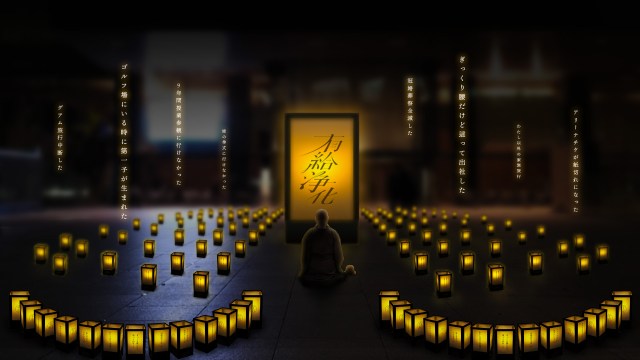
Workaholics asked to address this senseless loss in a country where taking paid leave is frowned upon.
While the Western world espouses the benefits of productivity and working smarter not harder, here in Japan, harmony is largely valued over productivity. This work ethic is the central reason why employees won’t finish go home their boss, why meetings take forever and seem to come to no conclusion, and why everybody is afraid to use their paid holidays.
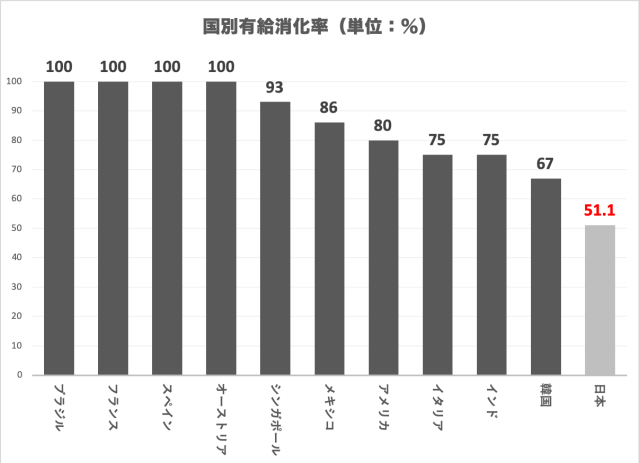
According to the Japanese Ministry of Health, Labour and Welfare, the rate of workers taking paid holidays in Japan in 2017 was 51.1%, ranking far behind Brazil, France, Spain, Australia, Singapore, Mexico, America, Italy, India and Korea.
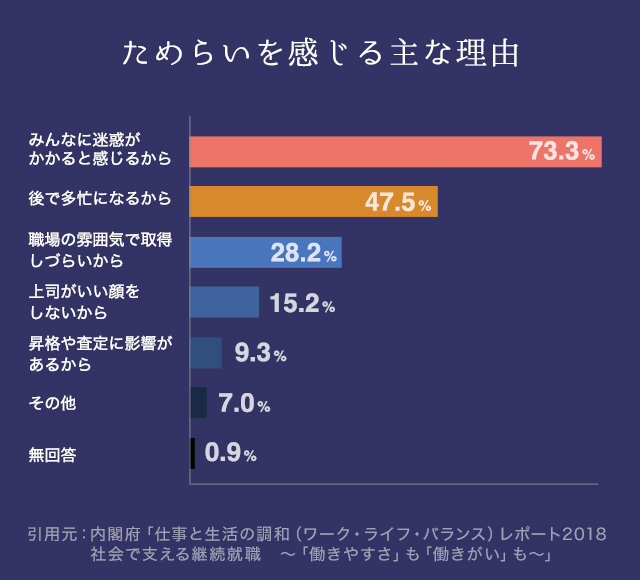
Over the three years from 2016 to 2018, Japan had the lowest paid-leave acquisition rate amongst developed countries. According to a Work-Life Balance report from 2018, the overwhelming reason given by 73.3 percent of respondents as to why they didn’t want to take paid leave was because they felt it would inconvenience everyone. 47.5 percent said they would be busy afterwards if they took paid leave, while 28.3 percent said it wouldn’t be good for the work environment, 15.2 percent said their supervisors wouldn’t like it, and 9.3 percent said it would affect their chances of promotion.
This habit of working overtime for free and saying no to entitled leave may look admirable from the outside, but it’s detrimental to people’s mental and physical health. Death by overwork is such an issue that Japan has even coined a word for it — karoshi — and the Japanese government is now attempting to help solve the problem by passing Work Style Reform Legislation. This new legislation aims to reduce working hours and change working habits, and from April this year, employees are now obliged to take at least five days of paid leave annually once more than 10 days of annual paid holidays have been accrued.
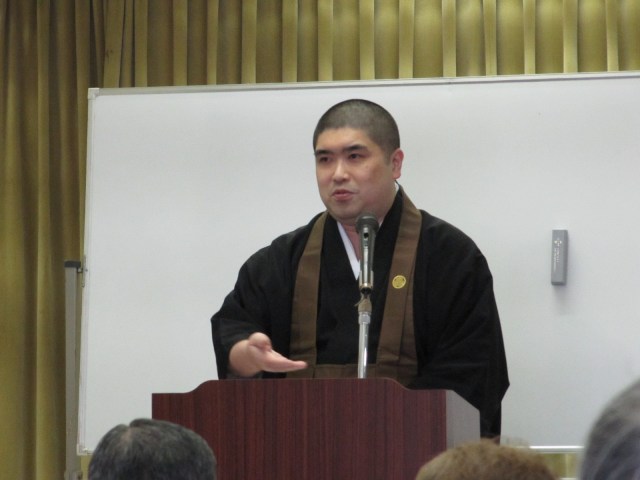
While the new legislation aims to improve the lives of the nation’s workers, what really has to change is the attitude of people in the workplace. And that’s where Yuukyuu Jouka steps in. This Buddhist ceremony is the brainchild of Japanese event organising company Ningen, who has enlisted the help of Takurou Sayama, a Buddhist priest from Sainenji temple in Tokyo’s Taito Ward, to perform a special ceremony to help people understand the importance of taking paid holidays.
Yuukyuu Jouka, which literally translates to “Paid Leave Purification“, aims to eliminate the stigma associated with taking paid leave by encouraging people to think of their paid leave as if it had a soul. In this way, workers may be able to sense the loss that comes when paid leave disappears without having been acquired, and this mourning will help people to understand and appreciate its value.
▼ The event will be held at an appropriate time of year, on the Labor Thanksgiving Day public holiday and the day preceding it.

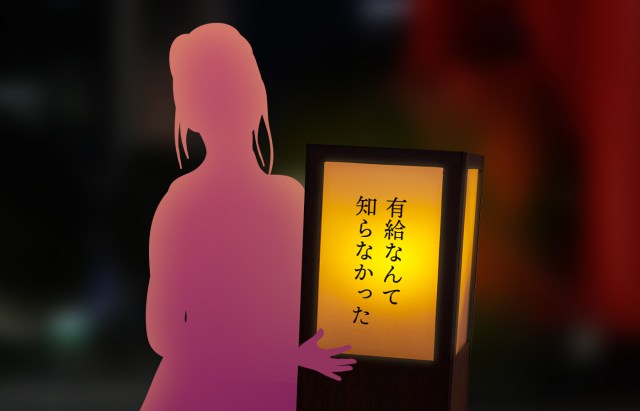
The Buddhist priest will perform the solemn ceremony whilst chanting by the light of 300 lanterns, which represent the souls of unused paid leave days. Each lantern will be printed with a tale of a remorseful incident, with messages chosen from submissions which can be suggested online until 15 November.
If you’re looking for ideas to submit, a short survey conducted by the organisers revealed the following examples of remorseful incidents:
“My daughter cried because I postponed her preschool birthday party from May until December (Woman in her 30s)
“While I was shovelling a hamburger into my mouth on a golf course in Houston [on business], my first child was born (Man in his 30s)
“‘What’s more important to you, your friends or your company!!!’ I yelled at my friend. ‘I’m sorry, I can’t choose,’ they said. Then, after a long silence, like something from a TV quiz show, they said, ‘My company,’ and that’s when I lost my friend.” (Man in his 20s)
Visitors will be able to peruse the lanterns and vote for their favourite message by placing a sticker on the one that resonates with them the most. The contributor whose lantern receives the most stickers will be presented with a “Golden Paid Leave Registration” certificate.
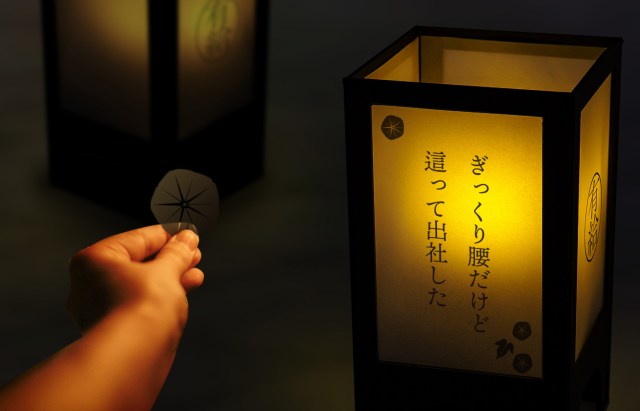
There will also be a number of plain lanterns at the event for visitors to use to express their own personal message of grief. These can then be photographed and shared on social media, to further spread awareness about the sorrow that can result from not honouring your paid leave.
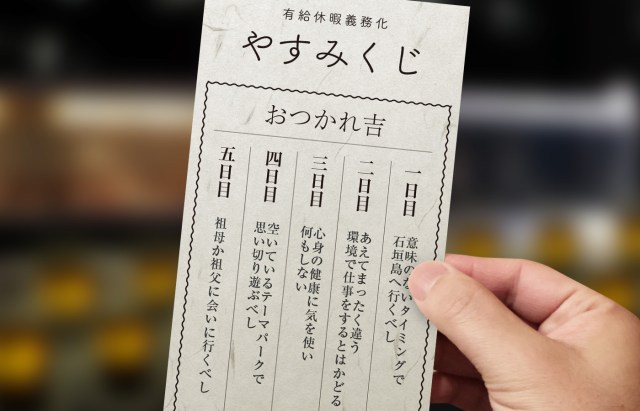
Adding to the religious element is these novel “yasumikuji”, a play on the word “yasumi“, which means vacation, and “omikuji“, fortunes sold at temples and shrines. These yasumikuji come with five ideas for things to do on a five-day paid-leave holiday, including visiting grandparents and enjoying crowd-free theme parks on a weekday.
When you think about it, losing your paid holidays really is a devastating loss that nobody should have to go through. Here’s hoping the ceremony turns out to be such a success that it returns next year with even more attendees and media attention.
And maybe next time they’ll spare a thought for the non-existence of paid sick leave as well.
Event Information
Yuukyuu Jouka / 有給浄化
Address: Tokyo-to, Chiyoda-ku, Otemachi 1-7-2
東京都千代田区大手町1-7-2
Times: 22-23 November 6:00 p.m. Yuukyuu lantern lightup; 6:30 p.m.-9:00 p.m. Ceremony; 9:10 p.m. Close
Website
Source, images: PR Times
● Want to hear about SoraNews24’s latest articles as soon as they’re published? Follow us on Facebook and Twitter!