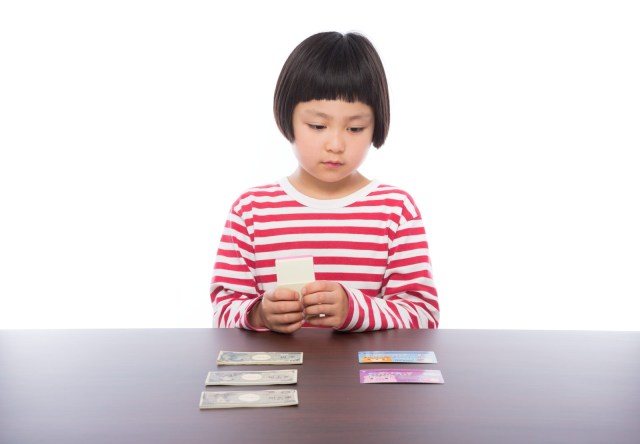
On average, parents in Prefecture #1 are paying around five times more to send kids to school than parents in Prefecture #47.
The only thing worse than attending school is having to pay for it, am I right? Sadly, while every child may have a right to an education, that doesn’t mean that it always comes cheap. Even if children attend government-funded schools their parents may still be paying for uniforms and extra-curricular activities. Additionally, compulsory education is only until the end of middle school, which means paying tuition fees even for public high schools. There’s also the fact that despite the publicly-funded options for elementary and junior high schools being free, some parents opt for private institutions with high price tags.
On December 12 of this year, the results of the Ministry of Internal Affairs and Communications’ survey into household income and expenditure were officially published, so we could get a glimpse into the breakdown of family finances across Japan. Surprisingly, the average amount spent per household on education has undergone a significant decrease in the two decades since the year 2000. The average in 2000 was 167,089 yen (US$1,467.74), whereas in 2020 it was 123,514 yen.
But something else decreased along with it. Can you guess what?
▼ That’s right, the number of babies!

As the birth rate declines, and the number of babies with it, it naturally follows that fewer households contain children of schoolgoing ages—18 years old and under. The average number of under-18s in a household was 0.74 in 2000 and has dropped to 0.56 in 2020, so the average budget for a schoolgoing child needs to be adjusted accordingly. And there was another interesting factor in the mix for which parents were spending more to give their kids an education… Namely, where they lived.
One of the top new Japanese words in 2021 was naninani-gacha, or “(noun) roulette”. To put it simply, it’s the idea that a lot of your luck in life is decided at random. Did you win the parent roulette (oya-gacha) by being born to rich, successful, kind parents? That might be poor comfort if you lose the boss roulette (bosu-gacha) and have to spend every day at work being belittled, harassed, and forced to do grueling overtime. While the averages expressed here are just that—averages, meaning that some parents are spending significantly more or less than that average—it paints an interesting picture of parenthood in those prefectures, and how much people are willing to spend to get a good education there.
The bottom five prefectures are as follows:
47. Aomori Prefecture (104,667 yen average per year)
46. Tottori Prefecture (110,365 yen average per year)
45. Okinawa Prefecture (125,611 yen average per year)
44. Yamaguchi Prefecture (143,734 yen average per year)
43. Miyazaki Prefecture (147,717 yen average per year)
Many of these prefectures are out in the country where there are, presumably, fewer educational institutions—with many of those being publicly funded options. This doesn’t mean that no one at all in Tottori is splashing their cash on fancy tutors for every subject, but it does suggest there may be less of a push to spend on private schools and the like.
The further up the list you go, the more parents typically pay. Counting down from the top five would make any parent’s wallet shudder and cough up moths… Let’s take a look.
5. Chiba Prefecture (363,401 yen average per year)
4. Nara Prefecture (390,413 yen average per year)
3. Kanagawa Prefecture (396,764 yen average per year)
2. Saitama Prefecture (447, 248 yen average per year)
Which prefecture contained the biggest spenders? We’re sure you already know the answer.
1. Tokyo Prefecture (455,022 yen average per year)
That’s right. Calculated at an average, parents in Tokyo Prefecture are paying almost five times the amount that those in Aomori Prefecture do. Note that the second, third, and fourth rankings in the list are prefectures quite close to Tokyo as well. As Tokyo has the highest population density in the country, it also has a higher number of people willing to pay the pricey fees for private institutions. Do note, though, that it’s still possible to get a cheap education in these areas—though there may be social pressure to cough up the money to give your kids a better head start on the education ladder. As for whether the education standards fit that colossal bill? That’s a tough question to answer considering how varied school experiences can turn out.
Naturally, people online had lots to say about this reveal of prefectural spending habits.
“Well, duh, the prices of commodities are way cheaper in those places so of course people will pay less. Plus, you have barely any alternatives out in the sticks.”
“Rich folks out in the country call in private tutors from other prefectures, it’s wild. On the other hand, you sometimes get total freaks of nature who score top results in the nationwide practice tests despite never once going to cram school.”
“This list is just ranking how developed these prefectures are.”
“It costs that much but never makes much impact on their test scores, huh.”
There is a point about how just about everything can cost more in Tokyo to be made, but even so, the idea of so many parents spending around 455,022 yen (US$3994.89) a year to fund their child’s educational journey seems absurd. Here’s hoping the parents of the younger Tokyo generation have plenty of savings (or at least a rare Pokémon card collection) stashed away just in case.
Source: Yahoo! Japan News/Gentosha Gold Online via My Game News Flash
Top image: Pakutaso
Insert image: Pakutaso
● Want to hear about SoraNews24’s latest articles as soon as they’re published? Follow us on Facebook and Twitter!