
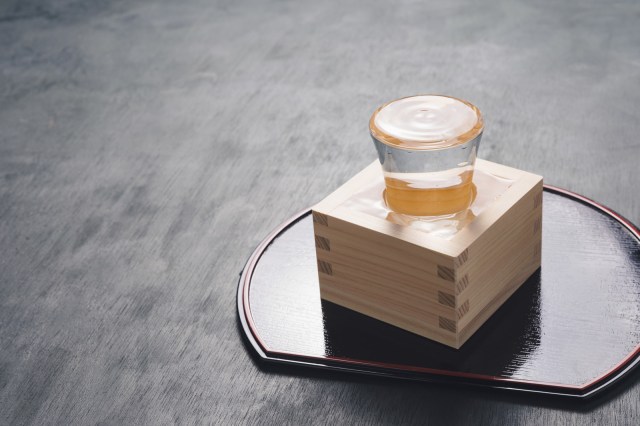
Sip some sustainable sake soon.
With a lot of focus being put on products that are sustainable and ethical, the Japanese alcohol known as nihonshu in Japan, or just sake abroad, really has a lot going for it. For centuries, it has been an all-natural, additive-free, and vegan alcoholic drink in its standard form, made with three simple ingredients: rice, water, and yeast.
That alone would make sake a great choice for those with environmental or ethical concerns, but one brewery in Kobe, Hyogo Prefecture still thinks more can be done. Kobe Shushinkan is a prestigious sake brewery that dates back to 1751, has won many awards, and even had its sake served at the Nobel Prize ceremony.
Now they are embarking on a bold new campaign to make their entire business environmentally sustainable, starting with the world’s first carbon-emission-free sake, Fukuju Junmaishu Eco Zero.
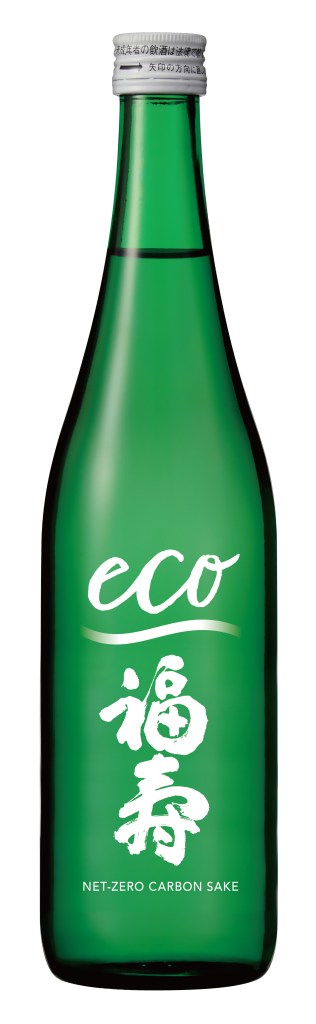
This version of Kobe Shushinkan’s famous Fukuju brand of sake accomplishes this in four different ways. First, they switched their energy sources to Kobe’s non-fossil-burning sources for electricity and carbon-neutral liquified natural gas to run the brewing. They have also taken numerous steps around the brewery to reduce overall electricity consumption such as LED lighting.
In the brewing process itself, instead of milling the rice grains down to 70 percent as they normally do Kobe Shushinkan will only mill them down to 80 percent. By milling less of the rice grains, less power is used and as a result the sake has a more complex and earthy taste than the highly fruity flavors of sake made from heavily milled rice like daiginjo.
Normally in sake brewing something called “shubo” is used. Literally translating to “sake mother” this mass of mushy steamed rice is used to cultivate the yeast needed to ferment the sake. However, since the steaming process consumes energy, this step has been eliminated in the production of Eco Zero. Instead, dried yeast is used to reduce the environmental burden and speed up the entire brewing process.
▼ A quick and very informative video showing shubo being prepared
Finally, the bottles themselves do not have any labels which require additional materials and energy to produce. Instead, a lead-free ink is applied directly to the bottle through electrostatic coating. These bottles will grace liquor shelves starting 20 October for an expected retail price of about 1,500 yen (US$11) per 720-milliliter (24-ounce) bottle.
Eco Zero is only the first step in Kobe Shushinkan’s Sustainable Journey initiative in which it aims to have complete emission-free brewing by 2030 and extend this to all aspects of their supply chain by 2050, including farming and distribution to the 15 countries where Fukuju sake is sold. They also plan to share these techniques with other breweries so that the entire industry can move in a greener direction together.
In addition to adhering to basic social responsibility, Kobe Shushinkan also has a vested interest in curbing climate change and protecting the environment. Sake brewing is deeply connected to the water and land of the local environment in which its made. So for them and for all of us, saving the environment also means saving great tasting sake.
Source: PR Times
Top image: Pakutaso
Insert image: PR Times
● Want to hear about SoraNews24’s latest articles as soon as they’re published? Follow us on Facebook and Twitter!
 Makers of Dassai to brew sake in space and sell 100 milliliters for 100 million yen
 Mt. Fuji decorated with a 500,000-flower pink carpet is Japan’s ultimate spring view
 Japanese politician arrested on charges of accepting bribes to reduce number of monkeys in park
 Family Mart unveils new Japanese bread that elevates convenience store food to mocchiri levels
 New Travelling Bento pouches turn your luggage into a Japanese lunch box
 Does a long line mean a sweeter deal? We compare two sweets from a Hokkaido food fair【Taste test】
 30 Pikachus want to share a Tokyo hotel room with you that has separate Grass, Water, Fire spaces
 Starbucks Japan releases new sakura goods and drinkware for cherry blossom season 2026
 Salmon katsudon? Tokyo restaurant’s specialty is like a deep-fried sashimi lunch【Photos】
 The five best bento boxed lunches sold at train stations in east Japan
 Mr. Sato pushes the envelope with his meatiest drinking meal ever【Japan’s Best Home Senbero】
 Japan reportedly adding Japanese language skill requirement to most common foreigner work visa
 Pokémon and Ikea Japan cross over into each other’s worlds with collaboration events
 Starbucks Japan closing only Shinkansen platform branch for popularity-triggered renovations
 Two food hacks take Japan’s convenience store fried chicken to amazing new sandwich heights
 You can assemble a well-balanced team of Pokémon, them eat them, thanks to Japanese cake chain
 Tokyo turns its phone booths into free Wi-Fi hotspots, and here’s how to use them
 Fading Tokyo – Searching for signs of the Showa era as local neighborhoods evolve[Photos]
 Tokyo teahouse serves up a sakura matcha dessert you won’t find anywhere else
 7-Eleven Japan’s new baked-in-store sweet treat is only available in three parts of the country
 Man bites woman at cherry blossom park in Japan, dies shortly after
 Japan now has a special desk for people who work at home with a pet cat[Photos]
 Famous Tokyo cherry blossom spot installs view-blocking screens to fight overcrowding[Video]
 Uniqlo announces new T-shirts for One Piece, Naruto and more for manga publisher’s 100th birthday
 Train station platform ramen store closes its doors on half a century of history in Tokyo
 Starbucks Japan releases new My Fruit³ Frappuccino at only 34 stores around the country
 Studio Ghibli releases Catbus pullback keychain that runs like the anime character
 Krispy Kreme releases Super Mario doughnuts in Japan for a limited time
 Japanese onsen egg maker from 100-yen store Daiso needs to be on your shopping list
 Survey asks foreign tourists what bothered them in Japan, more than half gave same answer
 Japan’s human washing machines will go on sale to general public, demos to be held in Tokyo
 Starbucks Japan releases new drinkware and goods for Valentine’s Day
 We deeply regret going into this tunnel on our walk in the mountains of Japan
 Studio Ghibli releases Kodama forest spirits from Princess Mononoke to light up your home
 Japan’s newest Shinkansen has no seats…or passengers [Video]
 Major Japanese hotel chain says reservations via overseas booking sites may not be valid
 Put sesame oil in your coffee? Japanese maker says it’s the best way to start your day【Taste test】
 No more using real katana for tourism activities, Japan’s National Police Agency says