
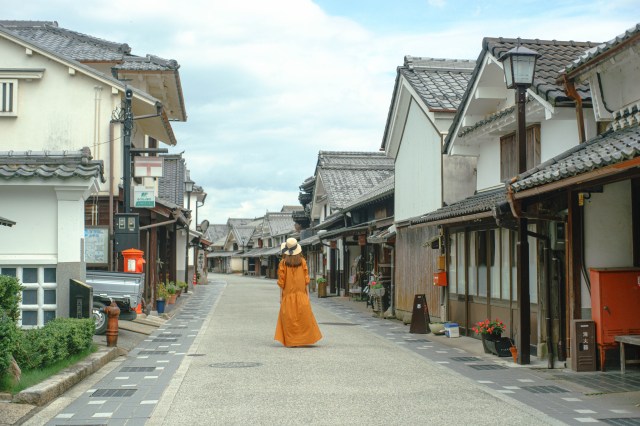
The quest to let Japan’s historical sites shine bright continues on.
From stunning cherry blossom trees lining rivers to breathtaking views of Mt. Fuji standing dominantly on the horizon, Japan’s scenery inspires endless fantasies. However, take a step off the plane, with camera in hand, and your much-anticipated holiday snaps may reveal an unexpected and unwelcome guest: overhead power lines. Crisscrossing through the streets, these cables seem to take every chance to join you on your journey.
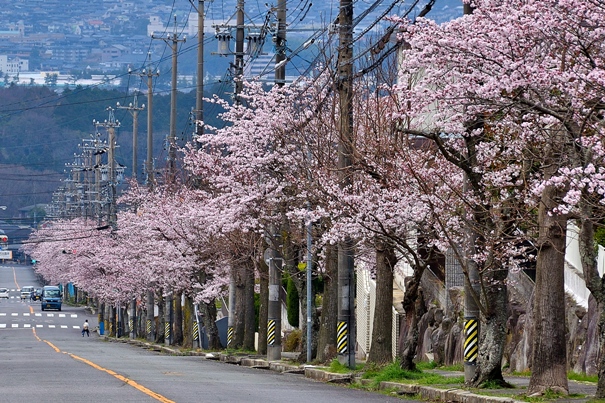
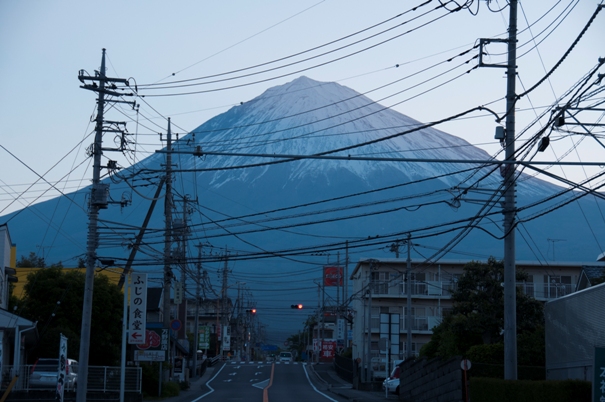
Tourists cry out in dismay as they battle with these urban vines—twisting and tilting their cameras, desperate to capture those perfect memories. However, there are good reasons why Japan has lagged behind other countries in removing overhead cables. Cost will always be a major reason, but other factors, like ease of repairs in times of disaster, also play a part.
That’s not to say that all hope is lost. Efforts to preserve historical charm in traditional spots, particularly those beloved by tourists, like Kyoto’s Higashiyama district, have been ongoing for years and have included relocating power lines to underground, opening up great social media opportunities for eager photographers.
▼ A web of wires on Yasaka Street, Kyoto
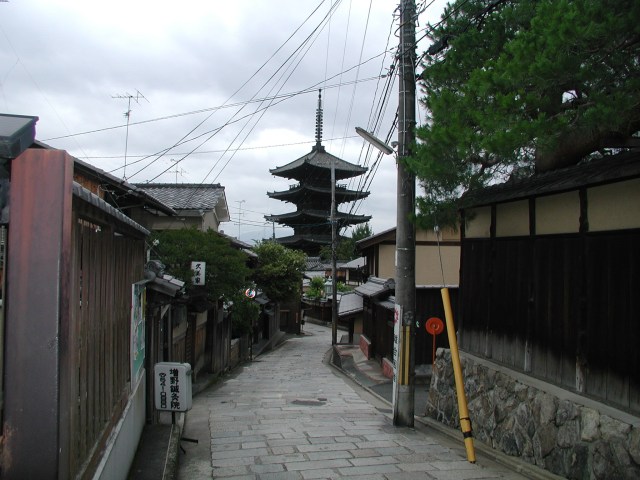
▼ Yasaka Street after the power line removal in 2010
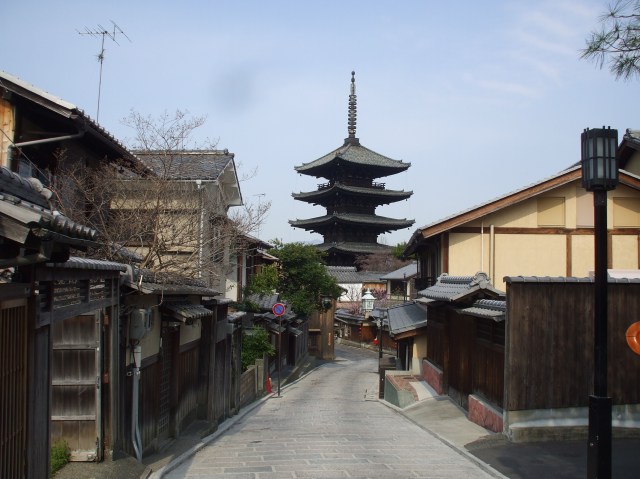
Back in 2017, as part of the Ministry of Land, Infrastructure, Transport and Tourism’s movement for scenic urban renewal, the city of Tamba-Sasayama in Hyogo Prefecture was selected to be a model district and work was begun to remove the unsightly electrical cables that disrupted the traditional atmosphere of the castle town area.
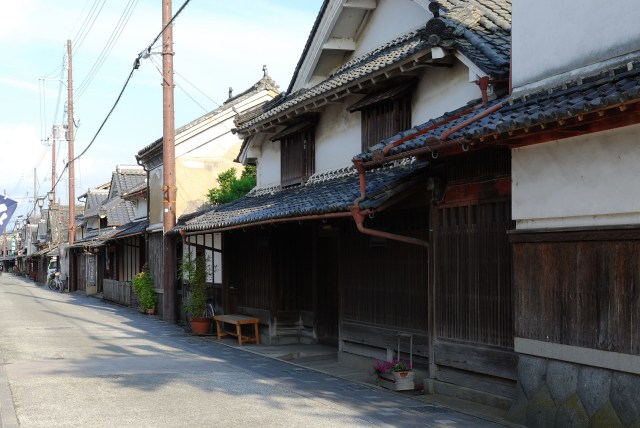
By 2021, all of the utility poles along Kawaramachi Street had been removed, restoring its historical charm and beauty, creating a sense of having traveled through time when you gaze past the houses.
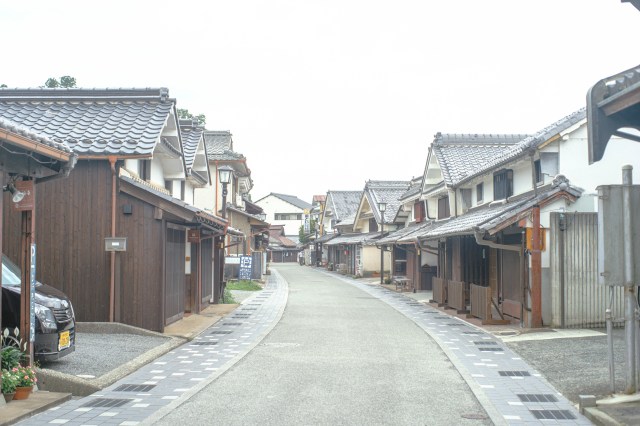
Strolling through the Kawaramachi Tsumairi Merchant District nowadays, visitors will find a seamless mix of old and new. Long-established pottery shops and newly-opened, stylish cafes stand side-by-side, all mostly housed in traditional tsumairi-style buildings featuring the distinctive characteristics of a narrow front when viewed from the street and a surprisingly deep interior. This unique architecture has persisted since the area’s original development around 1612, following the construction of the nearby Sasayama Castle in 1609.
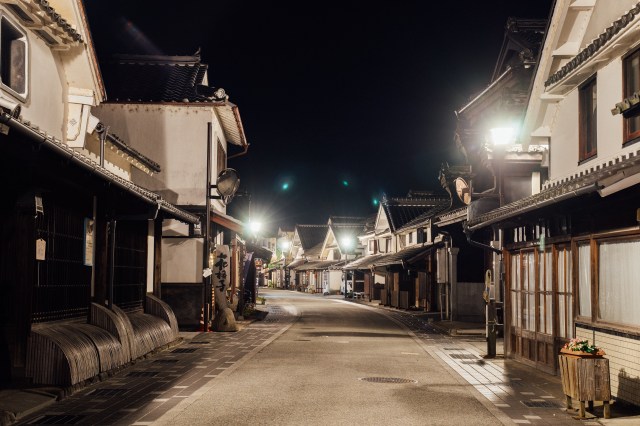
This year marks the 20th anniversary of the area’s recognition as an Important Preservation District for Groups of Traditional Buildings by the Japanese Government.
Though Tokyo’s transformation into a wire-free city, along with rest of Japan, may still be a long way off, there is progress being made. In the meantime, Kawaramachi Tsumairi Merchant District offers a sneak peek into what’s in store for other historical areas. So, next time you find yourself despairing at Japan’s electrical canopy, pop over to Kawaramachi or the equally attractive Kawagoe in Saitama.
Source: PR Times
Top image: PR Times
Insert images: PR Times, Kyoto City Official Website, PR Times (2)
● Want to hear about SoraNews24’s latest articles as soon as they’re published? Follow us on Facebook and Twitter!
 Japanese government plans removal of around 2,485 miles’ worth of overhead power lines
 Mino City’s traditional paper lanterns illuminate its historic streets this fall
 The 10 most annoying things foreign tourists do on Japanese trains, according to locals
 Starbucks Japan adds new sakura Frappuccino and cherry blossom drinks to the menu
 Starbucks Japan releases new sakura goods and drinkware for cherry blossom season 2026
 Cherry blossom mochi lattes arrive at Japan’s Pronto cafe chain to start sakura sweets season
 Sailor Moon Sanrio partnership adds pairings for Sailor Starlights in new crossover merch line【Pics】
 Nine steps to enjoying an outdoor Japanese barbecue
 It’s illegal for yakuza to go to professional baseball games in Japan, Tokyo arrests remind us
 New zombie ship sets sail in Japan, includes Shinkansen tickets and all-you-can-eat sushi
 That’s not a rabbit, that’s Mother Nature’s version of Pikachu (also known as Viscacha)【Photos】
 I can’t believe it’s not fish eggs? Taste-testing Japan’s imitation “almost ikura”【Photos】
 Super-salty pizza sends six kids to the hospital in Japan, linguistics blamed
 Foreign tourists in Japan will get free Shinkansen tickets to promote regional tourism
 Starbucks Japan unveils new sakura Frappuccino for cherry blossom season 2026
 Naruto and Converse team up for new line of shinobi sneakers[Photos]
 Now is the time to visit one of Tokyo’s best off-the-beaten-path plum blossom gardens
 Is Sapporio’s Snow Festival awesome enough to be worth visiting even if you hate the snow? [Pics]
 Japan has trams that say “sorry” while they ride around town…but why?
 Sakura Totoro is here to get spring started early with adorable pouches and plushies
 Japan’s newest Shinkansen has no seats…or passengers [Video]
 Foreigners accounting for over 80 percent of off-course skiers needing rescue in Japan’s Hokkaido
 Archfiend Hello Kitty appears as Sanrio launches new team-up with Yu-Gi-Oh【Pics】
 Take a trip to Japan’s Dododo Land, the most irritating place on Earth
 China’s don’t-go-to-Japan warning looks to be affecting tourist crowds on Miyajima
 Survey asks foreign tourists what bothered them in Japan, more than half gave same answer
 Japan’s human washing machines will go on sale to general public, demos to be held in Tokyo
 Starbucks Japan releases new drinkware and goods for Valentine’s Day
 We deeply regret going into this tunnel on our walk in the mountains of Japan
 Studio Ghibli releases Kodama forest spirits from Princess Mononoke to light up your home
 Major Japanese hotel chain says reservations via overseas booking sites may not be valid
 Put sesame oil in your coffee? Japanese maker says it’s the best way to start your day【Taste test】
 No more using real katana for tourism activities, Japan’s National Police Agency says