
Classical part of ryokan culture is fading away at some inns.
Recently, there’s been a lot of talk about there being a lot of foreign tourists in Kyoto. While Japan’s former capital has always been among the nation’s top travel destinations, the surge in inbound tourism is creating overtourism woes in a city where the travel infrastructure isn’t on the same large scale as Tokyo or Osaka.
But in addition to some unpleasant side effects stemming from Kyoto’s sky-high popularity with overseas visitors, the city’s tourism scene is now also being affected by certain aspects of the traditional Japanese travel experience that foreign tourists are less enthusiastic about.
With Kyoto being considered the heart of classical Japanese culture, many visitors to the city opt to stay in ryokan, Japanese-style inns. Ryokan don’t just offer classical accommodations, though, they usually offer in-room meals as well, and the orthodox plan is to book a package that includes dinner for each night you’re staying, along with breakfast the following morning. Ryokan meals, especially dinner, are typically served in-room and feature a wide array of traditional dishes such as grilled fish and nimono (simmered meats and vegetables), with the exact fare chosen by the chef.
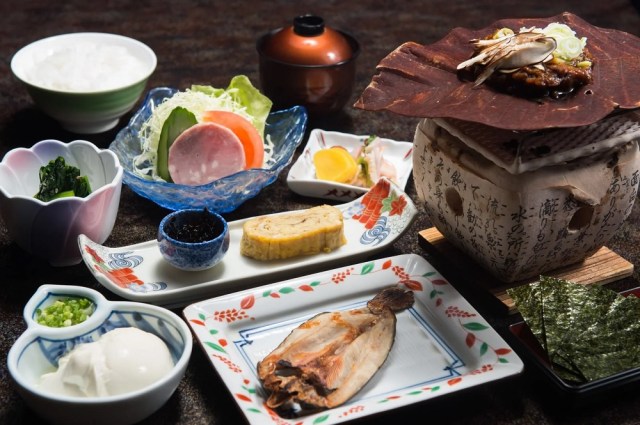
Many ryokan take great pride in their food, with some becoming as famous for their cuisine as their guestrooms. However, some Kyoto ryokan are paring back their meal offerings, and some abolishing them entirely, following lukewarm receptions from foreign travelers.
That might seem odd, considering that Japanese food has never been more popular internationally than it is now, and that “eat Japanese food” is almost always one of the first answers tourists give when asked what they want to do in Japan. However, many of the most popular Japanese dishes overseas, like ramen, curry rice, or wagyu steak, aren’t usual components of ryokan dining. Sushi is also rarely part of a ryokan meal, and even sashimi (i.e. sliced raw fish without any rice) is usually a minor side dish, not the main focus, especially at ryokan in far-from-the-coast locations like Kyoto.
▼ Nimono
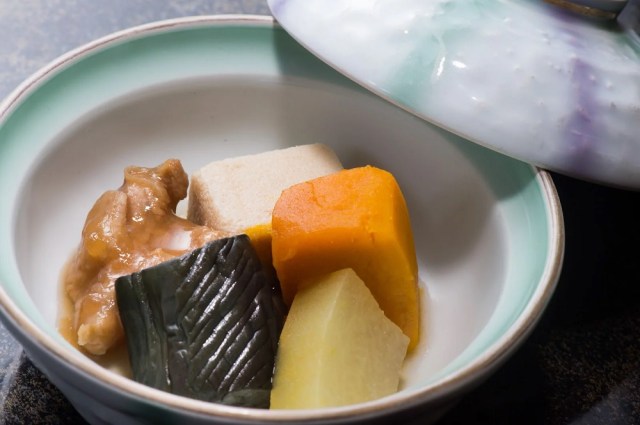
In other words, there’s sometimes a sizable gap between the kind of Japanese food that foreign travelers envision when they book a with-meals ryokan package and the Japanese food that they’re actually served. The expectations-versus-reality discrepancy is probably particularly large at ryokan in Kyoto, since many of the foods the city is famous for among Japanese travelers, such as yudofu (simmered tofu) or dishes made with locally sourced Kyo-yasai (Kyoto-grown vegetables) feature subtle seasoning and delicate flavors. This is leading to cases of large portions of meals going uneaten, foreign travelers attempting to cancel their meal reservations mid-stay (despite the ryokan having already committed to purchasing the necessary ingredients), and requests for partial refunds which require ryokan to attempt to coordinate with overseas credit card companies with whom they have no common language to communicate in.
There’s also the more straightforward issue of foreign travelers who have done their homework realizing that their ryokan’s meals don’t appeal to them, and who thus book a no-meals package.
But even if foreign travelers aren’t showing high demand for Kyoto ryokan meals, can’t the ryokan still keep offering them based on demand from Japanese travelers? That’s easier said than done. With the inbound tourism boom, foreign guests now outnumber Japanese ones at some ryokan, sometimes by a very wide margin. With Japanese guests being the minority, and not even all of them opting for meal packages, it’s becoming prohibitively difficult for some ryokan to continue with the expenses of maintaining and staffing a kitchen if only a small fraction of their guests are eating at the inn.
Ryokan facing this problem have been coping in various ways. Some have started offering breakfast only, sometimes shifting to a breakfast buffet with simpler fare such as rice, miso soup, toast, or curry, more in line with what’s offered at budget-conscious business hotels, and serving the unclaimed leftovers to the staff. Others have switched to offering bento boxed meals instead, a much smaller-scale operation than the traditional multi-course meals. Then there are those ryokan which have simply called it quits entirely as far as cooking goes, and now act as intermediaries for foreign travelers wishing to book a table at restaurants outside of the inn.
It’s worth noting that even among domestic Japanese travelers, especially budget-minded or adventurous ones, there are those who prefer to book ryokan stays without meals, preferring to explore the city’s restaurant scene at night and grab a quick bite to eat from a convenience store in the morning. With inbound foreign tourism being especially influential in Kyoto these days, though, a lack of demand from the demographic could cause major shifts in whether the city’s ryokan keep cooking or not.
Source: Toyo Keizai via Livedoor News via Jin
Top image: Pakutaso
Insert images: Pakutaso (1, 2)
● Want to hear about SoraNews24’s latest articles as soon as they’re published? Follow us on Facebook and Twitter!