

Spring relocations in Japan can drain your budget faster than expected, and garbage disposal fees are the biggest surprise.
For many people when they think of spring in Japan, the first thing that comes to mind is rows of cherry blossom trees in full bloom lining the riverbanks of the country’s towns and cities. However, for the working residents of Japan, spring also heralds a procession of cardboard boxes.
From late February through early April, the country enters into moving mode as new jobs and school terms begin in April, with moving companies and real estate agents working in overdrive to support the many changing households. Naturally, this often sees their prices hiked up in response to the higher demand, but for people who have yet to undergo their first move in Japan, moving house comes along with several fees they may not have been expecting.

A survey of 500 people who have moved house at least once was conducted by Japanese real estate information site AlbaLink and listed many things that people were surprised at when they moved house. Yet, the biggest surprise fee, for 30 percent of the respondents, was not the key money or the moving truck, but oversized garbage disposal fees they had to pay for large items that they weren’t taking with them to their new place.
These fees were ranked as a bigger shock in the survey than furniture purchases, (29 percent) appliance purchases (14.4 percent), moving company fees (11.0 percent), or the cost of new curtains (7.8 percent) for windows that are inevitably too large for your current ones.
▼ Can we please standardize window sizes?
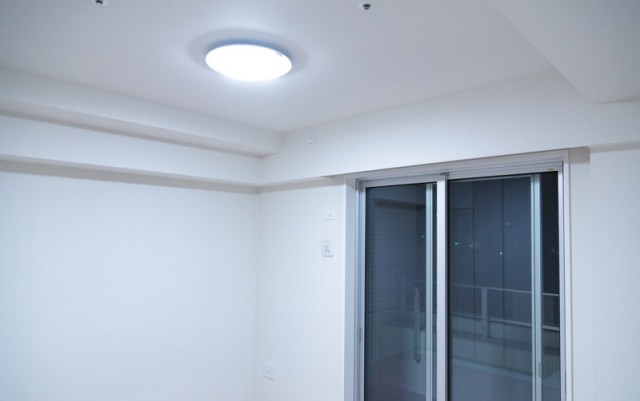
Oversized garbage disposal in Japan is serious business, so if you think you can just set all your no-longer-needed large items out on the street on the next garbage pick-up day and call it a job well done, you’re in for a big surprise.
Oversized garbage items, referred to as sodai gomi in Japanese, generally require:
- Booking a collection with your local city office
- Purchasing official disposal stickers
- Attaching them correctly
- Putting items out on the assigned date
Fees vary by municipality, and they can add up quickly with the more stuff you have. What can be even worse, though, is that sometimes there are items that you don’t think are oversized that are classified as such, like umbrellas and small suitcases, depending on where you’re located. Or if you’re seeking to dispose of some household appliances, such as refrigerators, washing machines, televisions, and air conditioners, then Japan’s recycling laws kick in, needing a recycling fee to be paid to be properly thrown away.
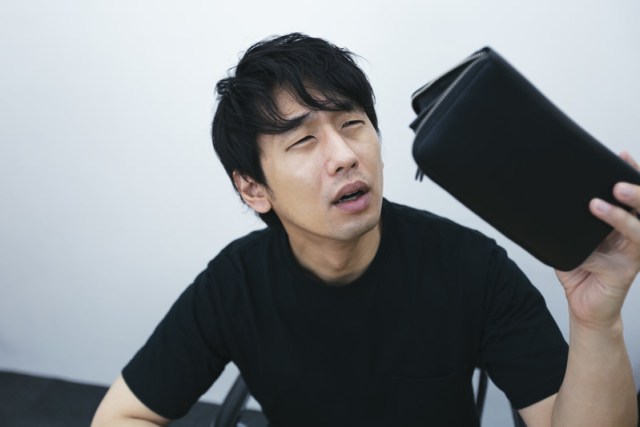
Disposal stickers for even small pieces of furniture or compact appliances can costs thousands of yen (equivalent to dozens of dollars) each, and since stickers need to be purchased for each individual item, the fees can quickly add up, particularly if you are combining households. If you haven’t budgeted for oversized garbage disposal on top of all of the other moving costs, it’s going to feel like a gut punch when your money is already pouring out of your wallet.
Other standard costs when signing a contract for a new place include:
- A refundable security deposit (“shikikin”): usually one to two months’ rent
- Key money (“reikin”): a non-refundable “gift” to the landlord, usually one to two months’ rent
- Agency fee, paid to the real estate agent, usually equal to one month’s rent plus tax
- First month’s rent
- Lock change fee
- Change-of-occupant cleaning fee, which is sometimes charged upfront or deducted from the deposit at the end of the contract
- Fire/liability insurance
There’s also the guarantor system to have to deal with, as most contracts often require a guarantor, who is legally responsible if you fail to pay the rent, and needs to be a person in Japan. An alternative, used by many foreign residents who don’t happen to know anyone who can act as their guarantor, is to use a guarantor company, which comes with an additional initial fee usually equal to 50 to 100 percent of one month’s rent.
So, you’re already looking at four to six months’ worth of rent to be paid before you’ve even stepped foot in your new home, Don’t forget that the moving company is also going to take a hefty chunk of your funds to get you on your way, and once you add in oversized garbage disposal fees, all those costs can really throw a wrench in an otherwise well-planned budget.

If you can save money, then you should absolutely do so, and the same survey highlighted some of the common places people tend to cut costs. 40.6 percent of respondents recommend carrying as many of your belongings as you can by yourself, as every extra object crammed into your suitcase or car is a little more money saved. Of course, you could always try to reduce your amount of belongings where possible (37.6 percent). You could sell items in good condition to second-hand stores, sell them online, or pass them on to friends who might want them.
Other answers included looking for a cheaper moving company (11.0 percent), because it’s perfectly acceptable to get multiple quotes before deciding one despite how much they push you for an answer, avoid moving during the peak season (4.8 percent), or to avoid the full-packing service some companies offer and do your packing yourself (4.4 percent).
However, at a time when you’re focused on cutting costs, what services do people recommend as actually worth spending money on? A reliable moving company is first and foremost (38.4 percent), as you want someone you can trust to handle all of your precious belongings.
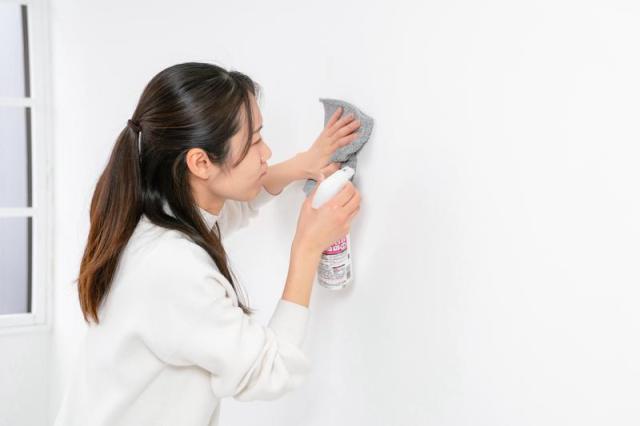
Pre-moving-out cleaning services came in second at 8.2 percent, because there are some landlords and management companies out there who will deduct money from your security deposit for anything found to be “dirty” on the final inspection. Because of that, some people prefer the peace of mind of asking a professional to clean for them, which usually ends up cheaper than what they would otherwise be charged.
▼ They’ll clean all the places you would’ve forgotten about.
Some people are too busy with work or family life, so actually find the moving company’s packings services very useful (7.4 percent), whereas others need a hand installing their appliances (5.8 percent), such as the air conditioners, and some people invest in the unwanted item collection services (5.0 percent) to not have to deal with their municipality’s convoluted garbage rules.
Moving in Japan can feel overwhelming and complicated initially, but it’s manageable with enough preparation. Be sure to budget a little extra beyond what you think you might need, book early if it’s spring, measure the windows before buying curtains, and double-check what counts as oversized trash.
Source: PR Times
Top image: Pakutaso
Insert images: Pakutaso (1, 2, 3, 4, 5)
● Want to hear about SoraNews24’s latest articles as soon as they’re published? Follow us on Facebook and Twitter!
[ Read in Japanese ]
 What to do if you want to lower your apartment rent or avoid paying key money in Japan
 Live with parents or burn through your savings? Survey of young anime workers draws bleak picture
 How much money do you need to live in your own apartment in Japan?【Survey】
 House hunting? Here are some tips that might prevent headaches and frustrations
 Japan apartment hunting – Can you find cheaper rent by avoiding the peak spring moving season?
 Japan reportedly adding Japanese language skill requirement to most common foreigner work visa
 7-Eleven Japan’s new baked-in-store sweet treat is only available in three parts of the country
 Starbucks Japan closing only Shinkansen platform branch for popularity-triggered renovations
 McDonald’s Japan adds new Hello Kitty and Pompompurin drinks to the menu for a limited time
 A Kyoto factory vending machine sells gourmet mystery meals at bargain prices
 Two food hacks take Japan’s convenience store fried chicken to amazing new sandwich heights
 Free Wi-Fi is coming to Mt. Fuji this summer
 Tokyo turns its phone booths into free Wi-Fi hotspots, and here’s how to use them
 Oodles of noodles! Udon chain pays homage to all 47 prefectures of Japan with 47 dishes【Photos】
 Is Tokyo’s ultra-expensive Satsuki sweet bean bread worth it?【Taste test】
 Pokémon and Ikea Japan cross over into each other’s worlds with collaboration events
 Tokyo’s best museum for foreign travelers finally reopens after being closed for four years
 Pokémon lacquerware series expands for Year of the Horse with new handcrafted design[Video]
 Tokyo subway and almost all Tokyo train lines now accepting credit card tap payments
 Totoro Fund line of beautiful artwork and apparel lets you help the real-world Totoro Forest
 Fading Tokyo – Searching for signs of the Showa era as local neighborhoods evolve[Photos]
 Famous Tokyo cherry blossom spot installs view-blocking screens to fight overcrowding[Video]
 Studio Ghibli adds new My Neighbour Totoro 2026 Corn Gift to its anime store for Mother’s Day
 Japan now has a special desk for people who work at home with a pet cat[Photos]
 Uniqlo announces new T-shirts for One Piece, Naruto and more for manga publisher’s 100th birthday
 Train station platform ramen store closes its doors on half a century of history in Tokyo
 Starbucks Japan releases new My Fruit³ Frappuccino at only 34 stores around the country
 Studio Ghibli releases Catbus pullback keychain that runs like the anime character
 Krispy Kreme releases Super Mario doughnuts in Japan for a limited time
 Japanese onsen egg maker from 100-yen store Daiso needs to be on your shopping list
 Nine great places to see spring flowers in Japan, as chosen by travelers (with almost no sakura)
 Survey asks foreign tourists what bothered them in Japan, more than half gave same answer
 Japan’s human washing machines will go on sale to general public, demos to be held in Tokyo
 Starbucks Japan releases new drinkware and goods for Valentine’s Day
 We deeply regret going into this tunnel on our walk in the mountains of Japan
 Studio Ghibli releases Kodama forest spirits from Princess Mononoke to light up your home
 Starbucks Japan releases new sakura goods and drinkware for cherry blossom season 2026
 Japan’s newest Shinkansen has no seats…or passengers [Video]
 Major Japanese hotel chain says reservations via overseas booking sites may not be valid
 Put sesame oil in your coffee? Japanese maker says it’s the best way to start your day【Taste test】
 No more using real katana for tourism activities, Japan’s National Police Agency says
 The pros and cons of living in a share house in Tokyo instead of an apartment
 10 things Japan gets horribly wrong
 Japanese moving company scam? The time we almost called police on a removal rep
 Japan second-least attractive country for expats to work, survey says, but is it really that bad?
 Japanese government to limit foreign students’ coronavirus financial aid to top 30 academic percent
 How much do you need to earn every month for a “normal” life in Kyoto? Here’s a sample budget
 Five things that’ll surprise foreign tourists in Japan when they visit
 Getting a driver’s license in Japan the hard way: The first written test
 Getting a driver’s license in Japan the hard way: The End