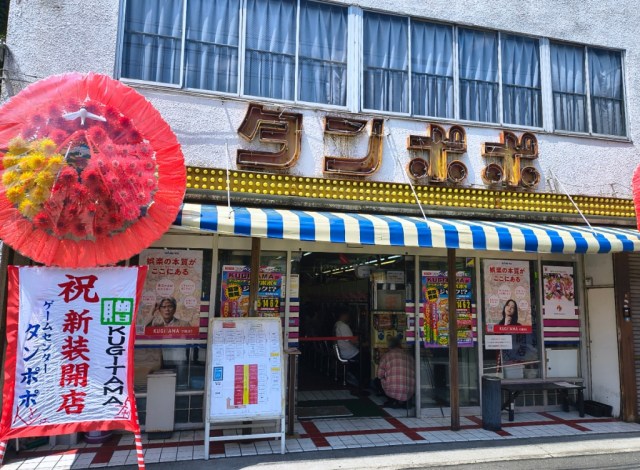
Tampopo is part pachinko parlor, part video game arcade, and part museum.
Being a man of culture, when our ace reporter Mr. Sato is out and about in the suburbs and sees on the map that there’s a “game center” (as Japanese arcades are called) on the map, he often goes to check them out. This isn’t because he’s a hardcore gamer (though he’s got some impressive in-game victories under his belt), but because a lot of times suburban arcades have a lineup of retro games, and visiting them feels like taking a trip back in time twenty, thirty, or even 40 years.
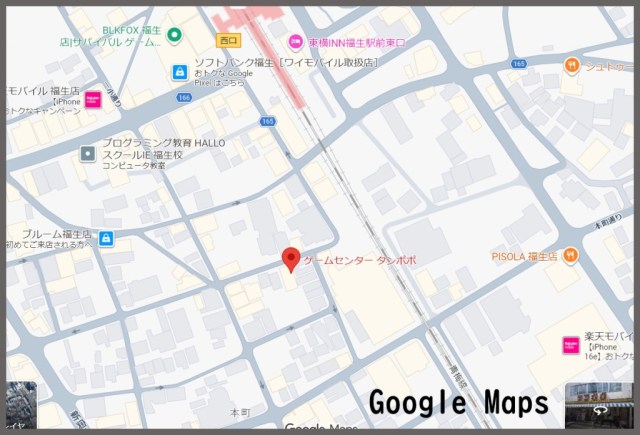
So when Mr. Sato was in Tokyo’s Fussa district, a bit west of the city center, on a recent afternoon and noticed “Game Center Tampopo” (ゲームセンタータンポポ) on Google Maps, and just a three-minute walk from Fussa Station, he decided to pay the place a visit and play some games.
However, when he got there, and took a look inside…
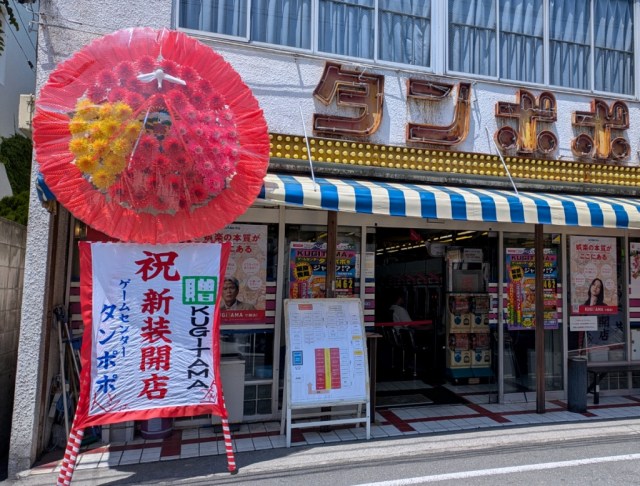
…he saw that the place is packed with pachinko machines!?!
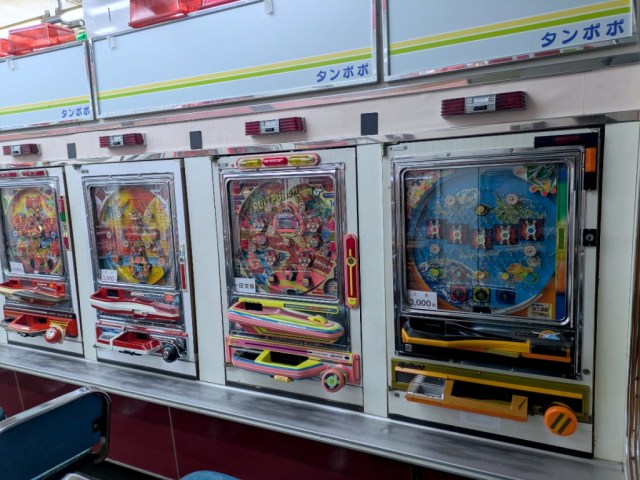
There are a total of 70 pachinko machines inside Tampopo, and not a single conventional video game. As such, “Game center” might seem like a misclassification of the facility, because pachinko parlors, by nature of being a form of gambling, are fundamentally different from game centers, right?
Except, Tampopo isn’t actually a gambling hall, because no matter what you do, you can’t win anything to take home.
Ordinarily, if you win at pachinko you can exchange the balls you’ve won for non-monetary prizes…and every neighborhood that has a pachinko parlor also, conveniently, has a small, nondescript shop (usually just a window set into an exterior wall) nearby that just so happens to be in the business of buying those prizes from people for cash (this whole song and dance is to get around Japan’s laws prohibiting gambling for money on pachinko). But at Tampopo, there are no prizes of any kind given out, regardless of how many balls you may win from their machines.
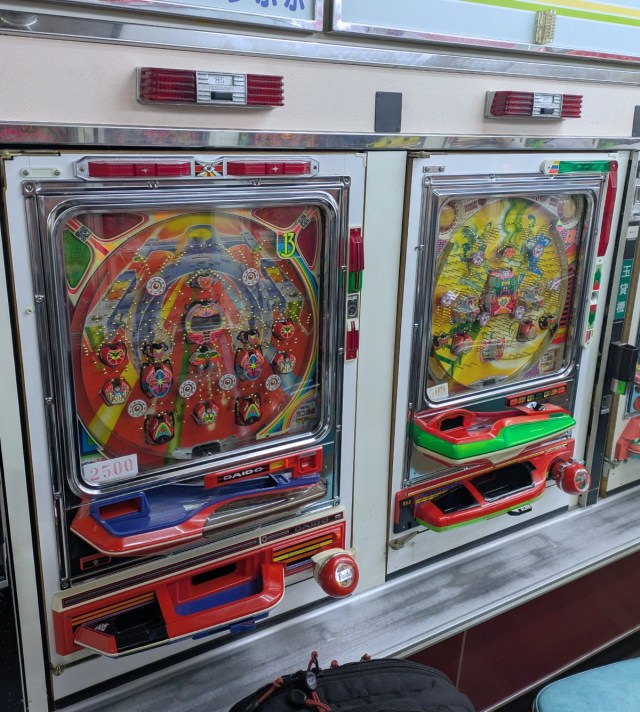
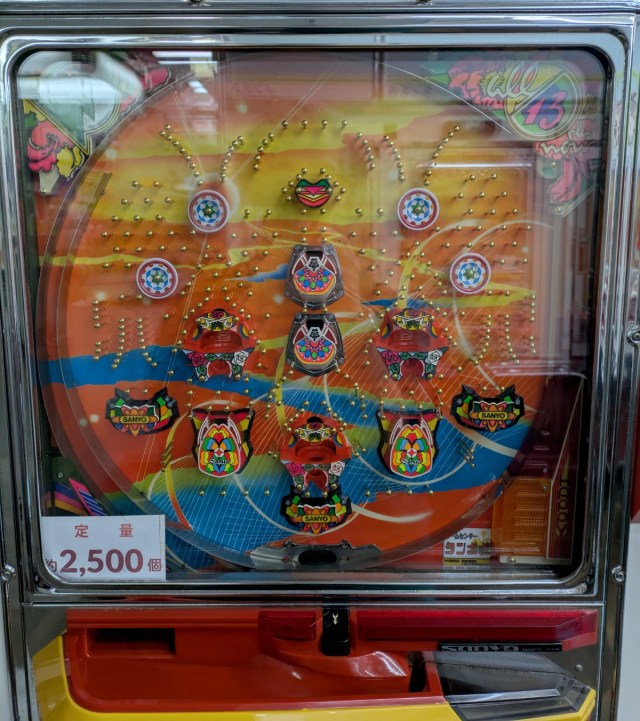
Why? Take a look at Tampopo’s machines, and you’ll probably notice that they’re all very old-school in design. Modern pachinko machines, pretty much without exception, have video displays and all sorts of other digital bells and whistles. Tampopo’s machines, though, are pretty much entirely analog.
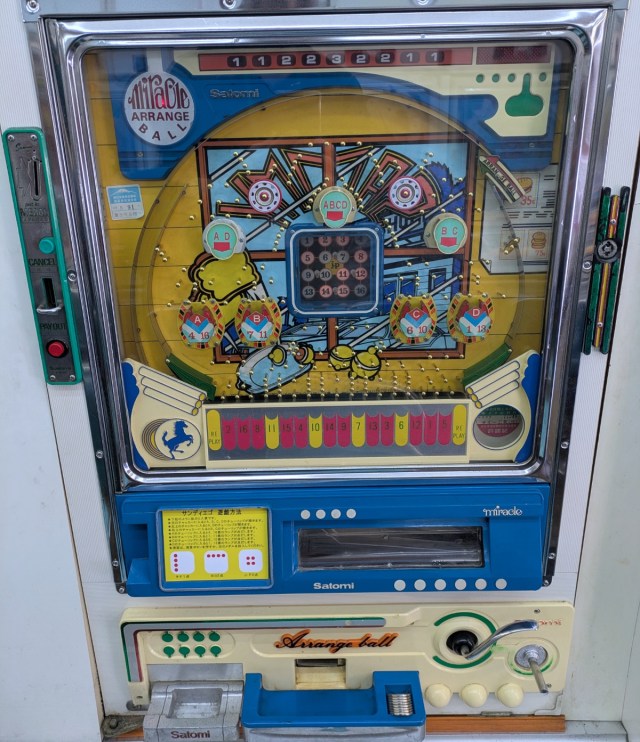
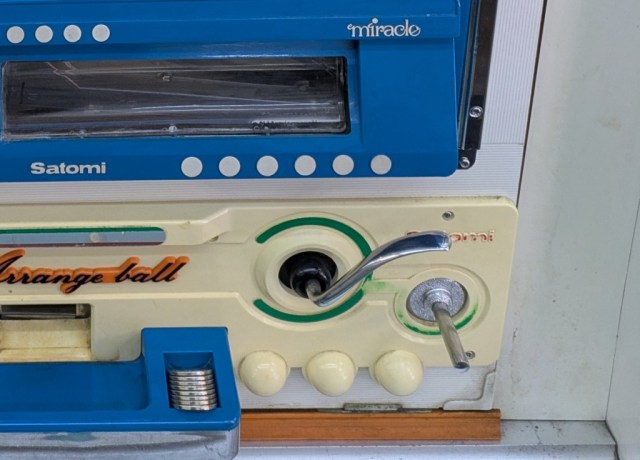
As you might expect from gambling devices, there are a lot of rules about pachinko machines that operators have to follow. Machines have to be periodically certified as functioning properly and fairly, but even if their owners are keeping up with the required maintenance, the machines also have a specified maximum service life, after which they can no longer be legally used for gambling (i.e. the transaction in which players pay money for a chance at winning prizes). Once pachinko machines reach the end of their service period, most of them are scrapped, but Tampopo wants to give them a second life.
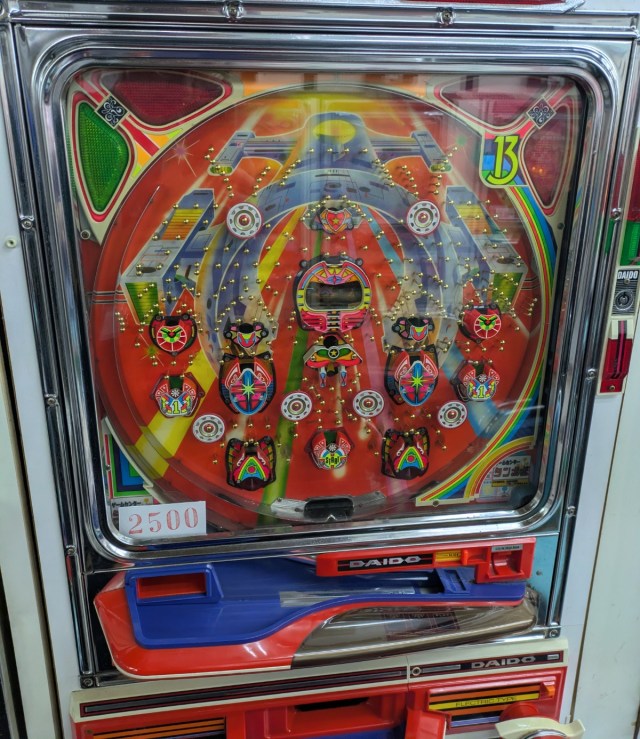
Tampopo’s machines are what are called “minashi machines,” meaning that they’re no longer played for gambling, but simply for fun. Instead of purchasing a set amount of balls, players at Tampopo pay for an unlimited amount of balls for a certain amount of time: 1,000 yen (US$6.50) for one hour, 2,000 yen for two hours, or 3,000 yen for a full day, from 10 a.m. to 8 p.m.
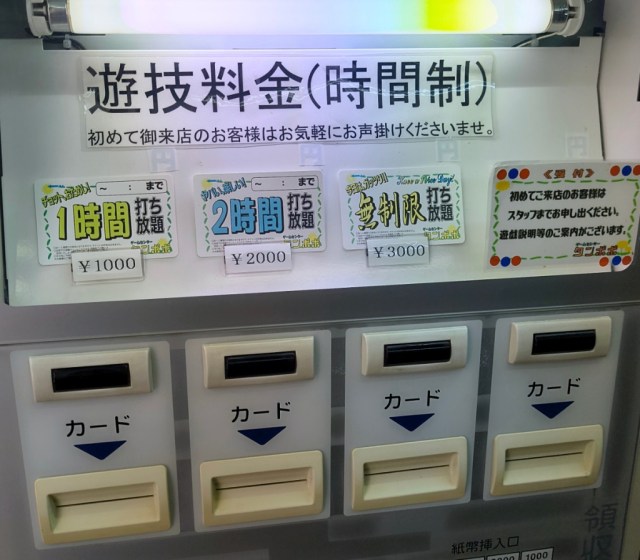
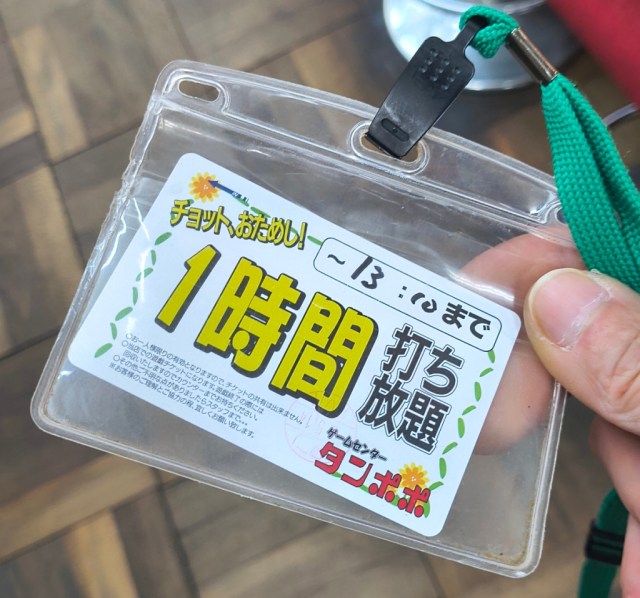
After purchasing the ticket you want from a vending machine, the staff will write the ending time of your session on it and place it in a lanyard that you wear while playing.
▼ Mr. Sato’s card, with “until 1:10 p.m.” (13:10まで) written on it
The lack of any possible payout means this isn’t gambling, and the vibe is more like an arcade or retro tech preservation museum. As a matter of fact, back in his youthful days in Shimane Prefecture, Mr. Sato spent about a year working in a pachinko hall when machines like this were still in widespread use, and Tampopo is a cleaner and more pleasant place to spend an extended time (especially since it’s an entirely non-smoking facility) than the parlor he worked in.
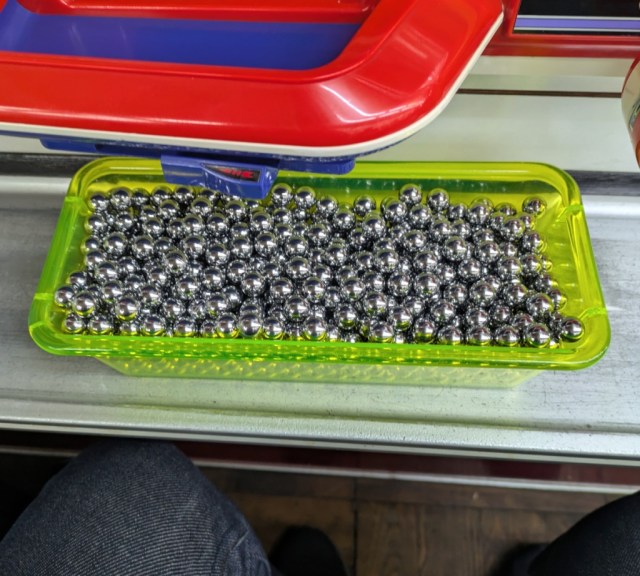
Once your session starts, you can grab an entire box of balls and play to your heart’s content.
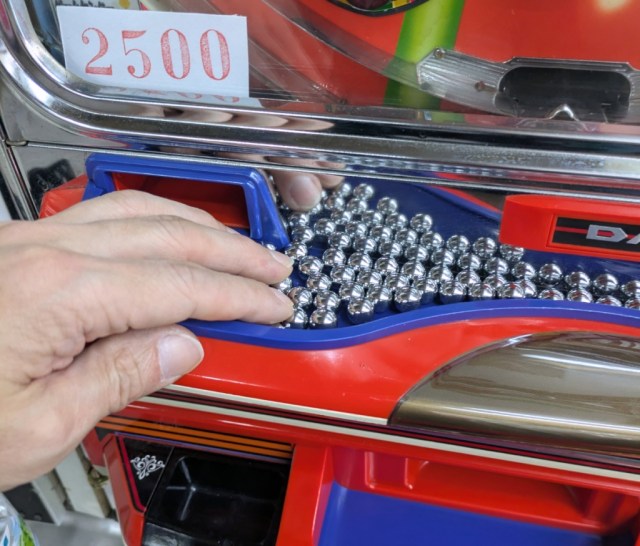
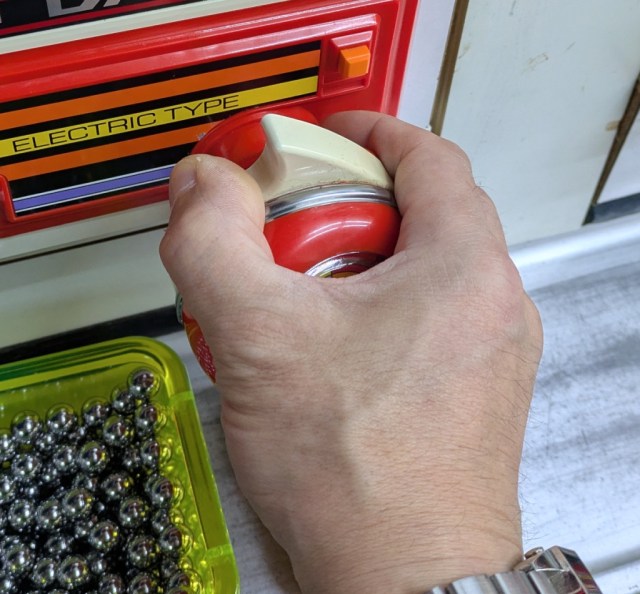
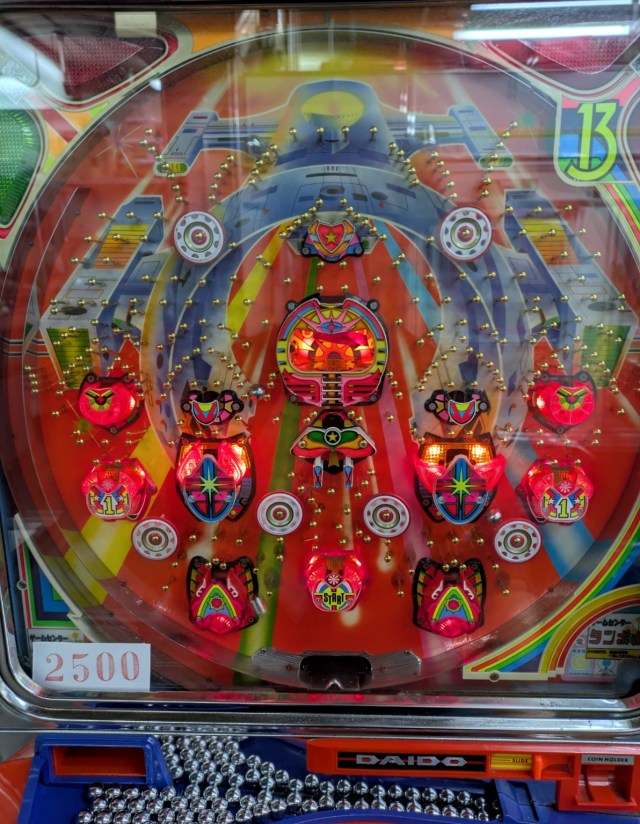
Free of any worry about winning or losing, Mr. Sato was able to sit back and appreciate the craftsmanship that went into pachinko machines of this era, when every pin, spinner, bumper, and target was a physical part of the playing field.
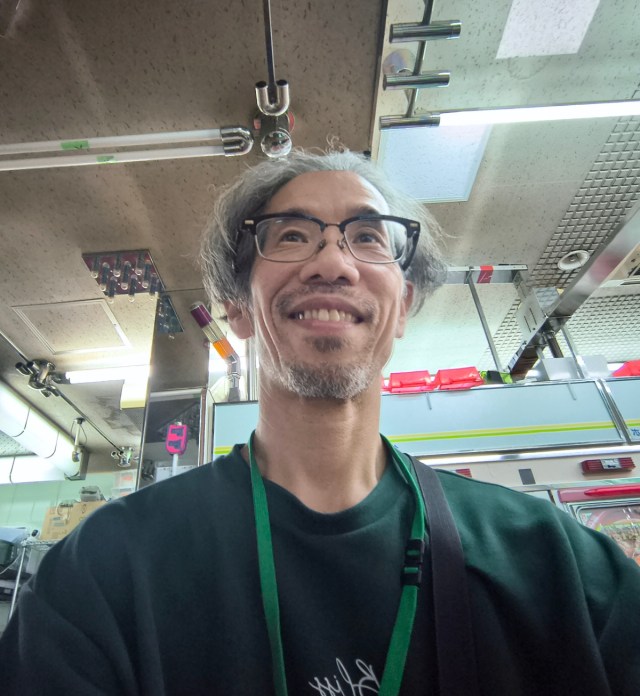
And should luck not be on your side and you run out of balls…
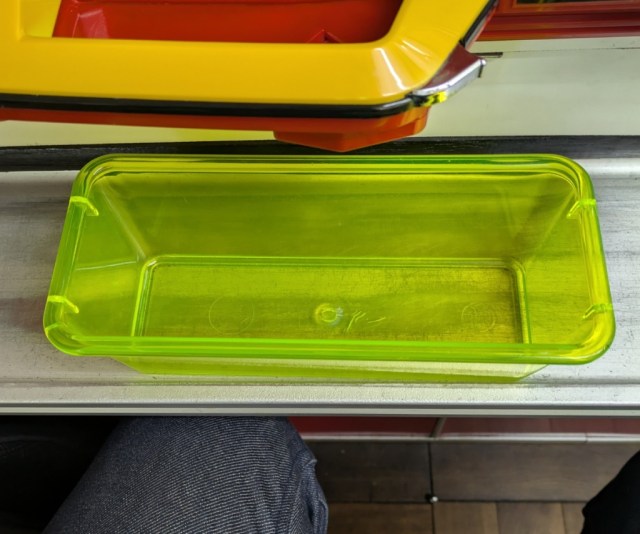
…you can just go and grab a refill.
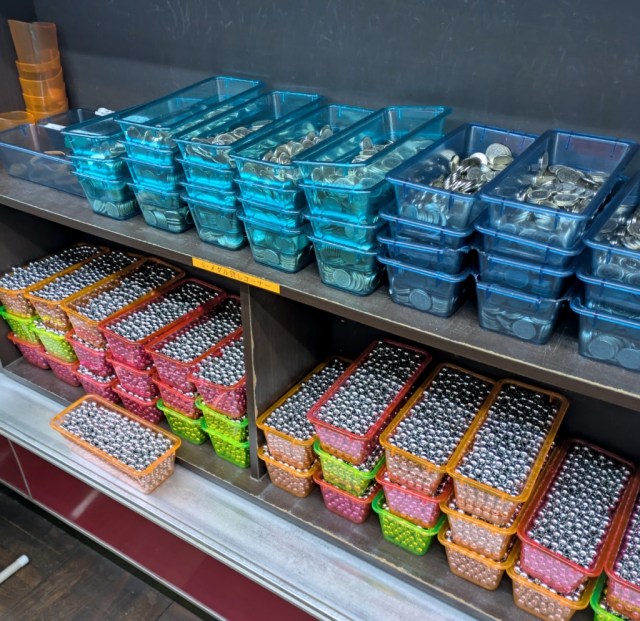
Ah, and if you’re wondering why there are boxes of tokens (or “medals,” as they’re called in Japan), that’s because in addition to its 70 pachinko machines, Tampopo also has 19 slot machines, which are also part of its unlimited-play not-for-gambling deal.
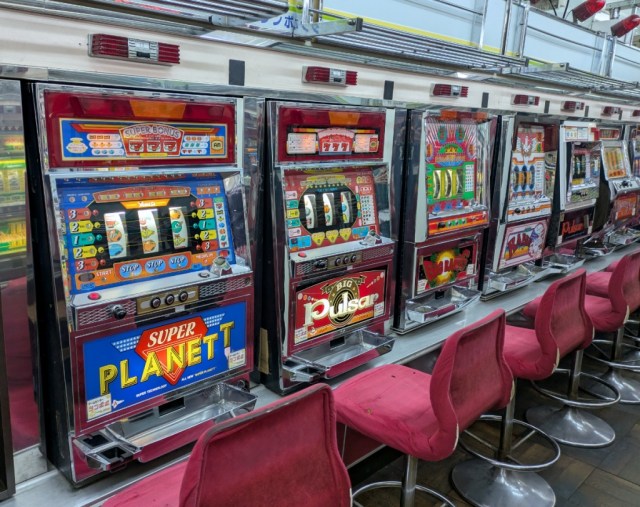
While retro video games are enjoying a revival in popularity these days, retro pachinko is something much harder to find, but it’s a fascinating pop culture subcategory in its own right too, and there’s no better place to get a taste of it in the Tokyo area than Tampopo.
Location information
Game Center Tampopo / ゲームセンター タンポポ
Addres: Tokyo-to, Fussa-shi, Honcho 135
東京都福生市本町135
Open 10 a.m.-8 p.m.
Closed Wednesdays (unless Wednesday is a holiday)
Website
Photos ©SoraNews24
Screenshot: Google Maps
● Want to hear about SoraNews24’s latest articles as soon as they’re published? Follow us on Facebook and Twitter!
[ Read in Japanese ]