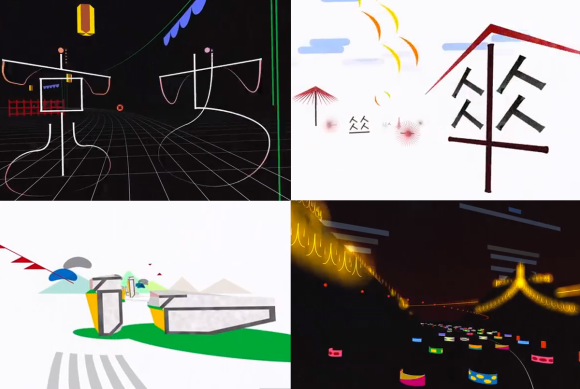
We recently brought to you a collection of GIFs inspired by the thrilling city of Tokyo, designed by artists from around the globe. Now it’s Kyōto’s turn! A company called COG has created a highly stylized, four-minute animated film by dynamically fusing the original imperial city with kanji characters, and some scenes are now available as GIFs.
So get ready to hop aboard the city’s famous electric trolley and zoom though quintessential Kyōto sights like the Sagano Bamboo Forest and Daimonji bonfire. Along with two other GIFs making waves online, you’ll find yourself immersed in Japanese motifs that are anything but quotidian, and if you’re learning the language, see if you can name all 18 of the kanji characters used!
The video at the end of this article comes from an unexpected source: it’s the brainchild of COG, a company that specializes in exercise! Their gyms combine stationary bikes with stage lighting and animation, so it’s no wonder that the short film was designed to feel like an exhilarating ride through Kyōto.
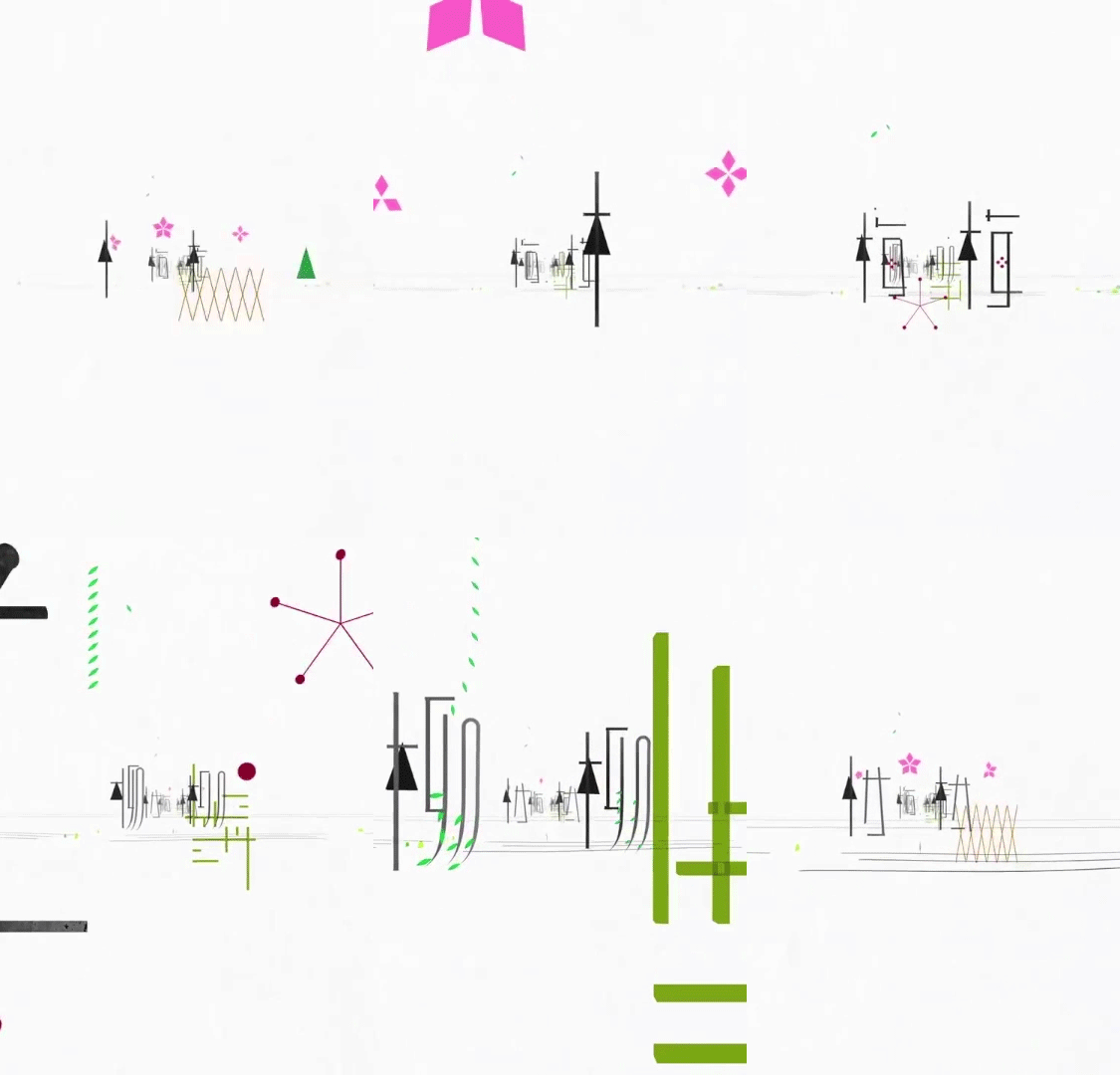
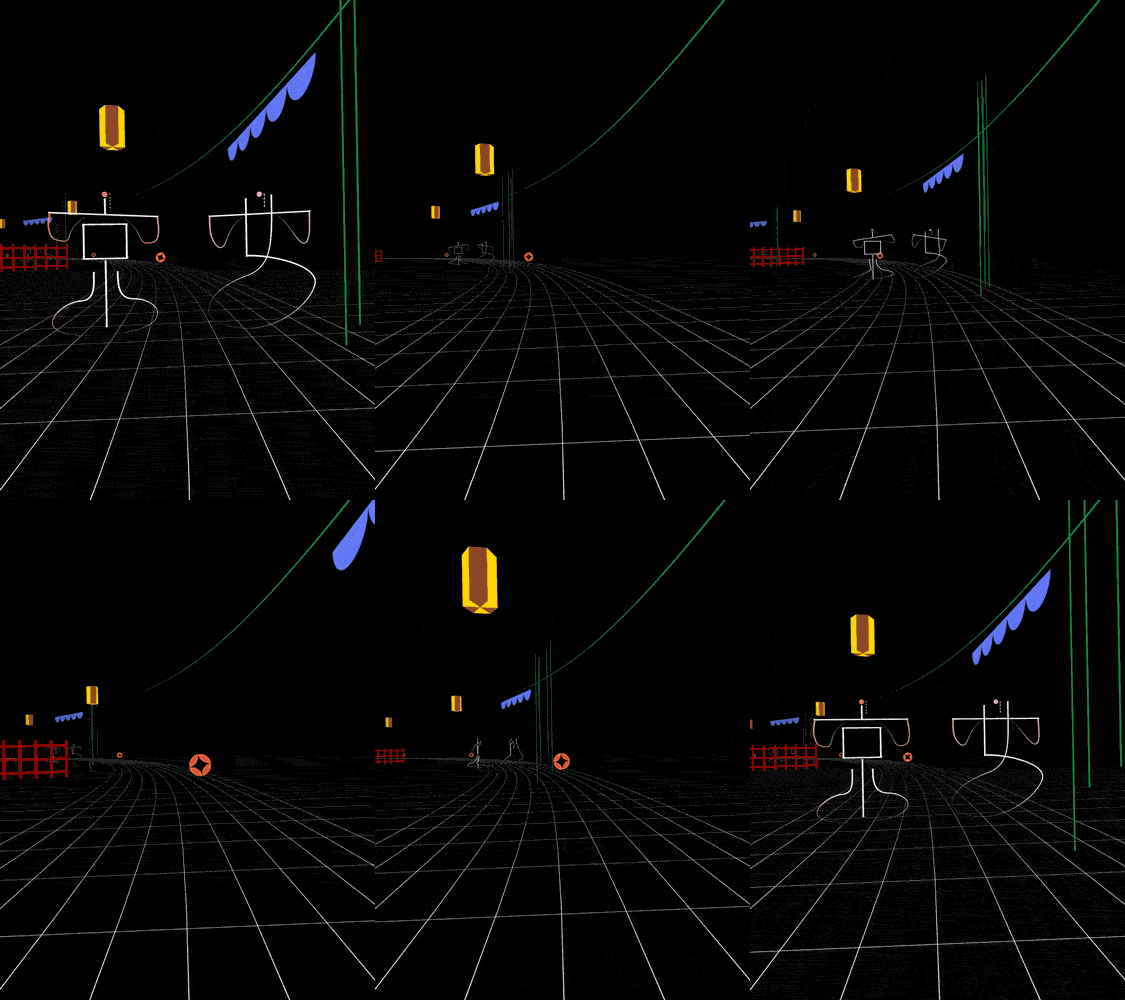
And as you can see from the snippet above, the video isn’t named “Kanji City – Kyōto” for nothing. In the first 50 seconds alone, you pass ephemeral trees (木) of plum (梅), willow (柳), and cherry blossoms (桜) before proceed along a refreshing river (川).
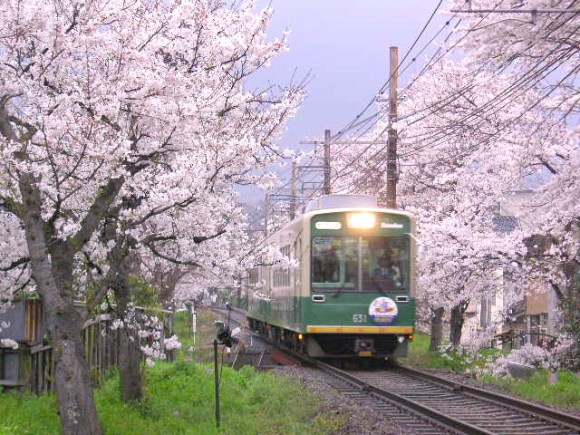
▼ Every spring, Kyōto’s last surviving street car carries visitors from the heart of the city through a well-known “tunnel” of cherry blossoms. At night, the blooms are lit up for an ethereal experience!
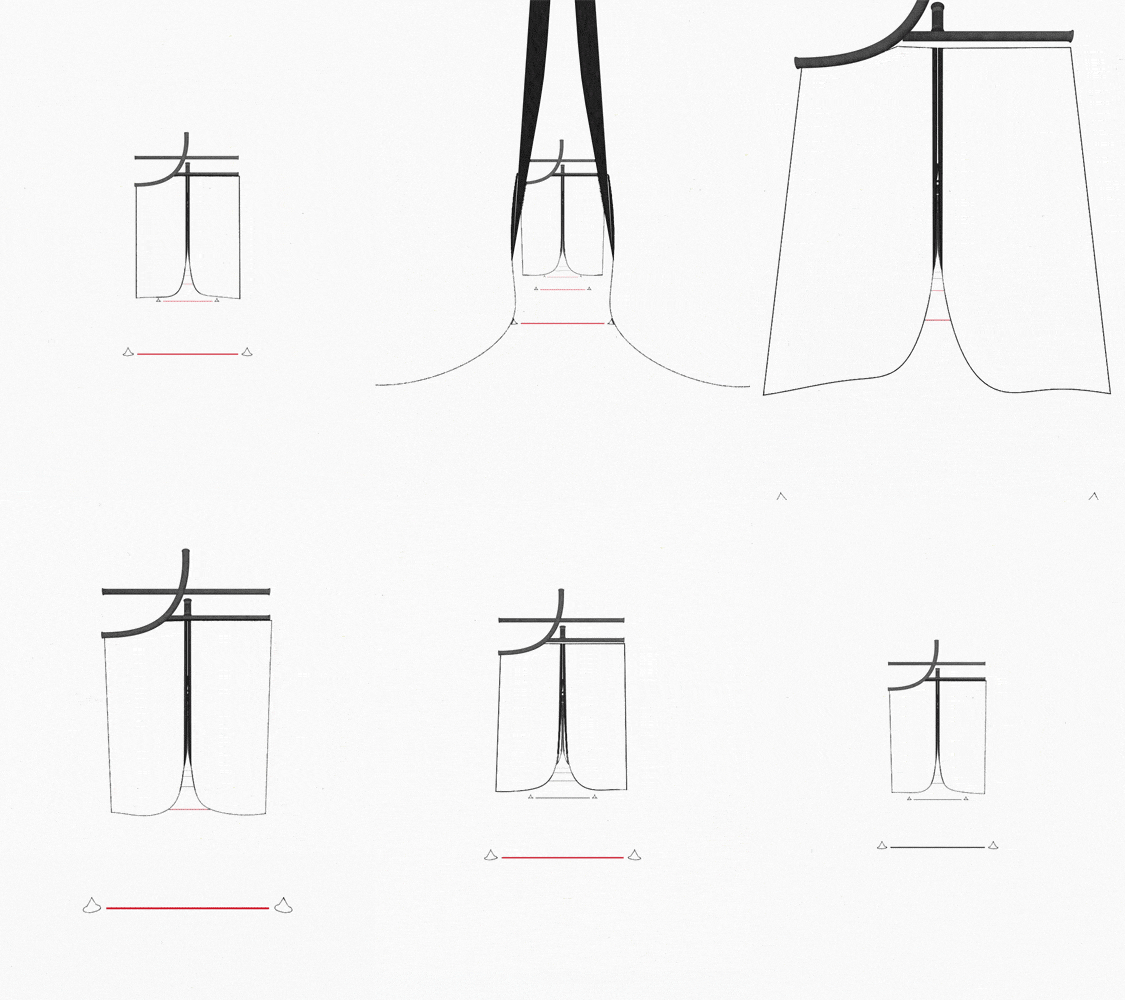
The hallmark of Kyōto depicted next is its centuries-old artisanal establishments. Here, the many shop curtains you pass through are fashioned out of the kanji character for “cloth” (布).
The city used to be home to numerous umbrella (傘) craftsmen who specialized in the traditional Kyōto style called kyōwagasa. Let’s bring them back this summer as a dainty way to keep out the sizzling Kyōto sun! 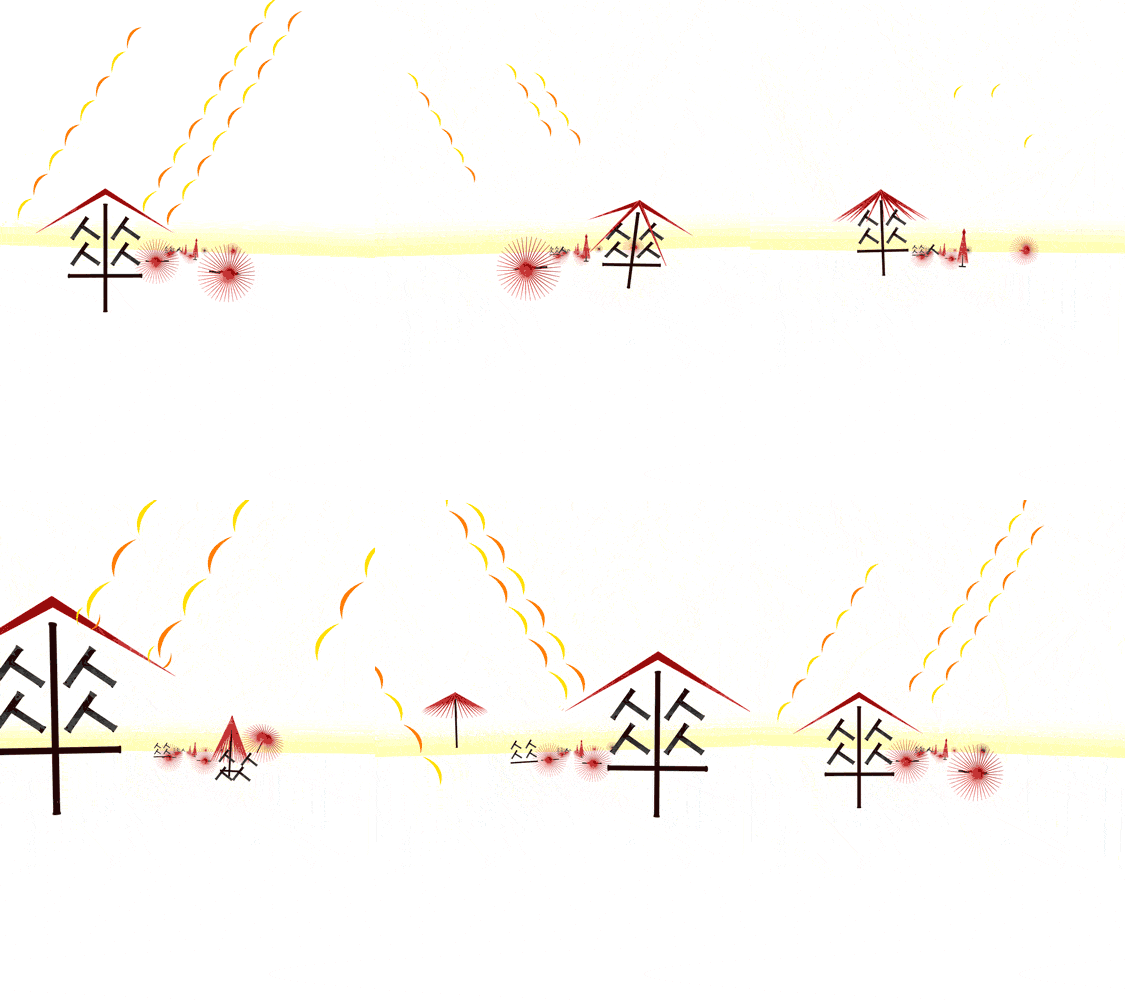
Now, if you’re tired from walking through the gates (門) of the city’s 400-plus Shintō shrines in broad daylight…
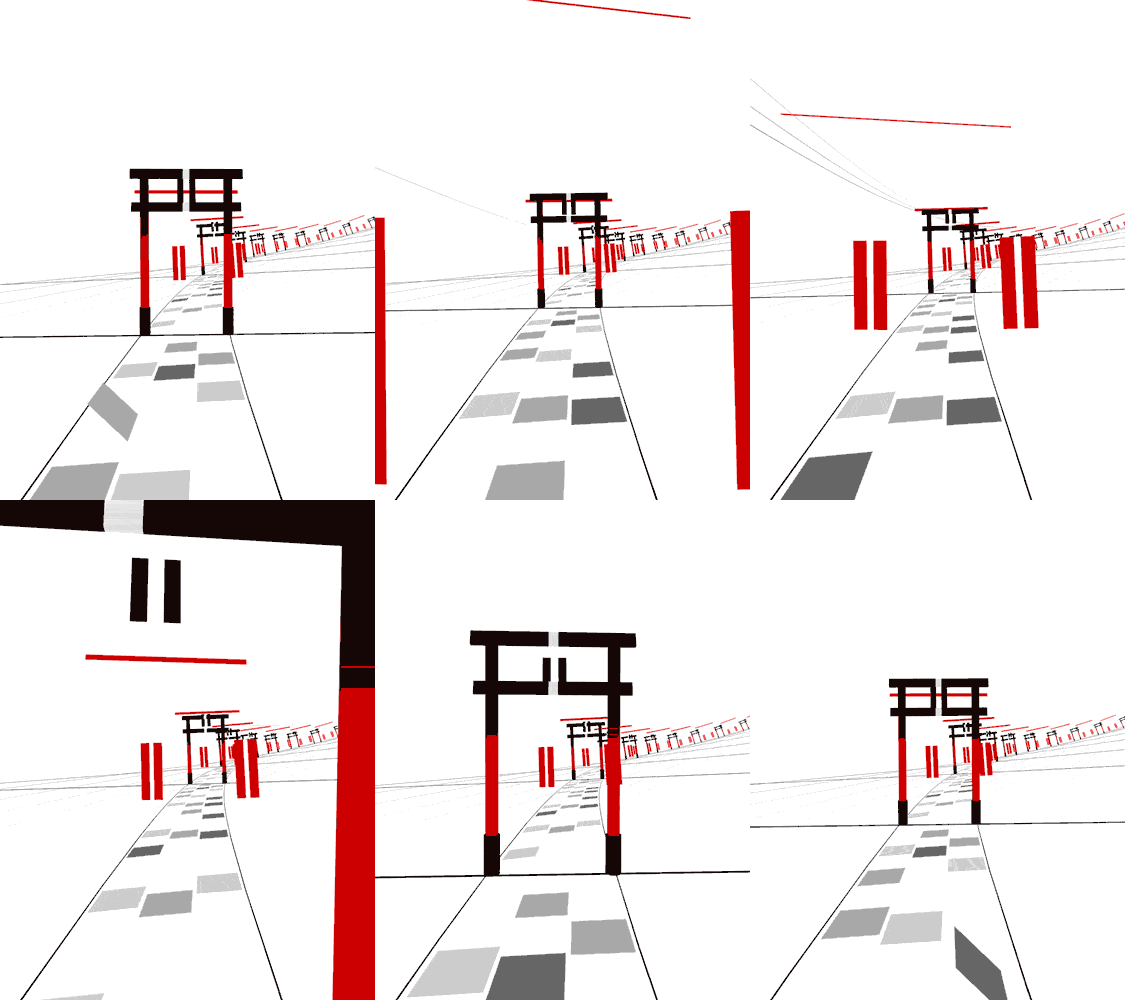
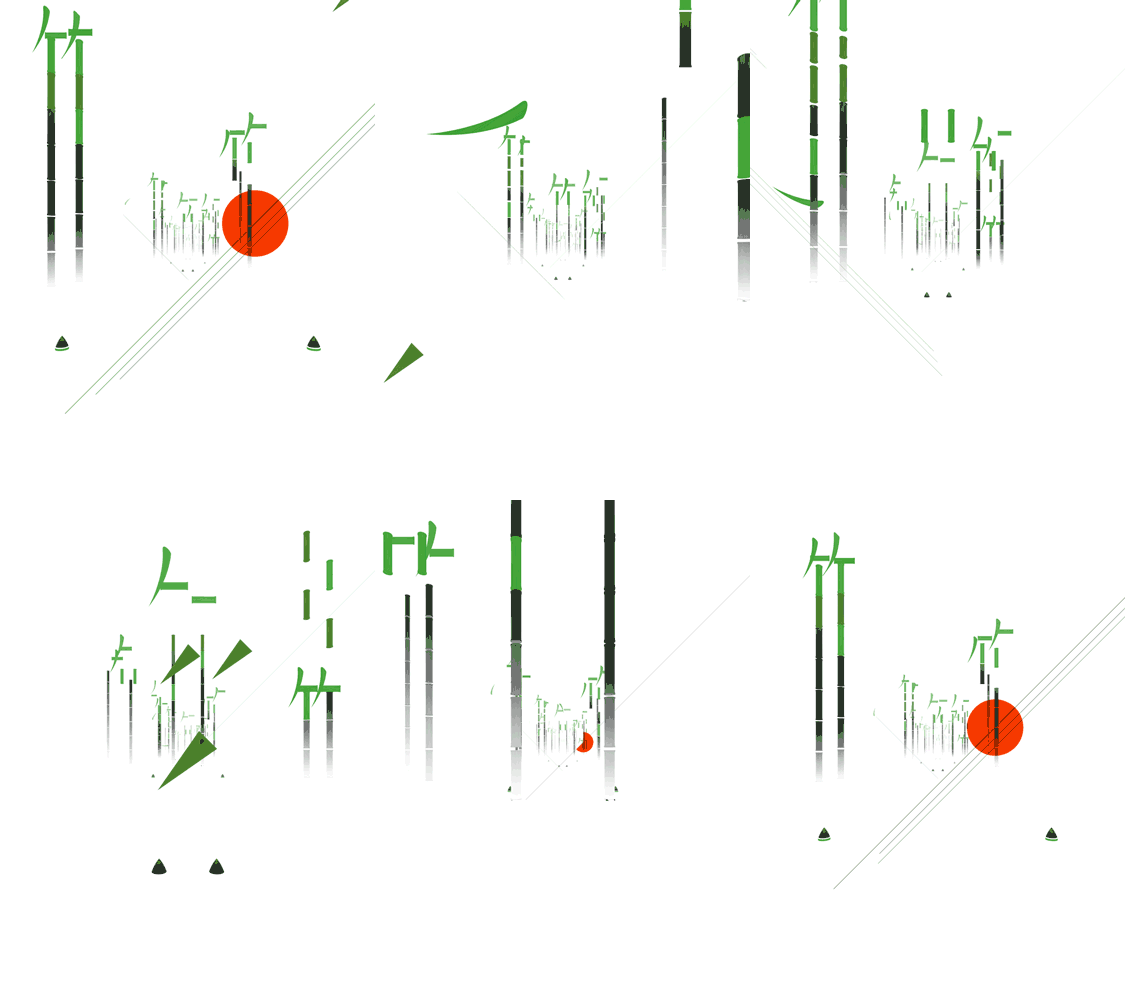
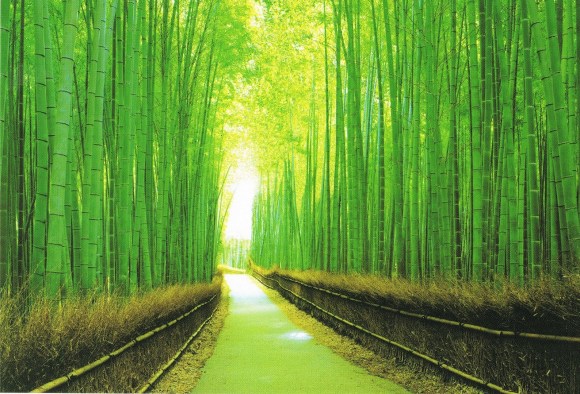
…then cool off in western Kyōto’s Sagano Bamboo (竹) Forest, where shade is provided by gently swaying greenery.
▼ A popular bicycling path, lined by the towering grasses of Sagano District.
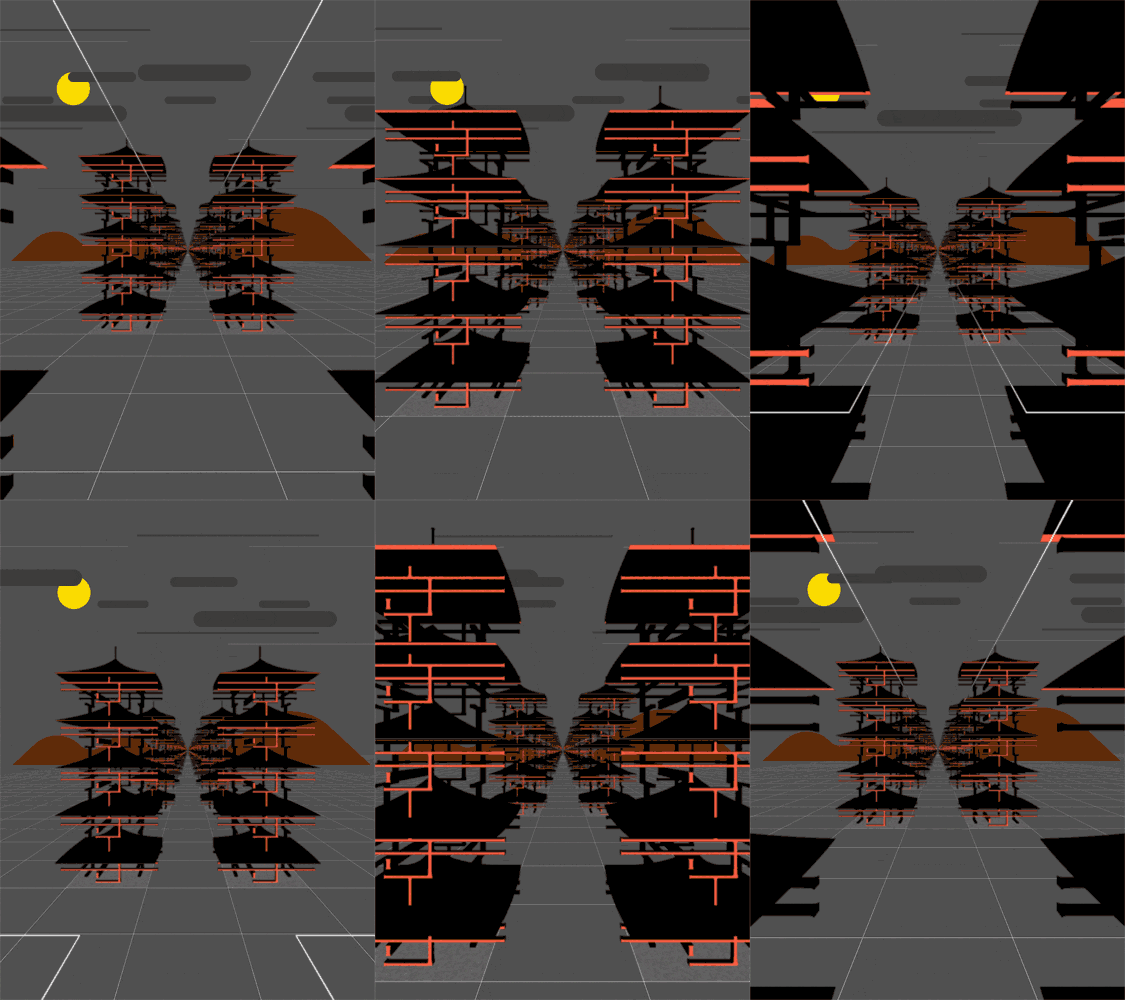
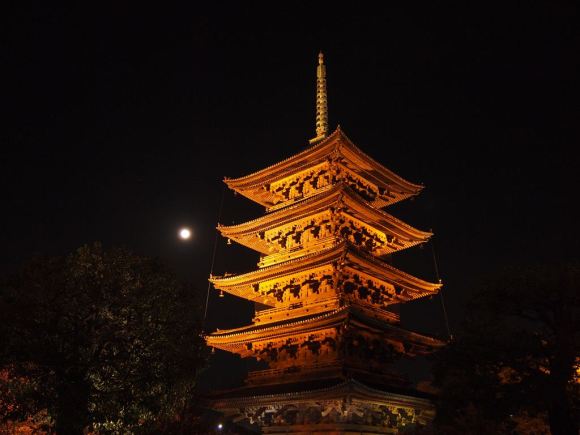
Equally towering are the gojyū-no-tō, or five-storied Buddhist pagodas, cleverly represented by five temples (寺) stacked on top of each other.
▼Tō-ji’s five-storied pagoda, one of the four in the city. Construction began in the year 826 and at 54.8 meters, it is the tallest wooden pagoda in Japan. This temple’s gojyū-no-tō has been destroyed by fire a whopping four times, so the structure you can visit now is the one that was built in 1644!
One of my favorite parts of the video starts around 2:03, where you speed by elegant women of Kyōto (京女) in fluttering kimono sleeves. The segment immediately reminded me of a pivotal scene from the anime series Uchōten Kazoku (The Eccentric Family, available on Crunchyroll). In it, an enchanted “train” goes for a wild nighttime ride through a dazzling city inhabited by shape-shifting tanuki (raccoon dogs) and flying tengu, as well as humans. An award-winning yet underrated Ghibli-esque tale set in modern-day Kyōto, this series is highly recommended; if the frog character doesn’t make you cry, I don’t know what will!
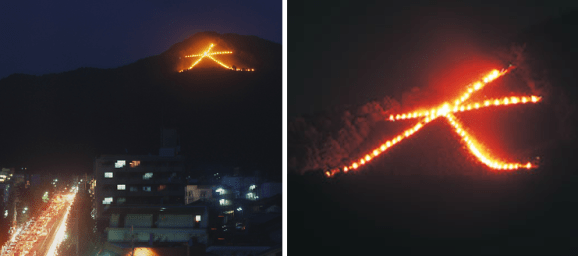
Another beautiful section portrays the Buddhist Gozan-no-Okuribi Festival held on August 16th, which translates into “sending-off fires of the five mountains”. Marking the conclusion of the O-Bon Festival (similar to Mexico’s Day of the Dead), six giant bonfires that depict five symbols are lit on the mountainsides, in order to send off your ancestors’ visiting spirits as they return to their world.
▼ Views of the actual Daimonji.
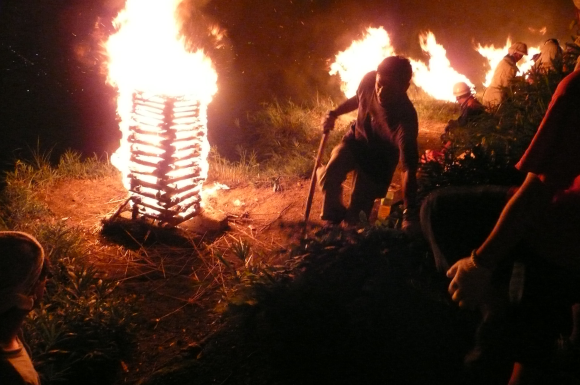
▼ A close-up of the giant bonfire’s separate units!
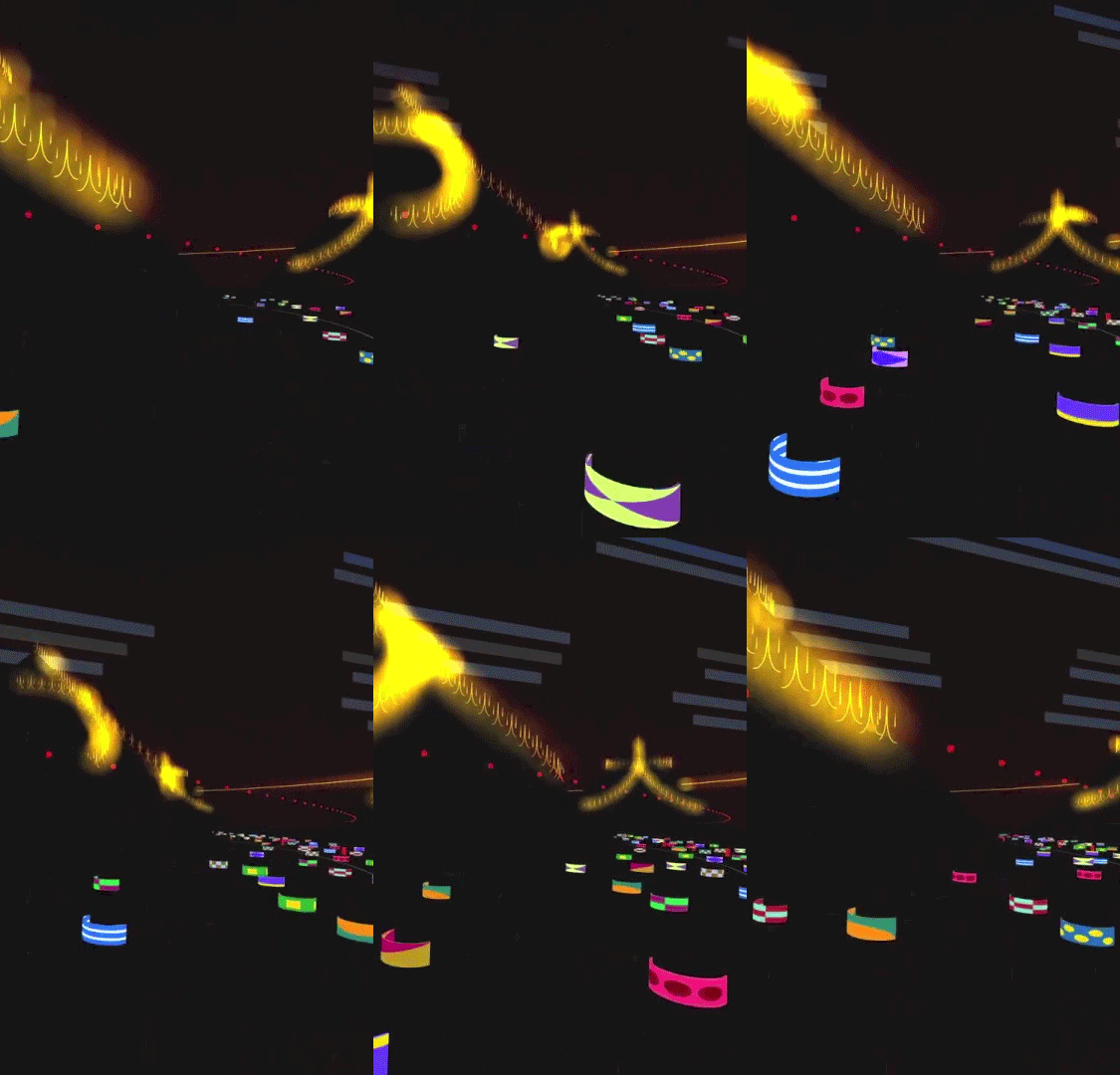
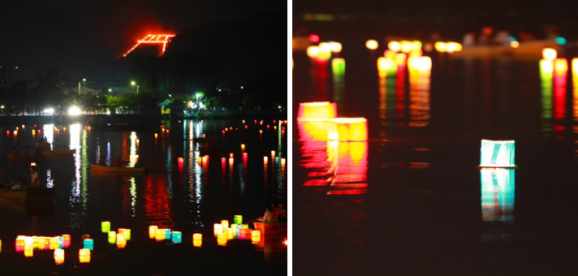
▼ One more sublime event included in the film is the tōrō-nagashi, in which paper lanterns are floated down the Katsura River so that spirits can ride them back to the Pure Land. In the distance, the bonfire in the shape of a Shintō shrine gate can be seen.
At the end of the video below, the city’s final transformation is made visible as you take to the skies like a mighty tengu. You can probably guess what that kanji is, but be sure to watch the credits if you want to check all of your answers!
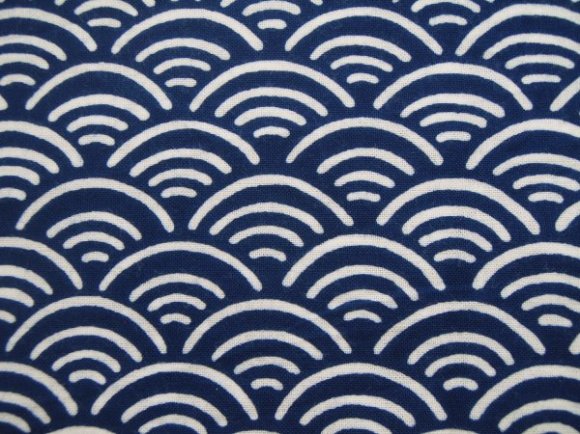
While we’re on the topic of cool Japanese GIFs, did you notice the video’s use of the motif below? This pattern called seigaiha (literally “blue ocean wave”) is often seen on rice paper or origami paper, but it actually became popular in the late 1600s and one of its original uses was for the costumes of bugaku dancers.

▼ An example of the traditional dyeing technique, also called seigaiha:
The talented netizen reinvigorated another pattern called asa-no-ha, or hemp leaf (maybe now people can finally stop asking, “Hey, is that a pot leaf?” whenever a Japanese maple appears in anime!). These commonplace designs become anything but with the use of simple technology; can somebody out there tackle the kikkō tortoiseshell or cloisonné-derived shippō patterns next?

Sources: Japaaan 1, 2, COG, The Kyoto Project, Wikipedia 1, 2, 3, 4, Kyoto Hotel Search, Gozan-Okuribi, Arashiyama Tōrōnagashi, Yoko Ungen
Images: YouTube, Wikipedia, 223 World, Kyoto Tabiya, Abisu, Gozan-Okuribi, Kyoto Burabura, Yahoo! Japan Blog, Rakuten Ichiba
Video: YouTube