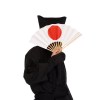
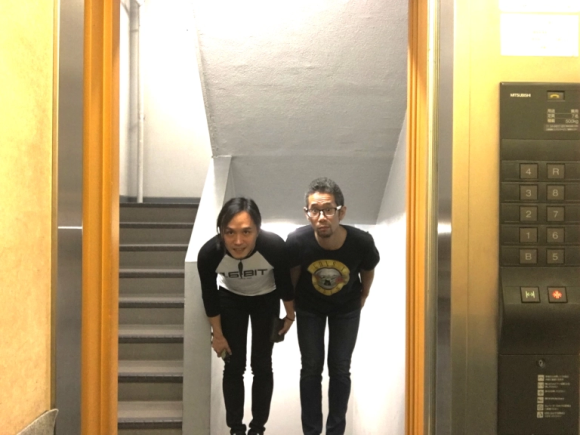
Farewells can be sad, but in a Japanese business saying good-bye can be a pain because of the country’s elevator etiquette.
Before I became a hard-hitting journalist for SoraNews24, I used to work in the hospitality industry, specifically in hotel marketing. The job required me to inspect client properties and meet with their managers, and while I visited hotels of many different sizes, styles, and price points, the meetings almost always ended in the same way.
The client would thank me for taking the time to come to their hotel, I’d thank them for taking the time to meet me, and we’d say good-bye and bow…then the client would walk with me to the elevator and we’d repeat the whole process.
While the rigidity of Japanese business etiquette often gets blown out of proportion, seeing visitors off at the elevator is very much the norm at the end of a meeting. But traditional customs tend to erode over time, and even some of SoraNews24’s Japanese-born staff thinks the whole elevator good-bye thing can be a pain. So we decided to get the Internet’s opinion with a Twitter poll.
The scenario we set up was:
Imagine you’ve gone to someone’s office for a business meeting. After the meeting finished, one of the employees walked to the elevator with you to see you off. You get inside the elevator, and you and the employee both continue to bow at each other until the doors close.
Do you really think it’s necessary to have someone see you off like this?
アナタは打ち合わせをするために、ある会社に行きました。会議が終ると、相手の会社の人がエレベーターまで見送りに来てくれました。エレベーターのドアが閉まるまで、どちらもお辞儀をしています。
— ロケットニュース24 (@RocketNews24) September 22, 2017
さて、ここで質問。このエレベーターまでの見送りは必要ですか?
Our poll garnered 2,056 responses, and the respondents’ preference was pretty clear, with 74 percent saying the gesture is unnecessary. Detractors said they find it stuffy and pointless, but if so many people don’t see a need for the elevator send-off, why does it persist?
Largely because in Japan, someone who visits your office, even as a client, is a guest. As a matter of fact, the Japanese word okyaku-san is used for “guest,” “client,” and “customer,” and with the importance Japan places on hospitality and customer service, most companies feel it’s better to be safe than sorry, After all, even if 74 percent of the poll’s respondents said they think seeing someone off at the elevator is unnecessary, that leaves more than a fourth of the participants who feel that yes, the send-off is a requirement for proper manners.
Or, as one commenter on the poll put it:
“The visitor may not think it’s necessary, but the host thinks not doing it might be construed as rude, so he goes ahead and does it. It seems like we could solve the whole thing if the visitor would say ‘I can see myself out’ when leaving the conference room.”
Of course, preemptively turning down someone’s hospitality could also be construed as impolite, and so this bit of Japanese elevator etiquette isn’t likely to disappear any time soon, even if some people wish it would.
Top image ©SoraNews24
[ Read in Japanese ]

Rules of tea, business cards, and bowing – 10 Japanese business manners young people are tired of
What’s the point? Young Japanese professionals list five business manners they find unnecessary
Bloomberg’s video makes Japanese business etiquette seem way more complicated than it really is
Act of Japanese kindness touches one man’s heart, provides hope for elevator etiquette
An illustrated guide to the proper way to give and receive business cards in Japan
Tokyo subway installing new ticket gates that don’t accept payment through Suica or other IC cards
Japanese Shinkansen becomes an overnight hotel for three nights this summer
99-year-old woman rescued while attempting to climb Mt. Fuji
Giant Evangelion Spear of Longinus to be installed at Japanese train station with Eva art trains
New Shinkansen luggage drop-off system begins in Japan, making train travel even easier
Starbucks Japan releases a miniature display rack so you can create your very own store at home
Kodama Shinkansen trains on popular Japan route get a whole new look this winter
Japanese Coo-Che becomes a viral sensation, and everyone wants a taste
Which country’s foreign tourists spend the most money per-person in Japan? Hint: Not the U..S. or China
Eight great words for talking about summer in Japan in Japanese
Japan now has human refrigerators inspired by Japanese vending machines
Studio Ghibli releases anime T-shirts that pay homage to one of Hayao Miyazaki’s most personal films
Hatsune Miku collaborates with Hokusai’s art in new Vocaloid ukiyo-e illustration series [Pics]
Japanese convenience store releases Japanese convenience store-flavor fried chicken
Family Mart’s new Tokyo flagship convenience store doesn’t feel convenient, but is that a problem?
Studio Ghibli has a new anime out, and there’s only one place in the world where you can see it
Salomon releases Japan-exclusive Mt. Fuji hiking gear that doubles as an amazing souvenir
Japan triples departure tax, foreign tourists and locals now must pay more to leave country
Family Mart opens new “Famima” flagship store in Tokyo that’s like a tourist attraction
Sanrio Character Poll announces winners, Hello Kitty absent from top 10 in many countries
Japan announces sudden 400-percent increase in visa fees for foreigners entering the country
Japan’s human washing machines will go on sale to general public, demos to be held in Tokyo
Starbucks Japan releases new drinkware and goods for Valentine’s Day
Starbucks Japan releases new sakura goods and drinkware for cherry blossom season 2026
Japan’s newest Shinkansen has no seats…or passengers [Video]
Japanese ninja certification exam attracts 131 candidates from Japan and abroad
Put sesame oil in your coffee? Japanese maker says it’s the best way to start your day【Taste test】
Japanese Twitter rolls eyes at book teaching “manners 90 percent of Japanese people don’t know”
Frustrated foreigner living in Japan calls Japanese punctuality a half-truth
Meetings and more meetings: Foreigners list the pros and cons of working at a Japanese company
Japanese manners debate: Is it OK to tell your coworkers “I’ve found a new job?”
Pop quiz: Test yourself in 5 situations of Japanese manners and customs
Who has better manners? Blogger lists three things foreigners do that impress even the Japanese
Young Japanese women pick least favorite ways they feel pressured to socialize with coworkers
Top 10 things even Japanese people think they’re too obsessive about
The 8 most annoying things people do on Japanese trains, according to local commuters
Top 11 tweets to make you feel glad you don’t work in Japan
What are the worst things about the first year working in a Japanese company? Survey investigates
Japanese business wear brand creates helpful graph to tell you what to wear at work
Five magic Japanese phrases to know before starting a job in Japan
How should you respond when a Japanese person gives you a compliment?