
Gomen and kudasai are great for travelers and students, but if you’re going to be successful and happy working in Japan, you’ll want to know these.
Japanese is a highly contextual language, with all sorts of special phrases, grammar, and vocabulary variations depending on your relationship with the person you’re talking to and the nature of your conversation. Naturally, a lot of these come into play in the workplace, where coming across as earnest and respectful are important parts of presenting a professional demeanor.
These can sometimes be tricky for Japanese people even, and with the Japanese fiscal year starting this week, a lot of new employees are feeling a little tongue-tied in the office, so we’ve put together a crash course of phrases that’ll put you on the path to being seen as a polished professional. Even if you’ve landed a job in Japan where you’re primarily speaking English, knowing when to use these phrases, some of which don’t have direct equivalents in English, can work wonders in creating smooth relations with coworkers and clients, so here are five to add to your repertoire, with their Japanese text versions on display on each card.
1. Arigato gozaimasu: Thank you very much
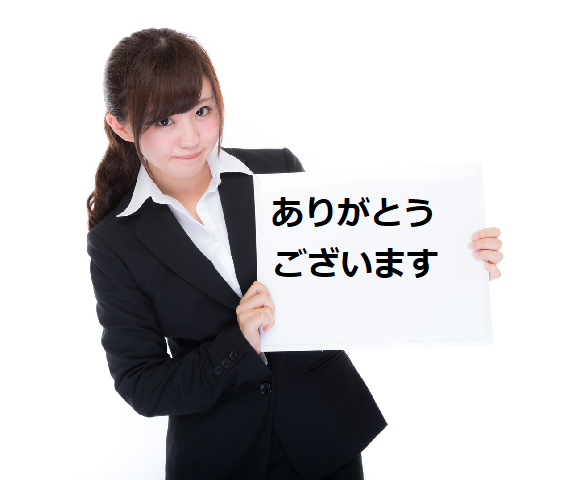
Let’s start off with an easy one. Yes, you could just say arigato, which is what you’re most likely to hear when friends or students are talking to each other. In the business world, though, you’ll generally want to spruce that up with a respectful gozaimasu, giving arigato gozaimasu a much more mature ring to it than plain old arigato.
2. Naru hodo desu ne: I see
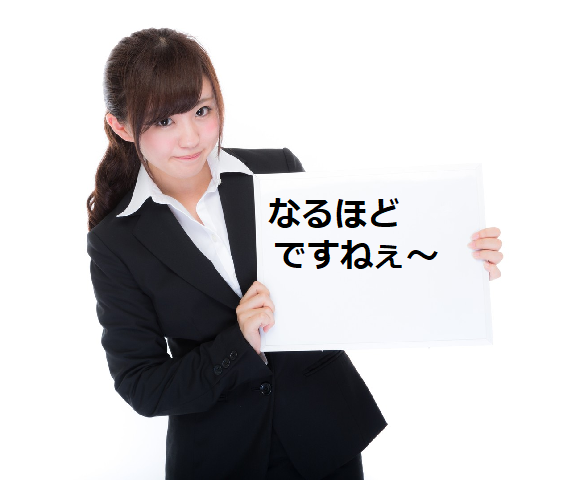
In Japanese, it’s common to condense sentences by omitting things that the speaker thinks the listener already knows or can easily deduce. For example, if your boss wants to assign you a project, instead of saying the full “Watashi ha kore wo anata ni tanomu” (“I will assign this to you“) he’ll probably just say “Kore wo tanomu,” cutting out the parts that mean “I” and “to you” entirely.
But because the speaker is relying on the listener understanding things that aren’t explicitly said, Japanese conversations need aizuchi, which are compact interjections the listener slips in during pauses in the speaker’s statement to signal that he’s keeping up with the explanation. Among pals, an almost grunt-like un will suffice, but when talking to a workplace superior or client, the more formal naru hodo desu ne conveys a greater sense of mental engagement, and thus consideration of what’s being said.
3. Moshiwake arimasen: I am deeply sorry
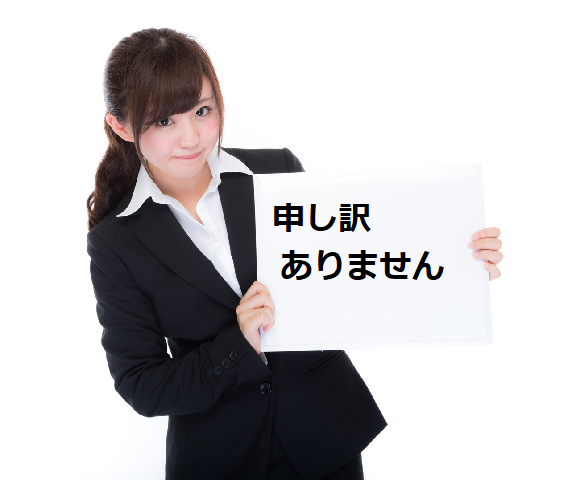
Again, this is one that most Japanese learners learn a simple substitute for early on in their studies. Gomen, or gomen nasai, also both mean “I’m sorry,” but they have a decidedly personal feel to them. While they’ll suffice for everything from forgetting to respond to an email from a friend to breaking up with a long-term boyfriend or girlfriend, gomen, and its myriad gomen-plus-something-else variants, can sound pretty childish in a workplace environment, whereas moshiwake arimasen implies not only regret, but a mature understanding that what you did was incorrect or otherwise created a burden or inconvenience for the other party.
4. Osewa ni natte orimasu: I am in your debt/Hello
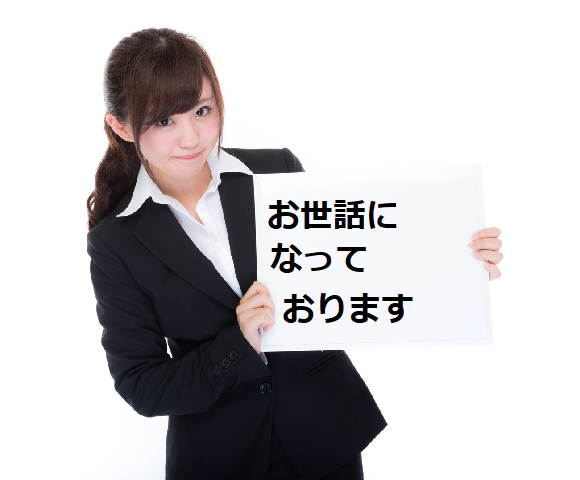
Now we come to one of those phrases that doesn’t have a direct English equivalent. Literally, osewa ni natte orimasu means “I am in your debt,” but counterintuitively it’s also often the first thing you should say to people you’ve never met, or didn’t even know existed until that precise moment.
Gratitude, humility, and group responsibility/credit are all values in Japanese society, so even if you’re speaking with someone for the first time, you’re already indebted to them. A pre-existing client has been supporting the company (by purchasing its products) since before you were even employed, as so deserves your respect. Even employees in other divisions of your company get an osewa ni natte orimasu at the start of a conversation, since they’re all ostensibly doing things that contribute to the company’s overall success and stability, which you benefit from too, and so they deserve a verbal thank-you.
5. Yoroshiku onegai itashimasu: Please/good-bye
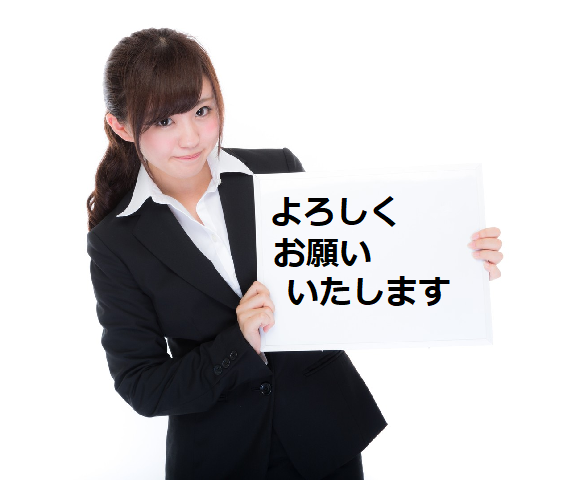
The companion phrase to osewa ni natte orimasu, yoroshiku onegai itashimasu is an extra-polite way of saying “Favorably, please.” And if that seems kind of vague, that’s actually the whole point.
Yoroshiku onegai itashimasu can be used in conjunction with a specific request. For example, if you’ve asked a client to clarify something regarding their requirements for a project you’re working on, or need your boss to confirm that your document draft is in the right format, after you’ve made your request, you wrap up the statement with yoroshiku onegai itashimasu, as a cordial way of saying “Please do this for me.”
But alternatively, yoroshiku onegai itashimasu gets used even when you haven’t asked for anything in particular. It is, by far, the most common way to end any conversation or written communication with a current or potential customer. Even if the specific issue or transaction you were talking about is resolved, or failed to happen at all, you’re still hoping that they’ll think of your company the next time they have need of whatever product or service you provide, and so yoroshiku onegai itashimasu is a succinct, less theatrical way of saying “I hope our paths cross in a happy way at some time in the future.”
As mentioned above, if Japanese isn’t your native language, a lot of times you can get a pass on not using these phrases when doing business in Japan. Still, an understanding of them, and especially the psychology behind them, can be a huge help in everything from job interviews to getting along with your officemates, so keep your eyes and ears open for a chance to use them.
Oh, and yoroshiku onegai itashimasu.
Images: Pakutaso (edited by SoraNews24)
[ Read in Japanese ]
You can follow Casey on Twitter. Yoroshiku onegai itashimasu.