
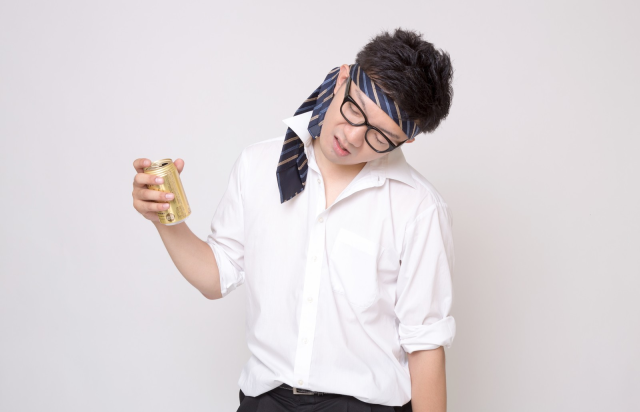
Attending the company’s “forget the year party” is all but required in Japan, but there are ways out, say the people who came up with these five fibs.
With the year winding down, workers across Japan are looking forward having a few days off at the end of December/start of January, since New Year’s is the most important holiday in Japan. At the same time, though, many of those same workers are dreading their company’s annual bonenkai.
Literally translating as “forget the year party,” bonenkai are end-of-the-year celebrations, generally held in the second half of December. Like most company functions in Japan, they’re ostensibly supposed to be an opportunity for coworkers to kick back and have fun, spending some time together outside the strict, businesslike atmosphere of the office, and in the process improve channels of communication and boost solidarity. In reality, though, many people find them about as enjoyable as Japan’s loathed company trips. A bad bonenkai is little more than tensely drinking with your bosses, nodding and murmuring fake interest and understanding while waiting for the unfun festivities to wrap up so you can go home.
Of course, you could sidestep all that by simply not going, but in team-oriented Japan, that’s easier said than done. If you’re going to skip a bonenkai, you need a good excuse. Luckily, weekly news magazine Spa has put together a list of five candidates, based on interviews with people who successfully used them to get out of their workplace’s year-end party.
Let’s take a look at them, plus examine their strengths and weaknesses.
1. “I’ve been invited to my friend’s after-wedding party that day.”
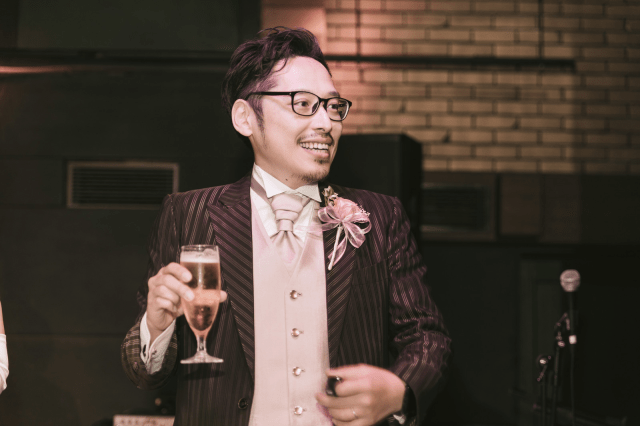
Because bonenkai are usually held on weeknights, after work, a key element here is that you need to say it’s your friend’s after-party you’ve been invited to, not the wedding ceremony or reception. Most weddings in Japan are held on weekends, but in recent years there’s been a trend towards smaller ceremonies and receptions attended only by immediate or close family. Then, at a later date, the newlyweds will have an after-party with just their friends, often renting out a restaurant for the celebration. It’s not unusual to have an after-party on a weeknight, and making the fib extra-plausible is the fact that people in Japan often keep their circles of work and private acquaintances separate, so it won’t be too shocking that you’ve never mentioned your just-married friend to anyone in the office before.
2. “My doctor says I can’t drink anymore, because of my uric acid level, cholesterol, etc.”

“Forget the year parties” are called that because you’re supposed to wipe the slate clean of any lingering sadness or stress that’s built up over the last 12 months, thereby giving yourself a fresh start in the new year. You could argue, though, that the bigger reason the parties are called bonenkai is that some people pound enough booze at them to cause memory loss.
As with most social functions in Japan, the booze flows freely at a bonenkai. Of course, if you say you can’t participate because of health reasons, someone might suggest you just drink soft drinks, so Spa recommends supplementing your story by saying “If I see everyone else drinking, I’ll be tempted to drink too.”
The downside, of course, is that once you say that, if you somehow get roped into going anyway, you’ll be spending the whole time stone sober, which will make it all the more difficult to put up with your boss’ drunken jokes and pontifications.
3. “My spouse’s parents are coming over to our place and spending the night that day.”
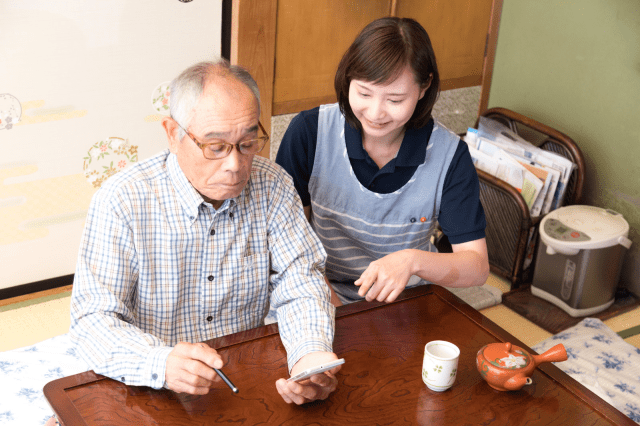
There are a few things that make this one kind of tricky to pull off. First, obviously, you have to be married, and second, your spouse’s parents have to be living somewhere far enough away that it would make sense for them to be staying with you instead of just hopping on the train, going home, and sleeping in their own beds after their visit.
However, if you’re a foreigner working in Japan, you could easily switch this to “My parents are coming from overseas and staying at my place.” There’s a risk here too, though, since Japanese people tend to be extremely interested in what travelers from overseas think of their country, and you’re likely to later get asked where you took your mom and dad, what they thought of Japanese food, and a whole host of other questions you might need to spin an entire web of lies to answer.
4. “I have a business dinner with Mr. X from Company Y that night.”

Another high-level technique, this one requires you to have a job in which you have out-of-the-office meetings with people from other organizations. Also, since you’re missing the bonenkai for an ostensibly work-related reason, you’ll need to produce something to justify your absence, even if it’s just a vague list-like report of the topics you supposedly discussed (and, of course, came to no significant agreements regarding).
The deepest potential pitfall here, though, is that you’ll probably need someone to corroborate your story, since making up an entirely fictitious company and person makes it easy to get caught. The interviewee who did manage to skip a bonenkai for this reason was able to find a counterpart in another company who didn’t want to go to his office bonenkai either, and by telling their respective bosses that they were meeting up with each other for a business dinner, they were both able to get out of their parties.
5. “It’s my spouse’s birthday, and if I don’t take them out to celebrate, they’ll get really upset.”

This one has a lot going for it. Most Japanese people don’t discuss their love lives in that much detail with their coworkers, which works to your advantage in two ways: there’s a good chance no one in the office knows when your spouse’s birthday actually is, and since most people won’t want to pry, you’ll probably get far fewer questions than you would with the “my parents are in town” ploy.
However, something that separates this tactic from all the others is that this one is permanent. Wedding after-parties are a one-time thing. Family visits and business dinners don’t occur in precise, recurring patterns. Heck, you can even get your excessive drinking down to a level where your alcohol intake isn’t damaging your health anymore. But barring a divorce and remarriage, your spouse’s birthday is going to be on the exact same day every year.
That means that if you play this card, you’ll need to remember the falsified date for as long as you remain with that company, and make sure never to contradict it in any subsequent conversations with coworkers. However, the upside is that if you can do that, you’ve got a permanent excuse to get out of any future company parties that happen to take place on that day.
The downside, though, is that you’ll no longer be able to use your spouse’s actual date of birth as an excuse, which means when their real birthday rolls around, you might be stuck having to attend some other after-hours office function, making the part about your spouse being angry at you entirely honest.
Source: Livedoor News/Spa via Jin
Top image: Pakutaso
Insert images: Pakutaso (1, 2, 3, 4, 5)
 Japan’s bonenkai parties are the worst thing about the end of the year. Here’s how to fix them
 Our Japanese writers were taken to a mystery destination for their year-end party
 Young Japanese women pick least favorite ways they feel pressured to socialize with coworkers
 The mystery destination of the SoraNews24 end-of-year party left us speechless
 Tokyo has a special rescue bus for drunks who fall asleep on the last train during party season
 Lawson convenience store at popular tourist site is one of the most unusual in Japan
 Drink vending machines disappearing in Japan as number drops to lowest in 30 years
 Mt. Fuji decorated with a 500,000-flower pink carpet is Japan’s ultimate spring view
 Howl’s Moving Castle’s scene-stealing dog is here to clean your home as a plushie mop
 Toyota built a life-sized Miraidon Pokémon and are letting people test drive it this weekend
 Discovery of Death Note-inspired hit list in New Hampshire school has families on high alert
 New Travelling Bento pouches turn your luggage into a Japanese lunch box
 Japanese politician arrested on charges of accepting bribes to reduce number of monkeys in park
 Studio Ghibli releases 300 more images from six movies free to download online
 Get a Complete Psych Profile in a Few Minutes Using Only a Pen and Paper
 Japan reportedly adding Japanese language skill requirement to most common foreigner work visa
 Pokémon and Ikea Japan cross over into each other’s worlds with collaboration events
 Starbucks Japan closing only Shinkansen platform branch for popularity-triggered renovations
 You can assemble a well-balanced team of Pokémon, them eat them, thanks to Japanese cake chain
 Two food hacks take Japan’s convenience store fried chicken to amazing new sandwich heights
 30 Pikachus want to share a Tokyo hotel room with you that has separate Grass, Water, Fire spaces
 7-Eleven Japan’s new baked-in-store sweet treat is only available in three parts of the country
 Man bites woman at cherry blossom park in Japan, dies shortly after
 Peanuts and Coke becomes a viral hit in Japan, but is it a trend worth joining?
 Japan now has a special desk for people who work at home with a pet cat[Photos]
 Famous Tokyo cherry blossom spot installs view-blocking screens to fight overcrowding[Video]
 Uniqlo announces new T-shirts for One Piece, Naruto and more for manga publisher’s 100th birthday
 Train station platform ramen store closes its doors on half a century of history in Tokyo
 Starbucks Japan releases new My Fruit³ Frappuccino at only 34 stores around the country
 Krispy Kreme releases Super Mario doughnuts in Japan for a limited time
 Japanese onsen egg maker from 100-yen store Daiso needs to be on your shopping list
 Studio Ghibli releases Catbus pullback keychain that runs like the anime character
 Survey asks foreign tourists what bothered them in Japan, more than half gave same answer
 Japan’s human washing machines will go on sale to general public, demos to be held in Tokyo
 Starbucks Japan releases new drinkware and goods for Valentine’s Day
 We deeply regret going into this tunnel on our walk in the mountains of Japan
 Starbucks Japan releases new sakura goods and drinkware for cherry blossom season 2026
 Studio Ghibli releases Kodama forest spirits from Princess Mononoke to light up your home
 Japan’s newest Shinkansen has no seats…or passengers [Video]
 Major Japanese hotel chain says reservations via overseas booking sites may not be valid
 Put sesame oil in your coffee? Japanese maker says it’s the best way to start your day【Taste test】
 No more using real katana for tourism activities, Japan’s National Police Agency says
 Japanese company recognizes marriage with anime characters, provides family support benefits
 Japan’s workplace drinking party communication is unnecessary, says majority of workers in survey
 Japanese restaurant now offering pretend farewell parties for when your coworkers hate you
 Support for coworker drinking parties dropping rapidly in Japan, even among older people【Survey】
 How much money do you need to raise a family with a “normal life” in Kyoto? Study investigates
 Foreigner disappointed by Japan’s hazy concept of “work ending times,” so are Japanese people
 Japanese man expects woman to serve him at drinking party, gets helping of delicious sass instead
 Over half of Japanese people in survey only dated three or fewer people before getting married
 Japanese genius invents a machine just to help you get out of unwanted video chats【Video】
 Four frustrating “middle-aged man rules” that dictate life in a Japanese office
 New “boss’ treat” vending machines in Japan give out free drinks if you use them with a coworker
 Japanese man gets fired for lying on resume by saying he had less education than he really does
 One of Japan’s best whiskies, Hakushu 12 Year, is returning after two years of being sold out
 W.T.F. Japan: Top 5 strange Japanese office occurrences【Weird Top Five】
 Overworked Japan celebrated Labor Day on a Saturday this year
 Five magic Japanese phrases to know before starting a job in Japan