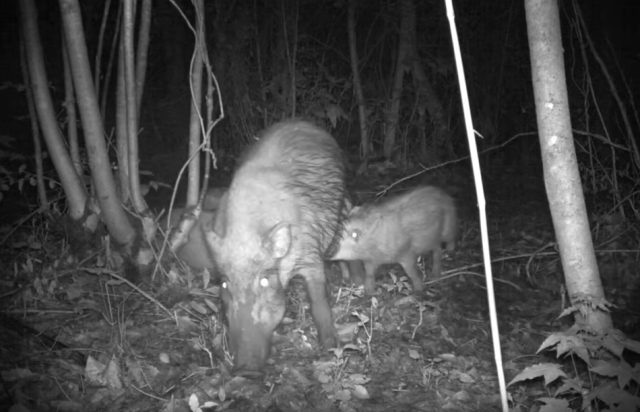
As we reach almost a decade since the tragic incident which displaced over 100,000 individuals, Mother Nature makes her comeback.
A new study published by the University of Georgia reveals the rising abundance of wildlife in rural areas of Fukushima once previously inhabited by humans, but now abandoned after the meltdown of the Fukushima Daiichi nuclear plant in 2011. Over the course of four months, 160 cameras set up in the evacuated zones have taken 267,000 photos of more than 20 different animal species. The video below, courtesy of @University of Georgia, shows a sample of the study’s photos:
What makes this study important is that there was no previous data available in regards to how the aftermath of the nuclear disaster affected wildlife populations in evacuated areas, making the study’s findings a boon to scientists researching animal behavior patterns. The study also helps wildlife biologists and ecologists answer the pressing question: how does a disaster such as a nuclear meltdown affect the behavioral patterns of wildlife in a specific area?
Though the video posted above is less than half a minute, we can see several different examples of wildlife roaming undisturbed through the forests of evacuated zones:
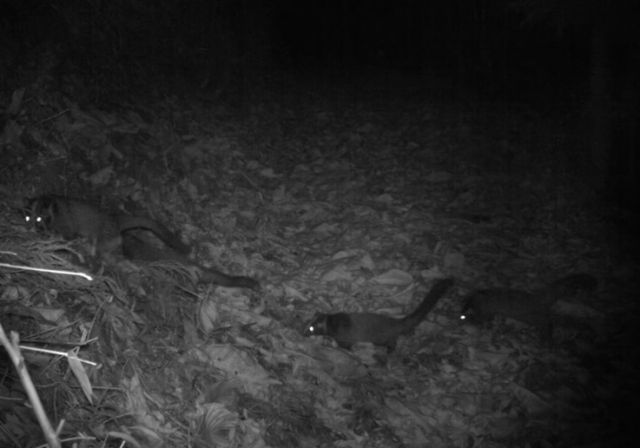
▼ Masked palm civets, a distant cousin to the mongoose, making their way through the dark
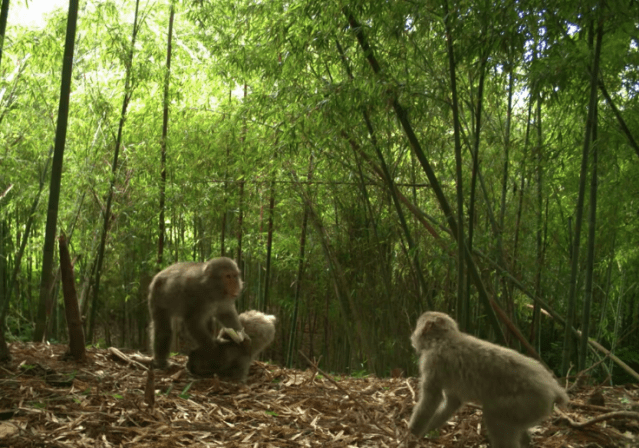
▼ Macaques playing within a bamboo grove
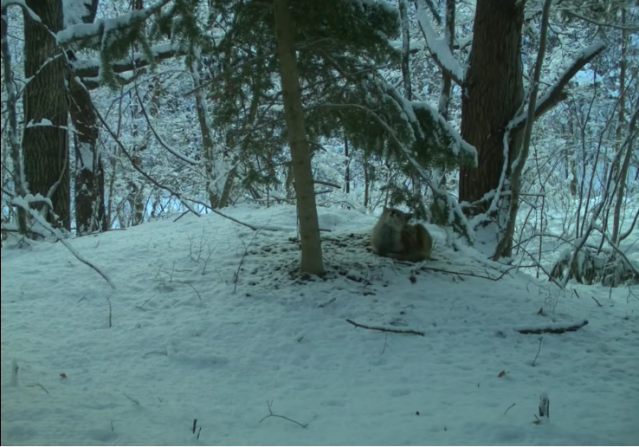
▼ A fox waking up beneath a snow-covered pine
While the animals shown above have no deviations in their typical behavioral patterns, scientists at the University of Georgia have specifically discovered different behavior for two species in the absence of humans: the Japanese boar and the Japanese serow. Japanese boar in evacuated zones have been found to have become more active in the daytime, possibly due to the lack of human interference.
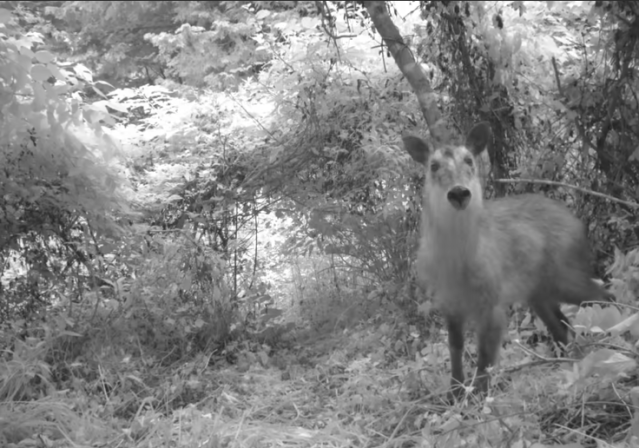
Another animal that has shown deviations from normal behavioral pattern is the Japanese serow. Heralded as a national symbol of Japan’s forests, the goat-antelope, considered a rare sight, has been caught frequently by the study’s cameras. Scientists hypothesize that the Japanese serows in the evacuated areas have changed their movements due to the widening range of the Japanese boar.
▼ The rare serow captured in plain view
An abridged, translated version of the study garnered a variety of responses from Japanese netizens:
“No humans to hunt them or destroy their habitats. This must be heaven for the animals.”
“Seems like a similar situation to Chernobyl.”
“I wonder if any of the animals mutated due to radiation exposure?”
It should be noted that this study is not focused on how radiation can affect animals and potential mutations to their genes, but rather what type of behavioral changes occur within animal populations in the wake of a nuclear meltdown. While only time can tell how the wildlife near Fukushima’s inhabitable zone will genetically evolve, the profusion of animals is a testament of not only Mother Nature’s strength, but also a symbol of the resilience of those who choose to stay in the now evacuated zones.
Source: UGA Today via Jin
Images: YouTube/University of Georgia
● Want to hear about SoraNews24’s latest articles as soon as they’re published? Follow us on
Facebook and Twitter!



First nuclear power plant set to restart in Japan after 2011 meltdown
First worker to die from Fukushima radiation exposure officially recognized by Japan’s government
Inmate of Tohoku prison within nuclear evacuation zone sues TEPCO for emotional distress
Take a tour of the Fukushima Daiichi Nuclear Power Plant seven years after the disaster 【Video】
Radiation fears as report shows Fukushima fir trees to be growing strangely
Starbucks Japan reopens Shinkansen platform store after redesigning it for speed
Family Mart Japan installs red-eyed “Monster Wolf” to keep bears away from convenience store
Japanese man’s gross conveyor belt sushi social media prank video gets him a 500,000-yen fine
Pikachu brings electric style to brand-new Pokémon G-Shock watch featuring every stater trio
Krispy Kreme Japan releases new fruit doughnuts…that taste better cold
The adorable, delicious joy of the Totoro cream puff gift box[Taste test]
Japanese sweets brand creates new drinkable Cigare and we’re totally here for it
Tokyo cops arrest foreigner for suspected visa violation, don’t know what new residence cards look like
Testing Japan’s latest food hack trend: Adding instant corn soup powder to popcorn[Taste test]
Japan launches first overnight Shinkansen bullet train between Tokyo and Osaka this summer
Japan announces sudden 400-percent increase in visa fees for foreigners entering the country
Japanese ninja certification exam attracts 131 candidates from Japan and abroad
Starbucks Japan creates special drink bottle bags, adorable stickers for all 47 prefectures[Pics]
Studio Ghibli store Donguri Republic announces opening of first-ever store in America
“Phantom Egg Shop” opens in Japan, with a dozen rare Japanese varieties
Japanese sweets shop sells an ohagi so exquisite it sells out by noon
New Japanese overnight train coming to connect Tokyo with Tohoku in sleep-travel style
Uniqlo reveals third round of massive 100-year-anniversary manga T-shirts for Jump’s Shueisha
Even at twice regular Daiso price, this handy item is still great for summer travel in Japan
New official Ghibli anime food cookbook will teach you how to make Ponyo’s ramen and more
Forget Tokyo go-karts – there’s a new way to sightsee on four wheels in Japan
Japan’s human washing machines will go on sale to general public, demos to be held in Tokyo
Starbucks Japan releases new drinkware and goods for Valentine’s Day
We deeply regret going into this tunnel on our walk in the mountains of Japan
Starbucks Japan releases new sakura goods and drinkware for cherry blossom season 2026
Japan’s newest Shinkansen has no seats…or passengers [Video]
Put sesame oil in your coffee? Japanese maker says it’s the best way to start your day【Taste test】
Japan reportedly adding Japanese language skill requirement to most common foreigner work visa
Japan’s 5.3 million beautiful Hitachi Nemophila flowers are now in full bloom[Photos]
Return to Fukushima: Decontaminated town reopens to residents, but is anybody living there?
Google to Photograph Street Views of Evacuated Town in Fukushima
Foreign workers being hired for Fukushima nuclear power plant decommissioning project
TEPCO in hot water for use of tasteless hashtag in recent tweet about Fukushima Nuclear Plant
Tokyo Electric Power Company airs first commercial since Fukushima disaster, creates new mascot