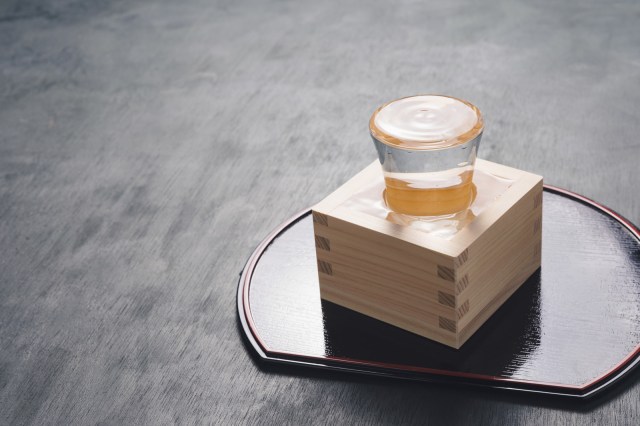
Sip some sustainable sake soon.
With a lot of focus being put on products that are sustainable and ethical, the Japanese alcohol known as nihonshu in Japan, or just sake abroad, really has a lot going for it. For centuries, it has been an all-natural, additive-free, and vegan alcoholic drink in its standard form, made with three simple ingredients: rice, water, and yeast.
That alone would make sake a great choice for those with environmental or ethical concerns, but one brewery in Kobe, Hyogo Prefecture still thinks more can be done. Kobe Shushinkan is a prestigious sake brewery that dates back to 1751, has won many awards, and even had its sake served at the Nobel Prize ceremony.
Now they are embarking on a bold new campaign to make their entire business environmentally sustainable, starting with the world’s first carbon-emission-free sake, Fukuju Junmaishu Eco Zero.
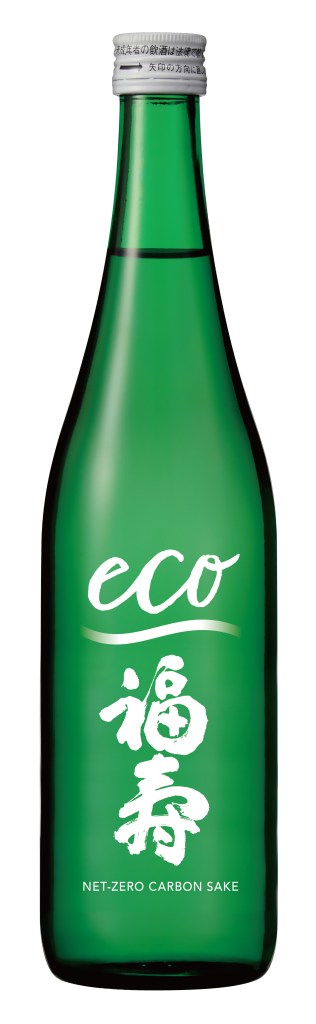
This version of Kobe Shushinkan’s famous Fukuju brand of sake accomplishes this in four different ways. First, they switched their energy sources to Kobe’s non-fossil-burning sources for electricity and carbon-neutral liquified natural gas to run the brewing. They have also taken numerous steps around the brewery to reduce overall electricity consumption such as LED lighting.
In the brewing process itself, instead of milling the rice grains down to 70 percent as they normally do Kobe Shushinkan will only mill them down to 80 percent. By milling less of the rice grains, less power is used and as a result the sake has a more complex and earthy taste than the highly fruity flavors of sake made from heavily milled rice like daiginjo.
Normally in sake brewing something called “shubo” is used. Literally translating to “sake mother” this mass of mushy steamed rice is used to cultivate the yeast needed to ferment the sake. However, since the steaming process consumes energy, this step has been eliminated in the production of Eco Zero. Instead, dried yeast is used to reduce the environmental burden and speed up the entire brewing process.
▼ A quick and very informative video showing shubo being prepared
Finally, the bottles themselves do not have any labels which require additional materials and energy to produce. Instead, a lead-free ink is applied directly to the bottle through electrostatic coating. These bottles will grace liquor shelves starting 20 October for an expected retail price of about 1,500 yen (US$11) per 720-milliliter (24-ounce) bottle.
Eco Zero is only the first step in Kobe Shushinkan’s Sustainable Journey initiative in which it aims to have complete emission-free brewing by 2030 and extend this to all aspects of their supply chain by 2050, including farming and distribution to the 15 countries where Fukuju sake is sold. They also plan to share these techniques with other breweries so that the entire industry can move in a greener direction together.
In addition to adhering to basic social responsibility, Kobe Shushinkan also has a vested interest in curbing climate change and protecting the environment. Sake brewing is deeply connected to the water and land of the local environment in which its made. So for them and for all of us, saving the environment also means saving great tasting sake.
Source: PR Times
Top image: Pakutaso
Insert image: PR Times
● Want to hear about SoraNews24’s latest articles as soon as they’re published? Follow us on Facebook and Twitter!