
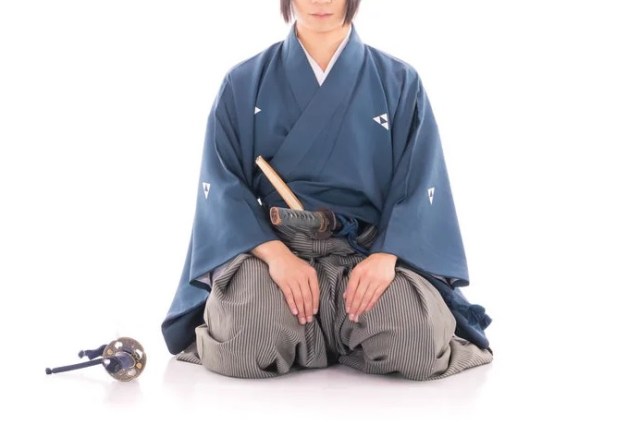
Pledge, signed in blood, is “a treasure” of bank that’s still in operation today.
Professional pride is a big part of Japanese culture, and so companies are often keen to showcase their histories on their websites. Often this takes the form of photographs of the office or shopfront back when the company was first established, or maybe a collection of quotes from the founder, but Shikoku Bank’s website includes a part of their history that conveys their core values in a startlingly violent way.
Included in the company outline/investor relation information section of Shikoku Bank’s website is a page about “The Pledge.” This promissory paper document actually predates the Shikoku Bank name, which the company began using in 1923. The company had the much drier name 37th National Bank upon its founding in 1878.
1878 was just 10 years after the end of Japan’s feudal government system, and while the nation was no longer ruled by a shogun, not all vestiges of samurai society had faded away. So while The Pledge contains the expected vow by Shikoku Bank to ethically and responsibly handle the financial resources with which it has been entrusted, it also includes acceptance of a very strict pre-determined punishment for employees who commit fraud: ritual suicide.
▼ The Pledge
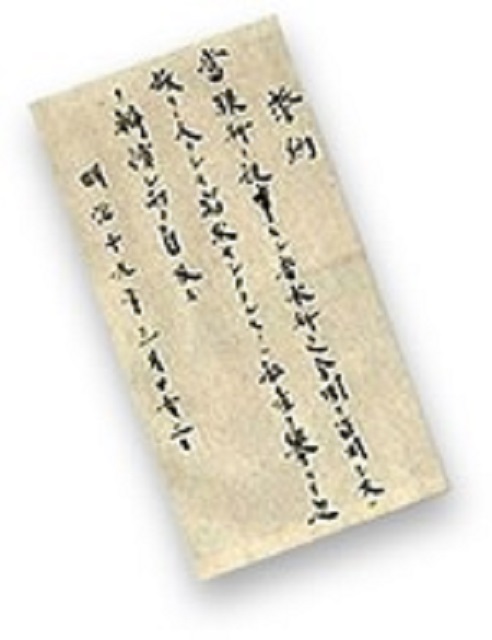
The pledge reads:
“Those who work for this bank and steals money from it, or from the deceased, will make restitution using their own money or belongings, and then kill themselves.”
The exact term used in the Pledge is jijin, literally “self-blade” and referring to committing suicide with a sword, also known as seppuku when referring to the traditional samurai practice of self-disembowelment.
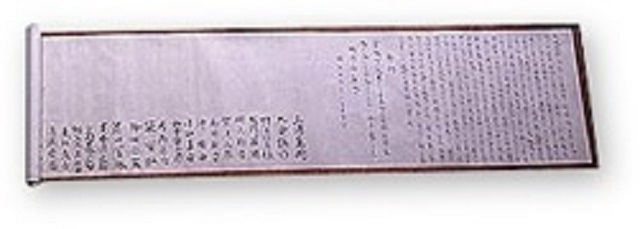
And to show just how serious they took the pledge, the 23 signers of the document, including the bank’s president, stamped their signatures in blood.
▼ The Pledge signees’ names are at the left half of the scroll.
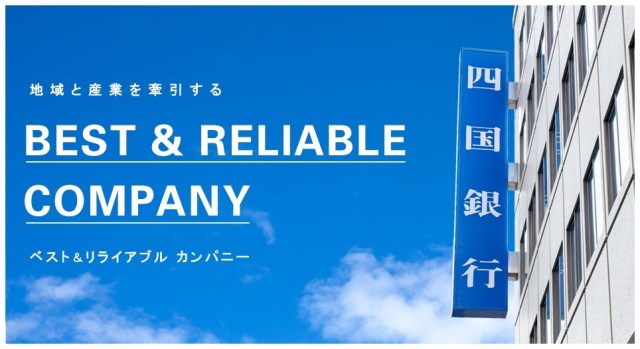
Today, Shikoku Bank, which is based in Kochi Prefecture and primarily serves the island of Shikoku, has transitioned to brighter, more cheerful reassurances about the financial safety and security they provide.
However, Shikoku Bank still holds the Pledge in high esteem, saying “This artifact conveys the ethics of [our founders] not just as bankers, but as members of society, and it is a treasure of Shikoku Bank.”
With all those who signed the Pledge in blood having already passed away, it’s unlikely that Shikoku Bank still has an active policy of backing its service against a promise of ritual suicide, but it’s reassuring to know that they take financial security seriously.
Source: Shikoku Bank via Twitter/@cheap_sake via Otakomu
Top image: Pakutaso
Insert images: Shikoku Bank (1, 2)
● Want to hear about SoraNews24’s latest articles as soon as they’re published? Follow us on Facebook and Twitter!
 Samurai ritual suicide contest cancelled by organizer in west Japan
 You can assemble a well-balanced team of Pokémon, them eat them, thanks to Japanese cake chain
 Pokémon and Ikea Japan cross over into each other’s worlds with collaboration events
 Sailor Moon’s Artemis is part of the Artemis II NASA mission control team[Video]
 Japan named most sleep-deprived country for fourth year in a row, according to survey
 Starbucks Japan closing only Shinkansen platform branch for popularity-triggered renovations
 Can a downtown Tokyo super sento bathhouse beat a hotel for a one-night stay?
 Tokyo teahouse serves up a sakura matcha dessert you won’t find anywhere else
 Foreign tourists in Japan will get free Shinkansen tickets to promote regional tourism
 It must be love: Korean couple make dramatic body transformations in just five months
 Does this video about an abandoned dog leave you wiping your eyes or shaking your fist?
 Tokyo’s best museum for foreign travelers finally reopens after being closed for four years
 Pokémon lacquerware series expands for Year of the Horse with new handcrafted design[Video]
 Two food hacks take Japan’s convenience store fried chicken to amazing new sandwich heights
 Tokyo subway and almost all Tokyo train lines now accepting credit card tap payments
 Totoro Fund line of beautiful artwork and apparel lets you help the real-world Totoro Forest
 Fading Tokyo – Searching for signs of the Showa era as local neighborhoods evolve[Photos]
 Famous Tokyo cherry blossom spot installs view-blocking screens to fight overcrowding[Video]
 Tokyo turns its phone booths into free Wi-Fi hotspots, and here’s how to use them
 Studio Ghibli adds new My Neighbour Totoro 2026 Corn Gift to its anime store for Mother’s Day
 Japan now has a special desk for people who work at home with a pet cat[Photos]
 Uniqlo announces new T-shirts for One Piece, Naruto and more for manga publisher’s 100th birthday
 Train station platform ramen store closes its doors on half a century of history in Tokyo
 Starbucks Japan releases new My Fruit³ Frappuccino at only 34 stores around the country
 Studio Ghibli releases Catbus pullback keychain that runs like the anime character
 Krispy Kreme releases Super Mario doughnuts in Japan for a limited time
 Japanese onsen egg maker from 100-yen store Daiso needs to be on your shopping list
 Nine great places to see spring flowers in Japan, as chosen by travelers (with almost no sakura)
 Survey asks foreign tourists what bothered them in Japan, more than half gave same answer
 Japan’s human washing machines will go on sale to general public, demos to be held in Tokyo
 Starbucks Japan releases new drinkware and goods for Valentine’s Day
 We deeply regret going into this tunnel on our walk in the mountains of Japan
 Studio Ghibli releases Kodama forest spirits from Princess Mononoke to light up your home
 Starbucks Japan releases new sakura goods and drinkware for cherry blossom season 2026
 Japan’s newest Shinkansen has no seats…or passengers [Video]
 Major Japanese hotel chain says reservations via overseas booking sites may not be valid
 Put sesame oil in your coffee? Japanese maker says it’s the best way to start your day【Taste test】
 No more using real katana for tourism activities, Japan’s National Police Agency says