They’re very good at using chopsticks.
Every day, millions of people in Japan crack open a bento or dig into a restaurant’s meal while holding a pair of chopsticks that are destined for the garbage once finished, possibly even sooner if one is dropped on the floor. On the bright side, they’re biodegradable compared to plastic utensils, but it still seems wasteful to discard so much material after one use.
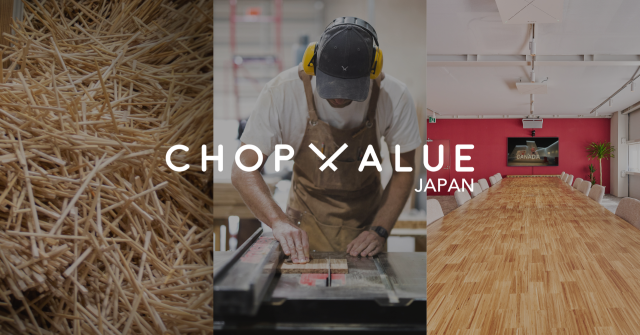
It’s something the Canadian company ChopValue has been working to address by developing a method to engineer used chopsticks into a durable and aesthetically pleasing building material. They do this by collecting discarded chopsticks, sterilizing them, and compacting them into a block that’s harder than maple and stronger than oak.
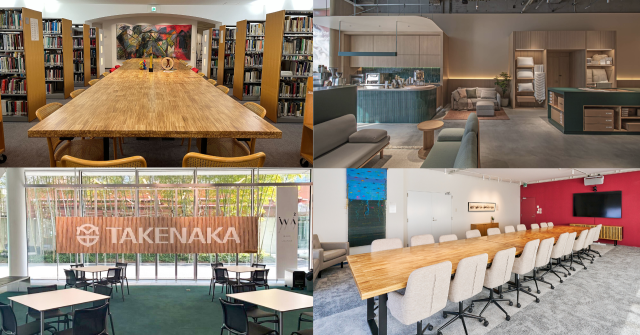
The process has been catching on well, and there are currently ChopValue micro-factories all over the world, with ChopValue Japan having recently opened in 2024 in the city of Kawasaki, Kanagawa Prefecture. It goes without saying that Japan goes through a lot of chopsticks, and if this business model can expand across the country, it could result in the upcycling of some 20 billion chopsticks a year.
However, one hurdle to accomplishing this is Japan’s very strict laws regarding waste management. Since chopsticks are considered waste, one would require a special license to be able to collect them from places like restaurants. These are extremely difficult to obtain and are handled by municipalities, meaning ChopValue would have to get a permit in every single city they operate in. Not only that, the restaurants and businesses would also be required to keep detailed records of their chopstick usage and disposal, and that’s not a burden many businesses would be willing to take on.
In the face of this difficulty, ChopValue Japan began working with the Kawasaki City Government on research regarding their techniques for reusing chopsticks. Thanks to this cooperation, the city has officially upgraded used chopsticks from the classification of “waste” to “valuable material.” This means the chopsticks are treated like any normal commodity that can be freely traded and collected without government regulations.
▼ So, keep an eye out for chopstick bins in your area.
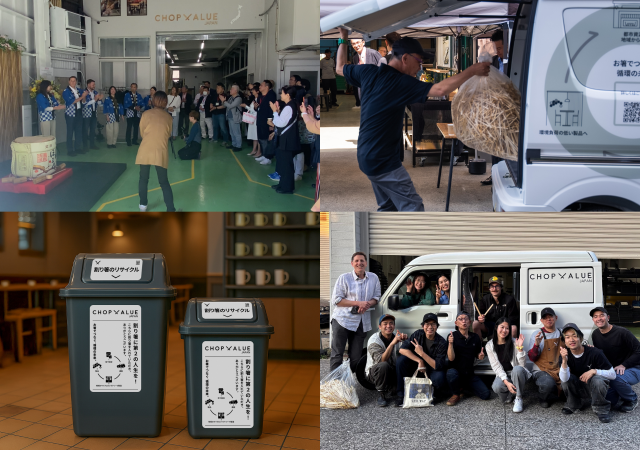
Now, before any residents of Kawasaki reading this begin hoarding their own used chopsticks to get rich now that they’re “valuable material,” there is a very important caveat to this designation. Only bamboo chopsticks collected by ChopValue are considered “valuable material,” and any other used chopstick remains as “waste” in the eyes of the law.
Nevertheless, this is a pretty big moment for circular business models in Japan. It set a precedent that ChopValue can take advantage of when setting up micro-factories in other Japanese cities. It also creates a framework that other circular business models can emulate in order to get around longstanding and strict Japanese laws.
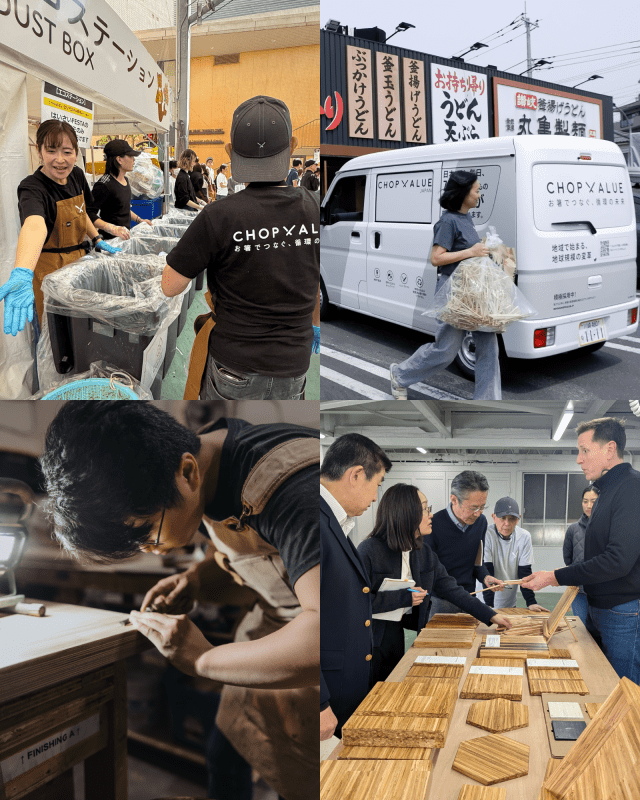
With the future looking bright for ChopValue Japan, we might be nearing a day when tossing out disposable chopsticks isn’t creating garbage but creating things we can use in our daily lives.
Source, images: PR Times
● Want to hear about SoraNews24’s latest articles as soon as they’re published? Follow us on Facebook and Twitter!