Taking a break in the shade? Here’s some Japanese vocabulary and cultural knowledge that could be yours by the time you step back into the sun.
Summer in Japan can be a divisive season. To some people, it’s the season of intense heat and humidity, while to others, it’s the season of intense heat and humidity that also has awesomely fun events, delicious foods, and cool traditions.
But whether you love it or hate it, it’s impossible not to feel the season if you’re in Japan during the summer, and so it’s definitely going to come up as a topic of conversation too. With that in mind, here are eight great words for talking about summer in Japanese.
1. natsu
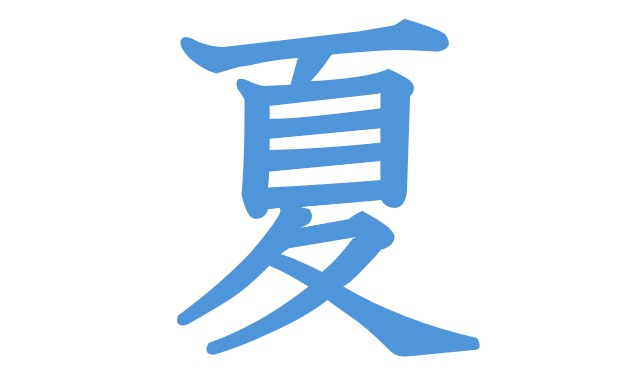
We’re starting off with the obvious one, since you can’t talk about summer without the Japanese word for “summer:” natsu, written in kanji as 夏.
Speaking of kanji, because of the modular nature they give to Japanese vocabulary, there are all sorts of other words that contain natsu, such as natsuyasumi (summer vacation), natsufuku (summer clothing), and even natsubate (feeling exhausted from the summer heat).
2. umi

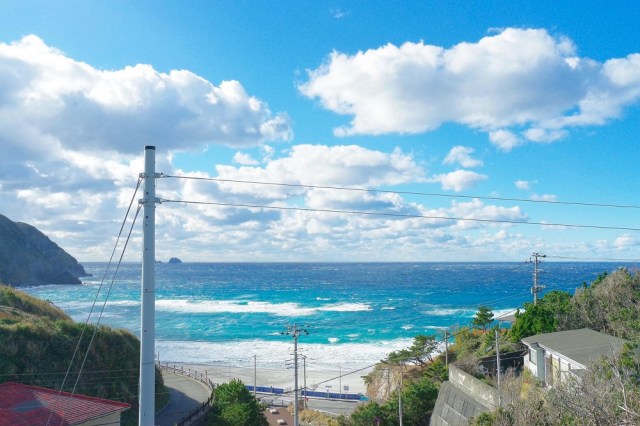
Another fundamental building block of conversations about summer, umi is the Japanese word for “sea” or “ocean.” Its meaning is a little more expansive than those aquatic English equivalents, though, since umi is also used in many situations to mean “beach.”
Though there are Japanese words specifically for sandy shorelines (hama or tsunahama), they aren’t usually used in talking about plans for summer fun. Even if the plan is just to stroll, sunbathe, or otherwise hang out on the sand, if someone wants to say “Let’s go to the beach!” in Japanese, they’ll say “Umi e ikou yo!”, using umi to describe their desired destination.
3. suikawari

Speaking of ways to have fun at the beach, one of Japan’s most iconic seaside activities is suikawari. This one is actually two vocabulary words in one, with the first being suika, the Japanese word for “watermelon,” the fruit that, by far, is the most strongly associated with summer in Japan.
Wari comes from waru, the Japanese word for “split” or “break into pieces.” All Japanese words end in U, but doing some grammatical tinkering lets us change it into a noun, wari, and that’s how we get suikawari, or “watermelon splitting,” a game that’s sort of like Japan’s version of a pinata. In suikawari, a whole watermelon is placed on the ground, and a player is given a heavy stick and blindfolded. After being spun around to make them dizzy, the blindfolded person then tries to swing the stick down onto the watermelon and crack it open so everyone can then scarf down on the fruit.
Suikawari could be played anywhere, but having a soft, sandy surface helps prevent any injuries should the blindfolded player stumble or miss with their swing, and also makes for easier cleanup after the watermelon has been cracked open, so its been a popular beach activity in Japan for generations.
4. hiyake
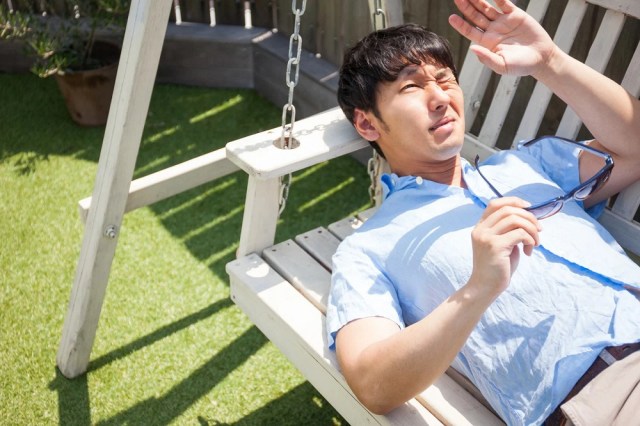
Another two-parter, hiyake starts off with hi, meaning “sun,” and yake is the noun-form of the verb yaku, meaning “burn.” So, pretty obviously, hiyake means “sunburn,” right?
Yeah, but it’s a little more complex than just that. In everyday conversation, the Japanese language doesn’t really differentiate between a painful crimson sunburn or a fashionable mocha suntan. Hiyake is used to describe both conditions. Those suntanned Sanrio characters, for example, are referred to as their hiyake versions in Japanese. Hiyake, by the way, also shows up in the Japanese word for sunblock, hiyakedome (literally “sunburn stopper”).
5. kiin to suru
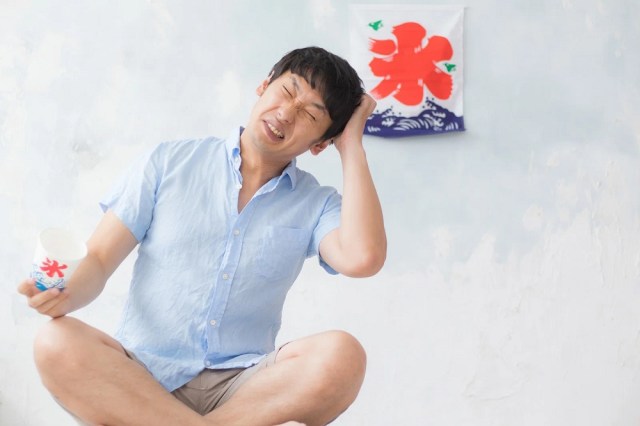
Sunburns aren’t the only potential pain that can come from overindulging in summer fun. Even if you’re relaxing in the shade, you might hear someone suddenly shout “Kiin to suru!” in a voice wrought with alarm and regret, as they’re having a brain freeze.
If you want to be technical about it, the full phrase for “having a brain freeze” is “atama ga kiin to suru,” (“[my] head is going ‘kiin’”) but as you can imagine, phrasing tends to be a little less rigid when it feels like your synapses have just been coated in ice. The key part here is the onomatopoeia kiin, describing a sharp pain and with the middle part (pronounced like a long E vowel sound) drawn out in proportion to how badly your head is hurting because you were chowing down on your ice cream or shaved ice too quickly.
6. semi
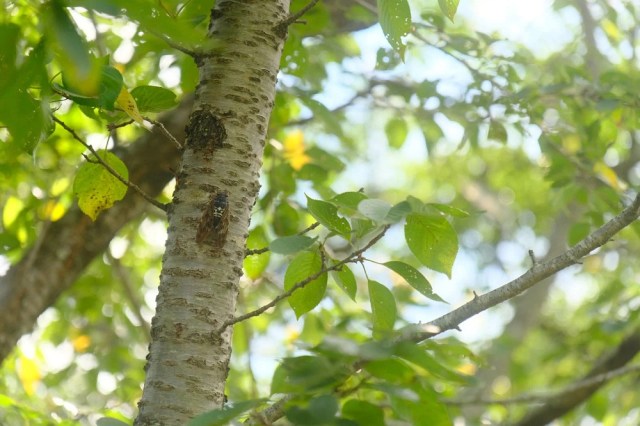
Though not the only sound associated with summer, the most difficult to ignore is the sound of the semi, or cicadas. If you happen to live in a part of the world that doesn’t have these seasonally active insects, the sound they make can best be described as a high-intensity buzzing, so strong that if you didn’t know otherwise, you might mistake it for some sort of electrical equipment that’s having problems.
And yet, you’d be very hard-pressed to find someone in Japan who doesn’t love the sound of semi. When we asked around the SoraNews24 office, our Japanese coworkers were unanimous in their positive feelings about it, and you can find all sorts of summer-sound background noise videos on YouTube from Japanese posters where the cicada buzz has a prominent presence.
▼ This one has more than six million views.
Though they produce this sound by rapidly vibrating a part of their body near the abdomen, cicadas making noise in Japanese is described with “semi ga naku,” using the verb naku, meaning “cry,” “call,” or “bark,” that’s used when animals such as birds, dogs, or cats make noises with their throats. Oh, and while pretty much everyone in Japan like semi, no one likes coming across a semibakudan, “cicada bomb,” an almost-dead cicada that’s collapsed on the ground in a park or on a sidewalk but springs noisily back to life when someone approaches, often starling the person half to death themselves.
7. nyudogumo

“Cumulonimbus clouds” probably isn’t going to help most non-meteorology enthusiasts form a mental picture, and calling these cloud formations “thunderheads” might have your in-English listener assuming you’re talking about a forgotten team of comic book superheroes or obscure 1980s barbarian fantasy movie. Mention nyudogumo to people in Japan, though, and they’ll immediately know what you’re talking about, since the high temperatures and high humidity that practically all of the country experiences during this time of year make these cloud formations a common sight and telltale sign that summer is in full force.
The back half of nyudogumo comes from a softened-pronunciation variant of kumo, the Japanese word for “cloud,” but the first part of the word is less immediately intuitive. Nyduo is a shortened version of onyudo, which is a kind of yokai monster depicted in Japanese folktales as a giant with a shaved head like a monk’s. To imaginative eyes, cumulonimbus clouds bring to mind the stature of these towering terrors, giving them their name.
8. hanabi

And finally let’s stay in the sky with hanabi, a combination of hana, meaning “flower,” and bi, an alternate pronunciation of hi, or “fire,” giving us the fiery figurative flowers that light up the night sky, “fireworks.”
Fireworks are a very big deal in Japan, and have been so for a long time. The history of Tokyo’s largest fireworks event, the Sumidagawa Fireworks Festival, stretches all the way back to the 1700s. Though Japan’s largest fireworks events will fire off ten thousand or more rockets, funded with backing from major corporate sponsors, there are also smaller local-community fireworks shows. In terms of scheduling, though, fireworks festivals, called hanabi taikai, tend to be clustered between mid-July and early-August, so if you want to experience this quintessential part Japanese summer culture, now’s the time.
Obviously, there are many, many more words in Japanese for talking about this season, including all sorts of classical literary terms and poetic phrases if you want to get really fancy. So think of this as a light linguistic sampler, a little something to remember this natsu by even after your hiyake fades and your brain stops going kiin.
Top image: Pakutaso
Insert images: SoraNews24, Pakutaso (1, 2, 3, 4, 5, 6, 7)
● Want to hear about SoraNews24’s latest articles as soon as they’re published? Follow us on Facebook and Twitter!
Follow Casey on Twitter, where yes, he does love both summer and linguistics.