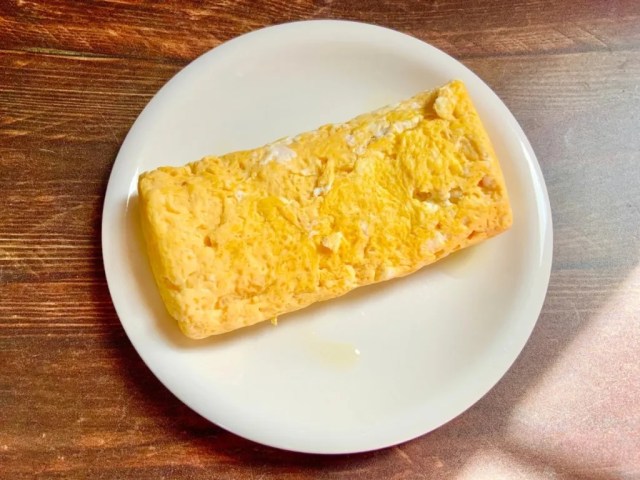
And one more cooking hack will make your dashimaki tamago fluffier still.
In terms of ingredients, dashimaki tamago is an incredibly simple dish. A type of Japanese omelet, you can make it with just three ingredients: eggs, water, and dashi (a stock made from fish and kelp that’s found in all sorts of Japanese dishes). The cooking process is also pretty straightforward, or maybe paradoxically straightforward, since dashimaki tamago is basically an omelet that you wrap (maku) back over itself multiple times, using a rectangular frying pan if you want the traditional squared-off shape.
But just because dashimaki tamago is simple doesn’t mean it’s easy to make. The process can be surprisingly delicate, and while anyone with minimal cooking skills will be able to make dashimaki tamago that’s edible, it takes a deft hand to make dashimaki tamago with a wonderfully fluffy texture throughout its layers. So when we heard rumors of an unexpected ingredient substitution that’s supposed to make dashimaki tamago extra fluffy, we were all attentive ears and growling stomachs.
First, let’s run through the basics of how to make dashimaki tamago. You’ll need:
● 3 eggs
● 1 tablespoon of dashi (we used the type called shirodashi)
● 3 tablespoons of water
Mix them all up in a bowl, and also heat up an oiled frying pan on medium heat. Pour 1/3 of the mixture into the pan, give it a little mix with cooking chopsticks, and once it’s half-cooked, roll it to the front half of the pan. Reoil the now vacant part of the pan, add half of the ingredient mixture, and repeat the cooking and rolling process, then do it all again for the remainder of the mixture.
So what’s the cooking hack substitution we’re trying today? Using sparkling/carbonated water instead of regular water.
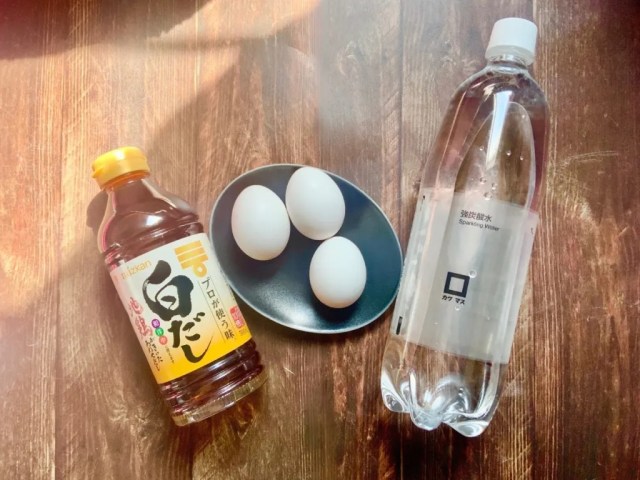
We heard about this idea through Asahi TV’s news/talk program Tantei! Knight Scoop, and then our reporter Natsuki Gojo headed into the SoraKitchen to test it out. Aside from the water swap, there’s only one other change to make, which is that when using the sparkling water, you mix the egg and dashi together first, and then add in the sparkling water right before cooking.
OK, let’s see if this sparkling water swap really is such a bright idea!
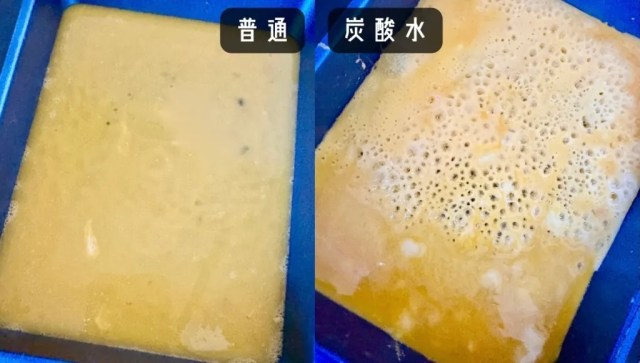
▼ Regular water (left) and sparkling water (right)
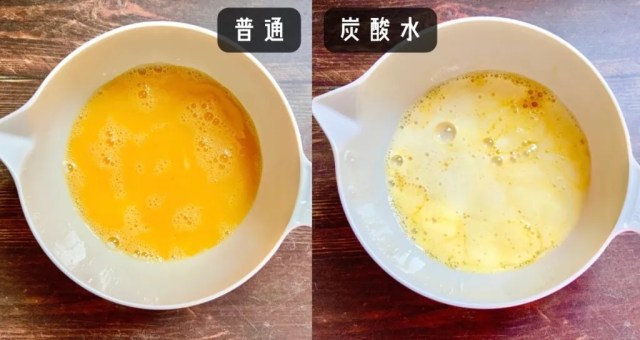
Starting with how the mixture of the three ingredients looked prior to cooking, as you can see in the above photo there’s a noticeable amount of fizz introduced by the sparkling water…at least initially. After stirring, though, the bubbles died down, and the regular and sparkling mixtures were equally calm.
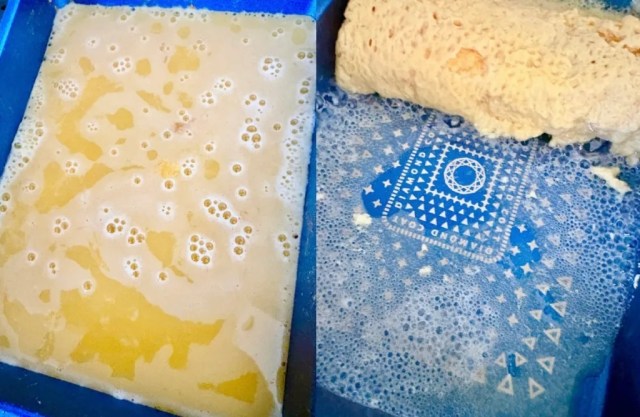
Once Natsuki poured them into the pan, though, the bubbles came back to the sparkling mix in a big way.
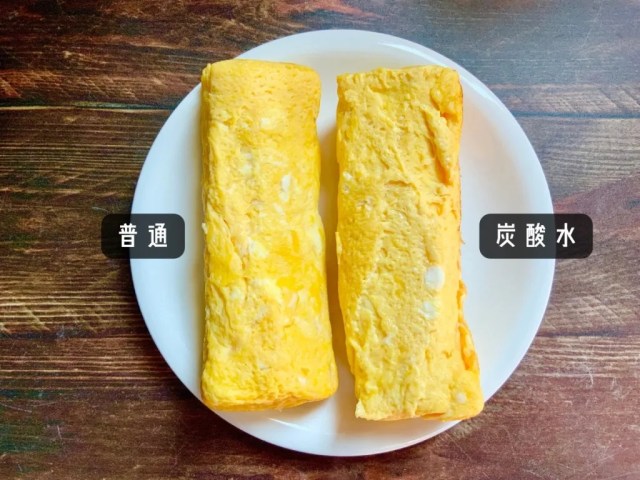
Once both dashimaki tamago were done cooking, we laid them out side by side on a plate, and sure enough, the sparkling version had cooked up bigger and plumper, despite both versions having the exact same volume of ingredients.
Next we sliced off a piece from each to examine their cross-sections, and were happy to see that the sparkling water substitution had produced exactly the sort of results we’d been hoping for!
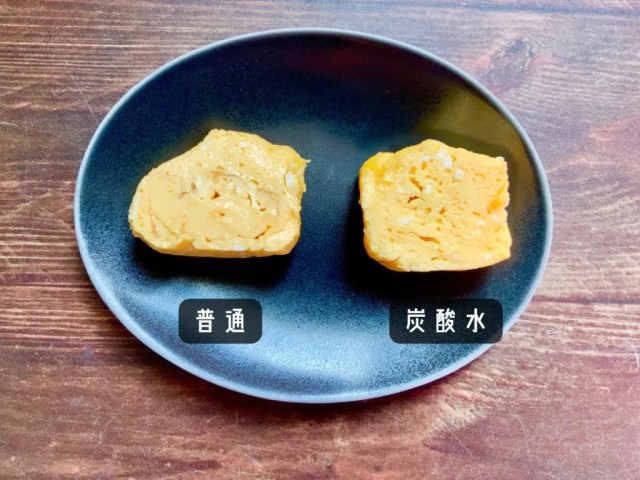
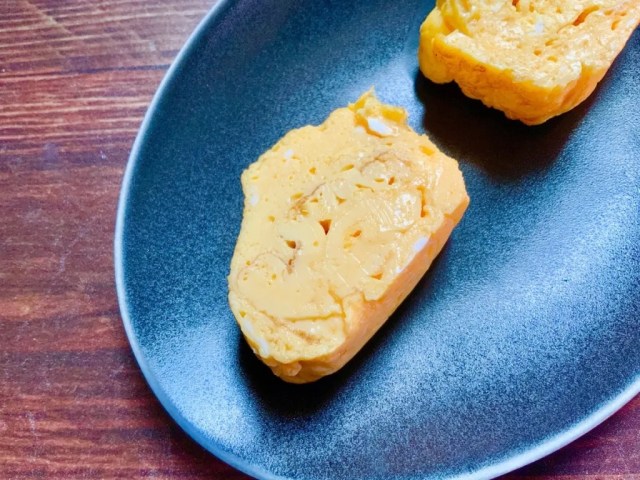
The regular-water version had congealed towards the bottom of the roll, but the sparkling dashimaki tamago had maintained a nice network of little air pockets while cooking, and those had made it fluffier. It wasn’t just the texture that had been enhanced, either. The sparkling dashimaki tamago was juicier too.
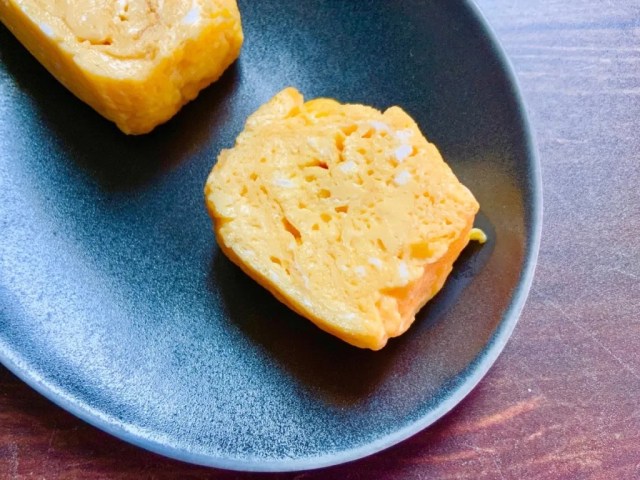
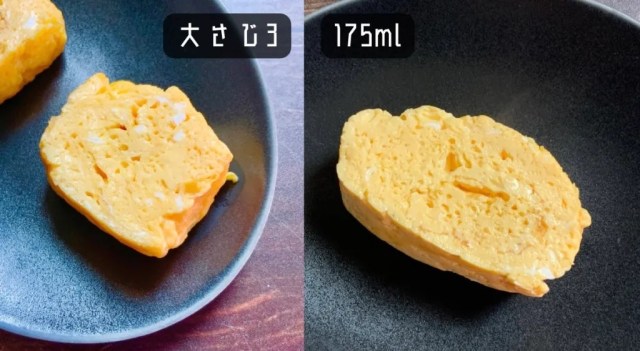
Emboldened by this success, Natsuki decided to whip up one more batch of dashimaki tamago to test out another rumor she’d heard for further fluffiness. This time, instead of using three tablespoons of sparkling water, she used 175 milliliters (5.9 ounces), or roughly 10 tablespoons.
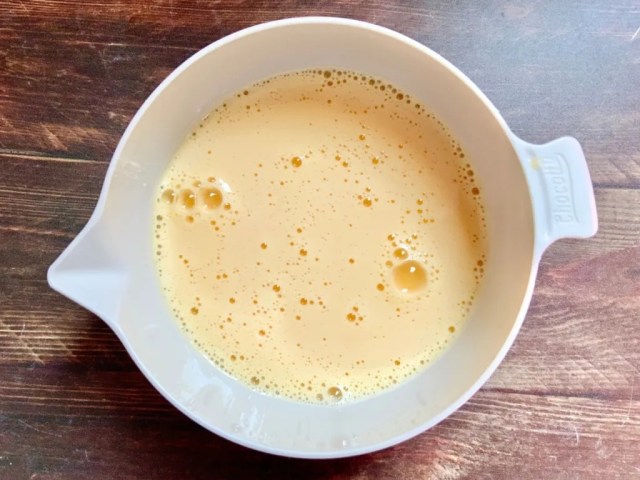
Unsurprisingly, this resulted in even more bubbles at the pre-mix and cooking stages, and Natsuki found herself worried that the mixture might be too watery to cook up properly.
But those fears turned out to be unnecessary, and this high-volume sparkling water version was the fluffiest and juiciest of all three she cooked.
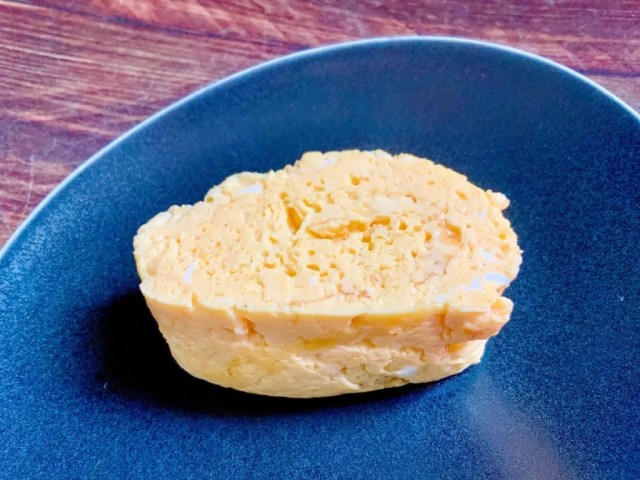
▼ Sparkling water dashimaki tamago (left) and high-volume sparkling water dashimaki tamago (right)
Natsuki herself is quick to point out that she doesn’t have a ton of experience cooking her own dashimaki tamago, so we’re not saying that using sparkling water is a must for good results. At the same time, her relative inexperience proves that you don’t have to be an expert to benefit from this simple ingredient swap, so if you’re looking to make your Japanese-style omelets as fluffy as you can, this is definitely worth giving a shot.
Reference: Asahi TV, Ninben
Photos ©SoraNews24
● Want to hear about SoraNews24’s latest articles as soon as they’re published? Follow us on Facebook and Twitter!
[ Read in Japanese ]