

When you first set foot in Japan, it’s hard not to be impressed by the efficiency and social order. The streets are clean, trains run on time, and the people are quiet and polite, yet possess enough of the bizarre to be intriguing (cosplay, line-ups for chicken ramen-flavored ice cream or Lotteria 5-pattied tower burger anyone?).
Living in Japan, or even just visiting, can be a life-changing experience. No one returns to their country the same person as when they left. Here are some of the things that make such an impression on foreigners, they cause us to think a second time, and alter the way we think, act, or view the world. In short, they prompt us to make life changes. Just when you thought you knew it all…
After talking with a number of people who live in Japan as well as repeat tourists to Japan about what life-changing things learned here, we came up with the following list of things, in no particular order:
1. Always returning favors, no matter what!
You quickly learn that in Japan that you don’t just accept favors, you return them too. As soon as possible. Remember that thank-you note that never got written? Or the birthday card that you bought and never sent? That won’t happen in Japan! Returning favors is paramount to smooth relations. On the other hand, it’s also a little easier in Japan to return favors because you have more choices. If someone gives you a hand with something, such as moving a new sofa into your house for example, just buying them a soft drink from the vending machine to show your appreciation is enough. Almost everything you do for someone will be followed by a kind gesture, with no words necessarily exchanged.
2. Thanking people the next time you see them

Not only that, Japanese people always remember to thank someone the next time they see the person. It may seem like overkill, but when you’re on the receiving end, it’s sure feels good when someone makes a point of saying “Hey, thanks for your help moving that sofa the other day.” That’s just nice!
3. That politeness goes far beyond just saying please and thank you
Politeness is pervasive in Japanese culture and is even incorporated in the way people speak (honorifics), the way the shopkeeper walks you to the door with your purchases when you leave, and the way you are greeted and welcomed when walking into a restaurant. If you stop some place to ask directions, you’ll either get a detailed map hand-drawn for you or the shopkeeper may even leave their post to accompany you long enough to get your on the right path. Politeness means being a little more selfless, going out of your way for others and to stop thinking “What’s in it for me?”
4. Putting others first
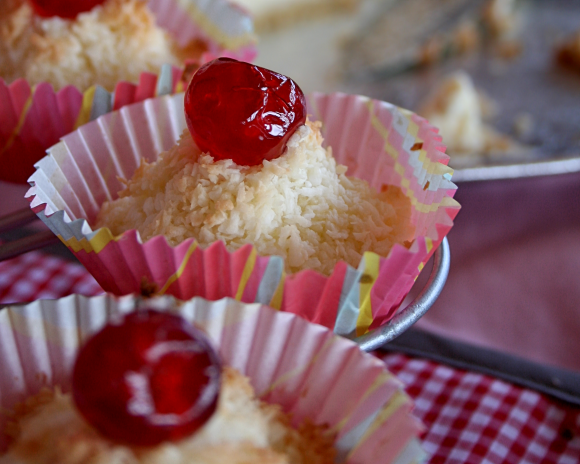
The nicest way to show others how important they are to you is by putting them first. Giving your friend the biggest piece of cake, your mother the best seat in the restaurant, or your guest the center position in the photo, are all part of everyday life in Japan. The traditional Japanese house even has a dedicated seat for guests — the one in front of the tokonoma alcove so that the guest is framed in a background of the beauty of Japanese art (hanging scrolls, flower arrangements, ceramics, etc). And why not make people feel special? Did you just buy some cakes or sweets at the bakery? Bring an extra one back for your neighbor or friend to show them you’re thinking about them. Japan has numerous little ways of celebrating relationships.
5. Including everyone in the group

In Japan, you always invite everyone concerned, even if you don’t like some of them. There’s no sharing your beers just among your own friends, or inviting only some of your co-workers out. There will be no awkward moments as some stay behind because they realize they haven’t been invited to the second party. All people present are included in photos too, without concern for whether someone is actually a relative, friend or even a part of the scene. Including everyone teaches us to accept all people and promotes tolerance for those who are different from us.
6. Respect for property

In English we have the expression “finder’s keepers, losers weepers.” Not in Japan! Here, if it’s not yours, you don’t take it. If someone drops a handkerchief on the sidewalk, the finder rests it on the nearest post, so it’s easily visible to the person coming back to find it. And just because something isn’t chained down doesn’t mean you can take it either. Shame on you!
7. That drinking doesn’t necessarily beget violence
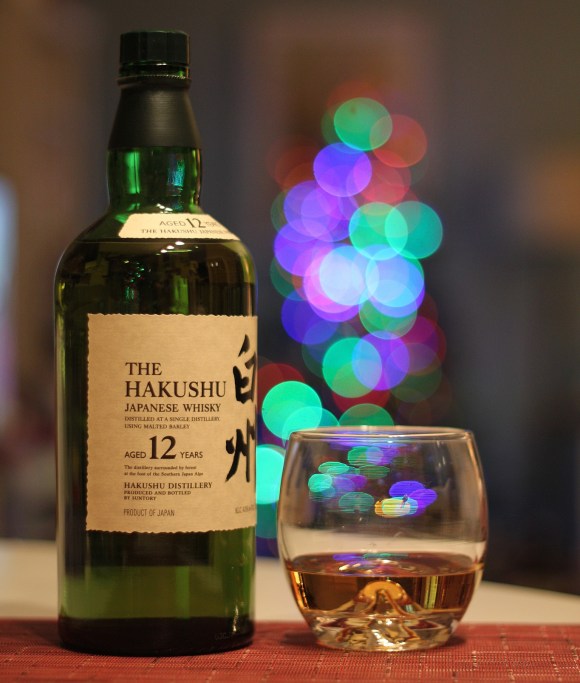
Even visitors to Japan will notice that although there are many drunk salarymen on the streets at night (and even some during the day!) they’re never violent. Bar fights are rare and most Japanese people just get happy when they drink (or pass out, only to wake up later and start drinking again!). Drink, get drunk, but do so peacefully!
8. That peace is an option

These days, modern Japanese children are taught from a young age that violence is wrong and that war is not necessary. Peace is encouraged through education, annual remembrances and Article 9 in Japan’s own constitution.
9. That sometimes government control is a really, really good thing

A world-class railway system (and public transportation in general), one of the best postal systems in the world, (quasi-private with the privatization of the Japan Post division now) and quality but inexpensive health care are excellent examples of things the government does right in Japan. It’s hard to think that the private sector could do these things any better.
10. That being less assertive can be a desirable trait

Japanese society is a gentle one. People wait in long lines without complaint. There is no road rage. There are no raised voices, no sighs, no dirty looks or rolls of the eyes. The Japanese are resilient and seem to live and breathe this calm, cool manner.
Japanese businesses tend to stick to the rules so don’t expect them to bend the rules for you. There is certainly no reason to berate the sales clerk or leave the premises in a huff just because their policies rub you the wrong way.
11. To be a better listener

The Japanese are soft-spoken. They’re often shy, modest and stoic. They tend to let someone speak first before jumping into the conversation. They’re very good listeners!
Giving others the chance to express their opinions without someone immediately challenging them is important because it allows others to open up, and us to listen. We become less judgmental when we try to understand other people’s views. When we’re no longer debating, but rather discussing, we automatically lower our voices and no longer dominate the conversation.
The Japanese also value silence; intermittent pauses in conversation are meant to be appreciated.
12. To be less nationalistic

Stop trumpeting your own horn because, deep down, everyone feels their native country is a pretty damn good place to be from. While living among expats from all over the world in a country like Japan that has so much to offer, it doesn’t take long to realize that you don’t come from “the best country in the world,” because there is no such thing.
13. Ganbaru–to do your best

There’s a good reason there isn’t an equivalent of this word in the English language. Too many of us quit too soon if something takes more time, money or energy than we had planned. In Japan, however, you’re expected to see it through to the end with the only expectation being that you’ll do your best. Japan instills a sense of ganbaru because everyone around you is doing the same.
14. That commitment is important

We learn that in Japan when someone says they’ll do something, they mean it. And they won’t forget! If they’re invited to an event, they often feel obliged to come. If they say they’ll come, they’ll come even if it’s pouring down rain. No-shows are not tolerated–either call in advance saying you can’t make it or send someone else in your place.
15. To be a better citizen

At a World Cup Soccer match in Brazil in 2014, the Japanese famously cleaned up their section of the stadium. If you’ve been to Japan, this won’t surprise you because the Japanese always clean up after themselves. Even after raucous cherry blossom viewing parties in the park, nary a stray cup or pull tab can be found. If you have a house party, you can expect everyone to help you clean up–and even do the dishes–before they leave. The Japanese also sweep the sidewalks in front of their businesses every day and have neighborhood clean-ups in which everyone is expected to chip in. They clean up after others, even if it’s not really their responsibility to do so.
16. To do things with grace
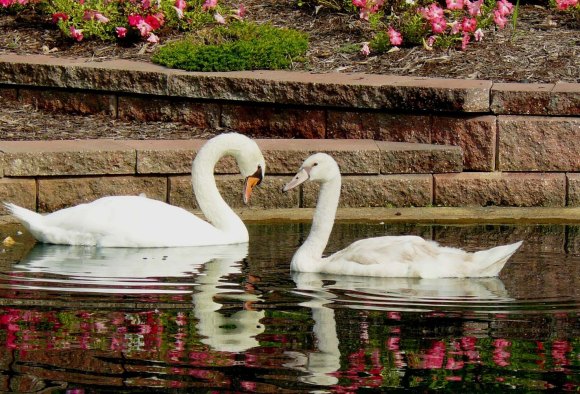
If there is one word that describes Japanese people, it is graceful. All social classes engage in the same elegant behavior such as bowing to show respect, using your entire hand to point to someone rather than just an index finger. Whether it be the act of passing something to someone else with both hands, dressing well, or greeting everyone with a smile, it is all done with grace, respect and sophistication.
17. To be on time!
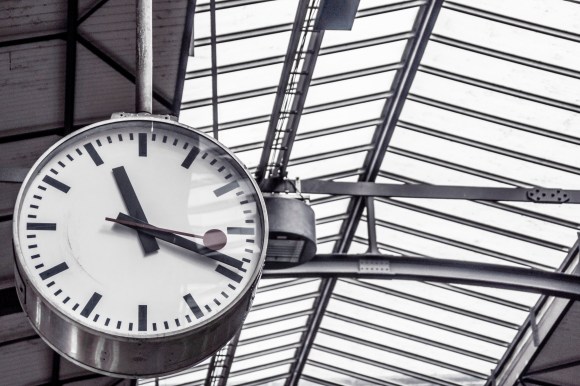
One of the most common responses among our tribe of contributors to life-changing lessons learned in Japan was the importance of being on time. It not only shows respect for others but it makes everything run more reliably and efficiently.
What lessons have you learned in Japan? Let us know in the comments section below!
Feature image: From the photography collection of Ryan McGuire at Gratisography
 5 cultural tips for taking photos in Japan
 Culture clash: 10 insider tips for visiting Japan
 Does the experience of living in Japan make you a better person? The good, bad and ugly
 You know you’re in Japan when…【List】
 10 factors that make Japan a safe country
 Japan now has a special desk for people who work at home with a pet cat[Photos]
 Famous Tokyo cherry blossom spot installs view-blocking screens to fight overcrowding[Video]
 Picturesque Tokyo park plays host to millions of flowers and soap bubbles this spring
 Totoro and Calcifer become little light-up lanterns for Ghibli-style excursions or at-home decor
 Uniqlo announces new T-shirts for One Piece, Naruto and more for manga publisher’s 100th birthday
 This upcycled Kyoto train cafe is the ultimate kawaii spring experience
 Final Fantasy invites you to adventure in Fukushima with Fukushima Fantasy Chocobo fun[Video]
 We dare Tokyo’s pigeons to crap on us because we think it’ll make us rich【Experiment】
 Rumors say this is Japan’s very best McDonald’s branch, but what makes it special?[Taste test]
 2013 Doraemon Film’s Japanese TV Airing Gets Censored
 Krispy Kreme releases Super Mario doughnuts in Japan for a limited time
 7-Eleven Japan releases a crazy new viral sandwich: Chocolate Sprinkles and Whipped Cream
 Japan now has a “for foreign tourists only” Mt. Fuji sightseeing train[Video]
 Starbucks Japan releases new My Fruit³ Frappuccino at only 34 stores around the country
 Studio Ghibli releases the My Neighbour Totoro tea caddy, with a magical self-closing lid
 Create a tiny Ghibli anime world on your bookshelf with new miniature papercraft art kits
 Stunning central Japan wisteria festival is like a purple fantasy straight out of a Ghibli movie
 Starbucks Japan unveils new sakura cherry blossom collection for hanami season 2026
 Train station platform ramen store closes its doors on half a century of history in Tokyo
 Studio Ghibli releases Catbus pullback keychain that runs like the anime character
 Japanese onsen egg maker from 100-yen store Daiso needs to be on your shopping list
 Nine great places to see spring flowers in Japan, as chosen by travelers (with almost no sakura)
 Cherry blossoms begin blooming in Japan with record-early starts for sakura season
 Survey asks foreign tourists what bothered them in Japan, more than half gave same answer
 Japan’s human washing machines will go on sale to general public, demos to be held in Tokyo
 Starbucks Japan releases new drinkware and goods for Valentine’s Day
 We deeply regret going into this tunnel on our walk in the mountains of Japan
 Studio Ghibli releases Kodama forest spirits from Princess Mononoke to light up your home
 Starbucks Japan releases new sakura goods and drinkware for cherry blossom season 2026
 Japan’s newest Shinkansen has no seats…or passengers [Video]
 Major Japanese hotel chain says reservations via overseas booking sites may not be valid
 Put sesame oil in your coffee? Japanese maker says it’s the best way to start your day【Taste test】
 No more using real katana for tourism activities, Japan’s National Police Agency says
 How do you say ‘Google it, you trash’ in British English? Answer surprises many in Japan
 How should you respond when a Japanese person gives you a compliment?
 Japan Misunderstood: 3 stereotypes that live on
 Japanese etiquette lesson: Should you fold up your own futon when leaving a ryokan inn?
 Just when you thought it was safe to get your triglyceride levels checked, the Mega Mac returns
 W.T.F. Japan: Top 5 strangest ways to be polite in Japan 【Weird Top Five】
 Two things to do, and two things not to do, when leaving a traditional Japanese inn
 Sumida River Fireworks Festival aftermath: Not everyone in Japan has perfect manners after all
 Secrets of an Innkeeper: 3 Japanese guesthouse habits we could all learn from
 Do you really need to wear toilet slippers when using the bathroom at home? Japan’s netizens vote
 Who has better manners? Blogger lists three things foreigners do that impress even the Japanese
 An illustrated guide to the proper way to give and receive business cards in Japan
 Should you dip your egg sushi in soy sauce before you eat it? Survey asks Japanese diners
 15 rude things not to do on trains in Japan【Survey】
 Do you need to apologize when using a credit card in Japan?
 Japanese girlfriend gets a lesson in culture from foreign boyfriend