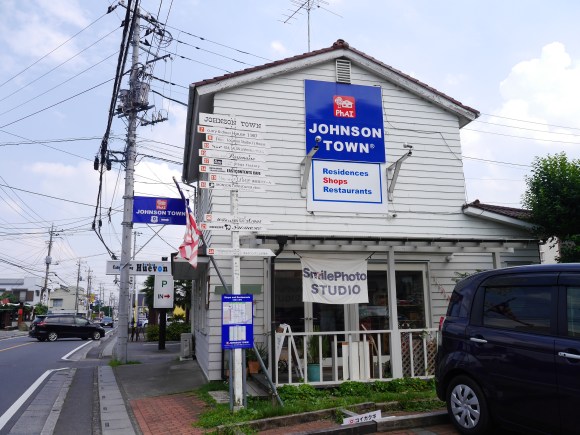
Groups of people moving to a new country often settle in the same area together, creating a little neighborhood reminiscent of their old lives in their new homes. In the U.S., we have a Chinatown or Little Italy in almost every big city, and Japan has the same thing too. They even have something you may have never heard of: Little America towns that used to house U.S. military personnel.
But what happens when the military decides they don’t want to live there anymore? Then you get a place like Johnson Town in Saitama Prefecture, where you’d swear you were walking around rural America, if not for the fact that it’s entirely populated by Japanese people.
What is one of these Little America towns in Japan like? And, most importantly, do they have good American-style food? A reporter from our Japanese sister site went to investigate and bring you all the answers, some of which may surprise you.
Before we get into the details of our reporter’s visit, first you may be wondering why there’s an abandoned U.S. military town in the middle of Saitama anyway. The town actually started out as a residential area for WWII Japanese military officers teaching at the Saitama military academy. In 1945, during the American occupation of Japan, U.S. forces took over the academy and turned it into “Johnson Air Base.”
When the Korean War broke out in 1950, U.S. military personnel were housed in the surrounding area, turning it into what became known as “Johnson Town.” They built American-style houses, and even high-rise apartments, all the way up until 1978 when all military personnel left the area, and Japanese people started to move in.
And that brings us to today, where Johnson Town still stands as a relic of 1950s rural America, tucked away in a corner of modern Japan. When our Japanese reporter first heard of this place, he knew he had to check it out. Could someplace so bizarre really exist? He had to see with his own eyes.
▼ The first step is getting to Iruma City in Saitama, where Johnson Town is located.
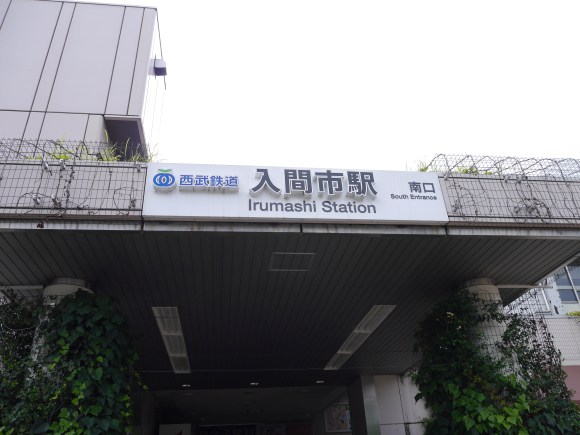
▼ But wait a minute, how will we know we’re near?
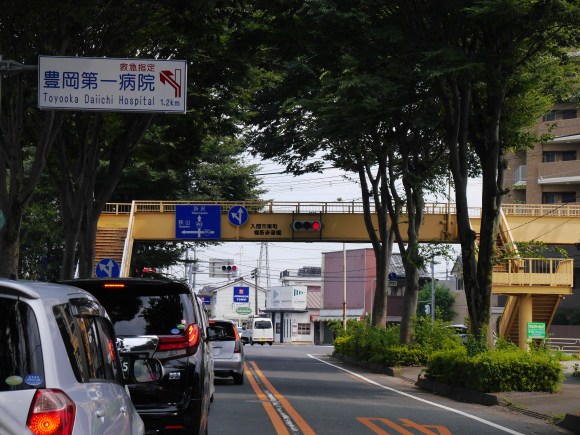
▼ Oh. I, uh… something tells me we’re getting close.
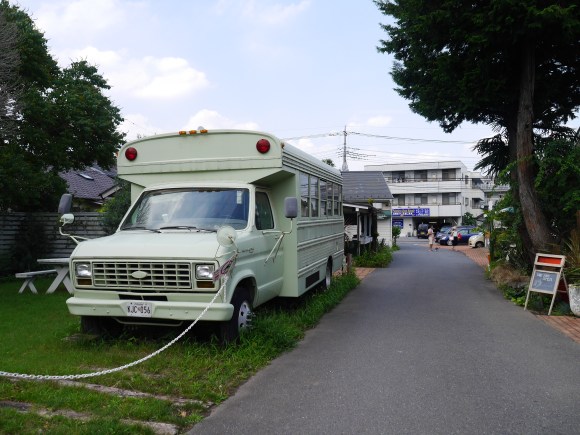
▼ Are we really still in Japan? I’m pretty sure we’re at a Midwestern family diner….
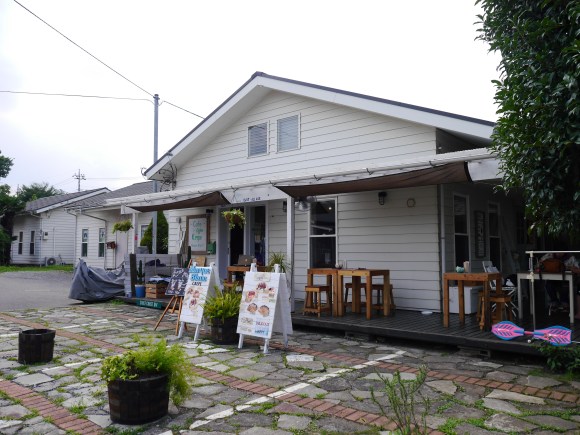
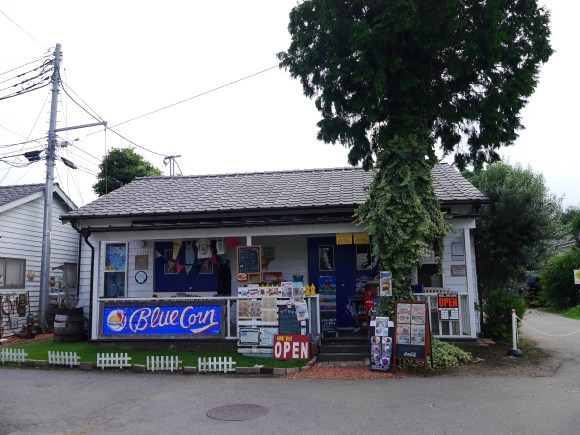
▼ “Blue Corn?” “Yes We’re Open!” signs? Shingled roofs?
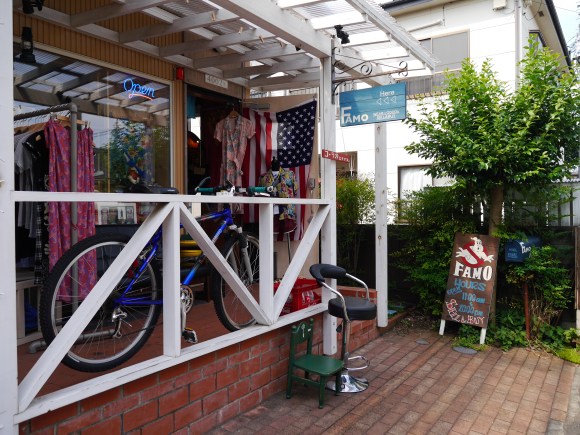
▼ There’s an actual American flag for crying out loud! All right, it’s official, we’re not in Japan anymore!
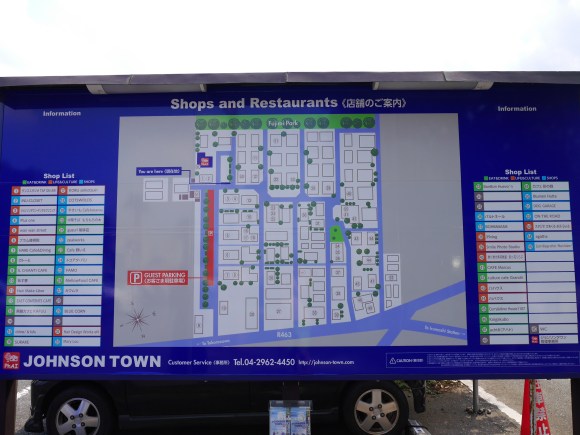
▼ Or, at least, that’s what our reporter thought until he looked at an area map. Aside from a few choice English words, the entire thing is in Japanese. Phew… we were getting worried there for a second.
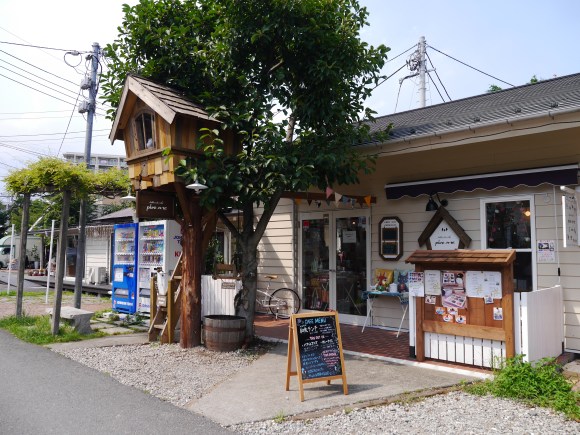
▼ Now it’s time to get down to business: what’s the food like? Maybe this All-American treehouse–er, restaurant will supply us with some answers.
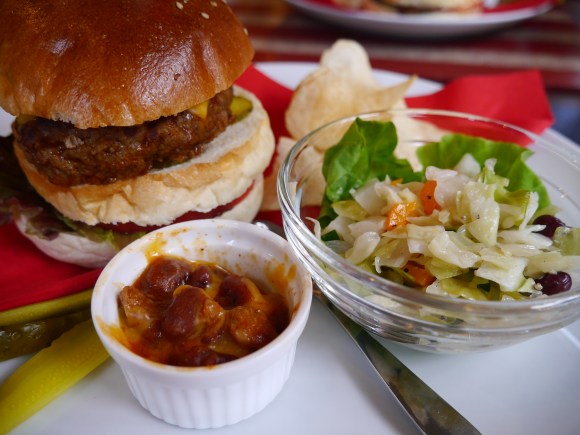
▼ Well the food, while quite delicious, didn’t quite live up to its American surroundings. The “Lucy’s Burger” our man ordered was a little on the small side, and the salad should definitely have been a side of fries. Plus they served “paté” in a little bowl, which looks a whole lot like chili and probably should have just been chili.
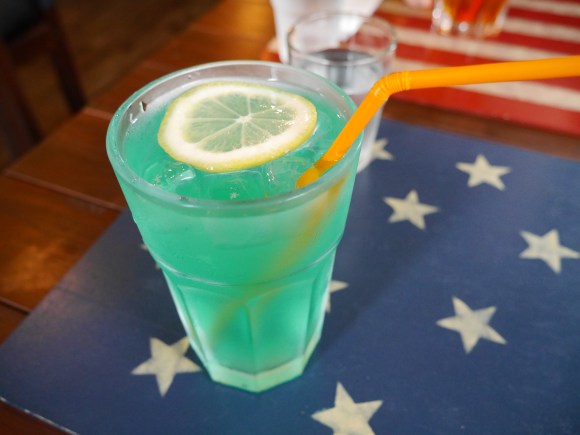
▼ And this was the “Hawaii Drink.” The lemon is a little sad just floating there, but the restaurant does get points for accuracy, perfectly recreating what a typical American restaurant would serve as a “Hawaii Drink.”
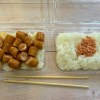
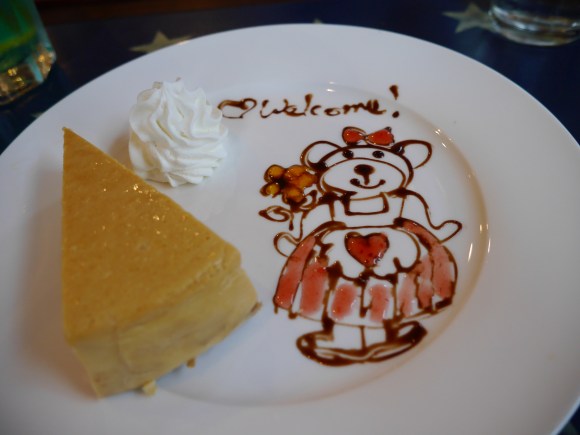
▼ Okay, they just went full-out Japanese on us for dessert. No American restaurant would do this… although maybe that’s a reason why living in Japan is pretty sweet sometimes.
▼ After eating, our reporter explored a little bit more. Here’s a shot of former U.S. military personnel dorms, which are now being used as apartments by Japanese people.
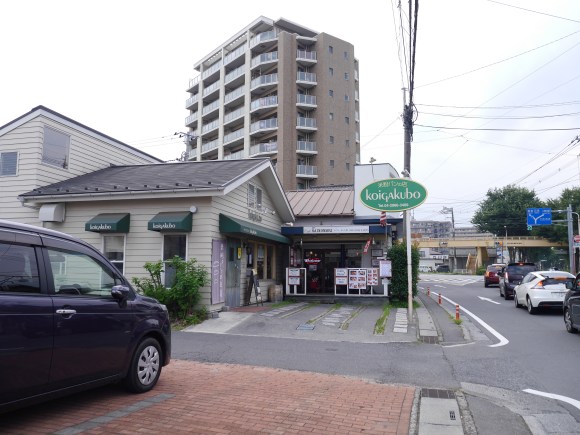
▼ You may notice that there are no foreign tourists in any of these pictures. That’s because our reporter didn’t encounter a single non-Japanese person during his entire time at Johnson Town.
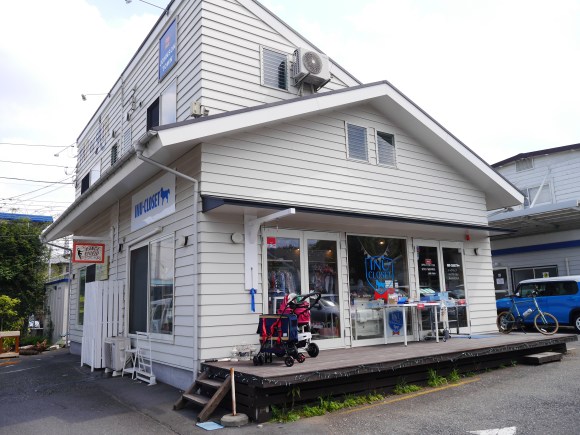
▼ Although, if you listen closely, you can still hear the wise-cracks and catcalls the 1950s military personnel made while hanging out around their cars.
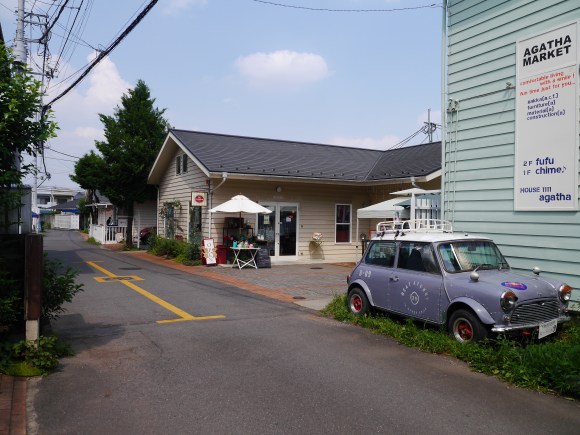
▼ And the laughs from everyone enjoying a cold, refreshing sarsaparilla at the local soda fountain.
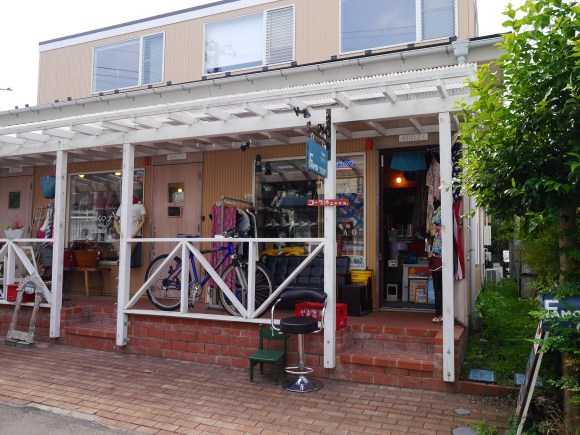
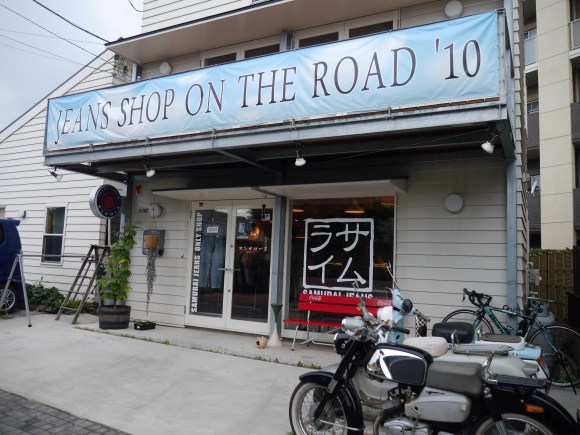
▼ And, uh, the sound of everyone slipping into their jeans from the famous “Jeans Shop on the Road ’10” also known as “Samurai Jeans.”
…okay, maybe this one wasn’t around back then.
If you’re in Saitama and you want to see this little piece of 1950s America preserved in Japan for yourself, then check out Johnson Town’s Facebook page or visit their official website. Whether you’re looking for classic American cuisine with a Japanese twist, or a pair of “Samurai Jeans” of your own, this place will certainly give you an experience you won’t easily forget.
Source: Facebook (Johnson Town), Wikipedia
Photos © RocketNews24
[ Read in Japanese ]