When traveling to a foreign country for the first time, no matter how well-prepared you are, there’s sure to be a lot you’ll be surprised by! Let’s take a look at 10 things in Japan that might surprise you when you first hop off the plane.
With these in mind, you can enjoy your first trip to Japan even more!
1. Slurping food
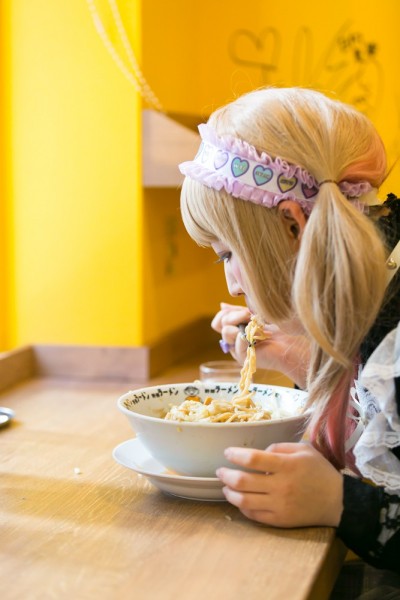
You’ve just arrived in Japan for the first time, and you can’t wait to enjoy your first authentic bowl of Japanese ramen. The salaryman at the counter next to you receives his order before you and goes to town—and he’s not quiet about it. Try not to lose your appetite—slurping noodles like ramen, soba and udon is totally okay in Japan! In fact, it shows you’re enjoying your meal and if you’re an expert noodle-slurper, it’s actually easier than trying to sip your soba delicately.
2. Toilets
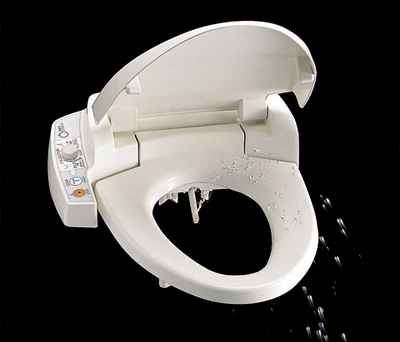
While standard Western toilets are the most common in Japan, you occasionally play a risky roulette game when you open the bathroom door. Will you be treated to the luxurious-if-not-slightly-intimidating heated washlet toilet? Or will you have to suffer the trials of the traditional floor-level “washiki?” If you chose Door #1, you may get to enjoy a heated seat, simulated flushing sound for privacy, and of course, the bidet with various heat/water pressure/location options. If you chose Door #2, make sure your phone and valuables are out of your pockets, carefully gather up loose clothing, and try not to fall in. Some public bathrooms have both western and washiki options, so check the door for the in-ground toilet symbol! If people are waiting behind you, offer them a “douzo!” (go ahead) and a wave of your hand towards the toilet hell you’re hoping to avoid entering.
3. Sento and onsen
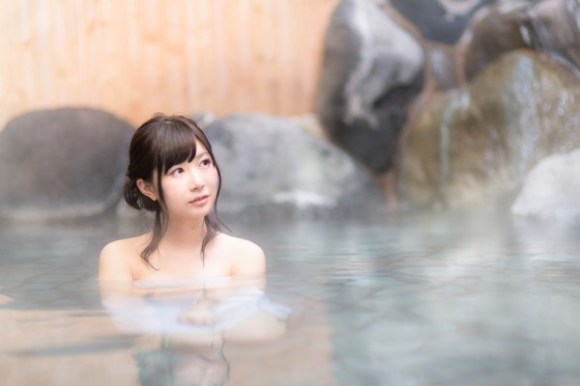
If you really want to immerse yourself in Japanese culture, you’ve got to be ready to immerse yourself in “onsen” (hot springs). Or, for the more budget-conscious traveler, “sento” (public bath houses). The idea of stripping down and taking a bath with a bunch of strangers can be pretty intimidating, but the tradition has existed in Japan for hundreds of years so try to remind yourself that everyone else is used to it! Read up a bit on bath house etiquette (wash first, take a dip, wash again!) and enjoy the relaxation! Tattoos are often frowned upon in Japan due to their association with the yakuza, and many onsen and sento actually prohibit entering if you have them (though if they’re small enough to be covered by a bandage, you should be alright.) If you’re shy or tattooed but you still want to enjoy the hot springs experience, some onsen resorts offer “kashikiri” (private) baths for you and your travel partners!
4. Trash cans and sorting
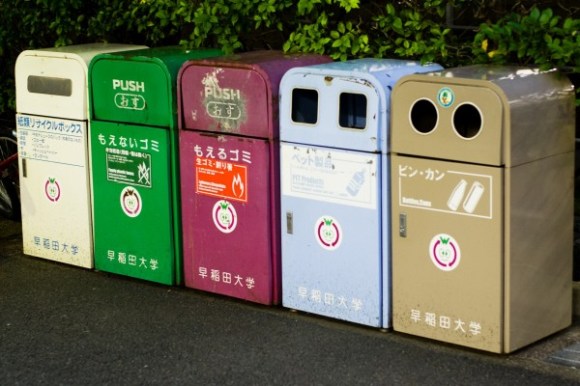
Japan is a country of convenience. Drinks machines on every corner, convenience stores every five minutes… but with all these grab-and-go drinks and snacks, what are you supposed to do with your trash?! Tokyo’s trash cans largely disappeared as a safety measure after a domestic terror attack in the ’90s but don’t show any signs of coming back soon, so you have to know where to look. Some convenience stores have trash cans outside, or tucked away inside if the store has a mini in-store cafe. JR stations sometimes have trash cans on the platforms, and you can sometimes find trash cans just inside or outside of subway station turnstiles. If you really can’t find anywhere to stash your trash, be prepared to carry it with you for a while! And remember, Japan is very careful about sorting its trash. Here are the most common categories:
– もえるゴミ / moeru gomi – burnable trash (paper, food waste, sometimes non-recyclable plastic)
– もえないゴミ / moenai gomi – non-burnable trash (light bulbs, batteries, broken glass)
– びん / bin – glass bottles, カン/ kan – aluminum cans (these two often get thrown away together)
– ペットボトル / petto botoru – plastic bottles
5. Unattended items
When you’re scoping out somewhere to sit at a café or restaurant, you might be shocked to see someone’s bag or iPhone left unattended at their table. Japan is an extremely safe country with one of the lowest crime rates in the world, and a system that rewards honesty and casts stigma on bad behavior is to thank. For the same reasons, you may see many young children riding trains to and from school safely by themselves, and some Japanese men with long-style wallets protruding from their back pockets. Would that fly in your country?

6. Fruit prices
If your first trip to Tokyo involves a whole lot of high-class convenience store dining, you might find yourself craving some fruit after a couple of days as conbini don’t typically have much to offer. The basement floor of many department stores include somewhat high-end supermarkets, where you can find a famed gem of Weird Japan— super expensive fruit. It’s not uncommon to see beautiful pieces of fruit going for upwards of 10,000 yen or 20,000 yen (~$100 or $200 USD) but these aren’t melons you bring home and toss in a fruit salad. It’s common for these luxury fruits to be given as gifts during business transactions, weddings or hospital visits. If those are a bit out of your price range, check out the fruit stand just around the left corner of ALTA outside Shinjuku station’s east exit for 100 yen or 200 yen sticks of delicious fresh fruit!

7. Food portions
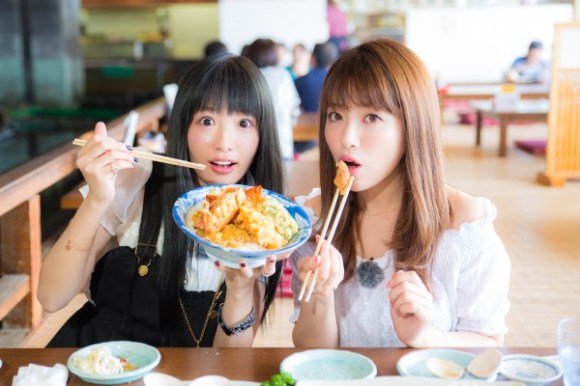
Here’s some culture shock that works both ways: when Japanese people visit other countries, they’re often shocked by how huge the drink and food portions are. When visiting from outside Japan, you might be surprised by how small your lunch is. After a long day wandering the city, don’t expect a big glass of water when you sit down for a meal—but feel free to ask for “okawari” (refill) or try somewhere with a “drink bar” option—free refills of whatever kind of drinks you want for a minimal fixed price. Most Japanese restaurants don’t have “to go” options for leftovers, and instead serve just enough for one meal’s portion. Of course, everyone’s appetite is different, so if you’ve come hungry, try ordering your rice or noodle dish “ohmori” (big serving.)
8. Finding places to sit
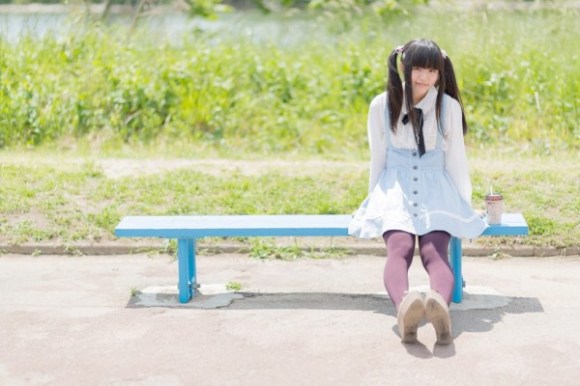
Travel is tiring! Sometimes you just want to find somewhere to rest your feet for a few minutes—but in Japan, Tokyo especially, this is easier said than done. There are very few public benches and places to sit outside, and sitting down on the ground may earn you several side-eye stares. Even train station platforms have only a few seats for weary travelers and commuters. If you really need a break and can’t find a public park, you may have to pay up for a drink in a café or McDonald’s, but you can stay as long as you’d like. Or, if you’re in Tokyo, you can always hop on the Yamanote loop line and be back where you started after one hour!
9. Queuing culture
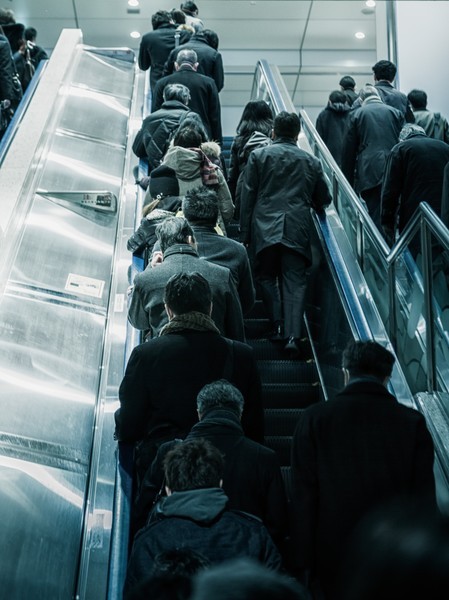
In a densely packed city such as Tokyo, lining up in an organized way exceeds necessity and has become almost an art form. Lining up for the train, lining up for the escalator, lining up for a restaurant, lining up for an hour to buy specialty popcorn—be ready to do some waiting, and absolutely no cutting in line!! If you really hate waiting in lines, they can be reduced or avoided by considering the time of day and day of the week you’re trying to go somewhere or do something. Plan around weekends and rush hour!
10. Lost items
One of the scariest possible travel mishaps is losing something in a foreign country. But good news! If you lose something in Japan, the odds are pretty good that it will be returned to you. Items such as wallets, umbrellas, and more that get lost on trains can be recovered by talking to station staff, though sometimes you may need to go to the last station on that train line to access their lost and found. If you lose something elsewhere, try finding the nearest “koban” (police box) and explaining what you lost, where, and when. If you forget something in your hotel room, the hotel staff will almost always be able to get it back to you, even if you’ve already gone home! To begin explaining your situation, try using the phrase: “wasuremono wo shimashita” (I lost/forgot something) and go from there.
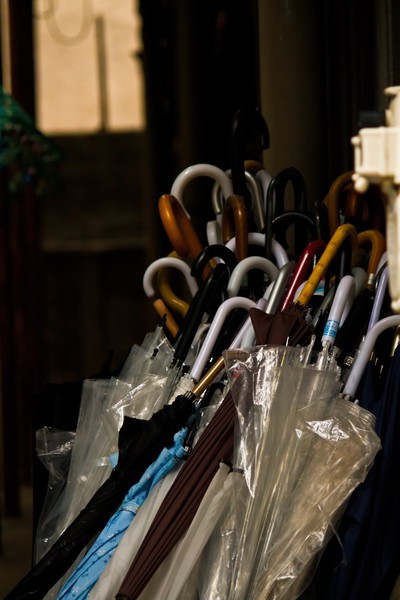
Would you be shocked to see these aspects of Japanese culture where you’re from? Are they too weird, or do you think you’d be able to get used to them? Let us know what you think, or if you’ve been to Japan, something else you were surprised by the first time you visited!
More from Tokyo Girls’ Update:
 State of the sento — Tokyo’s public baths are disappearing, but statistics show a sliver of hope
 Living in Japan: 10 “normal” things you won’t find here
 Need a soak? Amazing interactive map lists every public bath and day-use hot spring in Tokyo
 50 things that surprised our writer when visiting China 【RocketExperience】
 The top 10 hot springs Japanese travelers want to visit this fall
 Mt. Fuji decorated with a 500,000-flower pink carpet is Japan’s ultimate spring view
 30 Pikachus want to share a Tokyo hotel room with you that has separate Grass, Water, Fire spaces
 Howl’s Moving Castle’s scene-stealing dog is here to clean your home as a plushie mop
 Pringles Chocolate, but with a Japanese twist, is the snack hack you should be trying right now
 New Travelling Bento pouches turn your luggage into a Japanese lunch box
 Welcome to Hell…Hell’s Dandan Noodles Tenryu in Kanagawa
 Bear attack shelters going on sale in Japan as country experiences record-high number of incidents
 Starbucks Japan unveils first sakura drink for cherry blossom season 2024
 Who is this mysterious large man who’s suddenly showing up on giant signs in Japan?
 How to make a lucky sushi roll with KFC fried chicken skin【SoraKitchen】
 Japan reportedly adding Japanese language skill requirement to most common foreigner work visa
 Pokémon and Ikea Japan cross over into each other’s worlds with collaboration events
 Starbucks Japan closing only Shinkansen platform branch for popularity-triggered renovations
 You can assemble a well-balanced team of Pokémon, them eat them, thanks to Japanese cake chain
 Two food hacks take Japan’s convenience store fried chicken to amazing new sandwich heights
 7-Eleven Japan’s new baked-in-store sweet treat is only available in three parts of the country
 Man bites woman at cherry blossom park in Japan, dies shortly after
 Peanuts and Coke becomes a viral hit in Japan, but is it a trend worth joining?
 Can a downtown Tokyo super sento bathhouse beat a hotel for a one-night stay?
 New Japanese KitKats come in sakura flavour, with poetic symbolism for success
 Japan now has a special desk for people who work at home with a pet cat[Photos]
 Famous Tokyo cherry blossom spot installs view-blocking screens to fight overcrowding[Video]
 Uniqlo announces new T-shirts for One Piece, Naruto and more for manga publisher’s 100th birthday
 Train station platform ramen store closes its doors on half a century of history in Tokyo
 Starbucks Japan releases new My Fruit³ Frappuccino at only 34 stores around the country
 Krispy Kreme releases Super Mario doughnuts in Japan for a limited time
 Studio Ghibli releases Catbus pullback keychain that runs like the anime character
 Japanese onsen egg maker from 100-yen store Daiso needs to be on your shopping list
 Survey asks foreign tourists what bothered them in Japan, more than half gave same answer
 Japan’s human washing machines will go on sale to general public, demos to be held in Tokyo
 Starbucks Japan releases new drinkware and goods for Valentine’s Day
 We deeply regret going into this tunnel on our walk in the mountains of Japan
 Starbucks Japan releases new sakura goods and drinkware for cherry blossom season 2026
 Studio Ghibli releases Kodama forest spirits from Princess Mononoke to light up your home
 Japan’s newest Shinkansen has no seats…or passengers [Video]
 Major Japanese hotel chain says reservations via overseas booking sites may not be valid
 Put sesame oil in your coffee? Japanese maker says it’s the best way to start your day【Taste test】
 No more using real katana for tourism activities, Japan’s National Police Agency says
 18 awesome overnight hot spring trips from Tokyo, and a quiz to help pick the best one for you
 The 10 best ryokan inns in Japan, as chosen by travelers
 Japanese sento bath will let you bathe with 10,000 Sanrio Gudetamas【Video】
 10 things that surprise foreign women in Japan
 46 things that surprise foreigners in Japan
 The 10 best hotel hot springs in Japan, as chosen by Japanese travelers
 10 things Japan gets awesomely right
 9 ways Tokyo could become more foreigner-friendly in time for the 2020 Olympics
 Most convenient hot spring in Japan? Might be this one that’s attached to a train station platform
 Sayonara, sushi: 21 little things that people miss after leaving Japan
 The top 10 instances when Japanese people feel thankful to be Japanese
 Japan’s 10 best ryokan inns and top 10 hotels, as chosen by foreign visitors
 You can make your own hot spring bath at this river in central Japan【Japan travel】
 Culture clash: 10 insider tips for visiting Japan
 The 10 best Japanese hot spring resorts locals want to go back to again and again