

Slurp, sniff, but whatever you do, DON’T pour your own drink!
There are some things we take for granted being raised in our own culture, and knowing how to be polite is one of them. But what may be considered polite in one country could be rude in another, or the other way around, and Japan is no exception.
That’s why today we’re counting down the top five strangest ways to be polite in Japan. Some of these took me a long time to get used to, so much so that I still have a hard time pulling them off. But maybe with enough perseverance, perhaps together we can all finally not be the rude foreigners we’d like to avoid being.
So let’s get to it! Starting off with…
Honorable Mention: Making lots of sounds

I don’t know about you, but ever since I was a kid I was told that making sounds while eating was basically the worst thing you could do while having a meal with others, short of hurling bowls and silverware at your host.
And yet in Japan, when you go to a ramen restaurant, what sound fills the air? Slurping. Making saliva-saturated sucking sounds is perfectly a-okay in Japan, in fact it’s a sign that you’re enjoying the dish. For some it can be sickening, while for others it can be the sound of freedom ringing in their ears, a sign that they can finally enjoy their noodles the way they always wanted to, but were too afraid to try.
And the reversed-politeness sounds don’t end there: sniffling is another big one. While blowing your nose in public is seen as pretty inconsiderate to others in Japan, spending your whole day sniffing and sniveling is seen as perfectly acceptable.
The reason these are only an honorable mention is because they aren’t so much “things you do to be polite” but rather “things you can do and people won’t think you’re rude.” So feel free to show off how much you love those hot noodles by slurping them up, and if you’re a fan of the sound of snorting up snot, then by all means let loose!
#5. Making no sounds
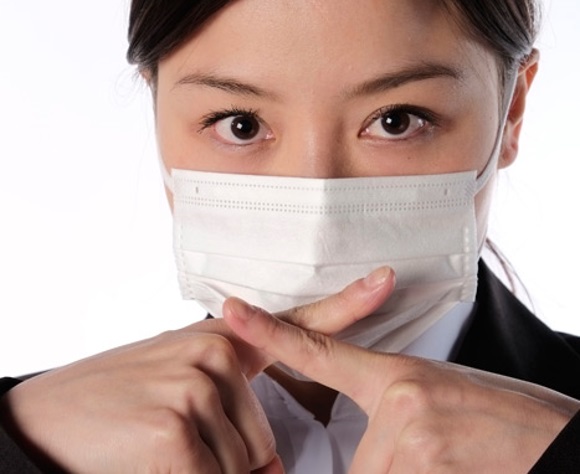
On the opposite end of the spectrum, there are some sounds that Japan is very finicky about, particularly when it comes to public transportation. Anyone who has been to Japan before has experienced the near-silent trains, sometimes filled with hundreds of people not making a sound.
Japanese people are as a whole quite sensitive to the feelings of others, valuing how other people feel just as much – if not more – than themselves. So disturbing others by making unnecessary noises (i.e.: chatting loudly, talking on cellphones, having music play out of headphones that others can hear) is borderline unthinkable.
▼ Which makes train-parties much less common in Japan.
https://twitter.com/johnmarksalmon/status/777943962749431808Now you might ask, “What about slurping/sniffing? Don’t those count as annoying noises to other people?” The answer is: those aren’t considered unnecessary noises. Slurping? Necessary to eat hot noodles. Sniffling? Necessary to not drip snot. But talking on your cellphone on a train/bus? Not necessary – just wait until you get off.
#4. Elevator etiquette
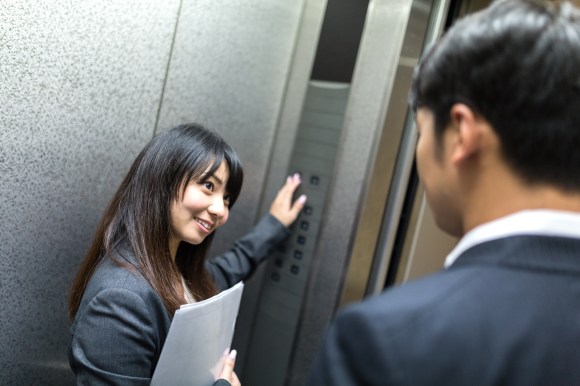
I don’t know how it works in other countries, but in the U.S. elevator rides are a mish-mash of awkward and chaos in all the wrong ways. People just kind of shuffle in and out and into each other, sticking their fingers through each other to press buttons, and the doors closing on people like a hungry, metallic monster.
But not in Japan! Using the elevator politely is as much a part of Japanese common sense as bowing and slurping.
The biggest difference is the usage of buttons. If you’re with a group of coworkers or guests, it’s considered polite to press and hold the “door open” button until everyone else is inside/outside the elevator, then let yourself in/out last. Even if you’re not with guests, if you’re next to the buttons it’s usually polite to hold the “door open” button until everyone is inside, then press the “door close” afterward to make the whole process as speedy as possible.
▼ Everyone’s first test in japan:
which button is “open” and which is “close?”
いっつも間違える開閉ボタン(´・_・`) RT @kuralab_project: デザインで問題解決ってどういうこと?(1)もしかして押し間違えてる?エレベーターの開閉ボタン https://t.co/6rSAWyooFC pic.twitter.com/JzxFHbhd2h
— Masako (@momo_ris) October 26, 2016
This is all in stark contrast to the U.S. where, quite often, the open/close door buttons don’t even actually do anything – they’re just there for show. But using them in Japan is just as important for being polite as…
#3. Not pouring your own drink
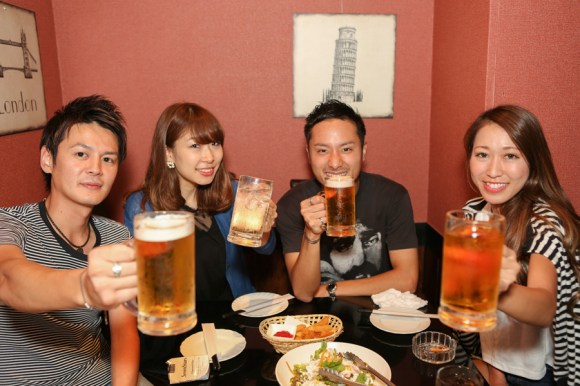
Unless you want to be thought of as a rude barbarian, then be careful not to pour your own drinks when you’re out eating with friends and coworkers. In Japan, pouring your own drink is basically the selfish equivalent of eating off other people’s plates.
“But wait,” you might say, “what do I do if I want a drink and my glass is empty? Just die of thirst?”
No need to shrivel up, friend! Just grab the water/soda/alcohol container and fill up some other people’s glasses that are getting a little low. Chances are they’ll reciprocate and fill yours up right away.
▼ When you’re real thirsty and need to fill
everyone’s cup so they can get to yours right away.
Typically the designated “drink pourer” is the lowest-ranked person at the table, but it usually only starts out that way. If the beverage being poured is of the alcoholic variety, then as the night goes on and the upper-ranked members get a little warm and bubbly, they’ll start pouring drinks for anyone whose glasses gets down below the surface tension level.
Personally, I struggle with the drink-pouring politeness. If Japan can understand that slurping noodles is “necessary,” and sniffling is “necessary,” then why can’t filling my own glass when I’m thirsty be “necessary” too? It can be a bit annoying, but it’s not nearly as stressful as…
#2. Omiyage
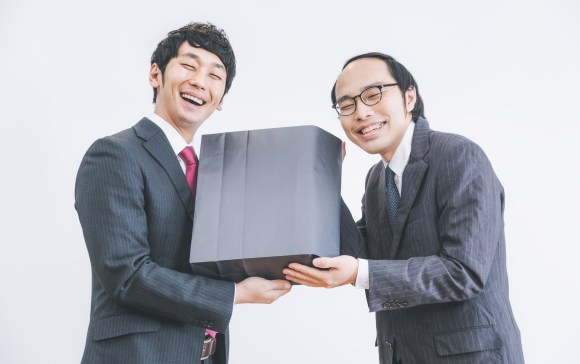
Ohhhhhmiyage. Everyone’s favorite – and least favorite – Japanese tradition.
For those unaware, omiyage are gifts that you bring back to your friends, family, and coworkers after you go visit someplace on a trip. If you go to Hawaii, you bring back some macadamia nuts. If you go to Hokkaido, you bring back Shiroi Koibito chocolate. And if you go to Tokyo, you best be bringing back some sweet Tokyo Banana.
▼ Protip: bring back a box of Tokyo Banana for the office,
but then eat them all yourself when they’re not looking.
社長さんが東京に出張して来たので東京ばな奈を買って来てくれた。うれしー😊 pic.twitter.com/udgdK45dlE
— いまがわ金魚 (@imagawa_kingyo) November 26, 2016
Now that might not sound so bad… as long as you’re on the receiving end of the omiyage. When you’re on the giving end, it can be a nightmare. Some offices are pretty lenient when it comes to omiyage, but others have an expectation that whenever somebody goes on vacation, or even a business trip, they’ll be bringing back goodies for the entire office.
Getting all of that omiyage is not only time-consuming and cumbersome, sometimes requiring you to plan in advance to bring an empty bag just to pack it all back in, but it can be expensive. Omiyage alone can add an additional 10 to 20-percent to the cost of a vacation, and many Japanese people cite omiyage as stressing them out so much while on vacation that they can’t even enjoy being away.
But alas, such is the cost of being polite!
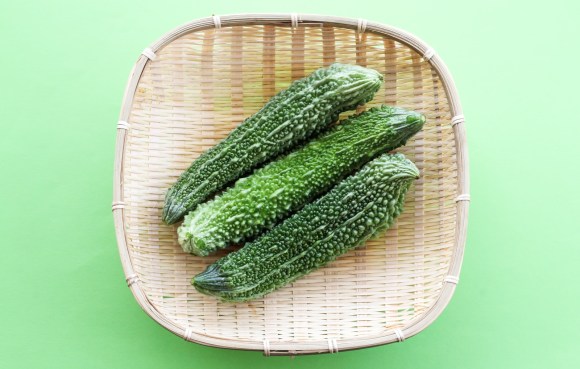
▼ My recommendation: if you go to Okinawa, don’t bring back sweet potato tarts
and pineapple pies, bring bitter goya. No one will ever want your omiyage again!
And the #1 strangest ways to be polite in Japan is…
.
.
.
.
.
.
.
.
.
.
1. Saying “sorry” instead of “thank you”
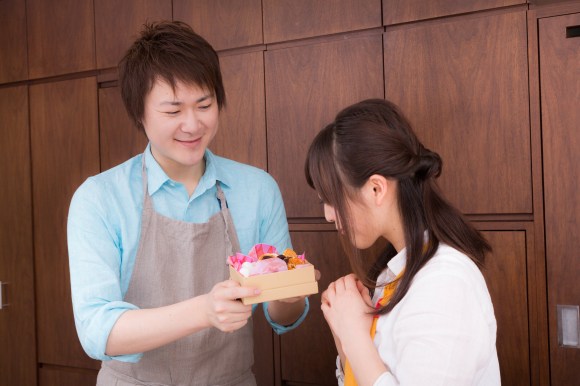
Maybe this one isn’t so strange to other people, but the first few times I encountered it, it blew my mind.
A lot of the time in Japan, when you want to thank someone, you don’t use the word for “thank you” (arigatou, arigatou gozaimasu, etc), but instead you use the word for “sorry/excuse me” (sumimasen).
At first that might make sense. After all, even in English we have expressions like “oh you shouldn’t have!” when we’re given a present. But now imagine if you said that in a lot of other situations, like when somebody holds the door open for you, or when somebody takes away your trash for you, or when somebody picks you up at a station.
Saying “oh you shouldn’t have” or “I’m sorry” in those situations in English would just seem awkward, but in Japanese it’s perfectly natural. Basically anytime someone does a favor for you, or even often when they give you a gift, saying “I’m sorry” is completely normal.
▼ “Hey, let’s go out for lunch today. My treat.”
“I’M SO SORRY!”
“Great. See you at noon.”
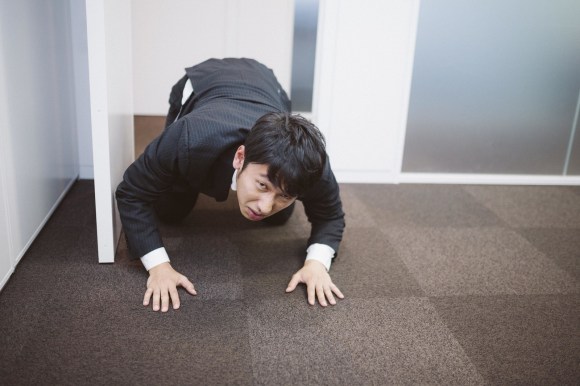
So there you have it, the top five strangest ways to be polite in Japan. What are some ways of being polite in Japan that you struggle with? Personally I just can’t get the whole slurping thing down no matter how hard I try. It’s even harder than reading some of the most insane kanji place names in Japan.
Top image: PAKUTASO (edited by RocketNews24)
W.T.F. Japan will be back next Thursday. In the meantime, give me a follow on Twitter and let me know if there’s any topics you’d like to see covered. See you next week!
 W.T.F. Japan: Top 5 hardest Japanese habits to break 【Weird Top Five】
 W.T.F. Japan: Top 5 strangest kanji ever 【Weird Top Five】
 W.T.F. Japan: Top 5 nicest sounds in Japan【Weird Top Five】
 W.T.F. Japan: Top 5 offensive Japanese insults【Weird Top Five】
 W.T.F. Japan: Top 5 kanji with the longest readings 【Weird Top Five】
 Japan’s best conveyor belt sushi restaurant of seven years ago has now, finally, come to Tokyo
 Wisteria season starts early with blooming of Japan’s Great Wisteria in its beautiful garden
 Japanese trains in Sapporo might be better than those in Tokyo, thanks to one special feature
 Starbucks Japan releases FIVE new Frappuccinos in a day, and we try them all in 90 minutes
 Drink vending machines disappearing in Japan as number drops to lowest in 30 years
 How to speak Japanese like a gyaru【2024 edition】
 The story behind the giant Japanese woman in kimono on the 3-D billboard at Shinjuku
 Starbucks Japan unveils new sakura cherry blossom collection for hanami season 2026
 You can assemble a well-balanced team of Pokémon, them eat them, thanks to Japanese cake chain
 Mr. Sato discovers his inner beaver with a 16-inch chocolate “twig” at Tokyo Station
 Japan reportedly adding Japanese language skill requirement to most common foreigner work visa
 Mt. Fuji decorated with a 500,000-flower pink carpet is Japan’s ultimate spring view
 Lawson convenience store at popular tourist site is one of the most unusual in Japan
 30 Pikachus want to share a Tokyo hotel room with you that has separate Grass, Water, Fire spaces
 Man bites woman at cherry blossom park in Japan, dies shortly after
 7-Eleven Japan’s new baked-in-store sweet treat is only available in three parts of the country
 Starbucks Japan closing only Shinkansen platform branch for popularity-triggered renovations
 Pokémon and Ikea Japan cross over into each other’s worlds with collaboration events
 Japan now has a special desk for people who work at home with a pet cat[Photos]
 Famous Tokyo cherry blossom spot installs view-blocking screens to fight overcrowding[Video]
 Uniqlo announces new T-shirts for One Piece, Naruto and more for manga publisher’s 100th birthday
 Train station platform ramen store closes its doors on half a century of history in Tokyo
 Starbucks Japan releases new My Fruit³ Frappuccino at only 34 stores around the country
 Krispy Kreme releases Super Mario doughnuts in Japan for a limited time
 Japanese onsen egg maker from 100-yen store Daiso needs to be on your shopping list
 Survey asks foreign tourists what bothered them in Japan, more than half gave same answer
 Japan’s human washing machines will go on sale to general public, demos to be held in Tokyo
 Starbucks Japan releases new drinkware and goods for Valentine’s Day
 We deeply regret going into this tunnel on our walk in the mountains of Japan
 Starbucks Japan releases new sakura goods and drinkware for cherry blossom season 2026
 Studio Ghibli releases Kodama forest spirits from Princess Mononoke to light up your home
 Japan’s newest Shinkansen has no seats…or passengers [Video]
 Major Japanese hotel chain says reservations via overseas booking sites may not be valid
 Put sesame oil in your coffee? Japanese maker says it’s the best way to start your day【Taste test】
 No more using real katana for tourism activities, Japan’s National Police Agency says
 W.T.F. Japan: Top 5 strangest Japanese home goods【Weird Top Five】
 W.T.F. Japan: Top 5 unique Japanese toilet functions【Weird Top Five】
 W.T.F. Japan: Top 5 most annoying sounds in Japan 【Weird Top Five】
 W.T.F. Japan: Top 5 crazy awesome features of Japanese restaurants 【Weird Top Five】
 W.T.F. Japan: Top 5 creepiest Japanese animals 【Weird Top Five】
 W.T.F. Japan: Top 5 best Tamagotchi releases 【Weird Top Five】
 W.T.F. Japan: Top 5 myths about learning Japanese【Weird Top Five】
 W.T.F. Japan: Top 5 confusing Japanese hand gestures【Weird Top Five】
 W.T.F. Japan: One year anniversary special! Top 5 W.T.F. Japan articles 【Weird Top Five】
 W.T.F. Japan: Top 5 strange things Japanese people do for Christmas【Weird Top Five】
 W.T.F. Japan: Top 5 biggest Japanese food challenges【Weird Top Five】
 W.T.F. Japan: Top 5 most hilarious Japanese euphemisms 【Weird Top Five】
 W.T.F. Japan: Top 5 craziest Japanese certification exams 【Weird Top Five】
 W.T.F. Japan: Top 5 odd ways Japanese people beat the summer heat【Weird Top Five】
 W.T.F. Japan: Top 5 kanji with ironic meanings【Weird Top Five】