

Travel-broadened Japanese Twitter users share their stories of culture shock and pleasant surprises.
Plenty of those who visit Japan, whether temporarily as tourists or longer-term to work here, experience various cultural shocks (People eat KFC on Christmas Day!? What madness is this!?) and obviously the reverse applies for Japanese who venture abroad too. Here we’ll examine five differences that we take for granted but that took Japanese with experience working abroad aback, so much so that they felt the need to share.
1. The cost of eating out
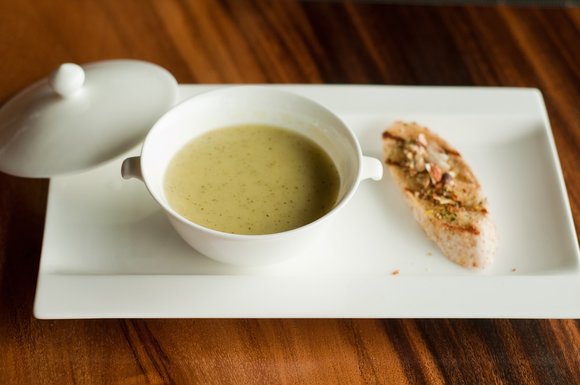
In Japan, even in smaller towns, choices for dining out abound. While there are places that cost an arm and a leg, there are also plenty of places you can eat out for not much more than cooking something yourself at home.
フランスの飯が高すぎるので「これだけで9ユーロだと!フランス人は大丈夫なのか!?」と思ってたけど対話の結果フランス人も孤独のグルメのDVDとか見て「あんなに食って4ユーロかそこらだと!それで日本の飲食店の従業員はちゃんとまともな給料を貰えているのか!?」と思ってることが分かった。
— IZAWA (@izawak) February 23, 2015
Japanese Twitter user @izawak, working in France, was shocked at the difference in price between going out for food in France and their native Japan.
“French food is too expensive, I thought ‘Nine Euros for just this? Can French people really afford this?’ but coming at it the other way, from talking to French people that have watched a DVD of Kodoku no Gurume [a Japanese drama about a salesman who visits restaurants and food stands to try the local cuisine], they think ‘All of that for just four Euros! How do the restaurant owners make a living?’.
2. News reports vs. real life

Unlike us cheery sorts here at SoraNews24, most news organisations spread a lot of doom and gloom. Look out at the world through the news lens of crime and disaster and there seems very little reason to leave the house, let alone the country if you live in comparatively crime-free Japan. Twitter user @imabayashikaito contrasted the warmth of the Brazilian people they had met with the country’s image abroad.
ブラジルの観客のすごいところは落下とか失敗した選手に対して成功したときと同じような大歓声と拍手で励ましてくれるところです🙏
— 今林開人 (@imabayashikaito) August 6, 2016
治安が悪いことばかり取り上げられるけど、そんな人ばかりではなく親切で優しくてフレンドリーなブラジル人も多いです。
それは本当に身をもって知りました。
“The amazing thing about sports spectators in Brazil is that whether the players are successful or make a mistake, they cheer and show encouragement all the same. We always hear about the disorder and the criminals, but that’s not the whole story; there are also lots of kind, gentle and friendly Brazilians too.”
3. Day of rest
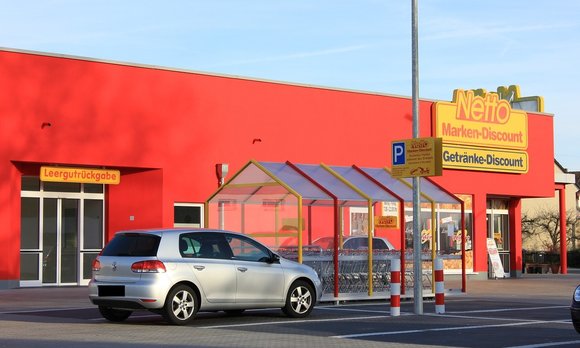
Sundays in Japan are near-identical to Saturdays for most people: a day off from work and another chance to indulge in the national sport of shopping. Some countries, however, have Sunday trading laws that limit or prohibit shops and supermarkets opening on what is still for some “the day of rest”. This can take some getting used to for Japanese living abroad, although Japanese Twitter user @fepfeil saw some benefits.
ドイツに住み始めた時は日曜日に全てのスーパーが閉まるので「マジかよ! めっちゃ不便だな!」と思ったんだけど、普段から定時に終わって帰りにスーパーに寄る時間があるので全然大丈夫なように社会が構築されてたし、日曜日は買い物みたいな労働じゃなくて遊びに行ったりするためにありました。
— サテツ (@fepfeil) May 1, 2017
“When I first started living in Germany, I thought all the supermarkets being closed on Sundays was a real pain but, then I thought they’re open on my way home from work so it’s alright. The way Germany society is organised is that Sundays aren’t for doing grocery shopping or stuff that feels like work, they’re for relaxing and enjoying yourself.”
4. Reverse-boasting

Twitter user @mami0306 was surprised to discover that other nationalities don’t try to outdo each other with complaint one-upmanship, at least according to an article they read.
「日本人が大好きな【寝てない自慢】【食べてない自慢】【忙しい自慢】【体調悪い自慢】等は、海外では全部、自己管理が出来ないという無能さのアピールでしかない」という記事を見て感銘を受けた。
— マレーグまみ (@mami0306) January 17, 2011
“I read an article that about how Japanese people love boasting that they’re ‘not sleeping properly’, ‘not eating properly’, ‘are always busy’ or ‘are in bad health.’ In other countries this just shows that the speaker isn’t able to manage their own time properly and it really left an impression.”
Given that we all like a good gripe, the veracity of the article might be debatable but @mami0306’s surprise isn’t.
5. Working hours

From interminable morning meetings through to the inevitable overtime (sometimes unpaid) that sees many returning home late in the evening, Japanese people spend more of their time at work than almost any other nation. Several Japanese Twitter users have been amazed at how people in most other countries don’t do overtime at all, and would probably have some choice words for their employers if they were asked to do so. Twitter user @halushiroi compared Japanese work culture with its German counterpart.
ドイツの働き方
— おのだK(はる)@人をつなぐデザイン (@halushiroi) February 2, 2017
・フレックス出社は当たり前(15時半には家に帰る)
・残業を貯蓄できる(1時間残業したら次の日以降1時間早く帰っていい)
・残業しない人の方が高評価
・労基署が会社のタイムカードを必ずチェックして残業が多いと罰則罰金
日本は今すぐ真似してくれ頼むから
“The German way of working:
It’s usual for companies to offer flexitime.
You can ‘save up’ overtime so if you work an hour late, you can leave an hour earlier another day.
People who don’t do overtime are well thought of [by their employers].
Supervisors check workers’ time cards and doing too much overtime can be punished with a fine.
Japan, please copy this!”
@syuukaijp was similarly impressed by the more flexible attitudes outside Japan.
イギリスで働いてて思うのは、おかしいとかずるいって感じることが少ない。体調が悪ければ自己申告で休める、ちょっとくらい遅れたりしてもその分働けばオッケー、有給が取れないとかありえない、残業なんてない、タイムカードとかないし働く時間もだいたい、労働や人生のあるべき姿って感じする。
— しのぶ君 (@aloehandwash) September 2, 2017
“Working in the U.K. [as opposed to working in Japan], I rarely feel something’s strange or unfair. If you’re ill, you can self-declare it and take a day off, if you’re a little bit late you can make up for it at the end of the day, deducting it from your pay is unheard of, there’s no overtime, you don’t have to fill in a physical time card. It feels like a good work-life balance.”
While we often cover the most bizarre sides of life in Japan, and the common mistakes and oddities to watch out for if you’re visiting, it’s refreshing to think that to Japanese eyes some of the things that we take for granted are equally curious and eye-opening.
Source: Curazy
Featured image: Pakutaso
Insert images: Pixabay (1, 2, 3), Gahag (4, 5)
 Japanese girlfriend gets a lesson in culture from foreign boyfriend
 Japanese man complains about foreign languages on Tokyo train, Twitter drowns him in kindness
 Four Western gestures that are difficult for Japanese people to understand
 Wage hell — Japanese office worker reveals soul-crushing past paycheck for 171 hours of overtime
 Japanese toddler covers self in mom’s makeup, apologizes in cutest way imaginable【Video】
 Studio Ghibli releases the My Neighbour Totoro tea caddy, with a magical self-closing lid
 Starbucks Japan releases new My Fruit³ Frappuccino at only 34 stores around the country
 Japan now has a “for foreign tourists only” Mt. Fuji sightseeing train[Video]
 Create a tiny Ghibli anime world on your bookshelf with new miniature papercraft art kits
 Foreign tourist steals offering and chugs booze in Japanese cemetery, sparking police investigation
 Mysterious “Bra Temple” makes news around Japan
 Cherry blossoms begin blooming in Japan with record-early starts for sakura season
 Senkoji: The Japanese temple that’s more like a theme park to heaven and hell
 Japan’s Mos Burger discontinues old teriyaki burger and rolls out new recipe, but is it as good?
 Japanese man drives truck that’s on fire directly to fire station, drops flaming potatoes[Videos]
 Japanese onsen egg maker from 100-yen store Daiso needs to be on your shopping list
 Tokyo government organizes food truck event to clear out delinquent/homeless teen gathering area
 Nine amazing off-the-beaten-path cherry blossom spots in Japan for yaezakura and shidarezakura
 Stunning central Japan wisteria festival is like a purple fantasy straight out of a Ghibli movie
 When will the cherry blossoms reach full bloom in Japan this year?[Forecast]
 Studio Ghibli unveils new Rollbahn notebook in honour of Howl’s Moving Castle
 Studio Ghibli adds new anime tumblers to its cool streetwear brand in Japan
 Universal Studios’ Sailor Moon theme park attraction is finally coming to America
 Starbucks Japan unveils new sakura cherry blossom collection for hanami season 2026
 Train station platform ramen store closes its doors on half a century of history in Tokyo
 Studio Ghibli releases Catbus pullback keychain that runs like the anime character
 Nine great places to see spring flowers in Japan, as chosen by travelers (with almost no sakura)
 Starbucks Japan releases first-ever Hinamatsuri Girls’ Day Frappuccino
 Studio Ghibli adds new Mother’s Day gift sets to its anime collection in Japan
 Virtual idol Hatsune Miku redesigned with look that adds new elements and brings back old ones
 Survey asks foreign tourists what bothered them in Japan, more than half gave same answer
 Japan’s human washing machines will go on sale to general public, demos to be held in Tokyo
 Starbucks Japan releases new drinkware and goods for Valentine’s Day
 We deeply regret going into this tunnel on our walk in the mountains of Japan
 Studio Ghibli releases Kodama forest spirits from Princess Mononoke to light up your home
 Starbucks Japan releases new sakura goods and drinkware for cherry blossom season 2026
 Japan’s newest Shinkansen has no seats…or passengers [Video]
 Major Japanese hotel chain says reservations via overseas booking sites may not be valid
 Put sesame oil in your coffee? Japanese maker says it’s the best way to start your day【Taste test】
 No more using real katana for tourism activities, Japan’s National Police Agency says
 Domestic culture shock – 30 things people from Hokkaido experience when they move to Tokyo
 Japanese Twitter user reveals the secret gift foreigners love to get from Japanese tourists
 “I’m glad I’m Japanese” posters in Kyoto spark outrage among Japanese Twitter users
 Japanese man leaves horrible job, gets even more shockingly horrible letter from the company
 Five things that keep Japanese people chained to their jobs
 Poo emoji hand signals go viral on Japanese Twitter
 Japanese Internet can’t agree on what to call this color, what do you think it is?
 Cat settles itself in Buddhist altar and shocks family
 Twitter thread sparks debate on Japanese vs American sick leave policies, overwork culture
 Japanese politeness is a myth: One person’s tale strikes a chord with people around the country
 “No seeds, please.” Pigeons in Japanese anti-birdfeed posters show startling self-awareness
 Five awkward moments that prove you’ve finally nailed that whole “living in Japan” thing
 Tokyo governor wants to start study abroad grant system, includes monthly activity allowance
 Empty Tokyo train stations look like video game dungeons 【Photos】
 How to respond to Japanese people saying “I don’t speak English” when you’re speaking Japanese?