
How much can the way a country’s citizens dress say about that country?
When visiting a foreign country, sometimes the differences in culture can be jarring. Culture shock can come from any manner of little things, like accidentally insulting someone with an innocent hand gesture, or entering a toilet to find there’s no seat on the bowl.
Japanese exchange student Kanta (@theonlyonekanta), who is currently living and attending university in California, is old friends with culture shock. Though he’s been in the U.S. for more than a year now, there are still lots of things that surprise him about American culture, and he tells his “real-life stories” about his experiences in his blog and on his Twitter account.

Some cultural differences, however, come as a pleasant surprise to Kanta. What recently drew his attention in a positive way was the fact that Americans don’t seem to worry much about how they look, an observation he tweeted about last week. It was quickly retweeted among his Japanese peers, and ended up going slightly viral and sparking a debate about American and Japanese culture.
▼ Translation below
https://twitter.com/theonlyonekanta/status/1103067104801021952“Something I really like about America is that people can wear whatever they want without worrying about what they look like.
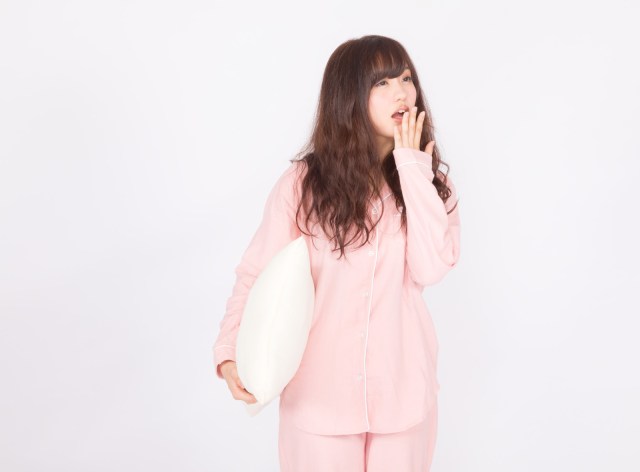
There are people who wear pajamas to class, and lots of girls who don’t wear any makeup.
I’ve even seen someone who’s in their thirties wearing a Pikachu T-shirt.
Regardless of whether other people like it, if you like it, then it’s okay.
It should be like this everywhere.”
In four follow-up tweets, Kanta continues his discussion by saying how, when a Japanese friend returned to Japan from the U.S., she felt that being in Japan was somehow oppressive. Kanta believes that’s because of the pressure in Japan to always appear a certain way, and to consider how your appearance reflects on and affects others.
Americans, he says, are also more confident in themselves. They don’t like print club photo booths where you can enlarge your eyes and be automatically edited to look cuter, he says, because “they don’t have to put on a fake image of themselves”. “Even if you don’t think you look good, you can still be proud of yourself.”
He then compares the Instagram posts of his Japanese friends to those of his American friends. Americans, apparently, post way more selfies than Japanese, who apparently think selfies are embarrassing. He believes that that kind of freedom from worrying about the judgment of others is something that really sets the U.S. apart.
Some people agreed with him, saying that Japan can be oppressive, and that for them, it’s freeing to spend time in the U.S.:
“I felt the same way when I stayed in America! A white-haired older woman in a bright red suit left a big impression on me. Japanese people would be narrow-minded and say, ‘What is she doing wearing those clothes at that age?’. While I was in America I enjoyed wearing flashy clothes while I could!”
“In Japan women in particular are pressured to be cooperative. My professor always nags me about that. Japan is a country that beats down the nail that sticks out, but in America, I’ve heard they praise it instead. It seems like they can relax a lot more there.”
“I stayed in Idaho for 10 days once. The people I met there were so kind that they opened my heart, and I really did not want to go back to Japan. Japanese people have such a tendency to scorn others that it’s exhausting.”
But many others resented the comparison, and thought that there were good things to say about this Japanese custom, too.
“It depends not only on the state but also the town and city. Making broad statements based solely on your experience in one area is problematic.”
“I think that way of thinking of foreign countries is wonderful, but I also think Japan’s way of thinking about other people’s feelings is great too. If you don’t care about what people think, then why are you trying to compare Japan and the U.S.? That’s such a Japanese way of thinking.”
“Some people say that Japanese people being so self-conscious is a bad thing, but I think it’s actually a pretty strong merit. That’s because they’re looking at everything from a larger perspective. I’d rather that Japanese people take pride in the fact that they consider how their actions would affect other people.”
“Every country has good and bad points. Japan isn’t losing to America, in my opinion. It’s important to learn the good things about both and make this world a comfortable place to live for everyone.”
It’s true that you can’t just wear anything you want all the time in the U.S. There are some places that have a dress code, and in fact, many netizens added that, like in many places, there are TPO (time, place, and occasion) rules to clothing in the U.S., which is true. It’s also worth noting that Kanta is studying in California, which is often thought to be one of the most liberal-minded and carefree states, and he’s a college student, which is perhaps the most carefree age group, so his experience may be a little bit narrow.

Many netizens were also quick to point out that America is not perfect, either. One said that people can wear whatever they want, but they’re certainly not free from judgement, especially when it comes to gendered clothing. Another even mentioned that, in spite of its relative freedom from the societal pressures that Japanese people experience, U.S. citizens still have a very high rate of depression. And finally, one Twitter user made the important point that perhaps people don’t judge by clothing, but they do judge by skin color.
Still, it can’t be denied that Japan is a country where maintaining a perfect outer appearance matters, which can certainly be oppressive if what you like doesn’t fit the mold. But, if recent campaigns like makeup company Isehan’s “face hiring” program are anything to go by, it looks like Japan is also steadily making steps towards individualism and open self-expression. So perhaps, little by little, the pressures of Japanese society will ease a bit over time.
Source: Twitter/@theonlyonekanta
Top Image: Pakutaso
Insert images: Pakutaso (1, 2, 3)
● Want to hear about SoraNews24’s latest articles as soon as they’re published? Follow us on Facebook and Twitter!