
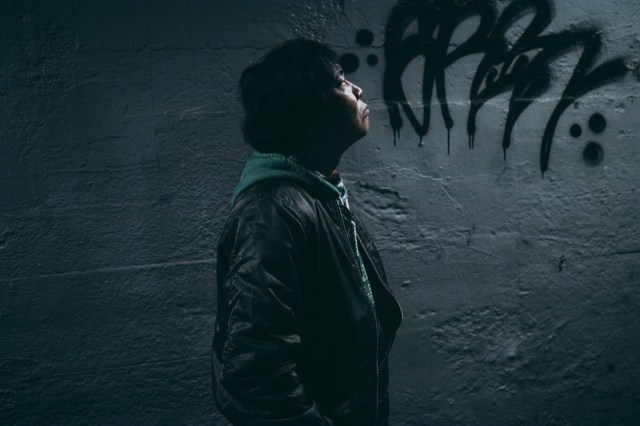
Less money, mo’ problems.
On 3 October, Tokyo Medical University revealed the results of a survey conducted during the first wave of COVID-19 infections in Japan from February to April. Their findings indicate that the percentage of people suspected to have severe depression rose as annual incomes decreased.
The study was conducted on about 2,100 adults in the Kanto region of Japan and measured the proportion of people suspected of having severe depression or other anxiety disorders. It was done because even after the initial impact of COVID-19 subsided, Japanese people’s incomes have yet to show any improvement.
As such, we can expect a significant rise in clinical depression cases in Japan that ought to be addressed. Tokyo Medical University lecturer Hiroyuki Kikuchi told media, “Mental health measures aimed at low-income earners is needed.”
Many readers of the news online, however, disagreed.
“Sounds like paying people more money is the cure to me.”
“People with low-incomes lead a very uncertain life, thank you for that information.”
“So their conclusion is not to just give everyone money, but to instead spend it indirectly on medical health treatment?”
“Money doesn’t solve everything, but it does solve about 90 percent of life’s problems.”
“Just give 100 million yen to everyone who needs it, and watch depression rates plummet.”
“Low-income leads to a poor diet, which leads to poor mental health.”
“Is it that they’re depressed because they have a low-income, or do they have a low-income because they are depressed?”
That last question is really pivotal in considering the best course of action. For example, if a low-income is the result of a depression rather than the cause, then Kikuchi’s recommendations would probably work well at bringing help to people who need it but may not be able to afford it.

Conversely, if lack of money is the root cause of the depression, like many comments seem to think, isn’t therapy the same as helping someone who’s getting hit with a baseball bat by offering bandages rather than stopping the guy with the bat?
Probably both sides are correct to some degree. A lack of resources can only add to overall anxiety that could exacerbate depression, in turn inhibiting the person’s own ability to improve matters, and the spiral continues.
So, a plan that both raises the standard of living and lowers the hurdle of access to proper mental health care might be the best bet in stemming the growing problem of depression in Japan.
Source: Kyodo, Hachima Kiko
Top image: Pakutaso
Insert image: Pakutaso
● Want to hear about SoraNews24’s latest articles as soon as they’re published? Follow us on Facebook and Twitter!
 The number of suicides among Japanese citizens jumped in August, worrying officials
 The coronavirus is making Japan’s suicide rate plummet
 Survey results reveal average number of days people can bear to self-quarantine
 Nara University study finds some common teas can neutralize COVID-19
 If you die from the COVID-19 vaccine in Japan, the government will give your family over 44M yen
 Mt. Fuji decorated with a 500,000-flower pink carpet is Japan’s ultimate spring view
 30 Pikachus want to share a Tokyo hotel room with you that has separate Grass, Water, Fire spaces
 Pringles Chocolate, but with a Japanese twist, is the snack hack you should be trying right now
 Howl’s Moving Castle’s scene-stealing dog is here to clean your home as a plushie mop
 How to order snacks on a Shinkansen bullet train in Japan
 Top Secret Cookie Recipe Finally Comes to Light
 New Hello Kitty x McDonald’s Japan collaboration is like a life lesson to live by 【Video】
 New Travelling Bento pouches turn your luggage into a Japanese lunch box
 The first ever pizza-dispensing vending machine in Japan is now operating in Hiroshima
 Tokyo street sweets: The must-snack treats of Nakano’s Refutei
 Japan reportedly adding Japanese language skill requirement to most common foreigner work visa
 Pokémon and Ikea Japan cross over into each other’s worlds with collaboration events
 Starbucks Japan closing only Shinkansen platform branch for popularity-triggered renovations
 You can assemble a well-balanced team of Pokémon, them eat them, thanks to Japanese cake chain
 Two food hacks take Japan’s convenience store fried chicken to amazing new sandwich heights
 7-Eleven Japan’s new baked-in-store sweet treat is only available in three parts of the country
 Man bites woman at cherry blossom park in Japan, dies shortly after
 Peanuts and Coke becomes a viral hit in Japan, but is it a trend worth joining?
 Can a downtown Tokyo super sento bathhouse beat a hotel for a one-night stay?
 New Japanese KitKats come in sakura flavour, with poetic symbolism for success
 Japan now has a special desk for people who work at home with a pet cat[Photos]
 Famous Tokyo cherry blossom spot installs view-blocking screens to fight overcrowding[Video]
 Uniqlo announces new T-shirts for One Piece, Naruto and more for manga publisher’s 100th birthday
 Train station platform ramen store closes its doors on half a century of history in Tokyo
 Starbucks Japan releases new My Fruit³ Frappuccino at only 34 stores around the country
 Krispy Kreme releases Super Mario doughnuts in Japan for a limited time
 Studio Ghibli releases Catbus pullback keychain that runs like the anime character
 Japanese onsen egg maker from 100-yen store Daiso needs to be on your shopping list
 Survey asks foreign tourists what bothered them in Japan, more than half gave same answer
 Japan’s human washing machines will go on sale to general public, demos to be held in Tokyo
 Starbucks Japan releases new drinkware and goods for Valentine’s Day
 We deeply regret going into this tunnel on our walk in the mountains of Japan
 Starbucks Japan releases new sakura goods and drinkware for cherry blossom season 2026
 Studio Ghibli releases Kodama forest spirits from Princess Mononoke to light up your home
 Japan’s newest Shinkansen has no seats…or passengers [Video]
 Major Japanese hotel chain says reservations via overseas booking sites may not be valid
 Put sesame oil in your coffee? Japanese maker says it’s the best way to start your day【Taste test】
 No more using real katana for tourism activities, Japan’s National Police Agency says
 Nearly half of survey respondents in Japan feel healthier since before COVID-19
 World-first confirmation that masks can protect you from coronavirus【Video】
 McDonald’s worker tests positive for coronavirus in Japan, branch closes for sanitation
 Japanese study finds link between taking frequent baths and happiness, may not tell whole story