
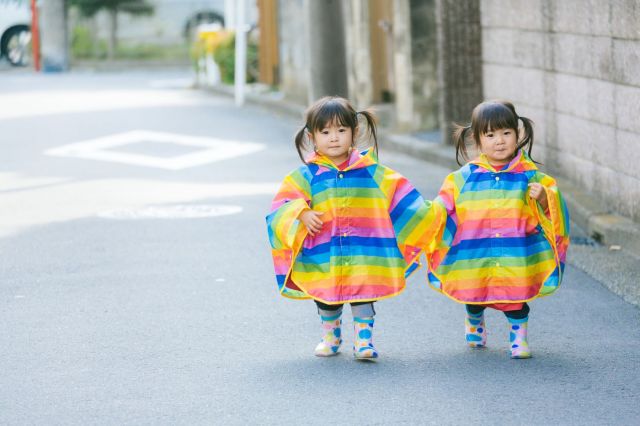
Wholesome Japanese TV show about toddlers going out on errands divides overseas viewers.
When you visit Japan, a lot of things will catch your eye as being different to your home country, including the way they bring up children.
It’s not unusual to see young elementary school children walking to school or even taking public transport on their own or in small groups without any adult supervision here, and that’s all because adults foster independence and a sense of responsibility in children from a very young age.
Children begin to clean their own schools and take turns serving classmates lunch, carrying heavy pots and utensils to their classrooms, from the first year of elementary school, when they’re about six years old. That’s when they begin to navigate their own way to and from school as well, carrying heavy bags and making their way through busy stations and intersections without their parents.
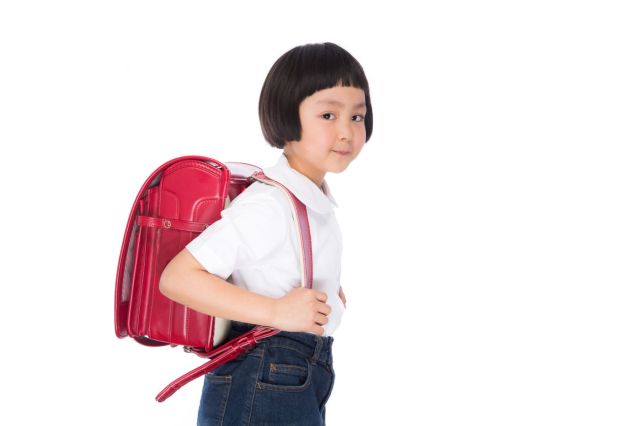
So in order for parents to prepare their children for the adult-like responsibilities they’ll face when they start school, many give their little ones responsibilities before they turn six. These responsibilities can range from basic household chores, carrying their own bag on family outings, and sometimes, even fetching small items from the local shop.
These might seem like difficult tasks for a child to handle, but their ability to complete tasks on their own can surprise both the adults around them and, more importantly, themselves, giving them a sense of confidence as they venture out into the world.
It’s also incredibly heartwarming to watch, which is why a TV programme called Hajimete no Otsukai (“First Errand”) has been hugely popular in Japan for the past 30 years. The programme shows toddlers going out on their own to complete an errand outside the home without their parents, and now it’s become a hit show on Netflix, where it’s been released under the title, “Old Enough“.
▼ Hiroki, for instance, is only two and three-quarters, but he walks one kilometre (0.62 miles) on his own to do the shopping.
Old Enough is the most wholesome show you’ve ever seen — in this unscripted series, Japanese toddlers (ages 2-5) are sent on simple errands to help their parents and the results are just so pure.
— Netflix (@netflix) April 11, 2022
20 episodes are now on Netflix. pic.twitter.com/WpzopRA8ct
In Japan, the show airs twice a year as a three-hour programme, but for Netflix it’s been cut up into 20 episodes, each around 10 minutes long, except for the final episode which runs for 21 minutes. Since it began streaming with subtitles on Netflix on 31 March, the show has been winning fans from across the globe, who’ve been leaving comments like:
“Please, need more episodes!!!”
“Just finished watching them and 20 isn’t enough.”
“GENUINELY CRIED EVERY SINGLE EPISODE.”
“Will gladly watch 20 seasons of this!”
“I just started watching it yesterday and it’s soo good!”
“I NEED MORE EPISODES NOW.”
While the majority of responses have been filled with heartfelt praise for the show and its little stars, the programme also sparked overseas debate about the safety of children and the differences between Japan and Western countries like the U.S.
“Ummm. How is abandoning a tiny child to cross a busy road wholesome?”
“Because Japanese people trust Japanese drivers to be cautious. Unfortunately in other places (like the U.S.) we can’t trust each other to this extent.”
“Japan is SO different from America though. I wouldn’t trust to do this in America.”
“Maybe the U.S. should consider designing places so that we don’t have to treat children up to the age of 16 like literal toddlers.”
“Plus the long term negative effects of the child. It’s all ‘fun’ and ‘interesting’ for us to watch but a child at that age shouldn’t be ‘made’ to do this.”
“Absolutely incredible that people in these comments cannot even begin to imagine what a safe, high trust society looks like. Conditioned to believe violent crime and constant danger is normal: it isnt.”
Though some overseas viewers expressed concern about the safety of the young participants on the show, every precaution was taken to ensure their safety during filming. Months of preparation go into each child’s solo journey, with routes inspected by staff and parents to make sure it’s safe in regards to road traffic and no fushinsha (suspicious person) reports have been made in the area.
Residents are notified in advance so they don’t go out of their way to help the child as they normally would, and film crews and production staff disguise themselves as in-store shoppers and normal passersby along the route during filming. In the case of filming in agricultural areas and fishing villages, staff will also disguise themselves as farmers and fishermen so they can blend into the landscape and go undetected by the child as they complete their errand. Other staff sit in cars or on bicycles so they can quickly step in if needed.
▼ Rice planter or hidden cameraman?

For those who questioned the ethics of having a child go out on an errand at such a young age, Japanese commenters abroad gave this insight into the mindset behind this style of parenting.
“It’s part of our culture to give kids a sense of responsibility and teach them kindness of the people in the community who would help them. I have done it, all kids in Japan know that that’s the part of cool recognition to be able to contribute to the family! It’s a big deal for them and they take pride!”
“Japan is much safer and the toddlers have been supervised by the camera crew the whole time. Cities are built for safety.”
The role that urban planning plays in contributing to a safe community in Japan also became a hot topic amongst local netizens in their reactions to overseas comments on the safety aspect of the show.
“The show reveals as much about children as it does urban planning. In some suburbs of the U.S. it would be impossible to walk to a nearby store.”
“Small and medium-sized stores that children can access is a big surprise for people in the U.S., where you drive to a supermarket and buy in bulk.”
“Foreign viewers are amazed at how safe it generally is for children in Japan, but good urban and community structures play a big part in this safety.”
“It seems that everyone in the world is confused by the ‘madness’ and ‘mystery’ of Japan, where you can let toddlers go out into the world alone.”
“Foreign viewers are so filled with fear for the child that it makes me think Japan is the only safe country in the world. I want to continue to protect this way of life!”
“It’s one of the peculiarities of Japanese society where children can act alone.”
Old Enough really has opened the floodgates to a discussion on the ins and outs of different ways of living and parenting. Though it might differ to parenting styles in other parts of the world, entrusting children to look after themselves and those around them is a natural part of child-rearing in Japan, and urban and community structures help to support this culture.
It’s all food for thought, generated by the show’s new global reach. One thing everyone can agree on, though, is that children venturing out on their own for their first errand is an experience that can pull on the heartstrings of anyone and everyone, no matter where they’re from.
It’s a reminder of the importance of community in helping to keep kids safe, and if you’re wondering how a show like this might work in a community abroad, you might want to strap on your seatbelt, because it’s just been announced that a U.K. remake of the show is now in the works.
Source: Twitter@netflix via Jin
Featured image: Pakutaso
Insert images: Pakutaso (1, 2)
● Want to hear about SoraNews24’s latest articles as soon as they’re published? Follow us on Facebook and Twitter!
 Vietnamese kids’ TV show will haunt your dreams, possibly get sued by Disney 【Video】
 Japanese schoolgirl commended by police for helping lost child
 Five reasons why Queer Eye is such a big hit on Netflix in Japan
 Top 10 things even Japanese people think they’re too obsessive about
 Pokémon and Ikea Japan cross over into each other’s worlds with collaboration events
 Can a downtown Tokyo super sento bathhouse beat a hotel for a one-night stay?
 A Kyoto factory vending machine sells gourmet mystery meals at bargain prices
 Starbucks Japan unveils epic Frappuccino hunt with five to find in new Star birthday campaign
 Oh Boy, That’s Pretty Racist (Part Two): Japanese woman explains why Taiwanese girls suck
 Umamusume food and drinks dash into real world at Family Mart convenience stores[Taste test]
 These creative, fanciful post boxes from Japan will delight you in so many ways【Photos】
 Naruto and Converse team up for new line of shinobi sneakers[Photos]
 Starbucks Japan offers special sakura picnics at Reserve Roastery Tokyo beside Meguro River
 Fading Tokyo – Searching for signs of the Showa era as local neighborhoods evolve[Photos]
 Famous Tokyo cherry blossom spot installs view-blocking screens to fight overcrowding[Video]
 Tokyo’s best museum for foreign travelers finally reopens after being closed for four years
 Pokémon lacquerware series expands for Year of the Horse with new handcrafted design[Video]
 Japan now has a special desk for people who work at home with a pet cat[Photos]
 Uniqlo announces new T-shirts for One Piece, Naruto and more for manga publisher’s 100th birthday
 Picturesque Tokyo park plays host to millions of flowers and soap bubbles this spring
 Tokyo subway and almost all Tokyo train lines now accepting credit card tap payments
 Totoro and Calcifer become little light-up lanterns for Ghibli-style excursions or at-home decor
 Train station platform ramen store closes its doors on half a century of history in Tokyo
 Starbucks Japan releases new My Fruit³ Frappuccino at only 34 stores around the country
 Studio Ghibli releases Catbus pullback keychain that runs like the anime character
 Krispy Kreme releases Super Mario doughnuts in Japan for a limited time
 Japanese onsen egg maker from 100-yen store Daiso needs to be on your shopping list
 Starbucks Japan unveils new sakura cherry blossom collection for hanami season 2026
 Survey asks foreign tourists what bothered them in Japan, more than half gave same answer
 Japan’s human washing machines will go on sale to general public, demos to be held in Tokyo
 Starbucks Japan releases new drinkware and goods for Valentine’s Day
 We deeply regret going into this tunnel on our walk in the mountains of Japan
 Studio Ghibli releases Kodama forest spirits from Princess Mononoke to light up your home
 Starbucks Japan releases new sakura goods and drinkware for cherry blossom season 2026
 Japan’s newest Shinkansen has no seats…or passengers [Video]
 Major Japanese hotel chain says reservations via overseas booking sites may not be valid
 Put sesame oil in your coffee? Japanese maker says it’s the best way to start your day【Taste test】
 No more using real katana for tourism activities, Japan’s National Police Agency says