The journey from the Hawks to the Giants wasn’t easy, but along the way he made history.
This year marks the 150th anniversary of baseball in Japan. All the way back in 1872 Horace Wilson, an American professor of English at Tokyo’s Kaisei Academy, introduced baseball to the school’s students, and it would go on to become modern Japan’s favorite sport.
Japanese baseball had another milestone in 1964. That’s when then 20-year-old Masanori “Mashi” Murakami, who’d been playing for the Nankai Hawks (now the Fukuoka SoftBank Hawks), became the first Japanese player to play in the American Major Leagues.
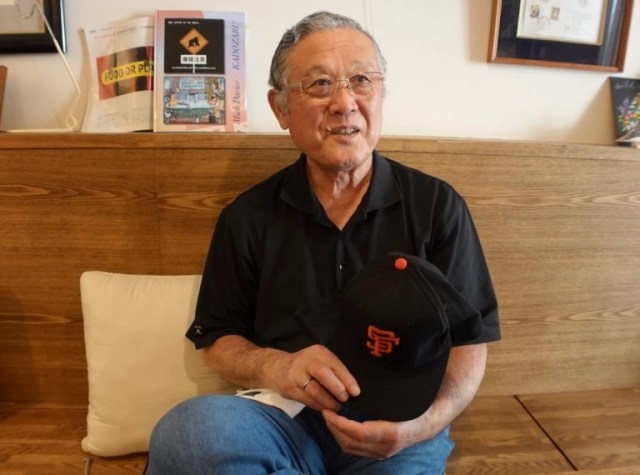
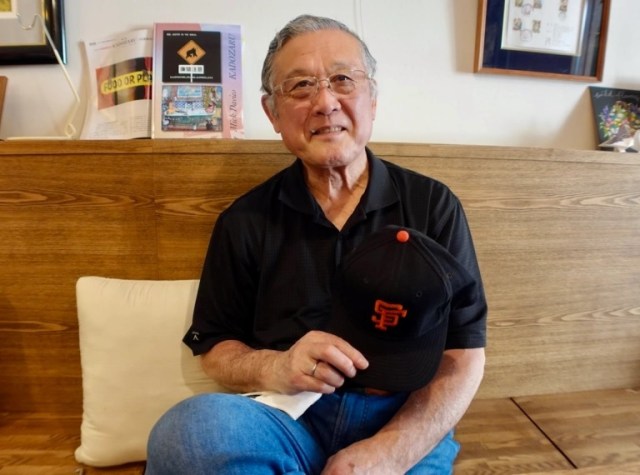
Our Japanese-language reporter Masanuki Sunakoma recently sat down with the 78-year-old native of Yamanashi Prefecture to look back on his time playing in the U.S. His first stateside club was a Minor League 1A team in Fresno, part of the San Francisco Giants’ organization, and when Murakami left Japan to go pitch for them, he thought of it as a sort of “baseball study abroad” experience.
Life as a Minor League Pitcher was anything but easy, though. For starters, 1A salaries were so low that players called it the “hotdog league,” since the heavily processed meat products were about all they could afford to eat. 2A was the “hamburger league,” Murakami recalls, and the Major League, of course, was the “steak league.” Even his meager salary wasn’t easy to collect, though. Murakami spoke little English and didn’t have an interpreter or personal liaison, and when his pay was late, he didn’t have the language skills to get to the bottom of reasons for the delays.
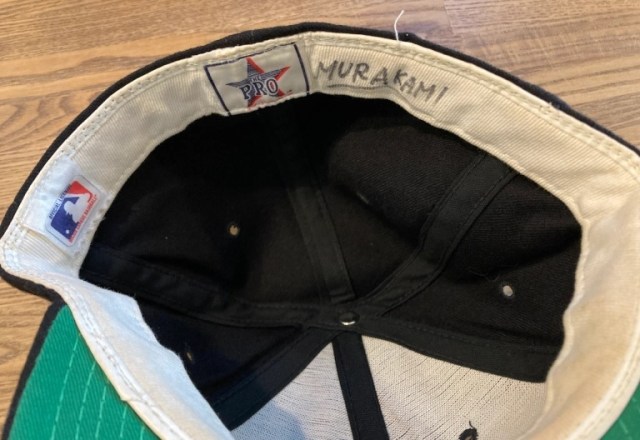
What did make it through the language barrier, though, were jeers and pranks that Murakami was made the target of by his own teammates due to his heritage. It got to the point that Murakami made a point of turning his back to the American flag during the singing of the national anthem before one game, in an attempt to send the message of “I don’t need to respect the flag of a country where people are targeting me so incessantly.” In hindsight, Murakami says he regrets protesting in that manner, and he eventually solve the problem in a much more direct manner.
“One day, when we were riding to somewhere on the team bus, someone through a wadded up bunch of paper at me from one of the seats further back. It happened again and again, so I got up and grabbed a wrench from the driver’s footwell,” says Murakami. “I pointed it at the other players, one by one, asking ‘Was it you?’ ‘Was it you?’ They all said ‘No!’ ‘No!’, and from that day on, their attitudes got better.”
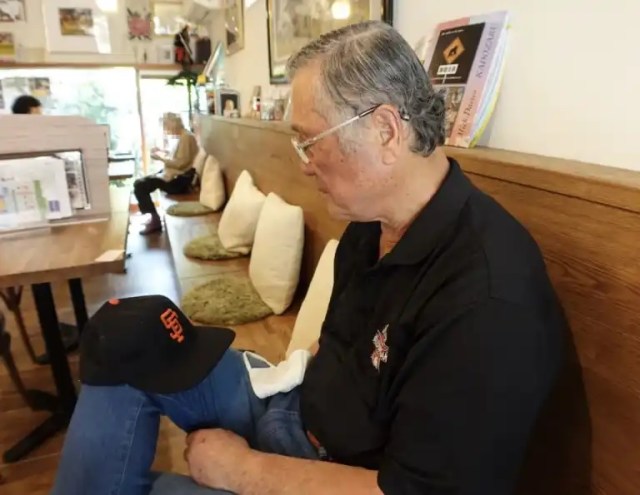
Murakami was a closer, coming into games in the 7th, 8th, or 9th inning to secure victories for his team. They went on a winning streak that summer, pulling into first place in the “hot dog league” (which was actually the California League). Then, on one fateful day in August, about six months after he’d arrived in America, Murakami got called up by the Giants to the big leagues.
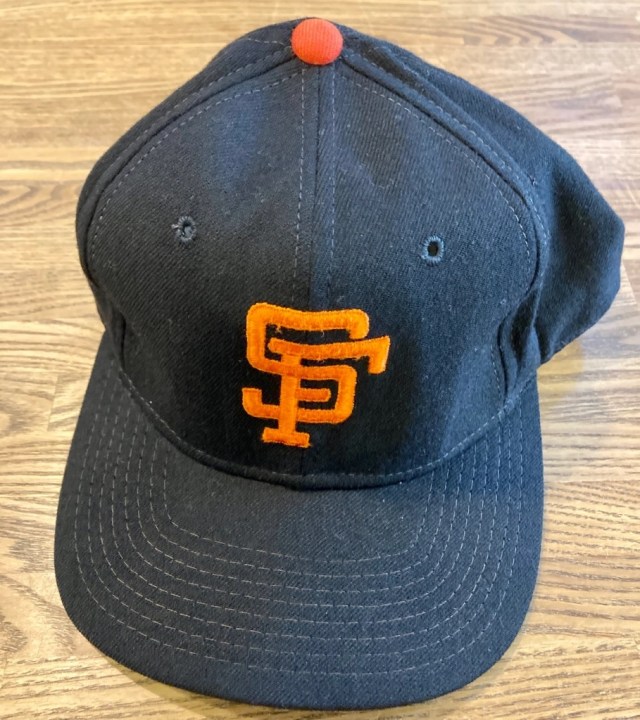
There was only one small problem. Murakami was in Fresno, and the Giants wanted him in the bullpen for their upcoming game against the Mets, all the way on the other side of the country in New York, and the team was already there. So Murakami hopped on a propeller plane for a quick hop from Fresno to San Francisco, then transferred to a jumbo jet for the fight to New York. After landing, he used what English skills he’d managed to acquire to get on a bus to Manhattan and made his way to the team’s hotel.
The next night, Murakami made his Major League debut under the bright lights of Shea Stadium. Coming in to the game in the bottom of the eighth with the Giants trailing 4-0, Murakami hummed “Ue wo Muite Arukou,” also known as the “Sukiyaki” song to himself as he walked to the mound, and proceeded to strike out the fist batter he faced. The next batter got on base, but Murakami also struck out the next, and a ground-out to the shortstop after that completed a scoreless inning for Murakami, and though the Giants ultimately lost the game 4-1, one wonders if the outcome would have been different had Murakami been called into the game before the Giants gave up three runs in the bottom of the 7th.
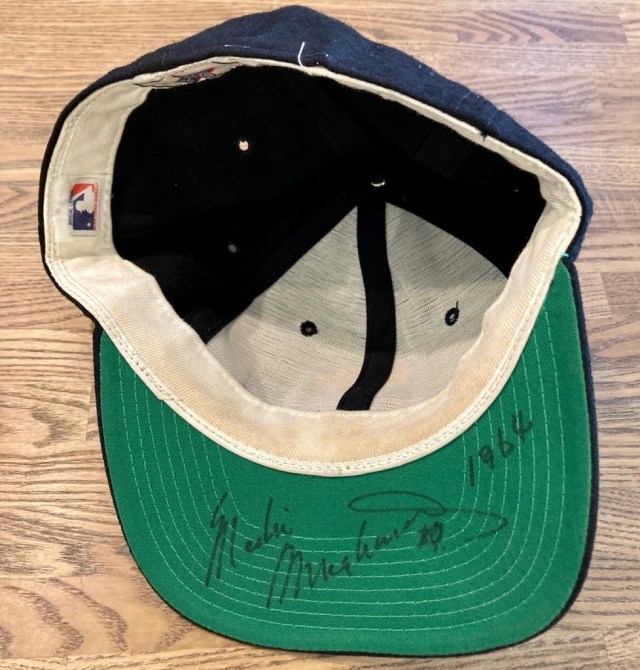
Murakami would finish out the season for the Giants with one win and one save in eight mound appearances and an impressive 1.80 ERA. “I never really knew who I was pitching against,” he says. “In those days, the current batter’s name didn’t appear on the scoreboard, and I couldn’t catch what the stadium announcers were saying, so I just pitched in my own style, without worrying about who was at the plate.”
The next year, in the 1965 season, Murakami would take the mound 45 times for the Giants, tallying 4 wins, one loss, and 8 saves with an ERA of 3.75. In 1966, he returned to Japan and the Hawks, with an 18-4 win/loss record that was the best in Japanese professional baseball that year. He went on to be a two-time champion, with the Hawks in 1973 and the Fighters in 1981, before retiring in 1982 with 103 career wins in the Japanese pro leagues.
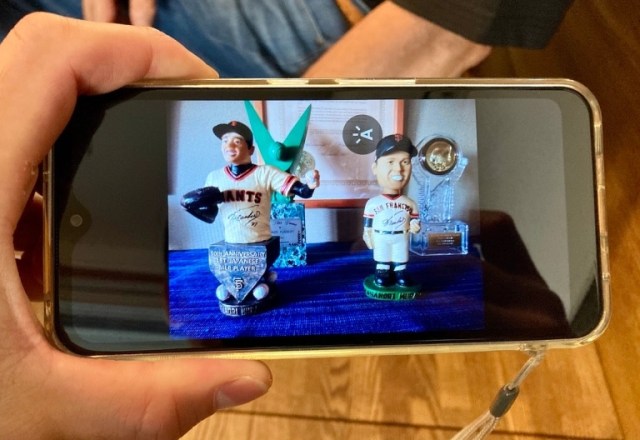
But retirement from baseball doesn’t mean loafing around all day for Murakami. During his time in the Major Leagues, Murakami befriended Puerto Rican player Roberto Clemente, of the Pittsburg Pirates. Clemente, 10 years Murakami’s senior, was heavily involved in humanitarian aid efforts, and tragically passed away in 1972 when an airplane he had chartered to fly relief supplies to Nicaragua following a powerful earthquake crashed, with Clemente onboard. Impressed by Clemente’s commitment to helping others, Murakami has since become a UN refugee goodwill ambassador, charity fundraising coordinator, and is even involved with the Kimono Project.
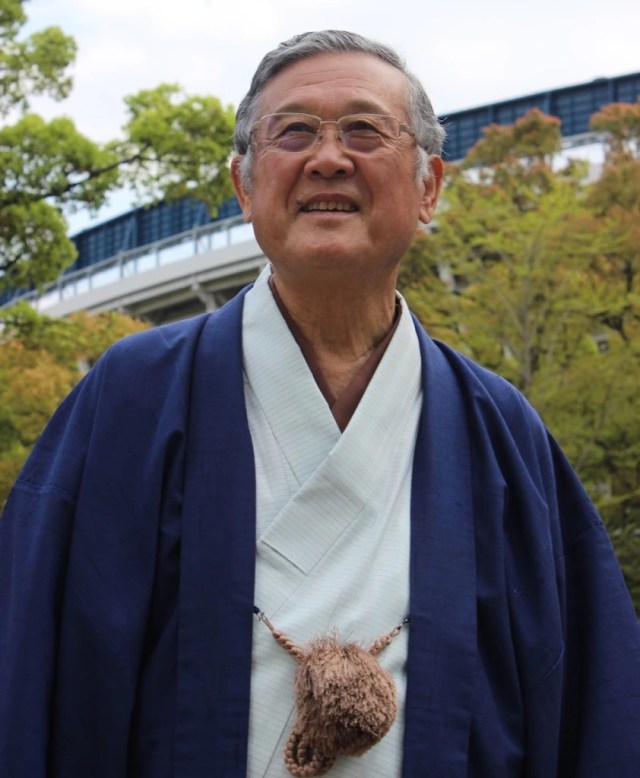
Because even if he’s done saving games, he’s not finished helping people.
Photos © SoraNews24
● Want to hear about SoraNews24’s latest articles as soon as they’re published? Follow us on Facebook and Twitter!
[ Read in Japanese ]