A reminder to be careful while sightseeing at famous tourist spots in Japan.
Japan has a reputation for being a safe place to travel to, but that doesn’t mean you shouldn’t keep your wits about you while visiting the country’s top tourist spots. One such spot where you should be particularly careful is Ueno Toshogu Shrine in Taito Ward, Tokyo, where there have been recent reports of fake monks scamming tourists out of their money.
▼ Ueno Toshogu Shrine is located within Ueno Park, one of the country’s most popular hanami viewing spots during sakura season.
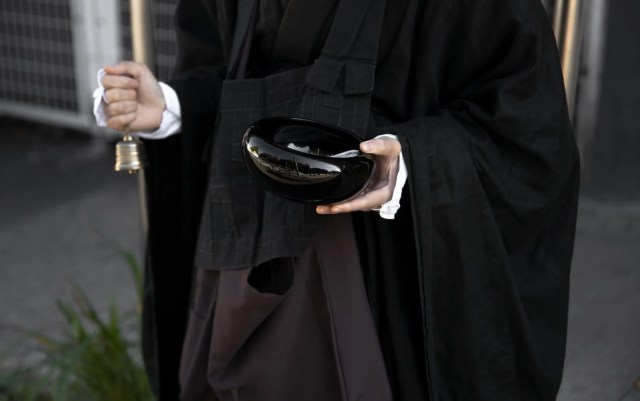
Fake monks have actually been appearing at this particular shrine since as far back as 2016, and in 2017, a Chinese national posing as a fake monk was arrested in relation to the scam. With tourists now back in increasingly high numbers, the fake monks have returned to the shrine grounds as well, and similarly to previous years, they are selling prayer beads and amulets, under the guise that the money paid for them will act as a donation to help repair the shrine.
One recent news reporter witnessed a tourist being scammed out of their money at the shrine, as the monk, dressed in an orange robe, approached them and gave them the amulet. Thinking it to be a gift, the tourist thanked the monk, who then insisted they needed to pay for it, with the price being 10,000 yen (US$66.95).
After the transaction had been made, the reporter approached the tourist to ask them what had just happened. The tourist showed the reporter the amulet and explained that he’d bought it from the monk. The reporter then informed them that it was a scam, and the tourist appeared stunned, having fully believed the monk was associated with the shrine.
According to the news report, there wasn’t just one fake monk at the shrine when they visited, but several, with two women in navy blue robes also approaching tourists as well. Upon speaking to one of the women, she told the reporter she was from Thailand, but refused to answer any more questions, instead heading to the public restroom at Ueno Station where she later emerged wearing civilian clothes.
The fake monks are believed to work in groups, with some acting as executioners who approach the tourists and others acting as lookouts. Ueno Toshogu Shrine says it is aware of the problem but it is difficult to file a damage report as they are targeting foreign tourists and not the shrine directly. However, staff members are patrolling the grounds and asking people to be careful.
So if you or anyone you know is travelling to Japan, be sure to let them know about the scam so they don’t fall victim to it. Monks or other staff at temples and shrines in Japan will never approach visitors to sell products, so if you are approached by someone it’s important to refuse the item first to avoid being in a situation where you feel obliged to pay for it. And it’s not just at Ueno Toshogu Shrine that you have to be careful — there have been reports of fake monks at tourists sites in Kyoto and other areas around Tokyo.
Source: FNN via Hachima Kikou
Featured image: Pakutaso
● Want to hear about SoraNews24’s latest articles as soon as they’re published? Follow us on Facebook and Twitter!