
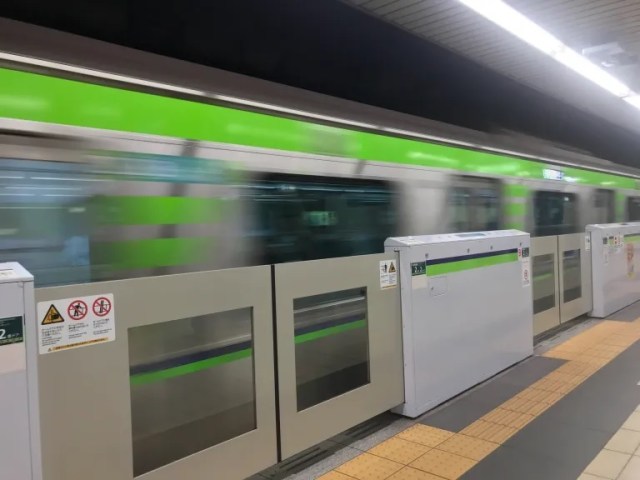
A Tokyo subway commute daydream turns into a ride to the end of the line.
In Japan, the in-station announcements for departing trains identify them by the last station they’ll be stopping at, which usually means the last stop of the line. For example, every workday morning our Japanese-language reporter Mariko Ohanabatake gets on a Toei Shinjuku Line subway train that the announcement says is “bound for Hashimoto,” but she always gets off way before that, at Shinjuku-sanchome Station, the downtown stop that’s closest to SoraNews24 HQ.
▼ 各駅 橋本 = Local train bound for Hashimoto, as seen on Mariko’s morning commute train

But after years of riding the for-Hashimoto train, Mariko couldn’t help asking herself a question: What’s Hashimoto like? So on a recent morning, Mariko opted out of working in the office to do some field work. Instead of getting off the train at Shinjuku-sanchome, she stayed on and kept riding it until the end of the line.
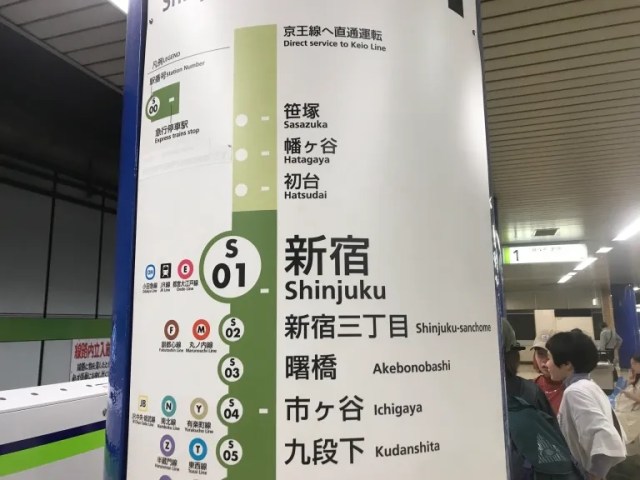
The next stop after Shinjuku-sanchome is Shinjuku Station, and after the Toei Shinjuku Line blends seamlessly into the Keio Sagamihara Line. That’s also the point where the line switches from subterranean to above-ground, and Mariko felt a joyous sense of liberation as her train broke free to the surface and natural sunlight filled the car.
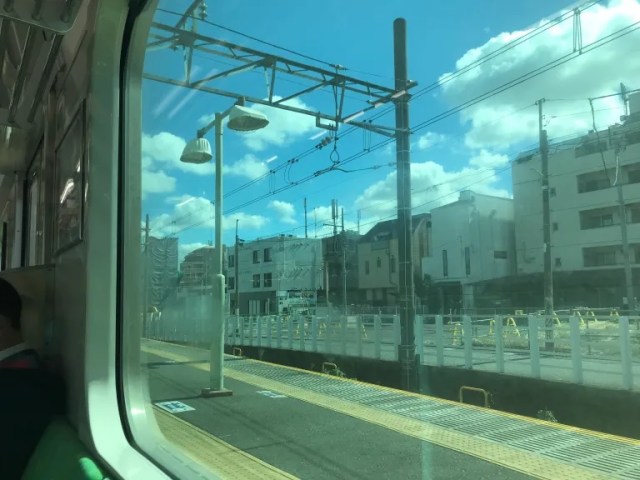
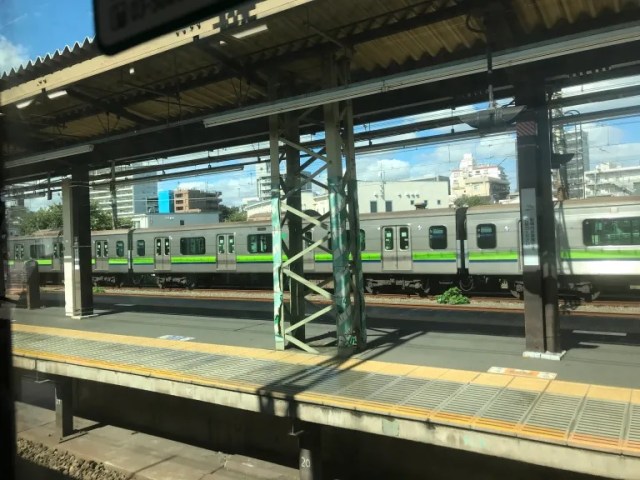
Once you’re past Shinjuku Station, you’re beyond the Yamanote loop line that more-or-less marks the most congested part of downtown Tokyo. As the train continued on its southwestern route, Mariko started seeing fewer skyscrapers and more greenery, including a lovely view of the Tamagawa River a little before Keio Inadazutsumi Station.
▼ The river’s tranquil waters formed a mirror, reflecting the clouds of the autumn sky.
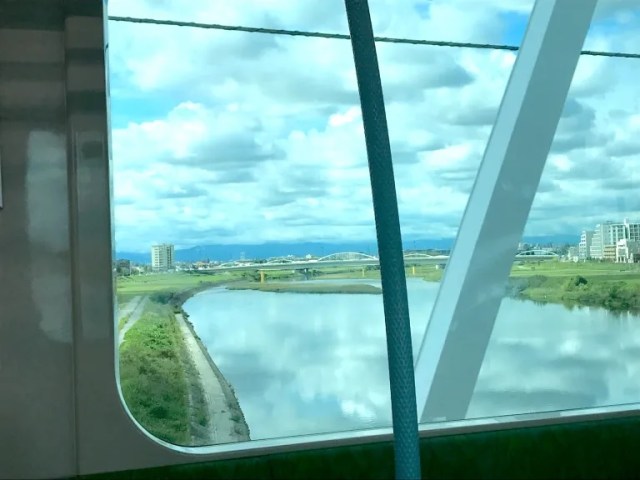
Smaller neighborhoods mean smaller crowds, and with Mariko now heading opposite the direction of the morning commuting rush, there were plenty of empty seats on her train, a surreal change from the packed conditions she usually sees it under on her way to work.
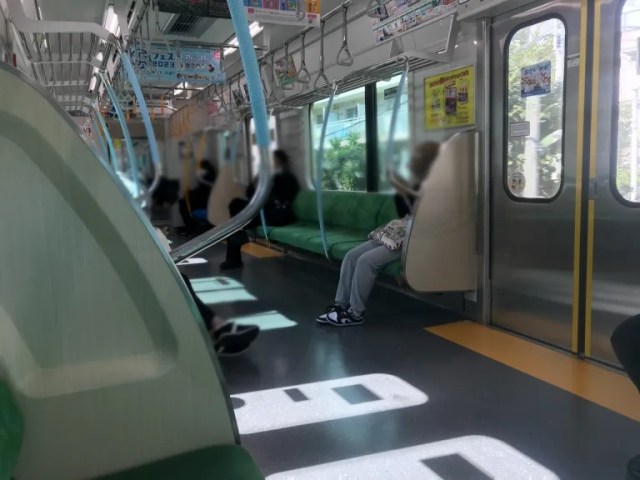
With a spot to sit, warm sunshine, and the rhythmic rocking of the rails, Mariko was unable to resist indulging in one of Japan’s most restorative of pastimes: the train nap.
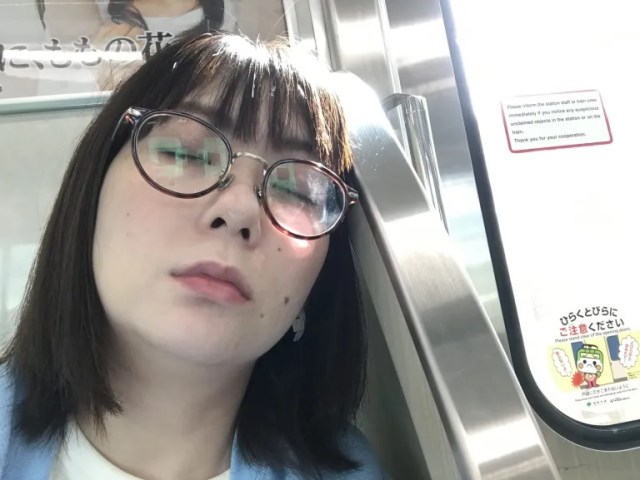
Waking up a while later, but still far from her destination, Mariko began to envision what Hashimoto Station would be like. Considering how the scenery outside was becoming less and less urban the farther she got away from Tokyo, she imagined that it must get positively bucolic by the time you’re in Hashimoto.
As Mariko started to get close to the end of the line, though, something she hadn’t expected happened.
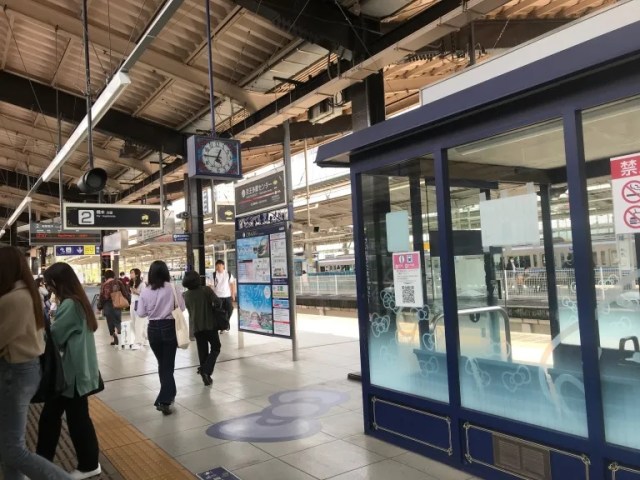
The stations started gradually getting bigger, and the number of passengers getting on the train increased too.
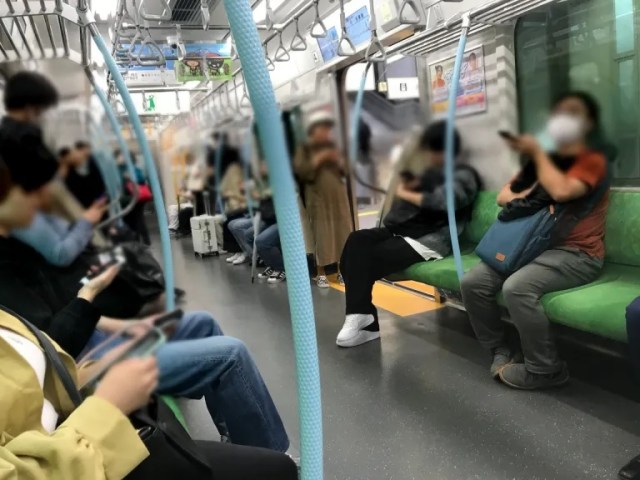
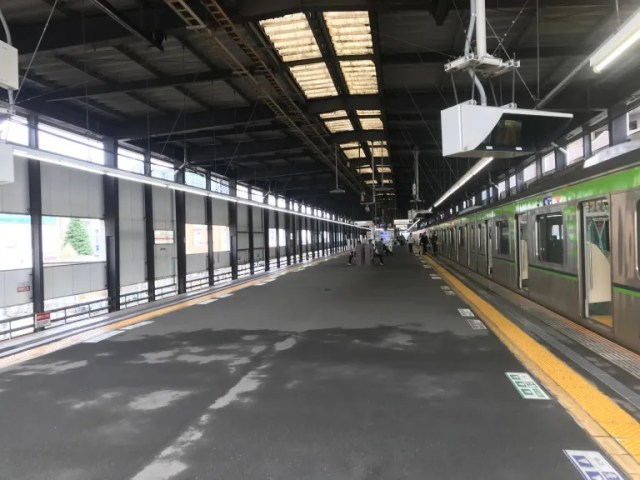
Looking out the windows, she started seeing more multi-story apartment complexes and shopping centers, and when she finally got to Hashimoto Station, it was a modern, well-equipped facility.
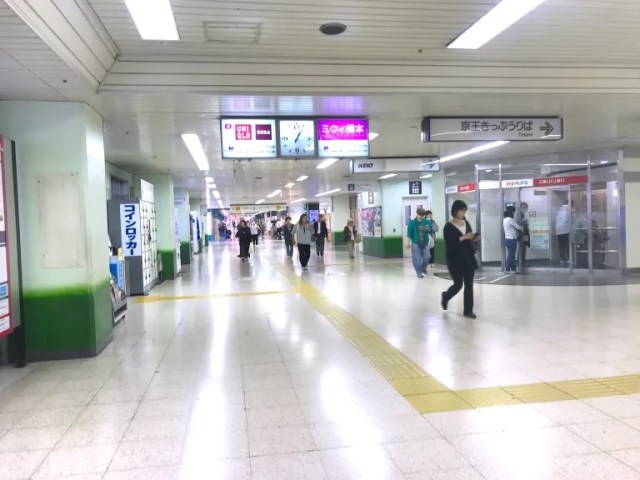
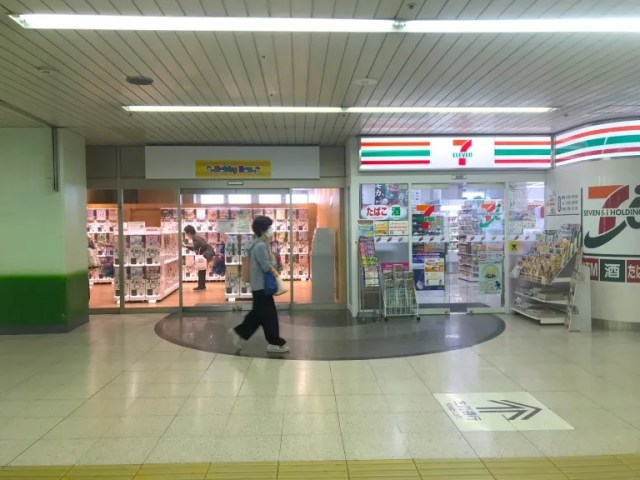
Inside the station building there’s a 7-Eleven, a capsule toy shop…
…a 3 Coins 300 yen shop…

…a bookstore…
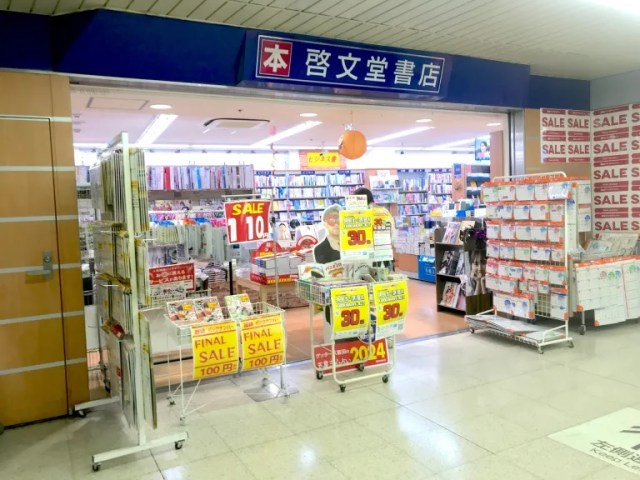
…and even a mini satellite shop for the Keio department store.

Outside the station were even more shops and restaurants, with branches of Uniqlo and Mujirushi, 100 yen shop Seria, and cafes like Dotour and Starbucks.
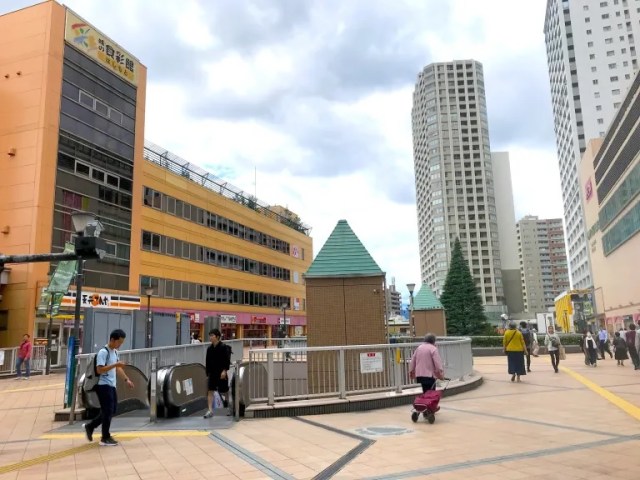
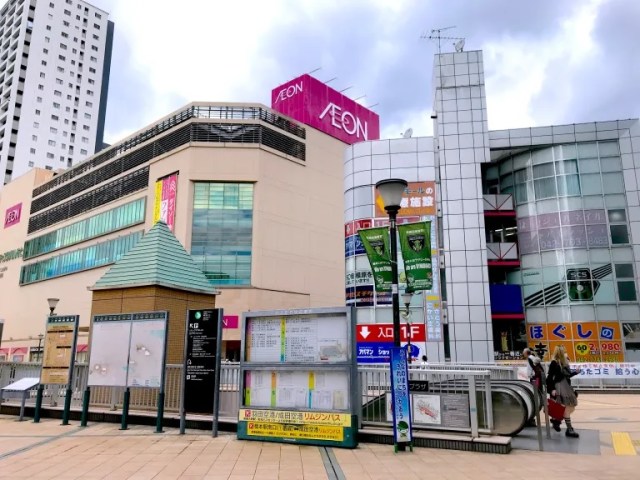
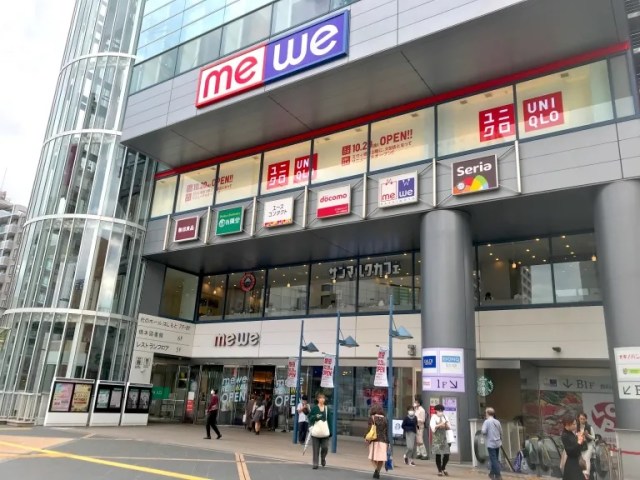
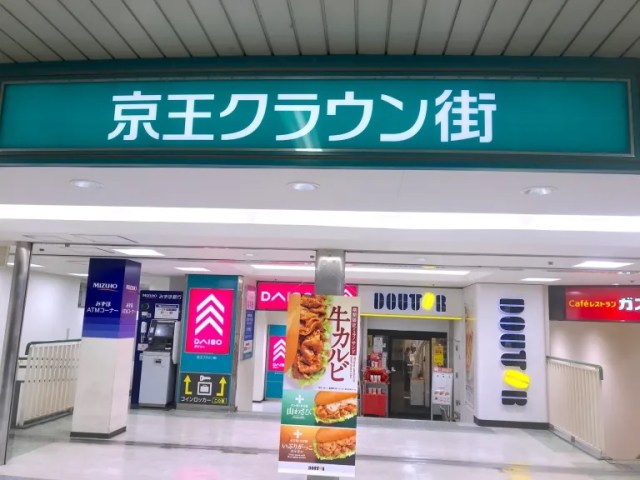
Mariko hadn’t been expecting this, but it’s actually very much in keeping with how Japanese cityscapes have developed. Geographically speaking, train/subway lines are just narrow lines, but the way they influence development is actually a series of circles, with the stations along the way at their centers.
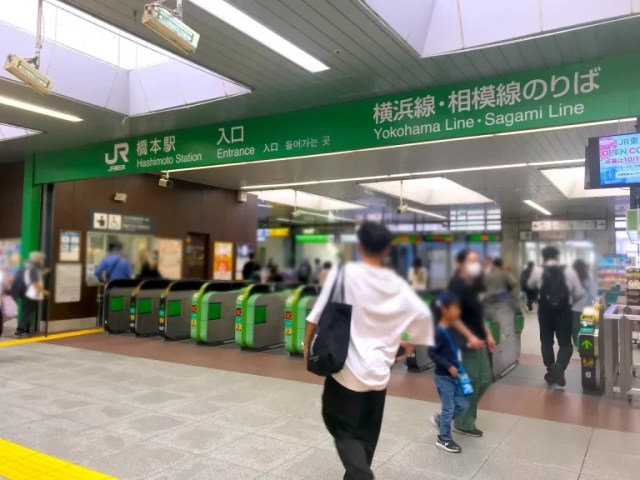
Because of the announcements she hears on her morning commutes, Mariko had always thought of Hashimoto Station as the end of the Toei Shinjuku/Keio Sagamihara Line. However, Hashimoto Station is also part of the JR Yokohama and JR Sagami Lines. That means that not only can you take the train from Hashimoto to Shinjuku without transferring, you can take it to Yokohama Station, in the center of Japan’s second-largest city, without transferring too, and the JR Sagami Line also runs through Atsugi and Ebina, two of the larger cities in Kanagawa Prefecture, Tokyo’s neighbor to the south/west.
It’s around 50 minutes from Hashimoto to Shinjuku, and only 40 to Yokohama. With “about an hour” being considered a reasonable commute by most Japanese people, that makes Hashimoto a viable place to live for people working/going to school in the two biggest cities in the country. Hashimoto’s out-of-the-way, end-of-the-line position means it might not attract enough visitors for flashy entertainment options, but the commuter access means it does have enough residents to support plenty of everyday necessity shops and reasonably priced restaurants/takeout places, all with lower housing costs than neighborhoods closer to central Tokyo or Yokohama.
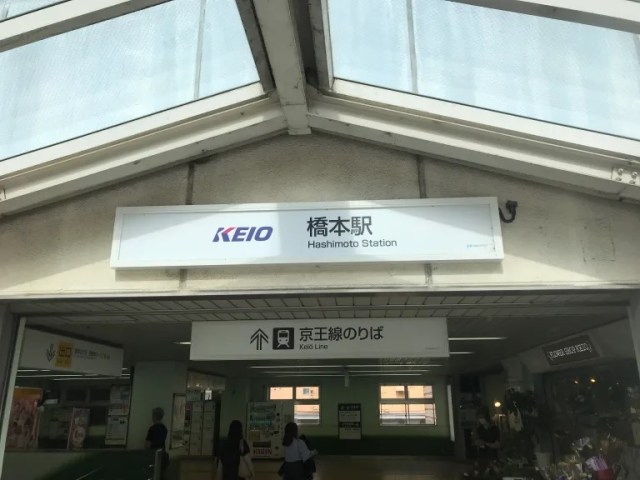
So in the end, Hashimoto wasn’t the isolated-in-the-countryside sort of station that Mariko had been fantasizing about, but it’s actually a pretty decent place to live in the real world.
Photos © SoraNews24
● Want to hear about SoraNews24’s latest articles as soon as they’re published? Follow us on Facebook and Twitter!
[ Read in Japanese ]
 End-of-the-Line Exploring in Japan: Tokyo’s Mita Line can give you all the nothing you want【Pics】
 Tokyo’s new Keio Liner train debuts next month with special features and reserved seating
 One of Tokyo’s busiest subway lines is adding women-only cars
 These are Tokyo train lines people most want to live along【Survey】
 Tokyo train company makes sweet addition to stations so that birds can keep their nests in them
 Wisteria season starts early with blooming of Japan’s Great Wisteria in its beautiful garden
 Japan’s best conveyor belt sushi restaurant of seven years ago has now, finally, come to Tokyo
 Japanese government wants overseas anime market to roughly triple in 10 years, but are they crazy?
 Fading Tokyo – Horikiri Station, the Arakawa River, and Kinpachi-sensei[Walking course]
 Japanese bento shop sells croquettes for 13 cents, but are they any good?
 Japanese trains in Sapporo might be better than those in Tokyo, thanks to one special feature
 No, that’s not French bread, it’s Japan’s crazy-big gobo!
 Japanese sandals dyed with real Uji matcha are here to whisk you off your feet
 How to make epic pancakes with your Japanese rice cooker
 Japanese guys way more enthusiastic about moving in with girlfriends than vice-versa, survey says
 Japan reportedly adding Japanese language skill requirement to most common foreigner work visa
 Mt. Fuji decorated with a 500,000-flower pink carpet is Japan’s ultimate spring view
 Lawson convenience store at popular tourist site is one of the most unusual in Japan
 30 Pikachus want to share a Tokyo hotel room with you that has separate Grass, Water, Fire spaces
 You can assemble a well-balanced team of Pokémon, them eat them, thanks to Japanese cake chain
 Man bites woman at cherry blossom park in Japan, dies shortly after
 7-Eleven Japan’s new baked-in-store sweet treat is only available in three parts of the country
 Starbucks Japan closing only Shinkansen platform branch for popularity-triggered renovations
 Pokémon and Ikea Japan cross over into each other’s worlds with collaboration events
 Japan now has a special desk for people who work at home with a pet cat[Photos]
 Famous Tokyo cherry blossom spot installs view-blocking screens to fight overcrowding[Video]
 Uniqlo announces new T-shirts for One Piece, Naruto and more for manga publisher’s 100th birthday
 Train station platform ramen store closes its doors on half a century of history in Tokyo
 Starbucks Japan releases new My Fruit³ Frappuccino at only 34 stores around the country
 Krispy Kreme releases Super Mario doughnuts in Japan for a limited time
 Japanese onsen egg maker from 100-yen store Daiso needs to be on your shopping list
 Survey asks foreign tourists what bothered them in Japan, more than half gave same answer
 Japan’s human washing machines will go on sale to general public, demos to be held in Tokyo
 Starbucks Japan releases new drinkware and goods for Valentine’s Day
 We deeply regret going into this tunnel on our walk in the mountains of Japan
 Starbucks Japan releases new sakura goods and drinkware for cherry blossom season 2026
 Studio Ghibli releases Kodama forest spirits from Princess Mononoke to light up your home
 Japan’s newest Shinkansen has no seats…or passengers [Video]
 Major Japanese hotel chain says reservations via overseas booking sites may not be valid
 Put sesame oil in your coffee? Japanese maker says it’s the best way to start your day【Taste test】
 No more using real katana for tourism activities, Japan’s National Police Agency says
 What’s it like traversing Tokyo using only wheelchair accessible routes?
 Commuter chaos around Tokyo during peak hour after Typhoon Trami hits Japan 【Pics & Video】
 Station of despair: What to do if you get stuck at the end of Tokyo’s Chuo Rapid Line
 Tokyo subway and almost all Tokyo train lines now accepting credit card tap payments
 Woman suffers burns after aluminium can explodes at Shinjuku Station
 The 51 Busiest Train Stations in the World– All but 6 Located in Japan
 A visit to Japan’s train station that looks like a spaceport in the middle of nowhere【Photos】
 Tokyo’s busiest train line to be partially shut down this weekend as part of Shibuya renovations
 Taste the floor of a Japanese train station with new limited-edition chocolates from Tokyo Metro
 Tokyo starts massive renovation project for entrances to the world’s busiest train station
 Skynet sends a Terminator to Tokyo’s Shinjuku Station to future-freak-out commuters【Photos】
 Train otaku say this is the narrowest train station platform in Japan
 Navigate your way through Japan’s busiest train stations with Google Street View
 We visit Tokyo Station…outside of Tokyo
 Major Tokyo subway line shut down by in-train mobile battery fire