
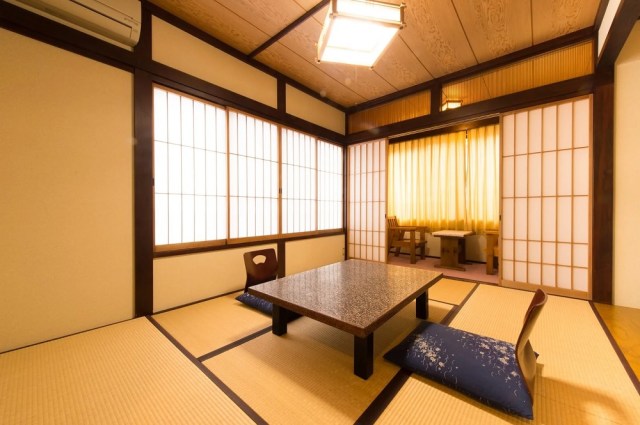
Negative reaction to unfair comparison between ryokan and hotel experiences prompts video takedown.
A big question for travelers in Japan is whether to spend the night in a modernly styled hotel or in a ryokan, as traditional Japanese inns are called. Obviously, Hilton would prefer that you choose a hotel, since that’s the category the company belongs to. But while nobody begrudges Hilton’s understandable preference in the debate, the way the company recently tried to convince people to skip staying in ryokan prompted a backlash, leading to the chain to take down one of its promotional videos.
Originally posted to the Hilton Japan YouTube channel on October 24, the video opens with a young couple standing at the front desk of a ryokan, where an employee is checking them in and also rattling off a lengthy list of rules and restrictions. “Next, the baths are open from 5 a.m. to 11 p.m.,” she says, showing that there was even more to the explanation before we joined the scene. “Dinner will be brought to your room at 6 p.m., so no matter what, please make sure that you have finished eating by 9 o’clock,” she continues, as the couple’s faces grow increasingly tense and unhappy at the continuing barrage. “Breakfast is from 7 a.m. to 10 p.m., with the last chance to order at 9:30. At around 8 o’clock, the dining room gets very crowded. Checkout is at 10 a.m. Here is your room key.”
“It’s your vacation, but you can’t relax at all,” says the narrator before the scene shifts to show the same couple in the lobby of the Conrad Tokyo, the Tokyo branch of Hilton’s luxury hotel brand.
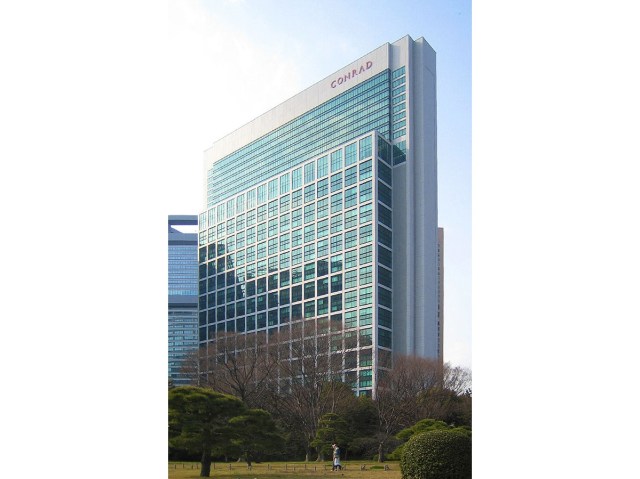
As they happily snap a selfie with the dazzling lights of the Shiodome district skyline behind them, a Conrad employee approaches them and says “If you’d like to relax a little longer, we can serve your dinner at a later time.” “Really?” the woman asks, prompting a reassuring “Yes” from the employee, before the narrator ends the video with “Your journey is different depending on where you stay” as the beaming pair later sits down to eat.
Initially, the video, which is entirely in Japanese and appears to have been created by the Hilton Japan marketing team, didn’t attract a great deal of attention. As time went by, though, it started drawing negative reactions on Japanese social media from viewers who saw the video as insulting to traditional Japanese inns, and on November 15, Hilton removed the video from its YouTube channel (though copies can still be found online, such as here). The Hilton group has also issued an apology, with a spokesperson saying “We produced the video with the intention of spotlighting warm hospitality, but it ended up upsetting viewers and members of the ryokan industry. Taking into consideration those negative reactions, we have taken down the video…We will make efforts not to repeat [this sort of thing, and] we deeply apologize.”
The video’s juxtaposition between the hotel and ryokan experience isn’t entirely without truth. At most ryokan, the traditional, communal Japanese-style baths are not open 24 hours a day. Instead of an on-the-property restaurant, ryokan typically serve their meals either in your guestroom or a dining room, with a narrower window of available mealtimes than what would be offered at a hotel restaurant, and there are sometimes other time restrictions as well, such as ryokan that shut their front gate after a certain time of night or request that guests be awake and up by a certain time so that the maids can fold and put away the futon sleeping mats.
▼ “Sir, please wake up so I can put away the futon,” is something I’ve actually had a ryokan employee say to me.
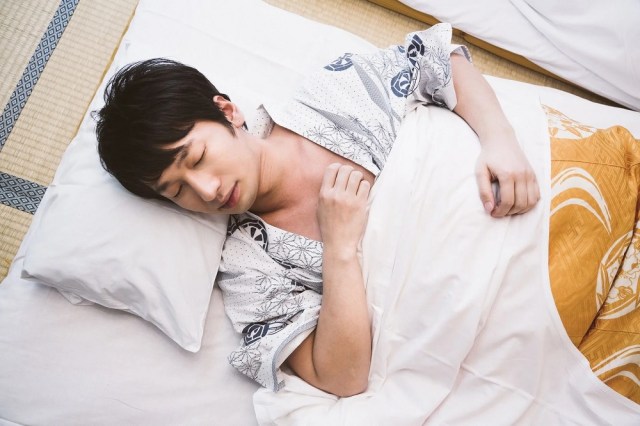
That said, the juxtaposition isn’t always as stark as the Hilton video portrayed. Hotel restaurants also have times at which they stop serving breakfast and dinner (although ryokan not offering lunch makes their breakfast deadline a little more severe). And while some ryokan communal baths being closed at certain hours of the day is the norm, many ryokan guestrooms also have an in-room shower that you can use whenever you want.
Perhaps the most questionable part of the video’s ryokan-versus-hotel portrayal is the gap in luxuriousness. The video’s ryokan interior is dim and dingy, complete with a flickering lightbulb. The couple are dressed in drab, rumpled clothes, carrying a shoulder and backpack, and with shadowy, sallow faces. When they’re at the Conrad, though? They’re dressed to the nines, the woman in a sleeveless dress and dangly earrings and the man in a sharp black blazer, dress shirt, and slacks. Neither of them is burdened with any luggage, either, having apparently either already dropped their bags in their room or entrusted them to the staff at the desk.
But both hotels and ryokan come in all sorts of swankiness levels. Just like not every hotel is as fancy as the Conrad, not every ryokan is as modestly appointed as the one shown in the Hilton video. Yes, posh ryokan are expensive, but the Conrad is about as far from cheap travel accommodations as you can get. So despite trying to frame the situation as “ryokan versus hotel,” all the video is really showing is “cheap versus expensive places to stay,” with the not surprising conclusion that spending more money gets you more luxury.
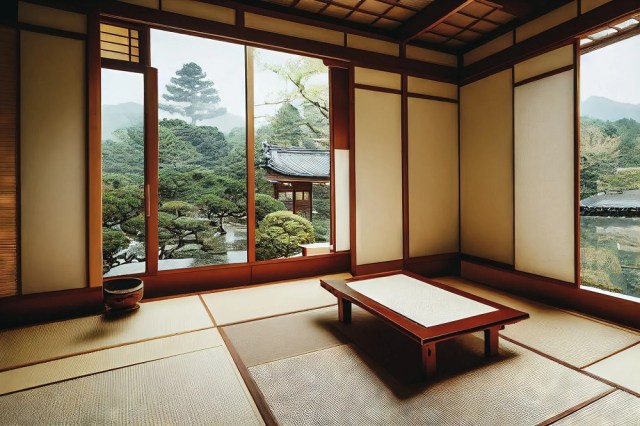
There’s one more aspect to consider, which is that many ryokan are located in Japan’s more rural areas, places where most of the sightseeing attractions are places to visit during the day and there’s not much in the way of nightlife. Because of that, a lot of travelers choosing to stay in a ryokan are planning to return to their room around dusk and be in for the rest of the night, so finishing dinner by 9 or being out of the bath by 11 isn’t really inhibiting their ability to relax and take things easy during their vacation.
Add it all up, and it’s not hard to see how the video has drawn reactions from Japanese Twitter users such as:
“This ryokan-bashing commercial is a really dirty move by Hilton.”
“The Hilton [eventually] closes its restaurants at the end of the night, and they only serve breakfast at set hours. Basically the same thing as ryokan.”
“Hilton, you don’t need to disrespect ryokan to promote yourself.”
“Pushing something else down to build yourself up is classless.”
“Hotels and ryokan both have their own good points. The video doesn’t get that.”
“I guess it’s not inaccurate, but it’s gathering up only all the negative parts about staying at a ryokan. Ryokan and hotels both have their own unique characteristics, so I pick between them depending on what kind of trip I’m planning to take.”
“I like ryokan and hotels. I stay in both.”
As shown in the reactions, not everyone in Japan loves everything about ryokan all the time. Still, ryokan still exist because they still have their own unique appeal, and even their rules and regulations sometimes contribute to an atmosphere of mutual respect between guest and innkeeper that some Japanese travelers appreciate.
All in all, picking between a hotel or ryokan can be a complex decision with several factors to consider. But the backlash to the video serves as a reminder that negative comparative advertising rarely goes over well in Japan, so even though marketing can be complicated, following the simple rule of “If you’re not going to say anything nice, don’t say anything at all” and focusing on your own company’s positives will go a long way in helping build goodwill.
Source: Maido na News, Jin, Twitter
Top image: Pakutaso
Insert images: Wikipedia/Itoshin87, Pakutaso (1, 2)
● Want to hear about SoraNews24’s latest articles as soon as they’re published? Follow us on Facebook and Twitter!
 “Oh no, I forgot to pack my Lamborghini!” Not to worry: this Tokyo hotel has got you covered
 Japan’s 10 best ryokan inns and top 10 hotels, as chosen by foreign visitors
 Foreign travelers’ lukewarm reactions to traditional Japanese inn food causing changes in Kyoto
 Ryokan etiquette: What not to do when staying at a traditional Japanese inn
 Two things to do, and two things not to do, when leaving a traditional Japanese inn
 New Pokémon anniversary song is 22 minutes long, features all 1,025 Pokémon species [Video]
 New Japanese convenience store rice balls taste like instant noodles [Taste test]
 Lego PlayStation recreates Sony’s original console, makes unusual choice for games to salute
 Kobe middle schools begin abolishing extracurricular activities, shift to community programs
 7-Eleven Japan releases new Tsukimi Moon-Viewing range for autumn, with a must-try daifuku and teriyaki burger
 Kyoto temple bans visitors from wearing kimono
 Starbucks Japan releases new coffee table book featuring 18 of the most unique stores around the country
 Japan’s revolving sushi restaurant king Sushiro coming to U.S. this fall with high prices, no tipping
 Japan’s Tsukimi One-hand Bento’s name is all wrong, but it still looks entirely delicious
 Join Naked in the Niwa garden: Kyoto Station’s newest spot to craft traditional art
 Solo travel in Japan: Hidden beer garden in Tokyo is a haven for single visitors
 Studio Ghibli unveils new anime calendars and diary planners for 2027
 Family Mart releases new Human Made Cup Noodle in Japan, with freebies for Nigo fans
 A real-world Pokémon Poké Ball hotel is opening in Japan at a still-secret location [Video]
 Japan’s first fall color forecast for 2026 is here!
 One Piece Day 2026 brings new art, music, and new cast announcements
 Tamagotchi evolves into a ring for its 30th anniversary, preorders now open
 Hobonichi unveils new 2027 planners, diaries and stationery with One Piece, Suica Penguin, Hello Kitty and a must-buy Mini Techo
 12-year-old British girl who went missing in Tokyo found safe after visiting anime sites around Yokohama
 7-year-old boy left behind on Mt. Fuji by his own dad
 Japan’s final Penguin Suica train cards have already shipped, and when they’re gone, they’re gone
 Sushi Bus: Japan’s first conveyor-belt bus lets you eat sushi while sightseeing around Tokyo
 Japanese toilet aims to attract foreign tourists but not everybody is happy about it
 New Japanese vending machine at Shinkansen station sells cups of ice on platform
 Study finds hundreds of people in Indonesia legally named after Naruto, Inuyasha, other anime stars
 Japan approves foreign resident visa renewal fee increases of up to 967 percent, starts soon
 Japan tripled its departure tax to fund tourism but is using the money on cherry blossoms and bears
 Japan announces sudden 400-percent increase in visa fees for foreigners entering the country
 Japan’s human washing machines will go on sale to general public, demos to be held in Tokyo
 Studio Ghibli has a new anime out, and there’s only one place in the world where you can see it
 Starbucks Japan releases new drinkware and goods for Valentine’s Day
 Starbucks Japan releases new sakura goods and drinkware for cherry blossom season 2026
 Japan’s newest Shinkansen has no seats…or passengers [Video]
 Tokyo subway installing new ticket gates that don’t accept payment through Suica or other IC cards
 Japanese ninja certification exam attracts 131 candidates from Japan and abroad
 Salomon releases Japan-exclusive Mt. Fuji hiking gear that doubles as an amazing souvenir
 Put sesame oil in your coffee? Japanese maker says it’s the best way to start your day【Taste test】
 Japanese-style accommodation at the new Premium Dormy Inn hotel in Asakusa will blow your mind
 Japanese travellers give their answers to the Hotel vs. Ryokan Japanese inn debate
 Japanese inn’s first foreign guests disappear without paying – “We feel so betrayed”
 Step into the old pleasure quarters of a former red light district at this Japanese inn
 Japanese pot sticker restaurant chain also runs flat-rate hot spring inn, but is it worth staying at?
 The 10 best ryokan inns in Japan, as chosen by travelers
 Survey reveals the most popular time to slip into a yukata at a traditional Japanese inn
 Rakuten Travel reveals the top 5 best-rated, off-the-beaten-track Japanese ryokan inns
 Traditional Japanese inn offers ultimate amenity: A cat companion to spend the night with
 Writer’s retreat ryokan — Tokyo inn treats you like novelist on deadline, with strict “editors”
 Cool traditional Japanese inn lets customers tidy up their room with a click of a button【Video】
 Low-cost Japanese inn welcomes foreign guests with hot springs, sake tastings, cosplay backdrops
 Travel back in time to this timeless Japanese hot spring inn from the Taisho period【Photos】
 New hotel with Osaka Castle view is one of the best places to stay in Japan
 Doll otaku’s plastic bedmate gets loving hospitality from beautiful Japanese hot spring inn
 “The best ryokan I’ve ever visited” – A photo tour of Akita Prefecture’s Miyakowasure inn
