Previous music, which overlaps with a well-known song in the west, deemed not understandable by many foreign shoppers.
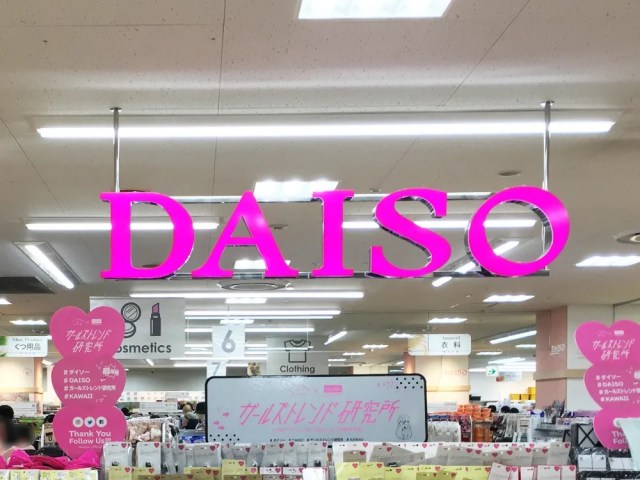
Daiso has long been Japan’s most popular 100 yen store, but as it gains more and more international recognition, so too does it face new challenges. One of the more unusual ones involves the song “Hotaru no Hikari.”
In Japan, Daiso, like many other retailers, plays an instrumental version of “Hotaru no Hikari,” which is the exact same melody as “Auld Lang Syne,” to subtly tell shoppers that the store will be closing soon, and to indirectly ask that they quickly proceed to the register to make any purchases. However, recently Daiso has come to realize that “Hotaru no Hikari”/“Auld Lang Syne” doesn’t trigger the same “Oh, I’d better wrap up my browsing” response from foreign shoppers. In response, the company recently announced that it was developing a new piece of music, with the help of the marketing department of Waseda University and in-store music provider USEN, that it hopes will be easier for foreign shoppers to understand the intended message of.
With “a feeling of nostalgia” and “a relaxing melody” as design points, the creative partners have produced “Good Day–Heiten no Ongaku,” or “Good Day-Music for Store Closing,” which has now made its debut in Daiso stores in Japan and can be heard at the point cued in the video below.
“Our goal was to create a piece of music that, in a discreet, non-forceful way, shows that the store is closing, and that will have shoppers thinking, ‘I’m glad I came to this store’ and ‘I want to come to this store again,’” said a USEN spokesperson in discussing the development process. “We expect that when people from any country hear [“Good Day–Heiten no Ongaku”], they will think ‘Ah, the store is closing’ and exit the store pleasantly,” added the head of Daiso’s global public relations division.
So is “Good Day–Heiten no Ongaku” going to work as intended? The presentation of interviews with foreigners in the above video, in which they describe the new music as cute, cozy, and sound “comparatively more like a shop that’s closing” than “Hotaru no Hikari”/“Auld Lang Syne” feel a little self-congratulatory, and might be missing a few key points.
There are two reasons why “Hotaru no Hikari” might not have foreign shoppers thinking it’s time to go home. One is that, since “Hotaru no Hikari” sounds identical to “Auld Lang Syne,” the music already sends a different message to most foreigners, and that message is “Happy New Year!” Daiso might be patting itself on the back about interviewees saying “Good Day–Heiten no Ongaku” sounds more “like a shop that’s closing” than “Hotaru no Hikari,” but that’s a pretty low bar, and one that arguably gets cleared not so much because of how “Good Day–Heiten no Ongaku” sounds like a store closing, but because “Hotaru no Hikari” specifically sounds like something else.
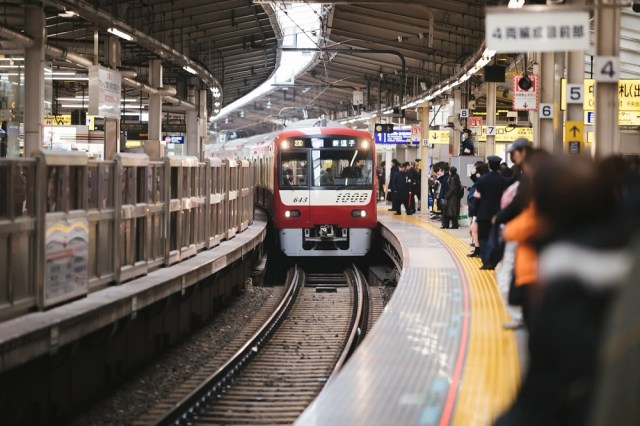
▼ It’s like saying “The Battle Hymn of the Republic” is a more effective piece of music than “Happy Birthday to You” to use to announce the arrival of a train. Sure, that’s comparatively correct, but it’s debatable whether either one is going to make people think of a train.
But really, the key issue is less “Hotaru no Hikari” doesn’t sound enough like a store-closing song to foreigners and more that most foreign shoppers don’t have a concept of using instrumental music to imply that a store is closing. Going back to the design phase for “Good Day–Heiten no Ongaku,” Daiso and its partners say they wanted a melody that was nostalgic and calming. Those are already descriptions that can be applied to “Hotaru no Hikari.” Even if “Good Day–Heiten no Ongaku” sounds more nostalgic and calming, that doesn’t address the core problem: calm, nostalgic music doesn’t really carry the message of “Store’s closing!” to foreign shoppers.
With Japan’s cultural emphasis on hospitality and earnest effort in any and all professions, customer service interactions tend to be somewhat idealized, which might be why music that encourages a moment of soothing, nostalgic reflection makes for an easy mental connection for Japanese shoppers. For those from countries where the end of the business day isn’t ever romanticized as the so-sweet parting between clerks and customers until the morrow, however, “Good Day–Heiten no Ongaku” might not be the closing-time aural indicator that Daiso hopes it will be.
All that said, a nice piece of music is, without question, a nicer way of trying to encourage customers to finish their shopping than having someone blare into the P.A. system that “We’re closing in five minutes.” And with Daiso itself trying to spread awareness of “Good Day–Heiten no Ongaku” and its intended purpose, maybe that itself will help get the message across more so than the music itself.
Source: Teleasa News
Top image ©SoraNews24
Insert image: Pakutaso
● Want to hear about SoraNews24’s latest articles as soon as they’re published? Follow us on Facebook and Twitter!
Follow Casey on Twitter, where he’s been in Japan long enough that “The Battle Hymn of the Republic” does convey the message of “Low prices on home electronics!” to him.