
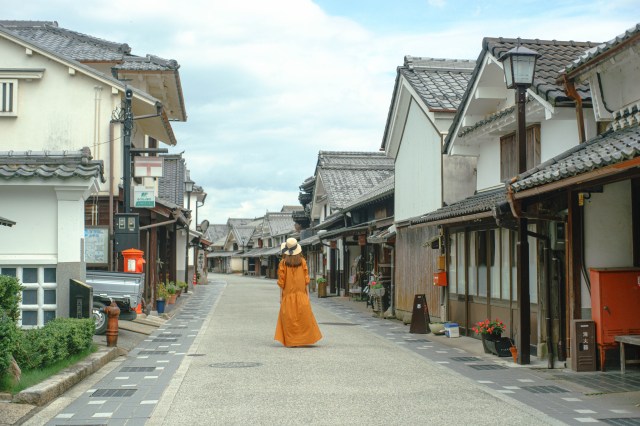
The quest to let Japan’s historical sites shine bright continues on.
From stunning cherry blossom trees lining rivers to breathtaking views of Mt. Fuji standing dominantly on the horizon, Japan’s scenery inspires endless fantasies. However, take a step off the plane, with camera in hand, and your much-anticipated holiday snaps may reveal an unexpected and unwelcome guest: overhead power lines. Crisscrossing through the streets, these cables seem to take every chance to join you on your journey.
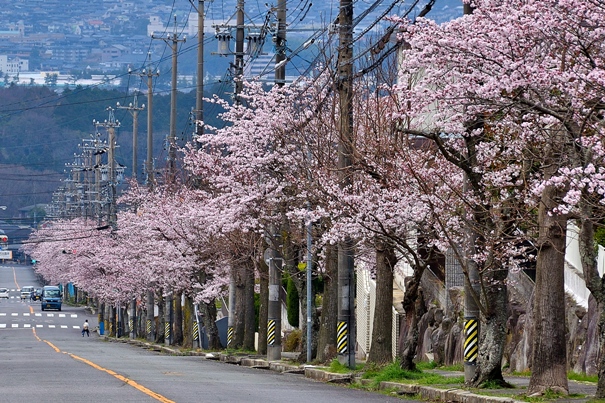
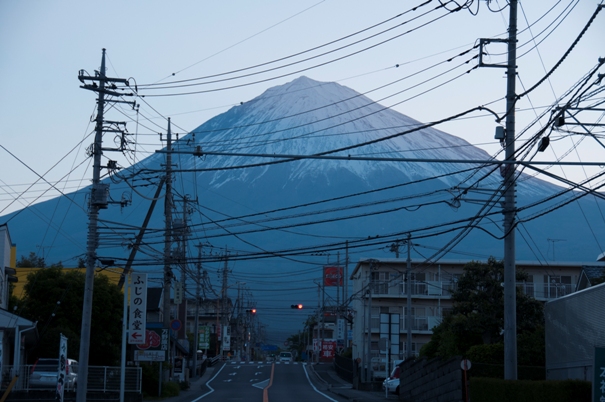
Tourists cry out in dismay as they battle with these urban vines—twisting and tilting their cameras, desperate to capture those perfect memories. However, there are good reasons why Japan has lagged behind other countries in removing overhead cables. Cost will always be a major reason, but other factors, like ease of repairs in times of disaster, also play a part.
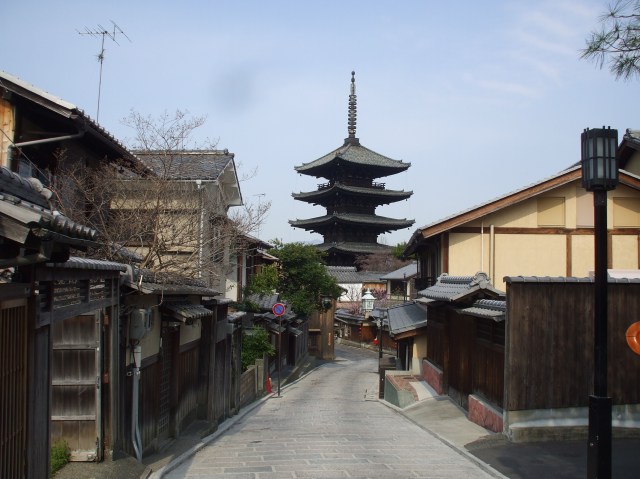
That’s not to say that all hope is lost. Efforts to preserve historical charm in traditional spots, particularly those beloved by tourists, like Kyoto’s Higashiyama district, have been ongoing for years and have included relocating power lines to underground, opening up great social media opportunities for eager photographers.
▼ A web of wires on Yasaka Street, Kyoto
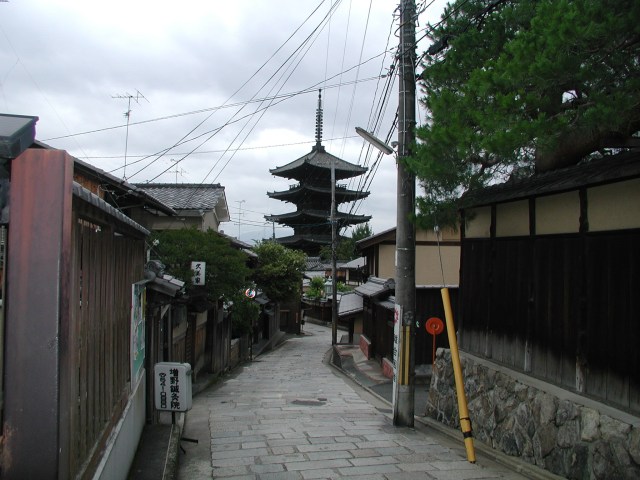
▼ Yasaka Street after the power line removal in 2010
Back in 2017, as part of the Ministry of Land, Infrastructure, Transport and Tourism’s movement for scenic urban renewal, the city of Tamba-Sasayama in Hyogo Prefecture was selected to be a model district and work was begun to remove the unsightly electrical cables that disrupted the traditional atmosphere of the castle town area.
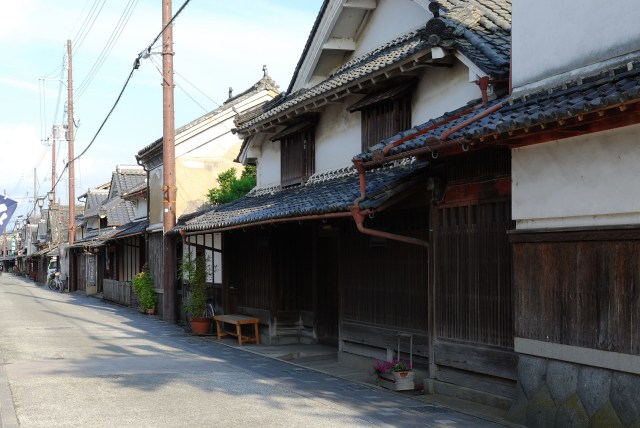
By 2021, all of the utility poles along Kawaramachi Street had been removed, restoring its historical charm and beauty, creating a sense of having traveled through time when you gaze past the houses.
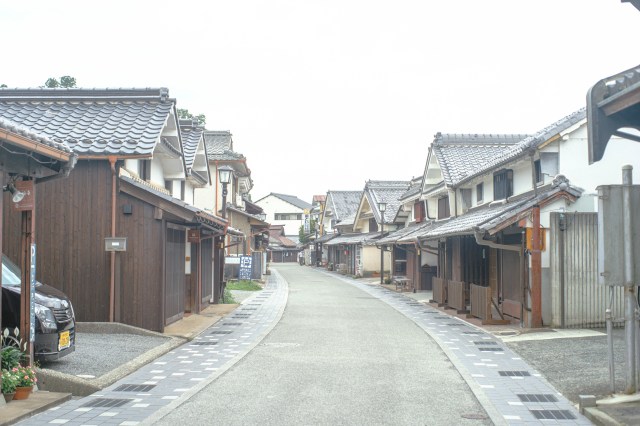
Strolling through the Kawaramachi Tsumairi Merchant District nowadays, visitors will find a seamless mix of old and new. Long-established pottery shops and newly-opened, stylish cafes stand side-by-side, all mostly housed in traditional tsumairi-style buildings featuring the distinctive characteristics of a narrow front when viewed from the street and a surprisingly deep interior. This unique architecture has persisted since the area’s original development around 1612, following the construction of the nearby Sasayama Castle in 1609.
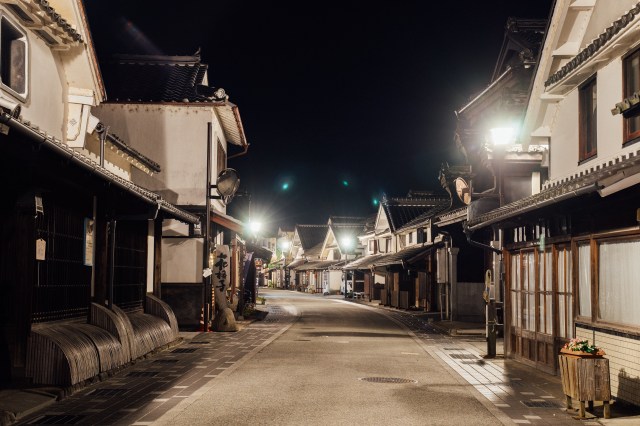
This year marks the 20th anniversary of the area’s recognition as an Important Preservation District for Groups of Traditional Buildings by the Japanese Government.
Though Tokyo’s transformation into a wire-free city, along with rest of Japan, may still be a long way off, there is progress being made. In the meantime, Kawaramachi Tsumairi Merchant District offers a sneak peek into what’s in store for other historical areas. So, next time you find yourself despairing at Japan’s electrical canopy, pop over to Kawaramachi or the equally attractive Kawagoe in Saitama.
Source: PR Times
Top image: PR Times
Insert images: PR Times, Kyoto City Official Website, PR Times (2)
● Want to hear about SoraNews24’s latest articles as soon as they’re published? Follow us on Facebook and Twitter!