Theme park prohibition strangely opens the door to a new kind of creative freedom.
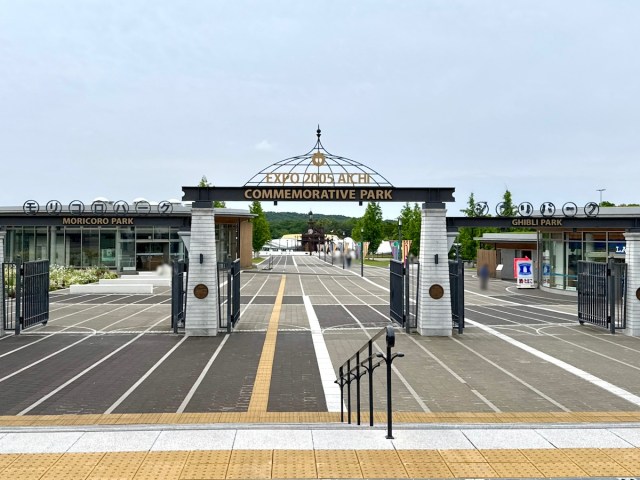
When you visit Ghibli Park in Nagakute City, Aichi Prefecture, you’ll find a vast array of attractions, including life-sized buildings that look like they’ve jumped straight out of a Studio Ghibli film. However, if you research the park beforehand to see what the rooms inside these buildings look like, you’ll notice something else: there isn’t a wide variety of interior photos on social media.
That might sound odd, given Ghibli’s worldwide fame and loyal fanbase, but the lack of photos doesn’t mean there’s no desire to share them online. Rather, it’s because photography is strictly prohibited inside most of the buildings. Instead, the park limits interior photos to the Becoming Characters in Memorable Ghibli Scenes exhibit inside Ghibli’s Grand Warehouse, where visitors can step into life-sized dioramas depicting 14 famous film scenes.
All of this came as a surprise to our Japanese-language reporter Saya Togashi when she visited the park for the first time recently. Unaware of the photography ban in the large majority of the buildings, her initial disappointment turned into an eye-opening experience both literally and figuratively, so she decided to share some thoughts on the ban and the surprising effect it had on her visit.
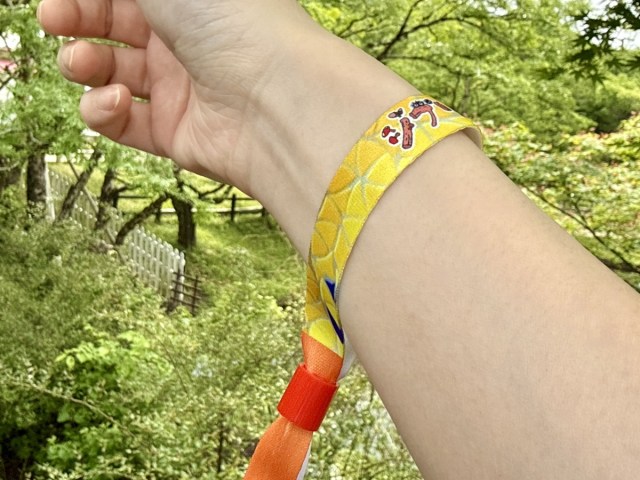
▼ Saya with her Ghibli Park entry band.
1. People don’t linger to take photos
The most obvious benefit to come from the ban is the fact that it prevents people from lingering too long in an area while trying to capture the perfect shot. Every exhibit presents a perfect photo opportunity, as each display creates an ideal backdrop that makes visitors look as though they’ve stepped into an anime world, and the attention to detail in the objects inside the buildings is so impressive that you could take hundreds of photos and it still wouldn’t be enough, which is why the ban feels necessary.
With so many small rooms inside, there isn’t much space to move around – even if one person stopped to take a picture it would cause a huge holdup for visitors. The photography ban ensures the crowds move smoothly through the exhibits, creating a more pleasant environment for everyone to enjoy what they’re seeing.
Another advantage is the absence of live video streamers. Even when they aren’t being intentionally disruptive, live streaming can cause anxiety for people nearby, as not everyone wants their face broadcast around the world without consent. In a country like Japan, where publishing identifiable photos of people without permission may violate privacy or image rights, the absence of cameras creates a sense of ease and safety that allows everyone to relax.
2. Visitors can concentrate on what’s in front of them
When you can’t take pictures, or when you don’t have your smartphone in your hand, something beautiful happens: you naturally start to focus on what’s in front of you. Though photography may be prohibited, visitors are allowed to touch many of the exhibits, engaging the sense of touch and creating a multi-sensory experience that benefits from full attention. This gesture of goodwill by the park, which prioritises the visitor experience over concerns about theft or damage, helps nurture an environment of care and respect that you might not find in other amusement parks.

In Mei and Satsuki’s House, for instance, opening a closet door reveals bedding and pyjamas belonging to the Kusakabe family, who star in the film My Neighbour Totoro. The dresser contains the father’s clothes, which carry a faint smell of mothballs. You can search for the stairs leading to the second floor, just like in the movie, and even find Mei’s hat. It’s a continuous stream of discoveries that gives you a great sense of satisfaction in finding things for yourself.
Without the scrutiny of a smartphone screen, our senses become sharper. The small size of Mei’s clothes and the way they feel in your hand, the creaking of the closet, the sense of everyday life emanating from the old dishes in the kitchen – these are now vividly etched into Saya’s memory as real lived experiences.
In the documentary Until Ghibli Park is Finished, director Goro Miyazaki told his staff, “It’s good to touch the house as much as possible, like refolding clothes as if you were actually living there.” That sense of bringing the house to life is clearly evident, and it allows visitors to appreciate just how impressive it is that Satsuki and Mei’s House is built to be fully functional, with features such as a wood-fired stove for boiling water and a hearth for cooking rice. If God is in the details, so is Studio Ghibli.
3. There are no spoilers
In this era where everyone is a photographer, any place and any event can be easily experienced virtually through the Internet. Although we might know there are things that can only be understood by being there and experiencing them firsthand, videos and images can have a huge impact on our perception.
At Ghibli Park, however, very little prior information is available beyond officially released details about the different rooms and exhibits. Since photography is prohibited indoors in many areas of the park, visitors experience the spaces with almost no spoilers beforehand.
Because you encounter the actual settings and objects without prior exposure, everything feels fresh and surprising. Saya felt this especially strongly in Howl’s Moving Castle, where she had goosebumps after stepping into the dimly lit castle from the bright outdoors. Once your eyes adjust, you’re overwhelmed by the sheer volume of cluttered everyday objects and magical items laid out in front of you, appearing just as it was in the movie.

Although it’s an area visitors can’t touch, Howl’s bedroom, meticulously recreated with small objects, sounds, lights, and movements, is a must-see. It’s truly moving to witness something you’ve only ever seen in the 2-D anime world come to life before your eyes, complete with weight, scent, and texture.
Sure, Ghibli Park might not have big rides with elaborate special effects or dazzling shows, but that’s actually its charm. The dedication to creating special spaces and the sheer scale of its construction surpasses those of many world-class theme parks, and it’s something you can sense in every area.
After visiting the park, Saya came to realise the merits and demerits of modern theme parks that rely on social media sharing. Keen to update their operational policies to keep pace with the times, theme parks are shifting from being places where visitors immerse themselves in carefully crafted worlds and becoming platforms for sharing experiences, primarily through social media.
Saya has felt the tide turn firsthand at Disney Resorts, where she used to attend the New Year’s Eve countdown event every year. Although getting tickets was always a bit of a struggle, once you were inside the park, you could easily enjoy all the events, like watching shows, enjoying limited-edition food and drinks, and buying New Year’s items, without the need for any special strategy or plan. Of course, there were lines, but as long as visitors waited patiently, they could achieve their theme park goals, especially as visitors wandered the grounds discovering things along the way.

However, one year things changed. Even immediately after opening, the shelves for New Year’s items were empty, special menu items were all sold out, and the atmosphere at events became tense, with staff shouting to control crowds as people scrambled to secure prime viewing spots. This was around the time when the social media culture of sharing one’s own experiences and the business of profiting from reselling began. It created a world of competition and anxiety, where people have to work harder to buy the things they want and experience the things they want to experience — things that once felt much simpler before the age of social media.
This isn’t necessarily a bad thing for the theme parks themselves; the spread of information on social media and the increased rarity of merchandise are simply the result of fans’ enthusiasm. However, it does have an impact on the visitor experience, and after visiting Ghibli Park, Saya walked away with her eyes opened to what can be possible when visitors are prioritised over financial profit. By creating sensory worlds that can’t be fully captured in photographs, Ghibli Park encourages visitors to engage with the world around them, fostering face-to-face communication and a sense of adventure that lies at the heart of every Ghibli film.
Photos©SoraNews24
● Want to hear about SoraNews24’s latest articles as soon as they’re published? Follow us on Facebook and Twitter!
[ Read in Japanese ]