
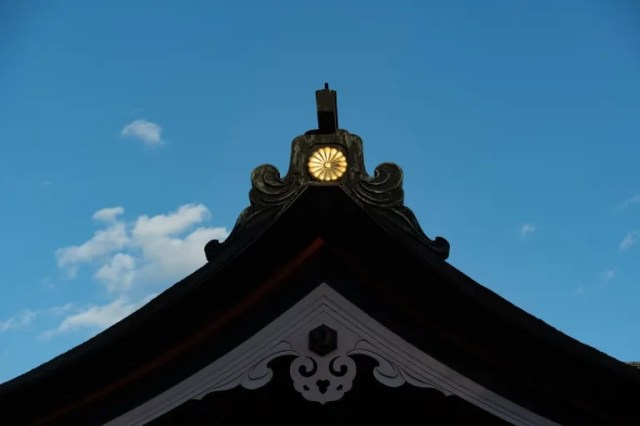
Quiet culture and beauty are waiting at Fujisan Hongu Sengen Taisha.
In recent years, Japan’s most prominent temples and shrines have become increasingly crowded, particularly as surging inbound international tourist numbers create a constant stream of travelers looking for intrinsically Japanese sights to see. We could spend several days debating the pros and cons of this, weighing the loss of solemn quietude against the revitalization of the surrounding communities, and even taking into consideration the secular, sightseeing-like appeals of shrine/temple travel that Japanese domestic travelers have enjoyed for generations.
Still, there’s no denying that the most major shrines and temples of Tokyo, Nara, and Kyoto in particular have gotten at least a little too crowded for some people’s tastes these days. With the Japan travel boom not showing signs of slowing down anytime soon, it might be time to start exploring places a little farther off the thoroughly beaten tourist path, and that recently took us to Fujisan Hongu Sengen Taisha in the town of Fujinomiya, Shizuoka Prefecture.
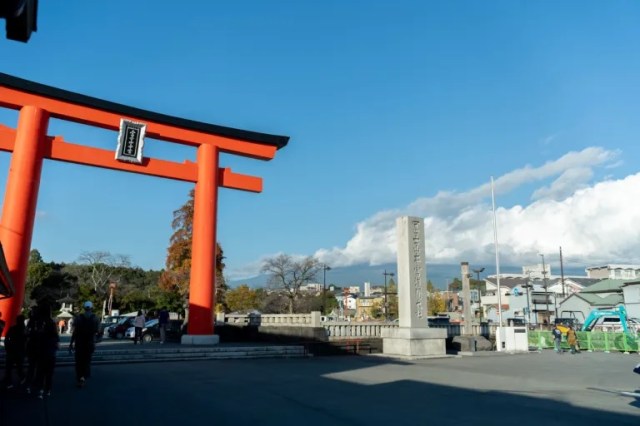
If those mentions of “Fuji” have you thinking of Mt. Fuji, you’re spot-on. Fujisan Hongu Sengen Taisha is the head shrine of the many Sengan shrines (also sometimes called Asama shrines) that can be found across Japan, and their primary object of worship is Mt. Fuji.
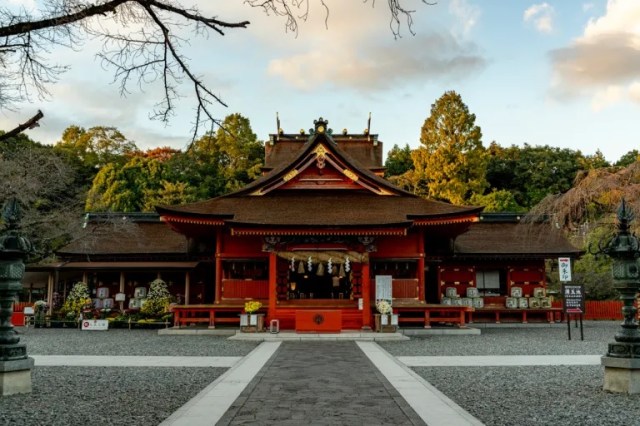
Fujisan Hongu Sengen Taisha may not be as opulent or as suited for implementation as social media like-bait as Japan’s more famous shrines, but it has a quiet beauty of its own, and also plenty of cultural significance. The current main building was constructed in 1604 with shogun Tokugawa Ieyasu as its sponsor, but the shrine itself is said to have been founded roughly 2,000 years ago. Sitting to the southwest of Mt. Fuji, Fujisan Hongu Sengen Taisha is along the route pilgrims to the mountain would take on their way from Kyoto, earning it a reputation as the traditional “entrance” to Japan’s tallest mountain before the capital was moved to Kyoto and travel patterns shifted so that more visitors now approach Mt. Fuji from the north and east.
Fujisan Hongu Sengen Taisha is also associated with Konohanasakuya-hime. Konohanasakuya-hime, also known as Sakuya-hime for short, is a goddess who appears in Japanese folklore, where she’s often referred to as one of the most beautiful of all divine beings. When Sakuya-hime became pregnant shortly after her marriage to the god Ninigi-no-Mikoto, in order to prove that the children she was bearing were indeed her husband’s, Sakuya-hime sealed herself in a hut and set it ablaze, asserting that the flames would not harm Ninigi-no-Mikoto’s children, and the subsequent safe birth of three healthy boys led to Konohanasakuya-hime being seen as a source of divine protection against fires and provider of safe births.
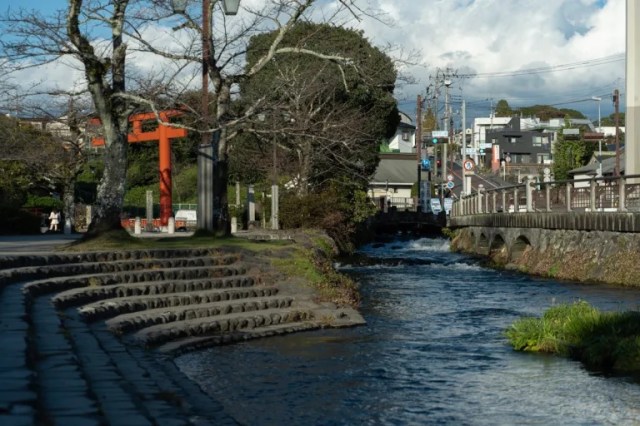
Near the entrance to the shrine is a stream, and following it just a short ways upriver brings you to Wakutama Pond and its pristinely clear water.
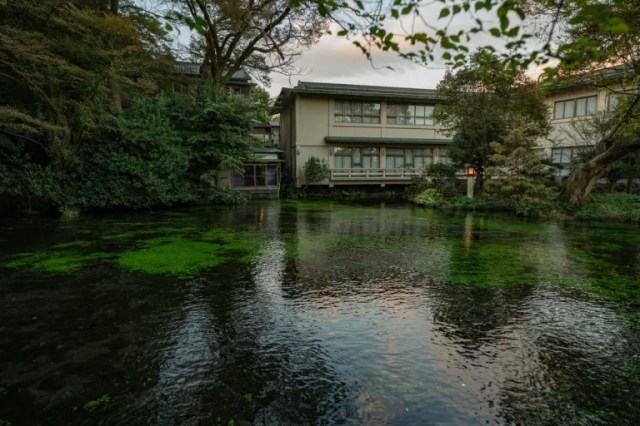
The pond formed some 10,000 years ago, carved into the earth by lava flowing from Mt. Fuji. Once the basin cooled and hardened, it filled with rain and winter snow melting from the mountain, and pilgrims on their way to summit Fuji would first purify their bodies by bathing in the pond.
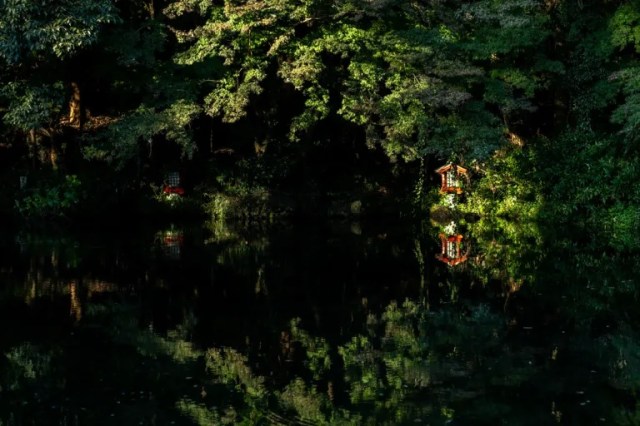
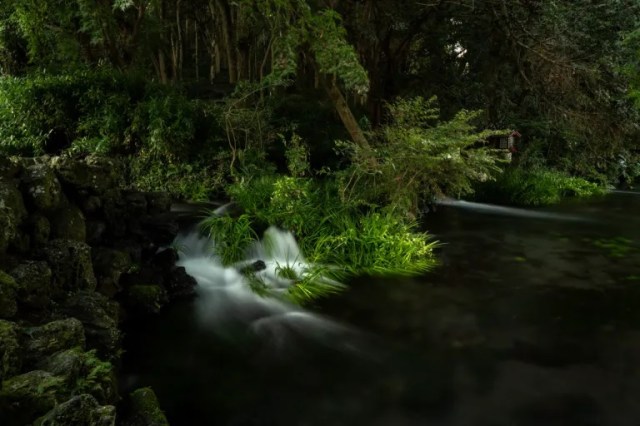
Fujisan Hongu Sengen Taisha is especially lovely in the spring, when the hundreds of cherry blossom trees on its grounds flower, and the shrine also holds demonstrations of yabusame (horseback archery) each May. Making an off-season visit, though, allowed us to take in the sights without fighting crowds, something that’s becoming harder to do at many other shrines these days.
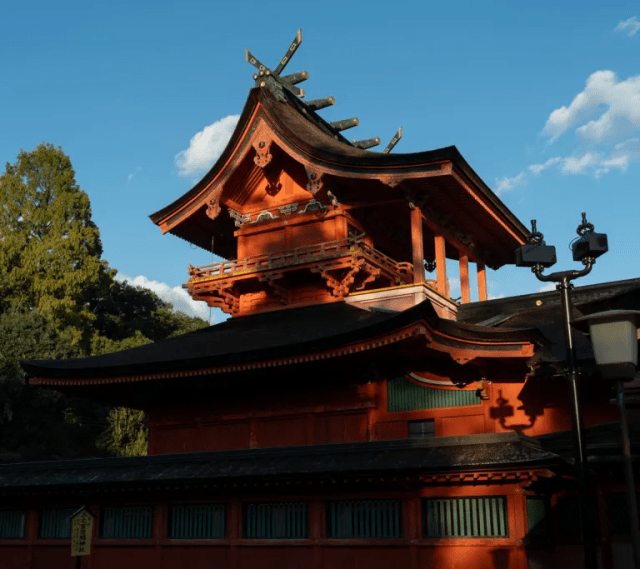
▼ This sort of two-story construction is a unique architectural trait of Sengen/Asama shrines.
At the same time, Fujisan Hongu Sengen Taisha is a relatively easily accessible place to visit. It’s just a 15-minute walk from Fujinomiya Station on the Minobu Line (which connects the Mt. Fuji area with Kofu, Yamanashi’s prefectural capital city), and about 30 minutes by taxi/bus from Shin Fuji Station on the Tokaido Shinkansen.
▼ The walk from Fujinomiya Station to Fujisan Hongu Sengen Taisha
▼ The town of Fujinomiya itself also offers adequate travel amenities, like this cafe we found on the approach to the shrine grounds.
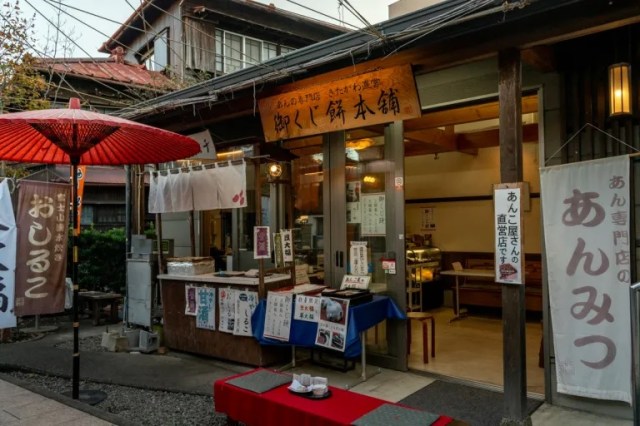
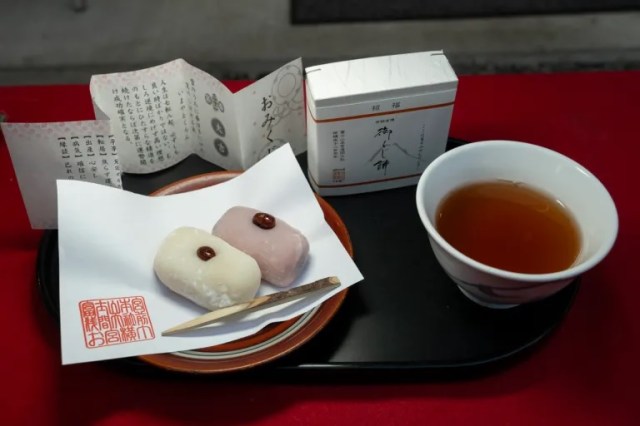
So should you ever catch yourself sighing, grinding your teeth, or otherwise upset about how crowded some of Japan’s shrines and temples are getting, just remember that there are more to discover with a little extra searching.
Related: Fujisan Hongu Sengen Taisha
Photos ©SoraNews24
● Want to hear about SoraNews24’s latest articles as soon as they’re published? Follow us on Facebook and Twitter!
 Japan now has a “for foreign tourists only” Mt. Fuji sightseeing train[Video]
 All Mt. Fuji summit trails are now closed as hiking season ends
 Price to climb Mt. Fuji will double, trail gates will close earlier if new plan is approved
 Mount Fuji has become so congested with tourists that it has reached breaking point
 Enjoy the hydrangeas, birds, and more at Fuji Kachoen Garden Park in Shizuoka Prefecture
 Wisteria season starts early with blooming of Japan’s Great Wisteria in its beautiful garden
 Japanese bento shop sells croquettes for 13 cents, but are they any good?
 Japan has new rules for bicycle riders, and these 14 things could get you a fine or a court date
 Japan’s best conveyor belt sushi restaurant of seven years ago has now, finally, come to Tokyo
 Final version of Sanrio: Beginning of Kawaii exhibition opens in Tokyo[Photos]
 Japanese government wants overseas anime market to roughly triple in 10 years, but are they crazy?
 Starbucks Japan releases FIVE new Frappuccinos in a day, and we try them all in 90 minutes
 Drink vending machines disappearing in Japan as number drops to lowest in 30 years
 You don’t have to go all the way to Haneda to find a vending machine that sells airplane meals
 New Travelling Bento pouches turn your luggage into a Japanese lunch box
 Japan reportedly adding Japanese language skill requirement to most common foreigner work visa
 Mt. Fuji decorated with a 500,000-flower pink carpet is Japan’s ultimate spring view
 Lawson convenience store at popular tourist site is one of the most unusual in Japan
 Japanese trains in Sapporo might be better than those in Tokyo, thanks to one special feature
 30 Pikachus want to share a Tokyo hotel room with you that has separate Grass, Water, Fire spaces
 Man bites woman at cherry blossom park in Japan, dies shortly after
 Howl’s Moving Castle’s scene-stealing dog is here to clean your home as a plushie mop
 Pokémon and Ikea Japan cross over into each other’s worlds with collaboration events
 Japan now has a special desk for people who work at home with a pet cat[Photos]
 Famous Tokyo cherry blossom spot installs view-blocking screens to fight overcrowding[Video]
 Uniqlo announces new T-shirts for One Piece, Naruto and more for manga publisher’s 100th birthday
 Train station platform ramen store closes its doors on half a century of history in Tokyo
 Starbucks Japan releases new My Fruit³ Frappuccino at only 34 stores around the country
 Krispy Kreme releases Super Mario doughnuts in Japan for a limited time
 Survey asks foreign tourists what bothered them in Japan, more than half gave same answer
 Japan’s human washing machines will go on sale to general public, demos to be held in Tokyo
 Starbucks Japan releases new drinkware and goods for Valentine’s Day
 We deeply regret going into this tunnel on our walk in the mountains of Japan
 Starbucks Japan releases new sakura goods and drinkware for cherry blossom season 2026
 Studio Ghibli releases Kodama forest spirits from Princess Mononoke to light up your home
 Japan’s newest Shinkansen has no seats…or passengers [Video]
 Major Japanese hotel chain says reservations via overseas booking sites may not be valid
 Put sesame oil in your coffee? Japanese maker says it’s the best way to start your day【Taste test】
 No more using real katana for tourism activities, Japan’s National Police Agency says
 7 great places to see Mt. Fuji from without having to climb it
 Japan’s most competitive neighboring prefectures are revealed in a recent survey
 How to climb Mt. Fuji in 2025
 Two Americans decide to hike Mt. Fuji before trails open, both need rescues on back-to-back days
 Fujisan View Express: A train journey to Mt Fuji so stylish you’ll never want it to end
 Cost to climb Mt. Fuji doubles, some hikers may have to pass test before getting on trail
 “Floating” Mt Fuji and shrine gates capture the hidden beauty of Japan【Photos】
 What’s it really like to climb Mt Fuji?
 Mt. Fuji decorated with a 500,000-flower pink carpet is Japan’s ultimate spring view
 Mt. Fuji-blocking screen installed as response to bad tourist manners to be in place by next week
 Toll fees officially added to Mt. Fuji hiking trail
 14 tips for visiting the Mt Fuji Shibazakura Festival, where beautiful “lawn sakura” blossom
 Mt Fuji Lawson view now blocked by screens, but will it stop bad-mannered tourists?
 Onsen hot spring with Mt Fuji views has one of the best rotenburo in Japan
 Mt. Fuji hiking trail reservation system and advance payment details released