Asakusa (Page 5)
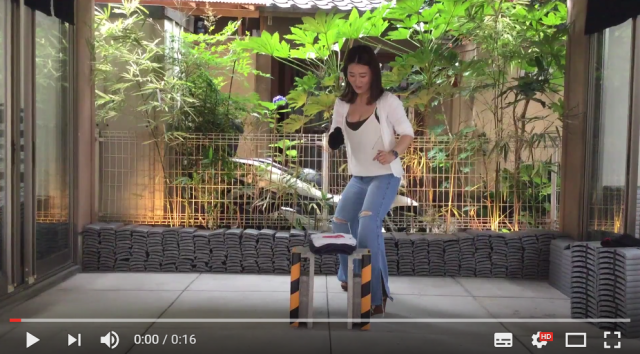
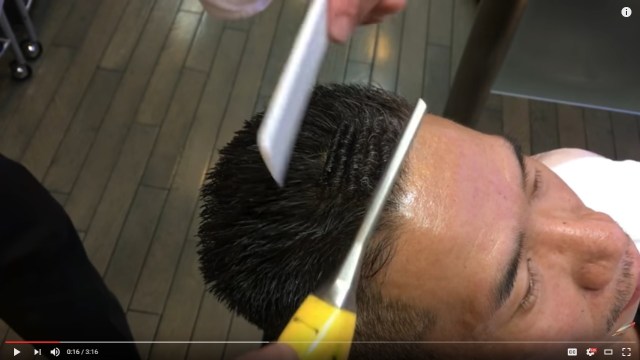
Mr. Sato experiences a classic of Japanese hairstyling from the Showa Era to get in touch with… Eh, okay. He lost a bet.
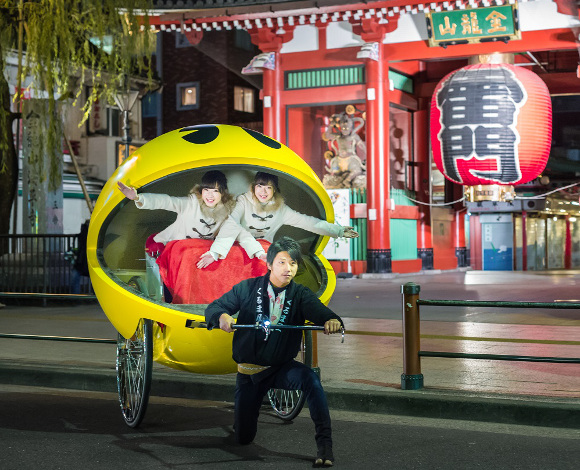
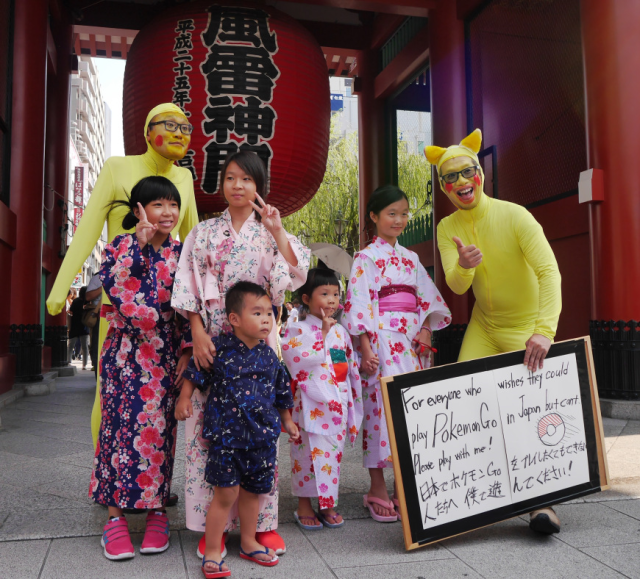
The magical rides include mysterious “invisible” ghosts chasing the carriage, which can be seen by passers-by.
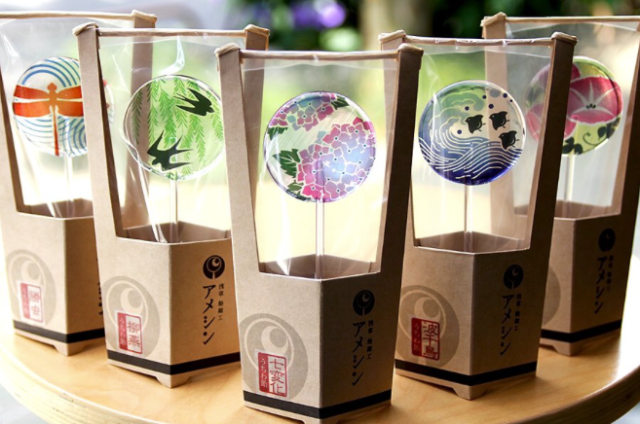
Designed to resemble traditional uchiwa fans, these exquisite lollipops are amongst the prettiest sweets in Tokyo.
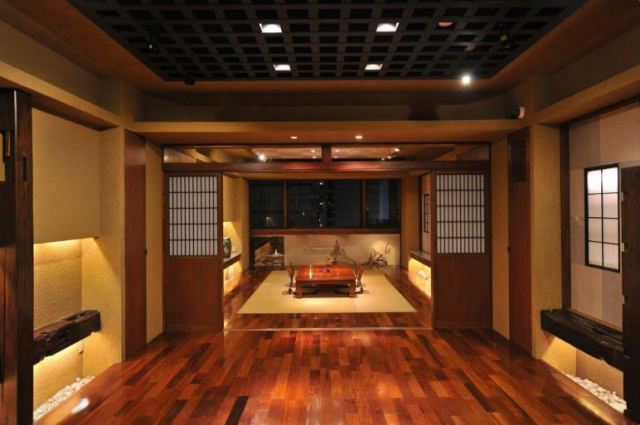
Khaosan Tokyo Samurai Capsule is stylized after a traditional Japanese tea house and is in a prime Tokyo location to boot.
Read More
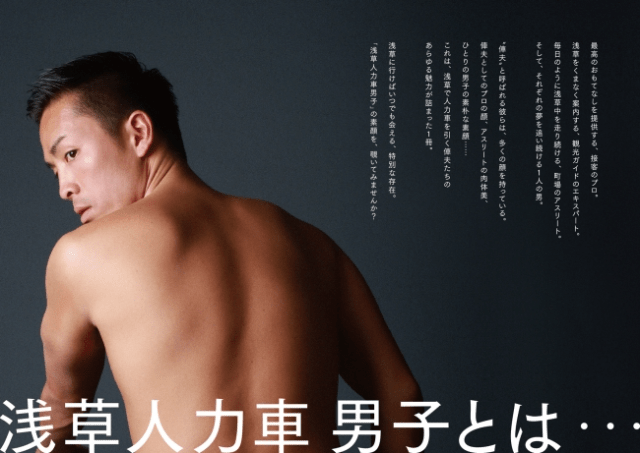
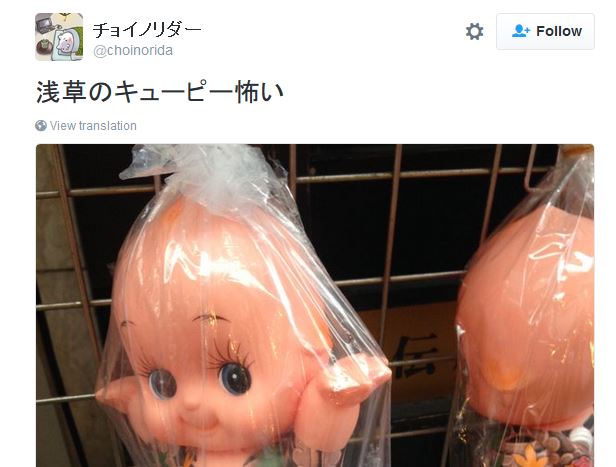
You can take a doll out of the store, but the staff will have to cut off one of its fingers first…
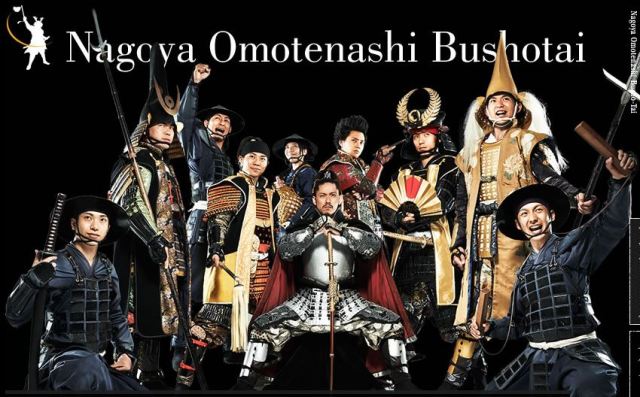
Next weekend, handsome versions of some of Japan’s most prominent historical military figures will grace the stage in Asakusa for an interactive, foreigner-friendly show!
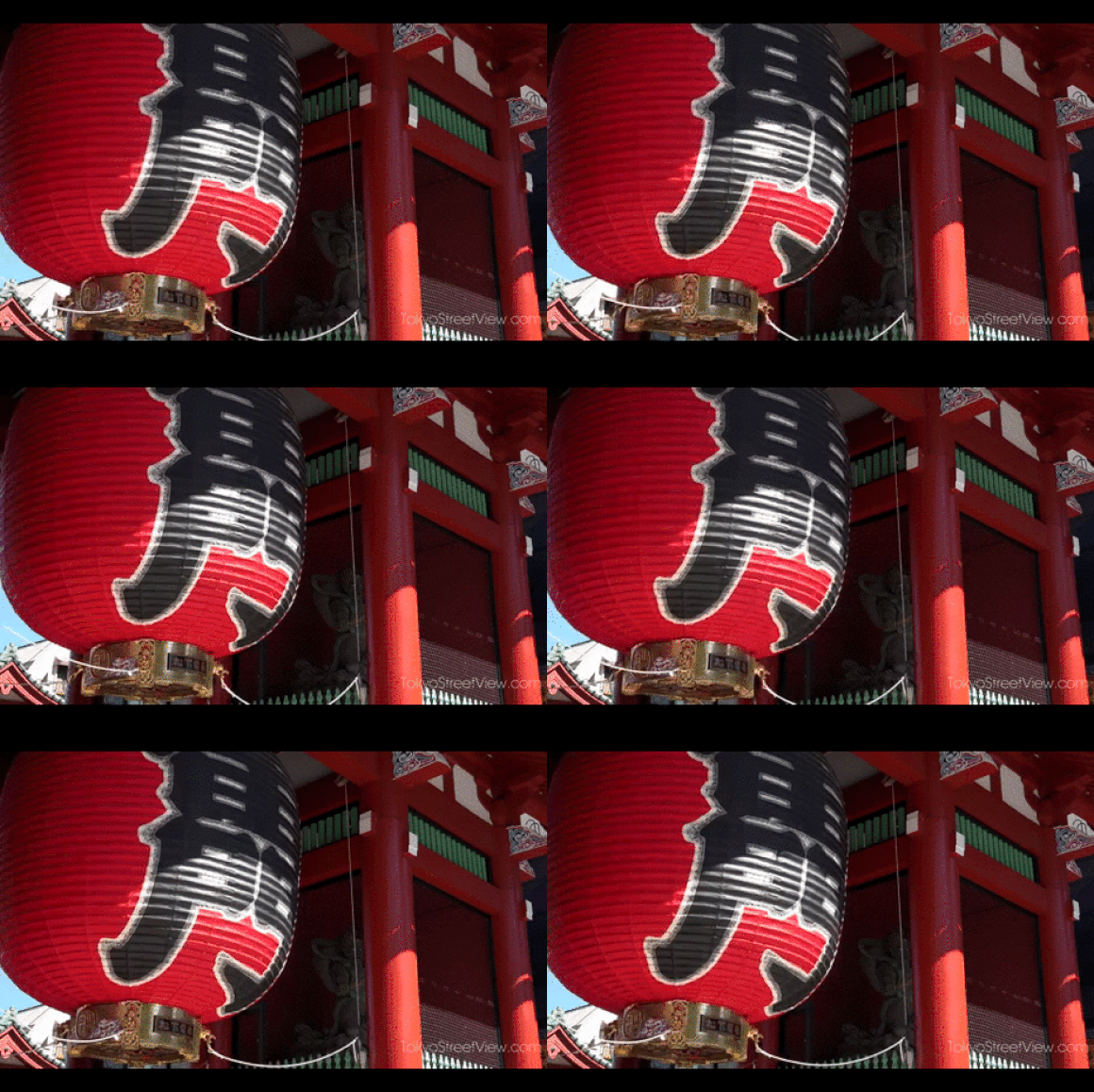
There are many beautiful videos of Japan floating around on YouTube, but there’s one special channel that’s aiming to stand head and shoulders above the rest. Called TokyoStreetView – Japan The Beautiful, this is an ongoing project that’s working towards compiling a library of high definition 4K videos, showcasing unique aspects of Japanese culture and featuring beautiful locations all around the country.
We take a look at four of their stunning videos, filmed within the nation’s capital, at Akihabara and the famous Senso-ji temple in Asakusa, and in its more picturesque regional areas, at Nikko and Ise Grand Shrine in Mie Prefecture. The superb, high quality of the images is so remarkable, you’ll feel as if you’re seeing the country not through a lens but through your very own eyes!
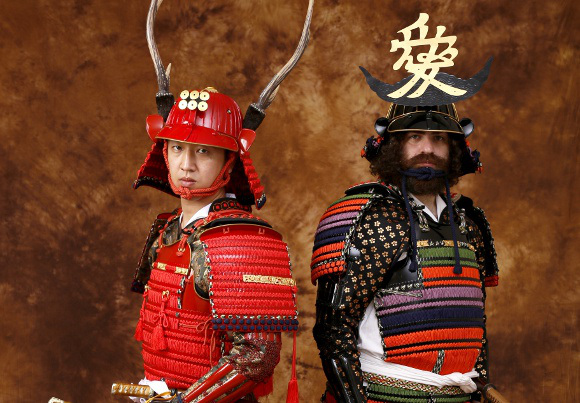
When we wrote about Samurai Studio earlier this month, we have to admit we were more than a little excited to head down and try it out ourselves. Hey, who doesn’t occasionally (or constantly) wish they could run around dressed in Japanese armor with a couple of swords strapped to their side?
Samurai Studio opened for its 10-day limited run today, and we were literally the first in line! In case you’re on the fence about going or just want to see what the process is like, you’ll want to check out our full report, complete with lots and lots of photos.

Even in the modern era, you’ll find plenty of occasions in Japan to dress up in kimono, such as for festivals, fireworks exhibitions, or other special events (and considering how relatively easy it is to do, it’s something you really should try at least once). But as much as Japan may love its traditions and history, there aren’t too many occasions when you get to strap on a set of samurai armor, so when life gives you the opportunity to do so, like at this new photo studio in Tokyo, you won’t want to let it pass you by.
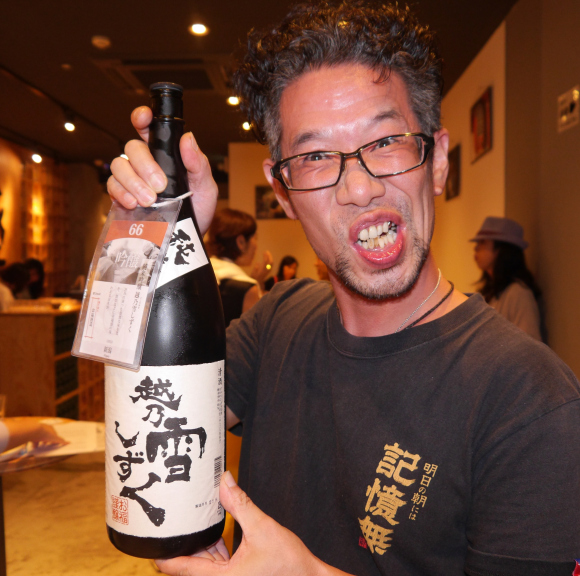
On September 2, Kurand Sake Market opened a new shop in the Asakusa district of Tokyo. This location is a sister branch to the original Kurand Sake Market which opened earlier this year in Ikebukuro, where sake lovers can sample 100 varieties of sake for 3,000 yen (US$24.64) per person with no time limit.
The Asakusa branch invited curious members of the media in for a sneak peek before its grand opening to the public, so we promptly sent our sake-loving reporters Mr. Sato, a veteran of the Ikebukuro shop, and Sailor Venus-cosplaying reporter extraordinaire Yoshio to check things out. But rather than write their opinions for each of the 30 individual brands they sampled, which would undoubtedly become tedious after a while, they decided to create a handy visual guide so that you can gauge their reactions to each cup with a picture, thus eliminating any language barriers in the process. Let the sake festivities begin!
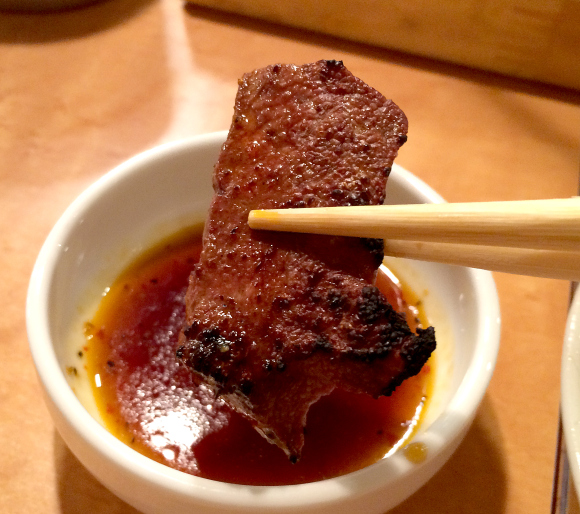
We used to think that the 45-minute all-you-can-eat lunch of cook-your-own grilled meat lunch for 950 yen (US$7.60), offered by the Jimbocho Shokuniku Centre restaurant, was pretty hard to beat in terms of value for your money. However, we’ve recently learned that there’s another yakiniku restaurant in Tokyo that offers an even better value!
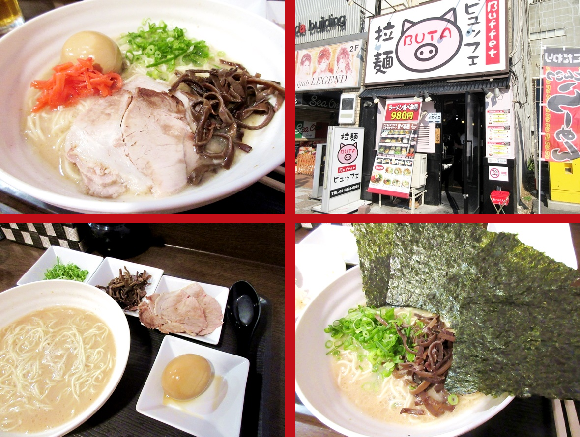
If you love meat and are looking for a bargain, read on to learn about our meal at Asakusa Buta Yashiki Horumon Sakaba.
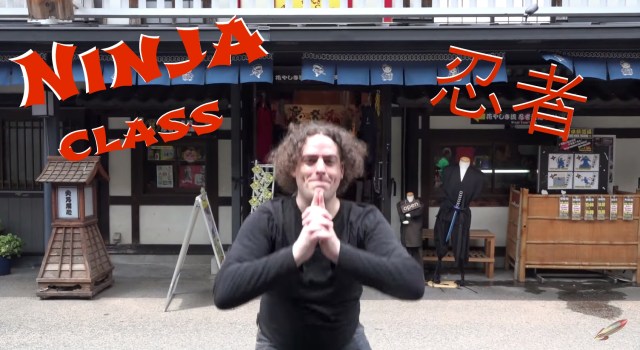
There are many things that draw people to Japan, from pop culture to the traditional tea ceremony. One of the highest on that list is probably those mysterious masters of stealth, the ninja, who have left and indelible impression on millions of people around the world.
While most of us will never get to actually be ninja, it’d be nice if we could at least try it out for a day, right? Obviously, to get the full ninja experience, you’d need to head out to a place like Iga, but if you’re just hanging out in Tokyo for a quick trip, we have a fun compromise for you! Next time you’re sightseeing in Asakusa, try stopping by the Ninja Taiken Dojo.
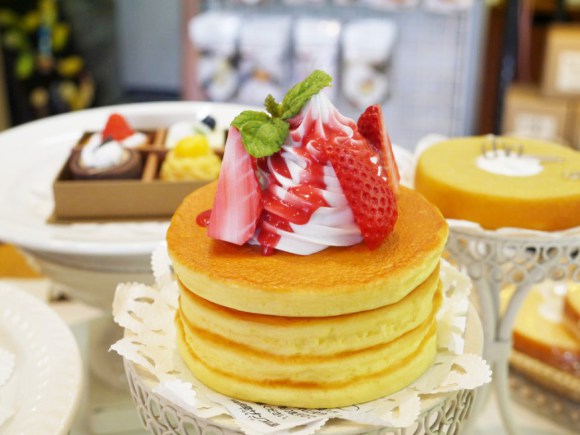
If you’ve ever spent any time in Japan, you’ve probably been to at least one restaurant whose front window is full of surprisingly realistic food samples. In fact, they’re realistic enough that if you’re jet-lagged and starving, like my first day in Osaka, you too may have wondered, “How do they keep the food from rotting and smelling?!” Obviously, the “samples” aren’t samples of food but wax replicas made to look as delicious (or maybe even more delicious) than the food served inside.
But where do those food samples comes from? Well, there are a variety of shops that make them — both for restaurants and people who just love replica food. But at Ganso Shokuhin Sample-ya, you can make your own! We recently headed to Asakusa and created several of our own food samples. Join us after the jump to read about how we made lettuce and tempura food samples, and watch a video of the whole creation process!
It’s time once again for an episode of Why Does Engrish Happen in Japan? If you missed the first installment (which we really should have given a clever name like Why Does Engrish Happen in Japan? ~Unexpected Opening to the Truth~) you can check it out here.
Today, we’re taking a look at a hotel in Japan that seems to be clamping down on solo peeing, with a sign posted in its lobby that requests visitors “Please refrain from using the bathroom alone.”
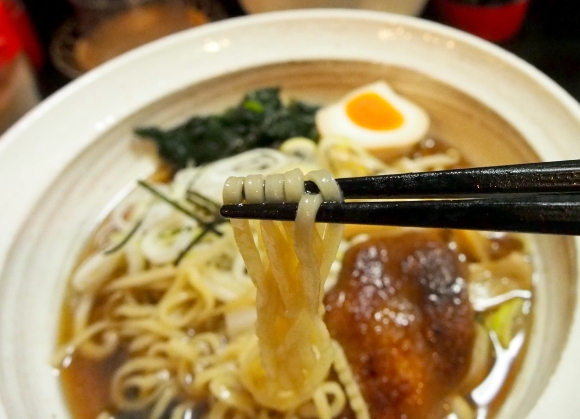
For decades, the international perception of ramen was that it was something for lazy college students to buy in bulk for when they wanted a quick, hot meal, with only minimal thought given to flavor or presentation. And while ramen does sometimes take that form, assuming it’s all like that is sort of like basing your whole image of pizza on microwavable frozen varieties.
Thankfully, there’s a ramen renaissance going on, as the rest of the world is getting onboard with just how delicious Japan’s favorite noodle dish can be. In response, some restaurants in Japan are adapting to make their food more accessible to foreign visitors, such as this restaurant in Tokyo that serves halal ramen.
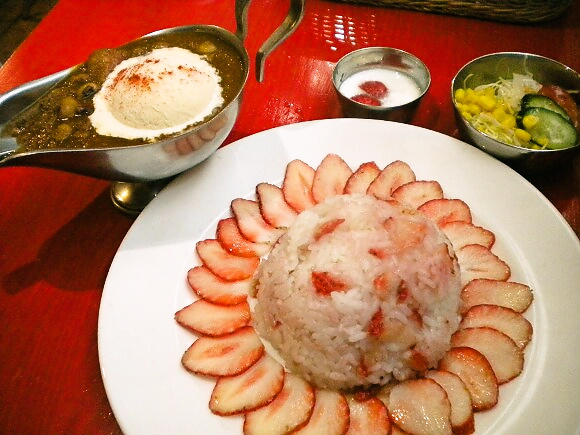
One of the great things about curry is how versatile it is. The standard way to eat the spicy dish in Japan is with carrots, potatoes, onions, and pork, but you can also toss in chicken, shrimp, beef, or tuna. Things are wide open when it comes to vegetables, too, with some people opting for eggplant, spinach, or tomatoes.
But why limit yourself to just meats and veggies? One curry restaurant in Tokyo feels its menu should be inclusive of the entire food pyramid, and will fix you a plate of curry rice that represents the fruit and dairy groups in the forms of curry with strawberries and even ice cream.
MOST POPULAR
Today
 We hunt for treasure at an all-you-can-stuff Kanagawa secondhand shop for just 1,000 yen
 KFC Japan releases its first thigh-meat fried chicken burger in 43 years, but was it worth the wait?
 New Studio Ghibli stamp rally set to start in Japan, with exclusive merchandise for anime fans
 We waited three hours to get into the new carb heaven all-you-can-eat bread restaurant in Osaka
 American man runs out of money in Japan, gets arrested for overstaying tourist visa
 Man in Japan says monkey threw his cat into a pond before attacking him
 Studio Ghibli adds Totoro family goods to its anime merchandise store in Japan
 Tokyo Monorail, other east Japan rail networks announce discontinuation of magnetic paper tickets
 Foreign travelers sitting on sidewalks of Tokyo’s Ginza are Japan’s latest tourism culture clash
 Vietnamese-language driver’s license tests suspended in Japan following alleged cheating
Weekly
 What’s it like to stay in a Japanese container hotel?
 Family Mart releases 47 convenience store socks and stickers, one for every prefecture in Japan
- American man runs out of money in Japan, gets arrested for overstaying tourist visa
 Japanese milk carton cakes are a genius idea that the world needs to know about
 New Studio Ghibli notebooks are a beautiful reason to write and draw by hand [Photos]
- Foreign travelers sitting on sidewalks of Tokyo’s Ginza are Japan’s latest tourism culture clash
 Tokyo train station will play Godzilla theme song as new departure melody
- Studio Ghibli adds Totoro family goods to its anime merchandise store in Japan
 New Gundam plush goods mix cosplay and comfort for Char-custom-level coziness [Pics]
 Giant wagashi cushions will turn your home sweet home into home sweet Japanese sweets home
Monthly
 Japan announces new permanent residency guidelines, foreigners must earn more than average Japanese person
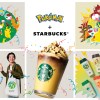 Starbucks Japan unveils new Pokémon collaboration with Pikachu Latte and exclusive goods
- Family Mart releases 47 convenience store socks and stickers, one for every prefecture in Japan
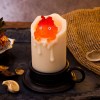 Studio Ghibli’s Calcifer is ready to light up your home as a magical-looking candle lamp [Photos]
 Lady Gaga and Family Mart team up for a Japanese convenience store work video [Video]
- What’s it like to stay in a Japanese container hotel?
 New Gundam Base superstores coming soon in the U.S., with one opening this month
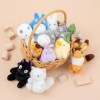 Studio Ghibli releases new plush mascot character collection with a focus on friendship
- Tokyo train station will play Godzilla theme song as new departure melody
 Do Japan’s new single-minded convenience store bento show depressing poverty or satisfying focus?
Yearly
 Japan announces sudden 400-percent increase in visa fees for foreigners entering the country
 Japan’s human washing machines will go on sale to general public, demos to be held in Tokyo
 Studio Ghibli has a new anime out, and there’s only one place in the world where you can see it
 Starbucks Japan releases new drinkware and goods for Valentine’s Day
 Starbucks Japan releases new sakura goods and drinkware for cherry blossom season 2026
 Japan’s newest Shinkansen has no seats…or passengers [Video]
 Tokyo subway installing new ticket gates that don’t accept payment through Suica or other IC cards
 Japanese ninja certification exam attracts 131 candidates from Japan and abroad
 Salomon releases Japan-exclusive Mt. Fuji hiking gear that doubles as an amazing souvenir
 Japan reportedly adding Japanese language skill requirement to most common foreigner work visa
RECOMMENDED STORIES
 Man in Japan says monkey threw his cat into a pond before attacking him
 Studio Ghibli adds Totoro family goods to its anime merchandise store in Japan
 Tokyo Monorail, other east Japan rail networks announce discontinuation of magnetic paper tickets
 Foreign travelers sitting on sidewalks of Tokyo’s Ginza are Japan’s latest tourism culture clash
 Vietnamese-language driver’s license tests suspended in Japan following alleged cheating
 Family Mart releases 47 convenience store socks and stickers, one for every prefecture in Japan
 New Gundam plush goods mix cosplay and comfort for Char-custom-level coziness [Pics]
 High-speed Japanese festival cart crashes cause two deaths on same day, ignite debate over tradition
 Japanese milk carton cakes are a genius idea that the world needs to know about
 What’s it like to stay in a Japanese container hotel?
 Tokyo ward looking to change lodging laws, ban more than half of its Airbnb-style rentals
 Japan announces new permanent residency guidelines, foreigners must earn more than average Japanese person
 Town in Kanagawa struggling with violent gang of monkeys
 Bilingual illustrated ninja guide stealthily drops courtesy of a top ninja researcher in Japan
-
